Charger images
Les formats d'image autorisés sont de type jpeg, png ou gif
La taille maximale du fichier doit être de 20MB
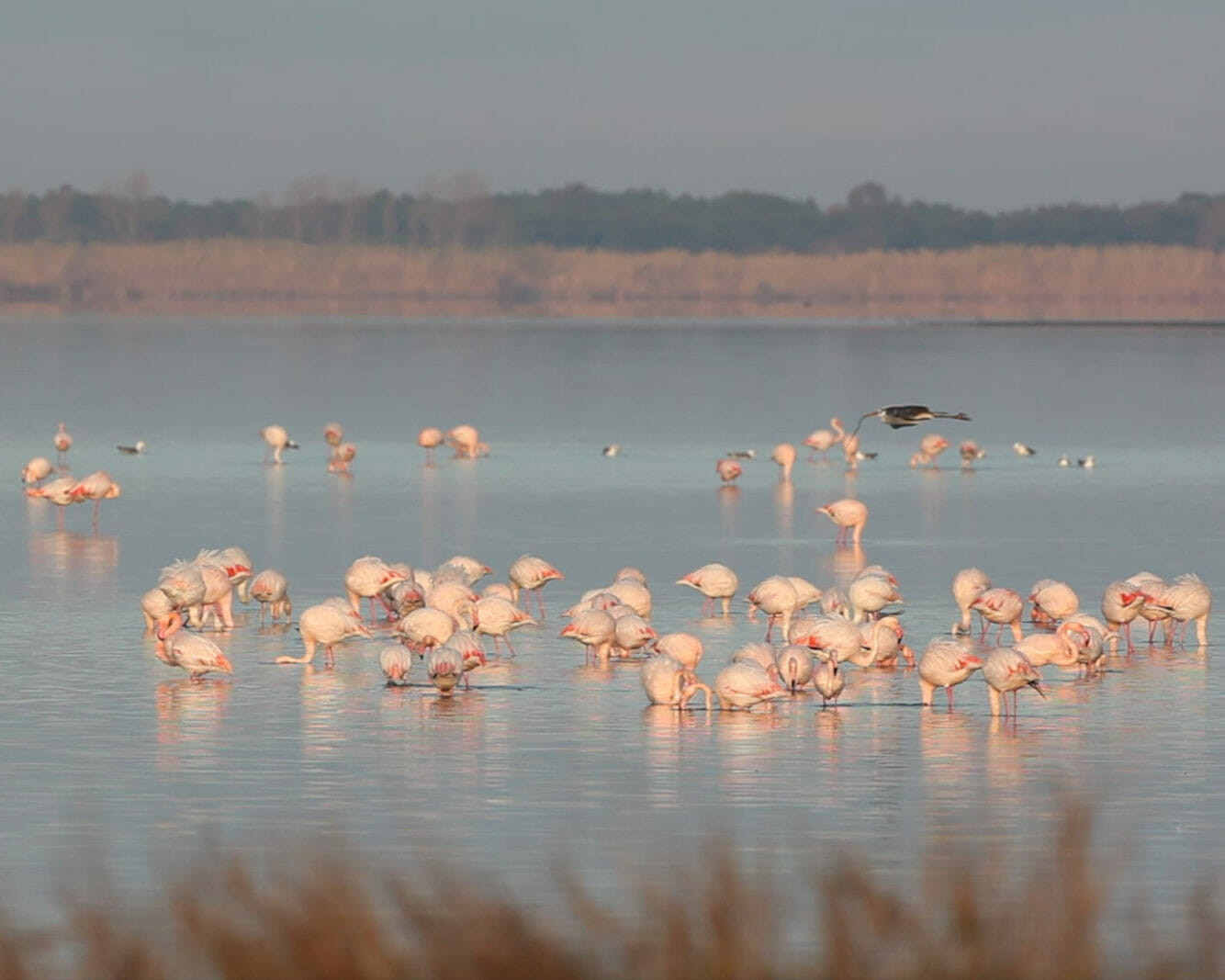
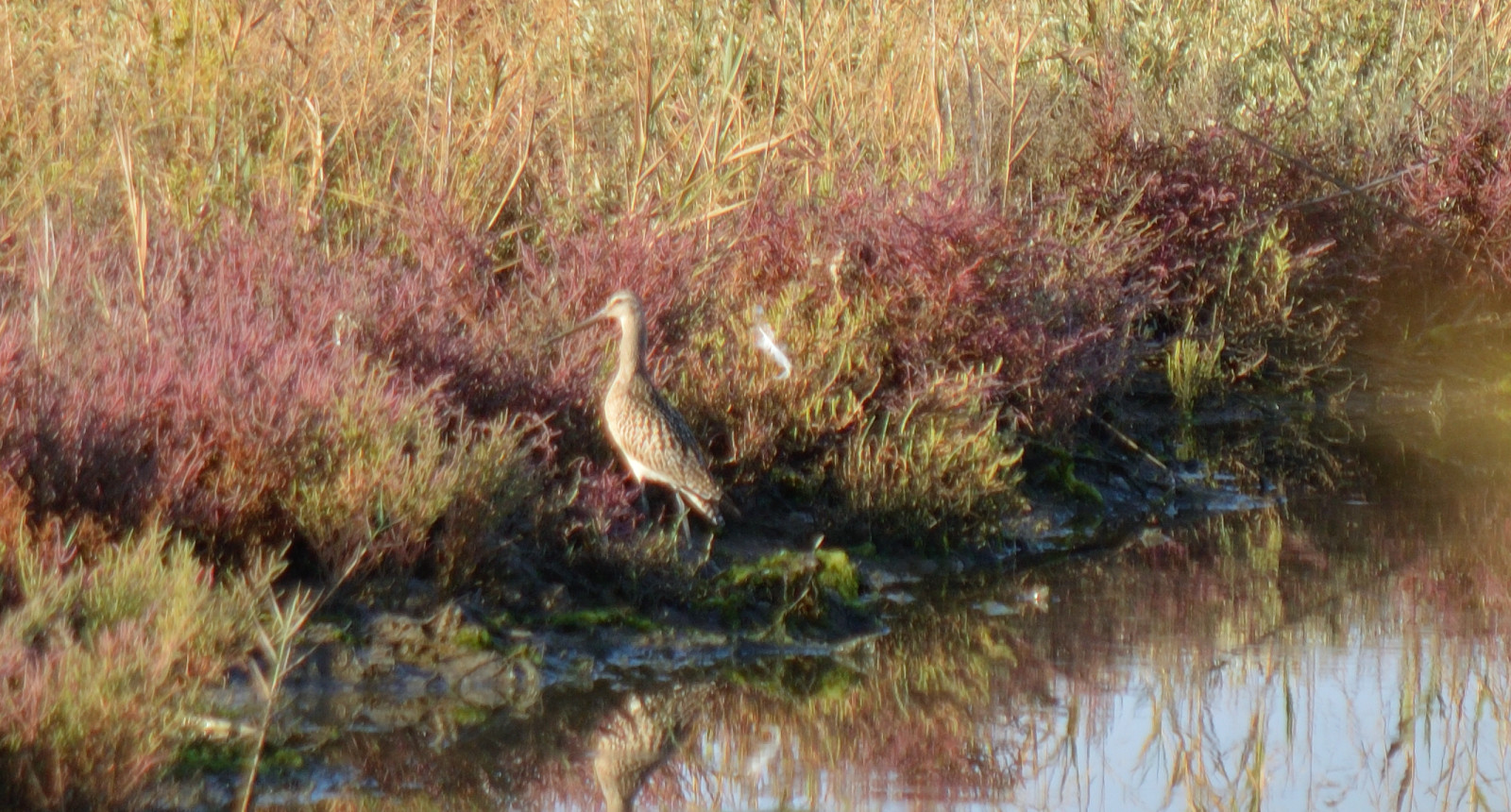
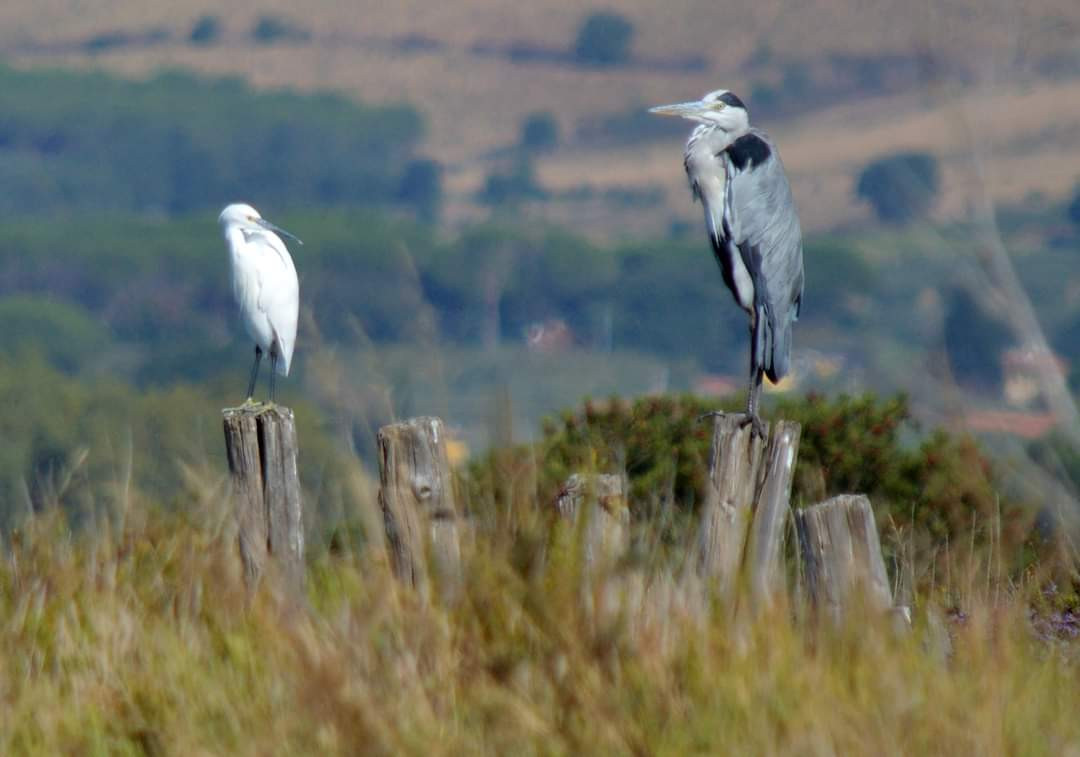
Nature Reserve that extends for over 1000 hectares and one of the most important wetlands in Italy. More than 200 bird species have been seen here.
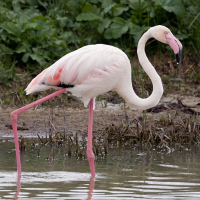
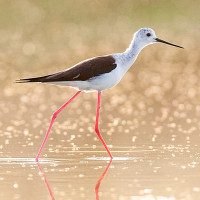
The Diaccia Botrona Nature Reserve is a wetland that is a paradise for birdwatchers, with over 200 known species of birds that pass through over the course of the year, 80 of which are breeding here. Amongst the most important, there are Busard des roseaux, Busard Saint-Martin, Balbuzard pêcheur, Bondrée apivore, Aigrette garzette, Crabier chevelu, Barge à queue noire, Héron pourpré, Butor étoilé, Flamant rose, Rollier d'Europe and Coucou geai.
_________________________
Italiano: La Riserva Naturale Diaccia Botrona è una zona umida paradiso per gli amanti del birdwatching, con oltre 200 specie di uccelli conosciute che la attraversano nel corso dell'anno, 80 delle quali nidificano qui.
After arriving at Castiglione along the provincial road SP 158 the Collacchie, you must reach the Giorgini bridge, turn right driving until the Ximenes House. You can also reach the Daccia Botrona from the provincial road Castiglionese towards Castiglione della Pescaia until Ponti di Badia; here you must turn left, and drive along a small road until you reach the Daccia Botrona Nature Reserve. Click on the P in the map to get directioms.
The Diaccia Botrona Nature Reserve is accessible on foot with a circular route of 14 km (see the map) or you can just explore the area around the visitor center.
_________________________
Italiano: Arrivati a Castiglione lungo la SP 158 delle Collacchie, si deve raggiungere il ponte Giorgini, svoltare a destra e proseguire fino a Casa Ximenes. È possibile raggiungere la Diaccia Botrona anche dalla strada provinciale Castiglionese in direzione Castiglione della Pescaia fino a Ponti di Badia; qui si deve svoltare a sinistra e percorrere una stradina fino a raggiungere la Riserva Naturale Diaccia Botrona. Cliccare sulla P nella mappa per ottenere le indicazioni.
La Riserva Naturale Diaccia Botrona è raggiungibile a piedi con un percorso ad anello di 14 km (vedi mappa) oppure è possibile esplorare semplicemente l'area circostante il centro visitatori.
The nature reserve was created after the drainage of the old Lake Prile or Preglio, that took up this flat area. The lake was drained almost completely during the huge drainage works ordered by the Grand Dukes of Tuscany during the 18th century to defeat malaria. Today Diaccia Botrona is an important wetland, a marshy area of land with unique characteristics of international importance. As a matter of fact, many species of plants and animals can be found here. The access to the protected area is free and with a good telescope and a pair of Wellingtons you can observe different species of birds, such as hawks, herons, wild geese and ducks, but even various mammals such as foxes, badgers, hedgehogs and porcupines, or reptiles such as tortoises, tree frogs and grass snakes.
_________________________
Italiano: La riserva naturale è stata creata in seguito al prosciugamento dell'antico Lago Prile o Preglio, che occupava questa zona pianeggiante. Il lago fu prosciugato quasi completamente durante le imponenti opere di bonifica volute dai Granduchi di Toscana nel XVIII secolo per combattere la malaria. Oggi la Diaccia Botrona è un'importante zona umida, un'area paludosa con caratteristiche uniche di importanza internazionale. Qui si trovano infatti numerose specie di piante e animali. L'accesso all'area protetta è libero e con un buon telescopio e un paio di Wellington è possibile osservare diverse specie di uccelli, come falchi, aironi, oche selvatiche e anatre, ma anche vari mammiferi come volpi, tassi, ricci e istrici, o rettili come tartarughe, raganelle e bisce.
 ) Insérez les noms d'oiseau dans votre langue. Ils seront automatiquement traduits pour les autres usagers !
Votre feedback sera transmis à l’auteur.rice de cette zone et à l’équipe éditoriale de Birdingplaces, qui l’utiliseront pour améliorer la qualité des informations. (Vous souhaitez publier un commentaire visible en bas de page ? Fermez cette fenêtre et choisissez l’Option 1 : « Publier un commentaire, un conseil ou une observation ».)
Veuillez fournir des suggestions d'améliorations ou d'ajouts au texte de ce site ornithologique.
Veuillez fournir vos suggestions d'améliorations ou d'ajouts à la carte.
Veuillez fournir des suggestions d'améliorations ou d'ajouts à la liste des oiseaux.
Cliquez sur l'icône de l'oiseau () Insérez les noms d'oiseau dans votre langue. Ils seront automatiquement traduits pour les autres usagers !