Charger images
Les formats d'image autorisés sont de type jpeg, png ou gif
La taille maximale du fichier doit être de 20MB
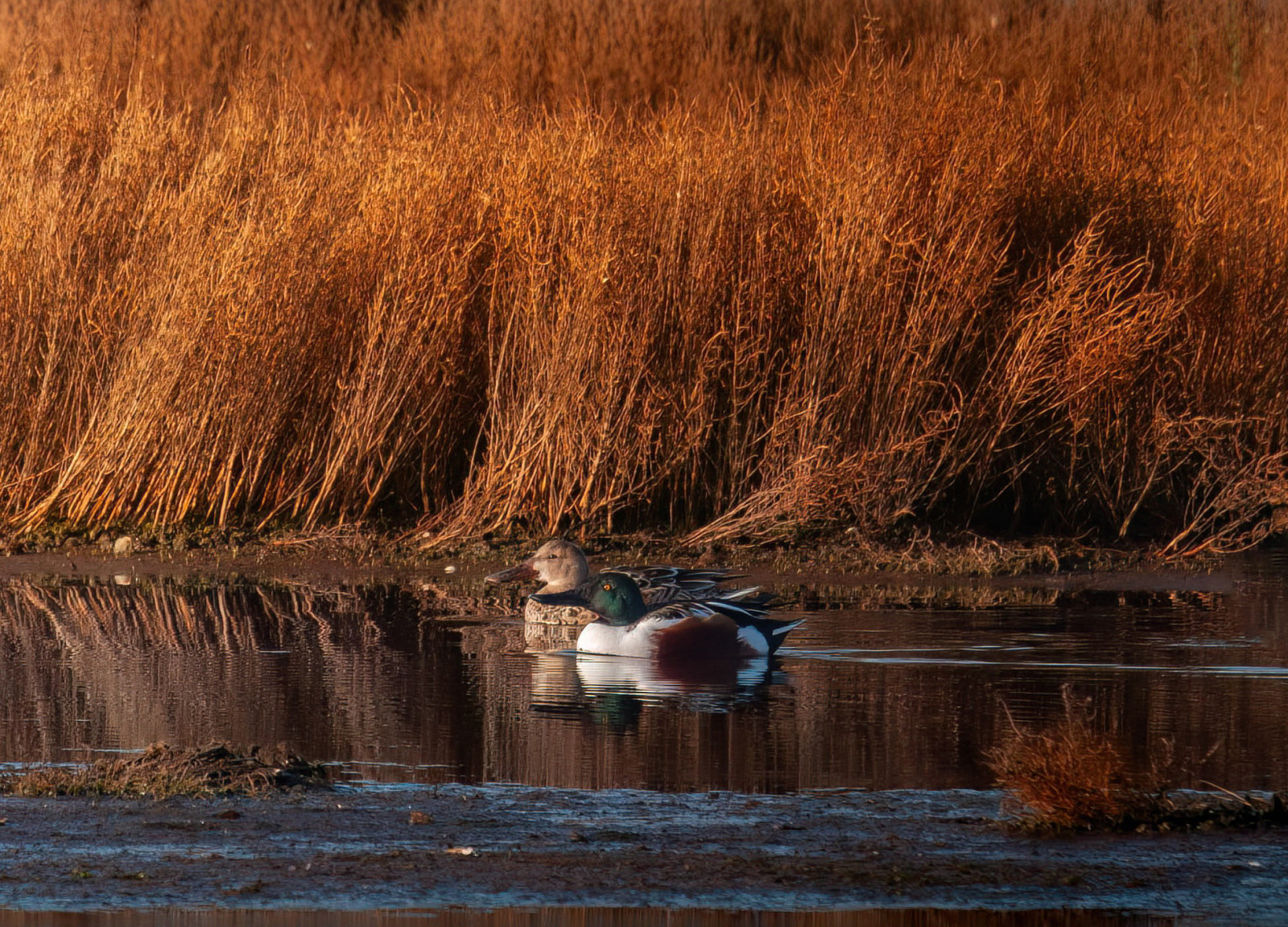
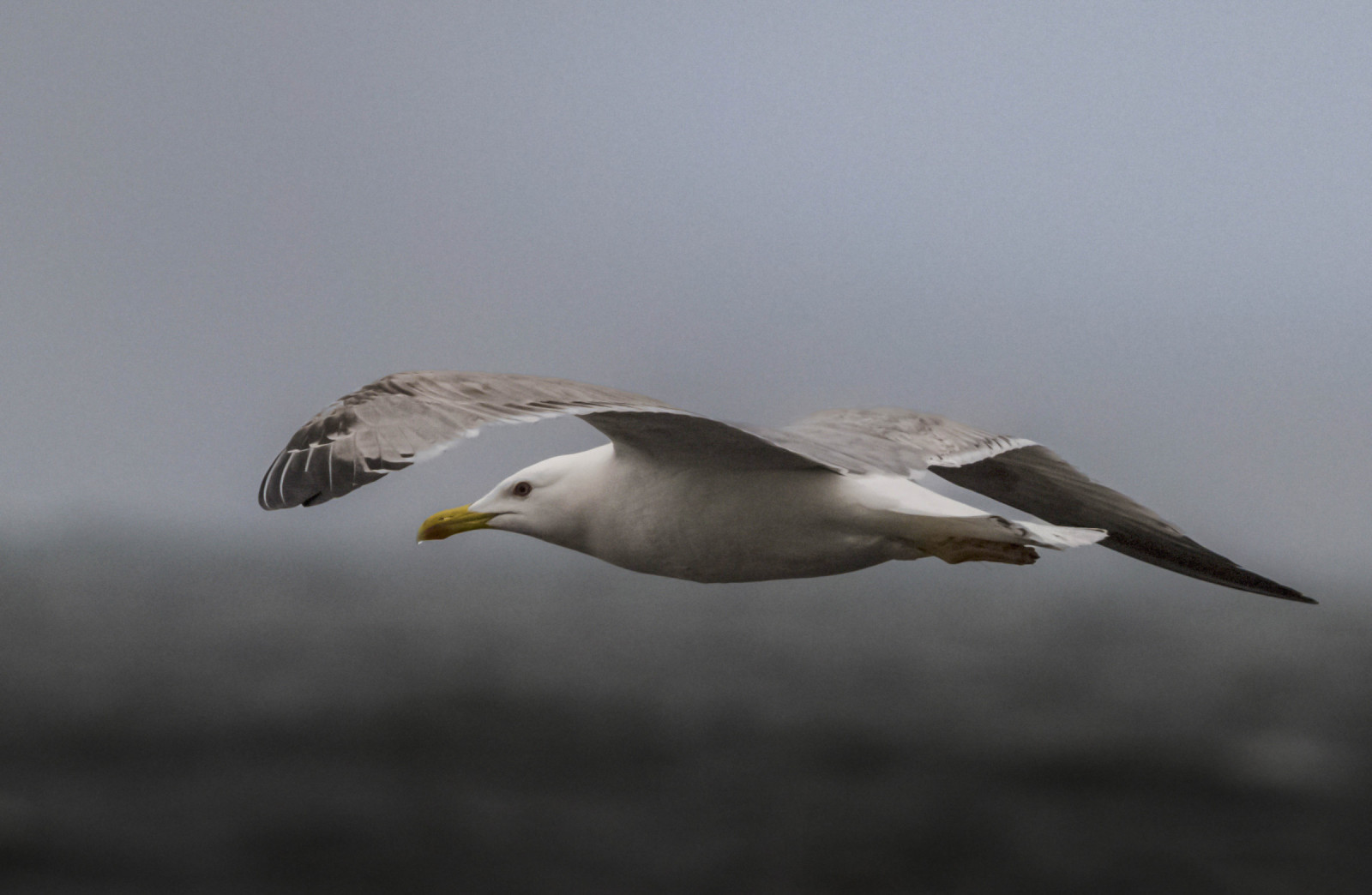
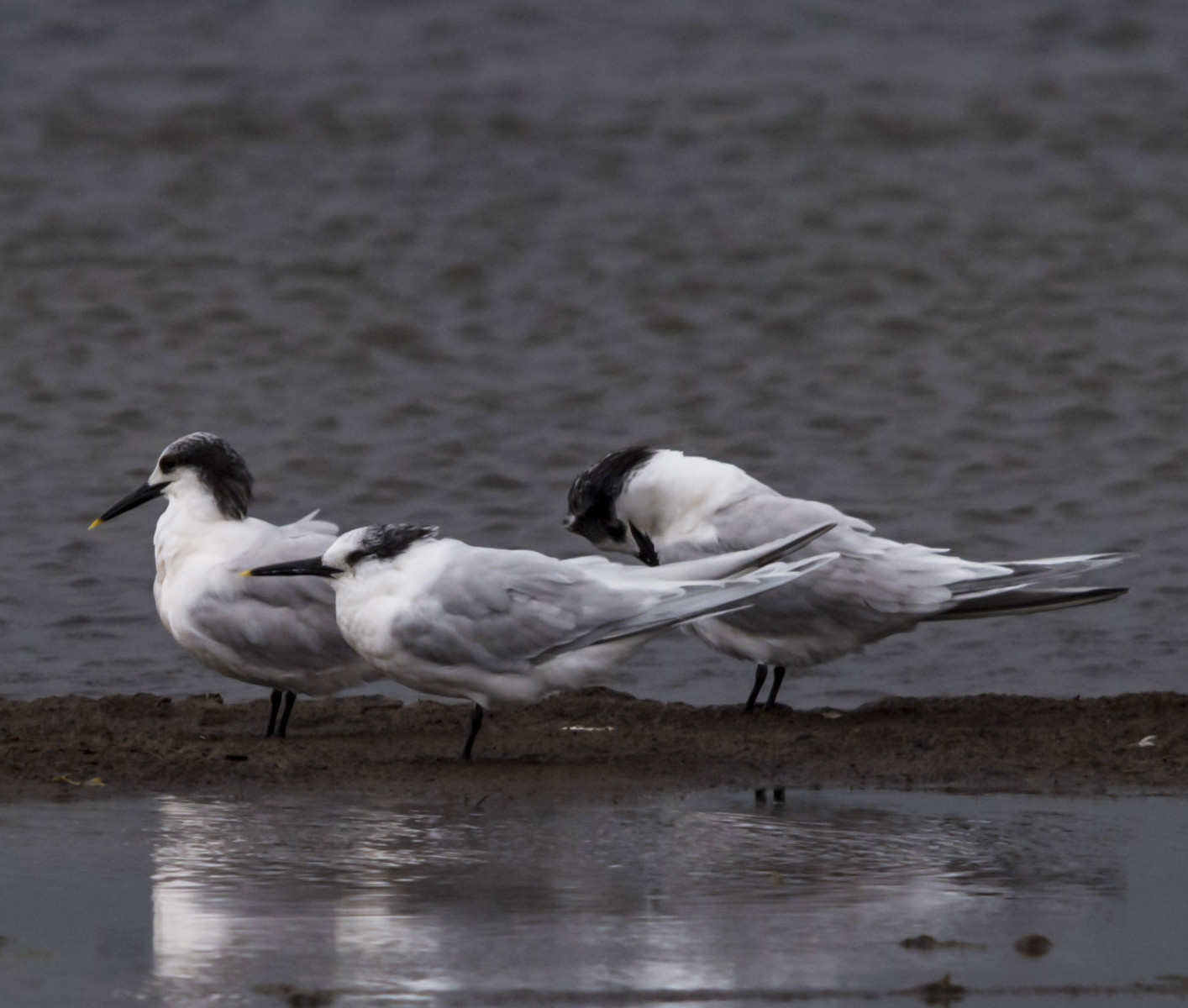
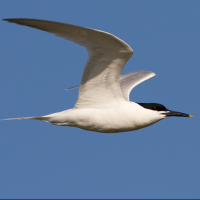
It is a part of approximately 70 hectares of the vast wetland called Stagno di Santa Gilla (or Stagno di Cagliari).
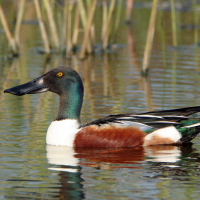
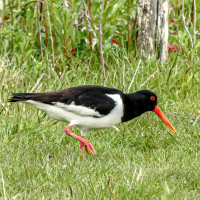
Stagno di Capoterra is part of one of the most important wetlands in southern Sardinia with a mosaic of brackish lagoons, reedbeds and saltmarsh vegetation. The site is a resting, passage, and breeding place for many bird species. Among the species that can be observed are Flamant rose, Spatule blanche, Canard souchet, Huîtrier pie, Pluvier argenté, Goéland railleur, Sterne caugek, and many others. The wildlife observation facilities are in a state of abandonment.
_________________________
Italiano: E' una porzione di circa 70 ettari della vasta zona umida chiamata Stagno di Santa Gilla (o Stagno di Cagliari). È luogo di sosta, passaggio e riproduzione di tantissime specie di uccelli. Tra le specie osservabili Flamant rose, Spatule blanche, Canard souchet, Huîtrier pie, Pluvier argenté, Goéland railleur, Sterne caugek e moltissime altre specie. Le strutture di osservazione della fauna sono in stato di abbandono.
Stagno di Capoterra lies just west of Cagliari, near the town of Capoterra. You can get there via state road 195. From Cagliari take the SS195 (Sulcitana) west toward Pula. After about 10–12 km, exit toward Capoterra / Torre degli Ulivi. From here, small local roads lead directly to the lagoon margins. Press P on the map for directions.
_________________________
Italiano: Lo Stagno di Capoterra si trova appena ad ovest di Cagliari, vicino alla città di Capoterra. Ci si arriva tramite la strada statale 195. Premi P sulla mappa per ottenere le indicazioni stradali per raggiungere un parcheggio.
 ) Insérez les noms d'oiseau dans votre langue. Ils seront automatiquement traduits pour les autres usagers !
Votre feedback sera transmis à l’auteur.rice de cette zone et à l’équipe éditoriale de Birdingplaces, qui l’utiliseront pour améliorer la qualité des informations. (Vous souhaitez publier un commentaire visible en bas de page ? Fermez cette fenêtre et choisissez l’Option 1 : « Publier un commentaire, un conseil ou une observation ».)
Veuillez fournir des suggestions d'améliorations ou d'ajouts au texte de ce site ornithologique.
Veuillez fournir vos suggestions d'améliorations ou d'ajouts à la carte.
Veuillez fournir des suggestions d'améliorations ou d'ajouts à la liste des oiseaux.
Cliquez sur l'icône de l'oiseau () Insérez les noms d'oiseau dans votre langue. Ils seront automatiquement traduits pour les autres usagers !