Charger images
Les formats d'image autorisés sont de type jpeg, png ou gif
La taille maximale du fichier doit être de 20MB
A stunning place in the Stelvio National Park. An incredibly well preserved alpine valley, incredibly rich in flora, fauna and great sceneries.
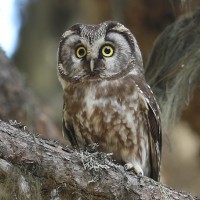
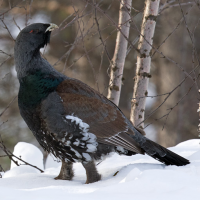
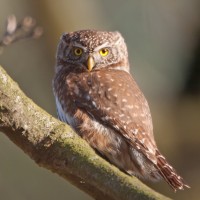
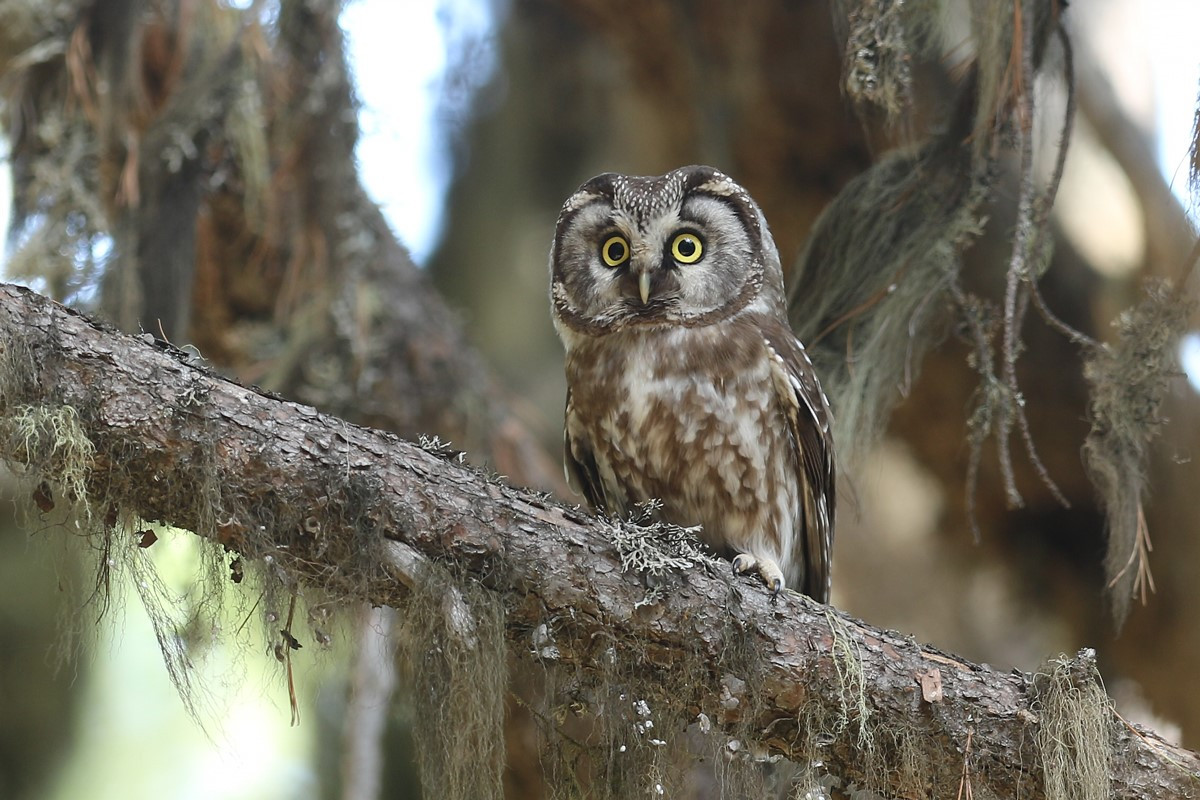
Val de la Mare is a small valley between the high peaks of the Stelvio National Park. The valley offers a remarkable variety in terms of habitat and allows several different birding possibilities. The Noce stream flows on the bottom of the valley, here is quite simple to spot Cincle plongeur foraging in its typical habitat. Old and majestic spruce woods grow on the slopes of the valley. This is a really valuable place for the Grand Tétras and the Pic noir. The presence of this woodpecker allows interesting number of specimens of Chouette de Tengmalm. Moreover, in this area Chevêchette d'Europe is also not so rare and with a little bit of luck it can be easily spotted also during the day.
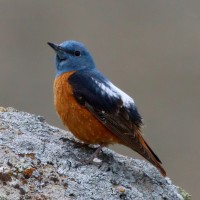
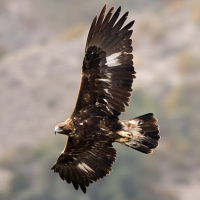
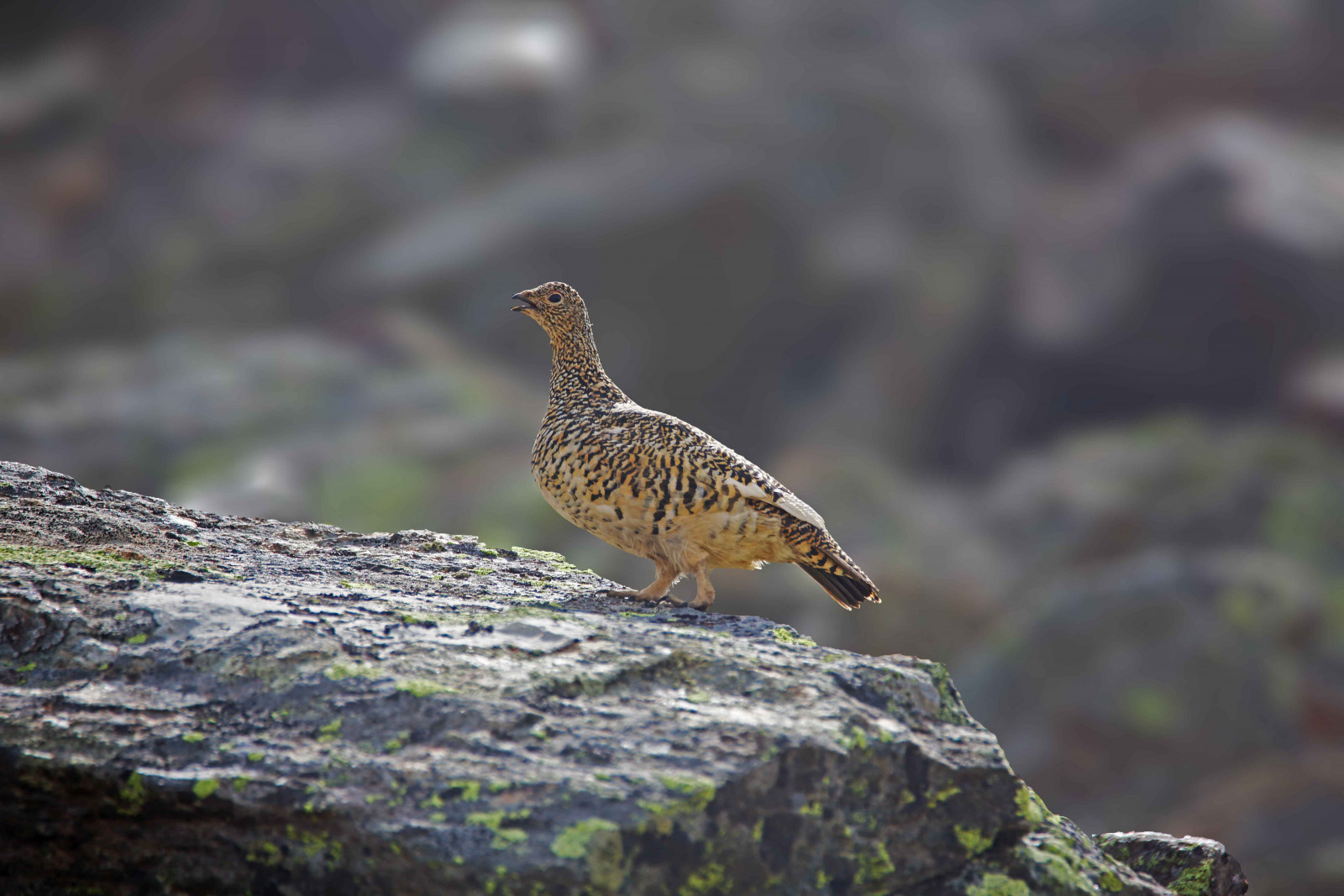
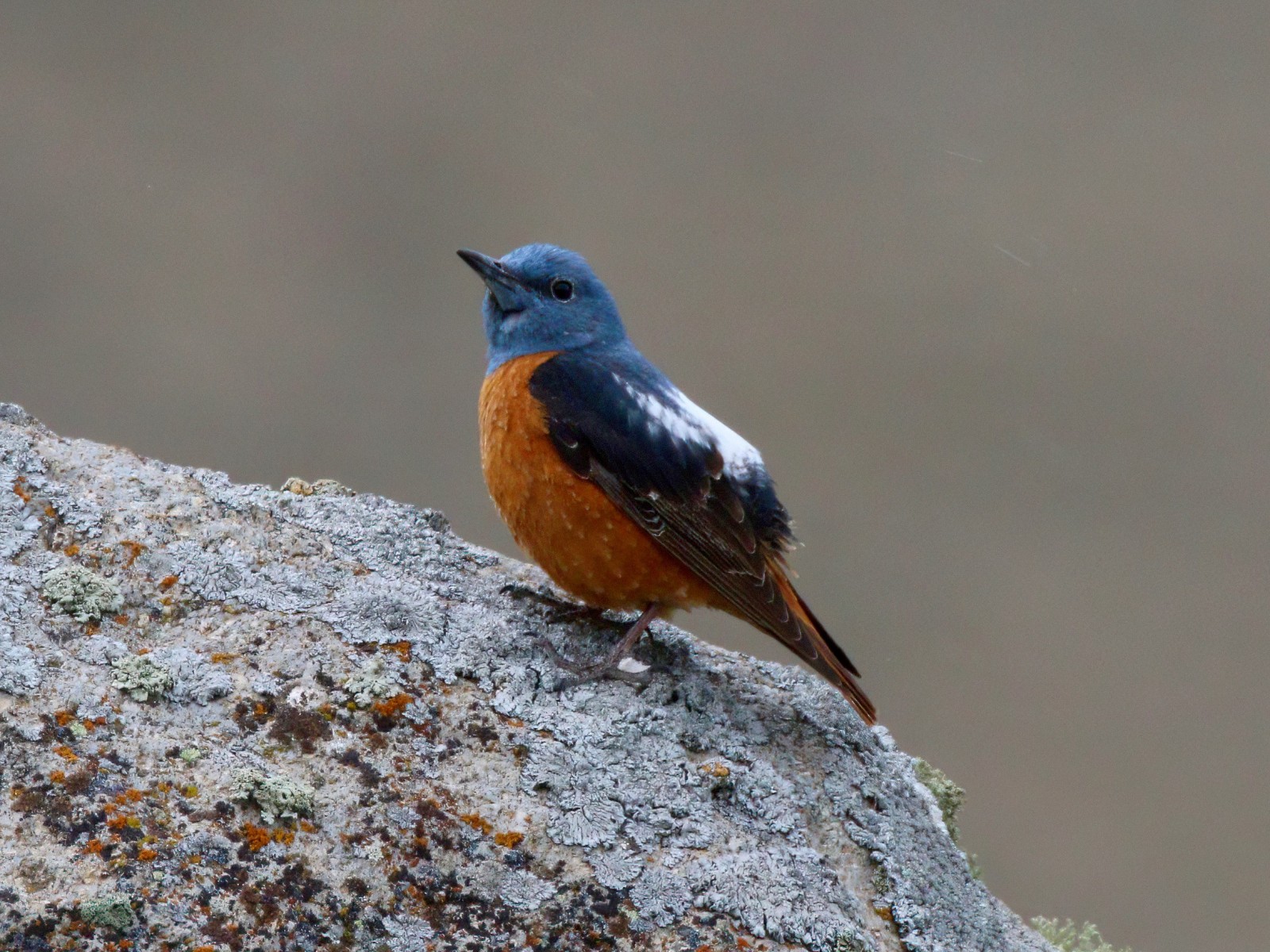
Cassenoix moucheté is probably the most common bird you are going to observe. At a certain point of elevation, the spruce wood makes place for high alpine meadows which offers the possibility in late spring and summer to spot a lot of migratory insectivores such as Rougequeue noir, Tarier des prés, Traquet motteux and Monticole de roche. Further in elevation, the area is really rocky with some snow deposits here and there. Here it is quite common to see Lagopède alpin and the Tichodrome échelette is also present. Up in the sky Chocard à bec jaune often mob Aigle royal. With a little bit of luck you will be able to spot the largest bird of the alps, the Gypaète barbu which is still considered a vagrant species in this particular part of the national park. Other interesting species are Grand Corbeau, Bec-croisé des sapins, Sizerin flammé, Mésange huppée, Bouvreuil pivoine and Tétras lyre.
_________________________
Italiano: Val de la Mare è una piccola valle tra le alte vette del Parco Nazionale dello Stelvio. La valle offre una notevole varietà di habitat e consente diverse possibilità di birdwatching. Il torrente Noce scorre sul fondovalle, qui è abbastanza semplice individuare il Cincle plongeur alla ricerca di cibo nel suo tipico habitat. Sulle pendici della valle crescono vecchi e maestosi boschi di abeti rossi. Questo è il posto ideale per il Grand Tétras e il Pic noir. La presenza di questo picchio consente di avere un numero interessante di esemplari di Chouette de Tengmalm. Inoltre, in questa zona la Chevêchette d'Europe non è poi così rara e con un po' di fortuna può essere avvistata facilmente anche di giorno.
La Cassenoix moucheté è probabilmente l'uccello più comune che puoi osservare. Ad una certa quota, l'abete rosso lascia il posto a praterie alpine di alta quota che offrono la possibilità, nella tarda primavera e in estate, di avvistare numerosi insettivori migratori come il Rougequeue noir, lo Tarier des prés, il Traquet motteux e il Monticole de roche. Più in quota, la zona è molto rocciosa con qualche deposito di neve qua e là. Qui è abbastanza comune vedere la Lagopède alpin ed è presente anche il Tichodrome échelette. Nel cielo il Chocard à bec jaune e l'Aigle royal. Con un po' di fortuna si può avvistare il più grande uccello delle Alpi, il Gypaète barbu che in questa particolare parte del parco nazionale è ancora considerato una specie vagante. Altre specie interessanti sono il Grand Corbeau, il Bec-croisé des sapins, l'Sizerin flammé, la Mésange huppée, il Bouvreuil pivoine e il Tétras lyre.
The valley is accessible by car following the directions. In order to reach the place there is only one road (paved) that is narrow. In winter the road can be closed due to the snow. The best way to visit this beautiful valley is by foot. There are many tracks and routes and you can hike on the slopes. I suggest to use the malga Mare dedicated park (in August it can cost up to 5 euros) and then follow the indications for the artificial lake of Caresèr. The circular walk indicated on the map is 13,5 km long.
_________________________
Italiano: La valle è raggiungibile in auto seguendo le indicazioni. Per raggiungere il luogo c'è solo una strada (asfaltata) che è stretta. In inverno la strada può essere chiusa a causa della neve. Il modo migliore per visitare questa splendida valle è a piedi. Ci sono molti sentieri e percorsi e si possono fare escursioni sui pendii. Consiglio di usare il parcheggio a malga Mare (in agosto può costare fino a 5 euro) e poi seguire le indicazioni per il lago artificiale del Caresèr. Il percorso circolare indicato sulla mappa è lungo 13,5 km.
 ) Insérez les noms d'oiseau dans votre langue. Ils seront automatiquement traduits pour les autres usagers !
Votre feedback sera transmis à l’auteur.rice de cette zone et à l’équipe éditoriale de Birdingplaces, qui l’utiliseront pour améliorer la qualité des informations. (Vous souhaitez publier un commentaire visible en bas de page ? Fermez cette fenêtre et choisissez l’Option 1 : « Publier un commentaire, un conseil ou une observation ».)
Veuillez fournir des suggestions d'améliorations ou d'ajouts au texte de ce site ornithologique.
Veuillez fournir vos suggestions d'améliorations ou d'ajouts à la carte.
Veuillez fournir des suggestions d'améliorations ou d'ajouts à la liste des oiseaux.
Cliquez sur l'icône de l'oiseau () Insérez les noms d'oiseau dans votre langue. Ils seront automatiquement traduits pour les autres usagers !