Charger images
Les formats d'image autorisés sont de type jpeg, png ou gif
La taille maximale du fichier doit être de 20MB
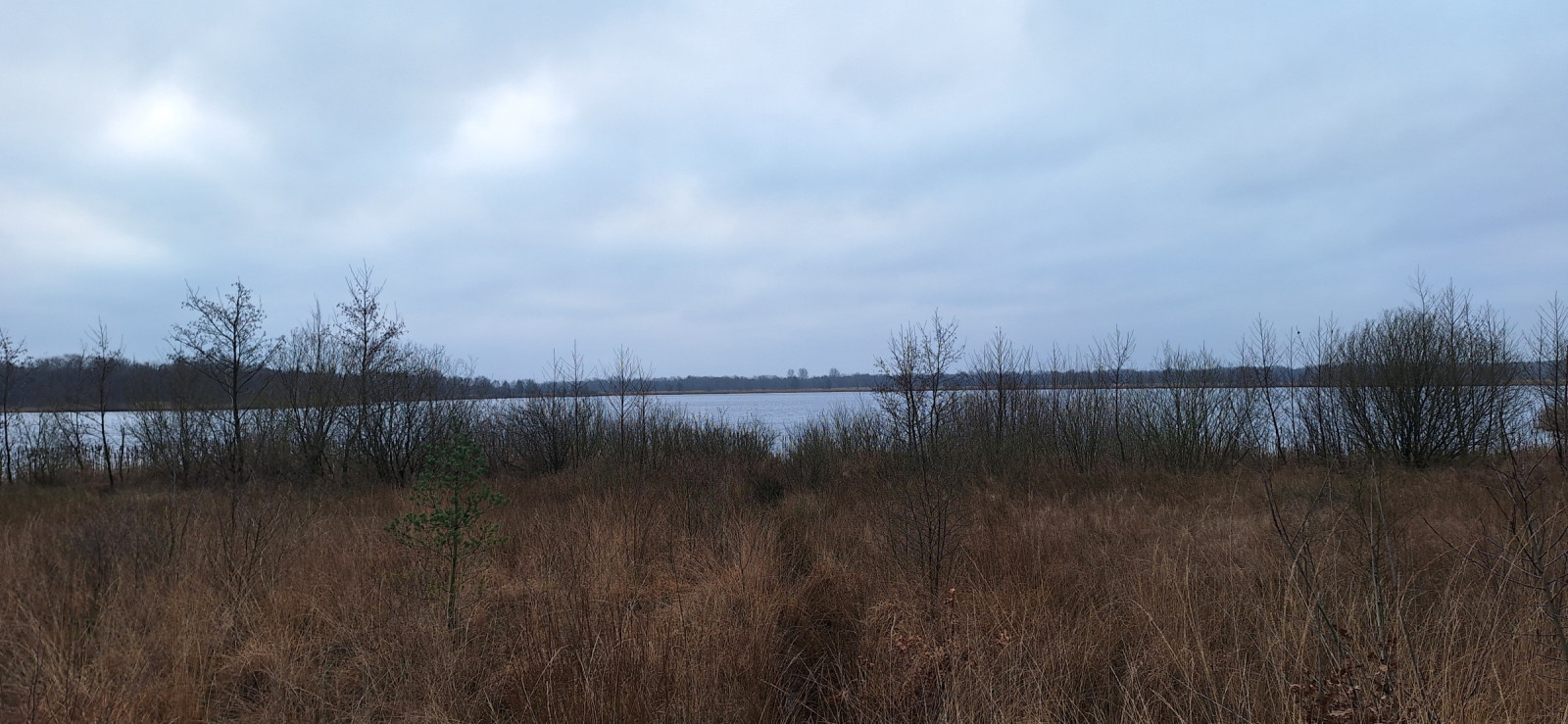
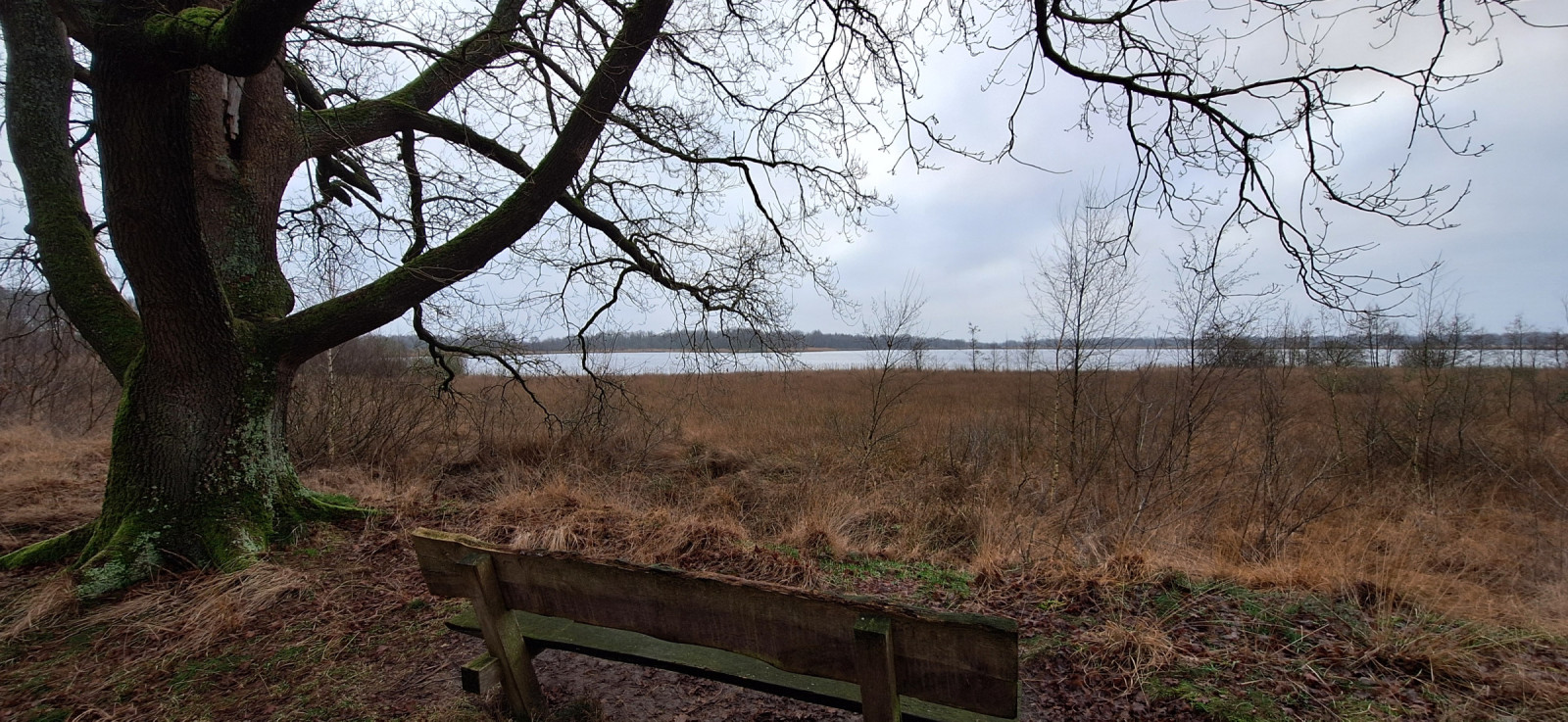
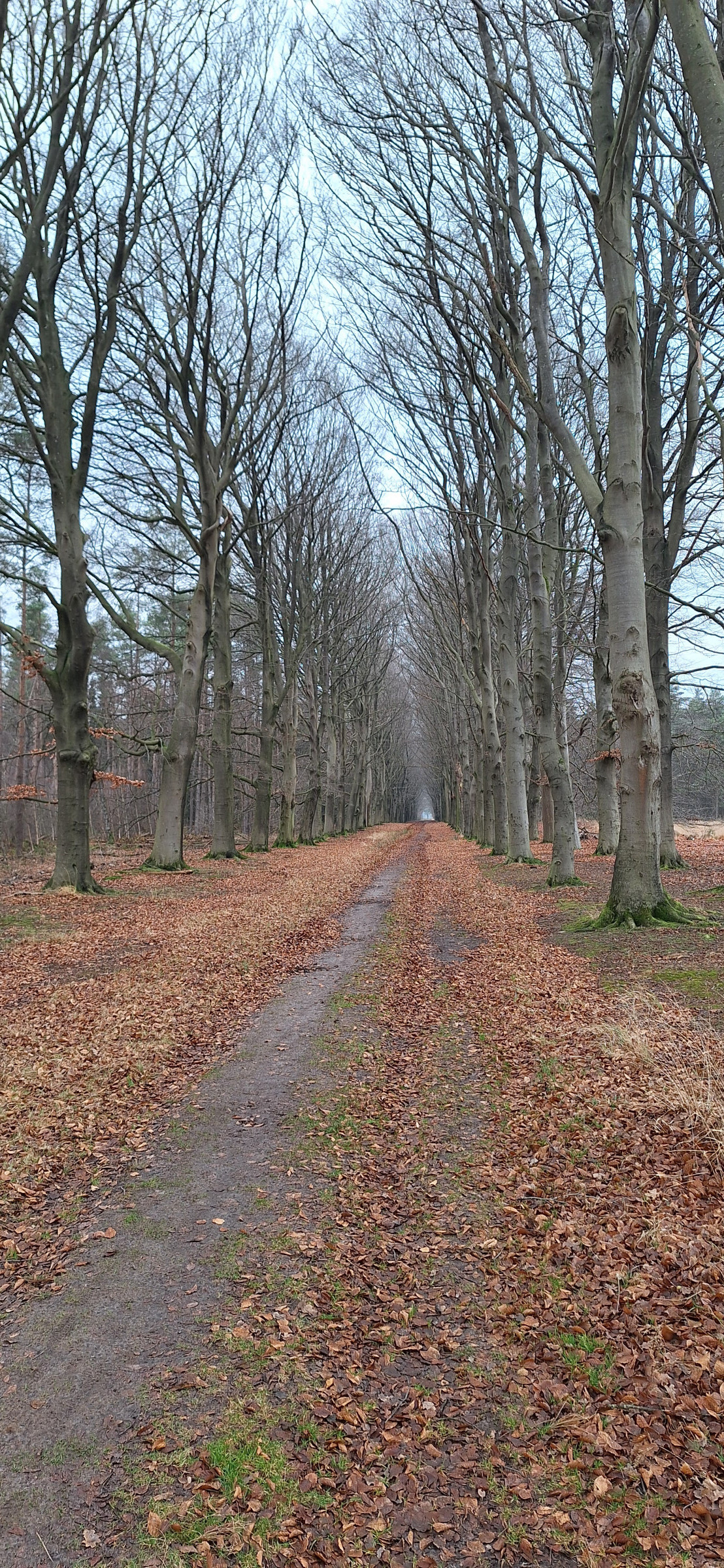
The Esmeer is the largest pingo (glacial hill) in the province of Drenthe, formed during the last ice age. The area offers a variety of forest, water, and peat.
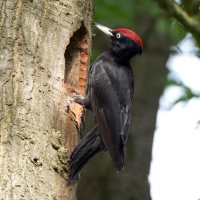
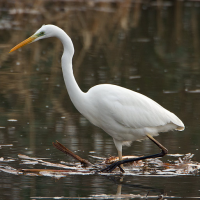
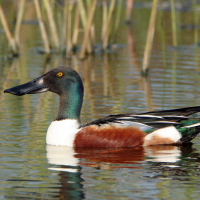
The Esmeer offers a variety of forests, water, and peat areas. The Esmeer is part of the Fochteloërveen nature reserve and is located near the village of Huis ter Heide. A circular walk begins at the 'Forest of the Future', which is characterized by a mixed forest and a beech avenue. Here, there is a chance of seeing Pic noir. The lake, with a diameter of approximately 500 meters, lies against the edge of the forest. A reed bed forms a natural separation between the two habitats. From a few benches, you have a good view of the lake, and you can watch waterfowl such as Grande Aigrette, Canard souchet and Fuligule morillon.
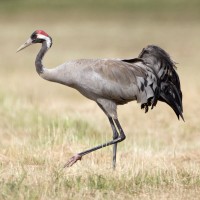
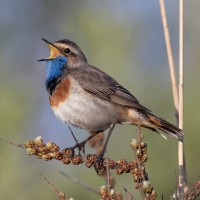
Near the lake is a lookout tower that offers a view of the peat and heathland areas. This is where the so-called 'Dutch Crane Resort' begins, where several organizations have successfully created a suitable area for the Grue cendrée. Other species such as Butor étoilé and Gorgebleue à miroir also feel at home here.
_________________________
Nederlands: Het Esmeer is de grootste pingoruïne van Drenthe, ontstaan tijdens de laatste ijstijd. Het biedt een variatie aan bos, water en veen. Het gebied is onderdeel van het Fochteloërveen en ligt nabij het dorp Huis ter Heide. Een rondwandeling begint bij het 'Bos van de Toekomst', dat zich kenmerkt door een gemengd bos en een beukenlaan. Hier is er kans om bijvoorbeeld een Pic noir te zien. Het meer, met een diameter van ongeveer 500 meter, ligt tegen de bosrand aan. Een rietkraag vormt een natuurlijke scheiding tussen de twee biotopen. Vanaf enkele bankjes is het meer goed te overzien en kan in alle rust gekeken worden naar watervogels zoals de Grande Aigrette, Canard souchet en Fuligule morillon.
Nabij het meer staat een uitkijktoren die zicht biedt op de veen- en heidegebieden. Hier begint het zogenaamde 'Dutch Crane Resort', waar meerdere instanties met succes een geschikt gebied hebben gemaakt voor de Grue cendrée. Andere soorten zoals de Butor étoilé en Gorgebleue à miroir voelen zich hier ook thuis.
Esmeer is located west of the city of Assen, near the village of Huis ter Heide. The entrance to the area is on the Kolonievaart canal. Parking is available at the 'Forest of the Future'. The "Esmeer, Huis ter Heide" bus stop is the nearest bus stop, which is served by two lines.
From the parking lot, you can follow a walking route (marked with red posts) that runs along the lake. To reach the observation tower, you must deviate from this route. The observation tower is located on a cycle path, although the rest of the route along the lake is not accessible by bike.
_________________________
Nederlands: Het Esmeer ligt ten westen van Assen bij het dorp Huis ter Heide. De ingang van het gebied ligt aan het kanaal de Kolonievaart. Druk op P in de kaart voor een routebeschrijving naar de parkeerplaats. Bij het 'Bos van de Toekomst' kan geparkeerd worden. Halte "Esmeer, Huis ter Heide" is de dichtstbijzijnde bushalte die door twee lijnen wordt aangedaan.
Vanaf de parkeerplaats is een wandelroute te volgen (rode paaltjes) die langs het meer gaat. Om bij de uitkijktoren te komen, moet hiervan afgeweken worden. De uitkijktoren ligt aan een fietspad, al is de rest van de route langs het meer niet begaanbaar met de fiets.
 ) Insérez les noms d'oiseau dans votre langue. Ils seront automatiquement traduits pour les autres usagers !
Votre feedback sera transmis à l’auteur.rice de cette zone et à l’équipe éditoriale de Birdingplaces, qui l’utiliseront pour améliorer la qualité des informations. (Vous souhaitez publier un commentaire visible en bas de page ? Fermez cette fenêtre et choisissez l’Option 1 : « Publier un commentaire, un conseil ou une observation ».)
Veuillez fournir des suggestions d'améliorations ou d'ajouts au texte de ce site ornithologique.
Veuillez fournir vos suggestions d'améliorations ou d'ajouts à la carte.
Veuillez fournir des suggestions d'améliorations ou d'ajouts à la liste des oiseaux.
Cliquez sur l'icône de l'oiseau () Insérez les noms d'oiseau dans votre langue. Ils seront automatiquement traduits pour les autres usagers !