Charger images
Les formats d'image autorisés sont de type jpeg, png ou gif
La taille maximale du fichier doit être de 20MB
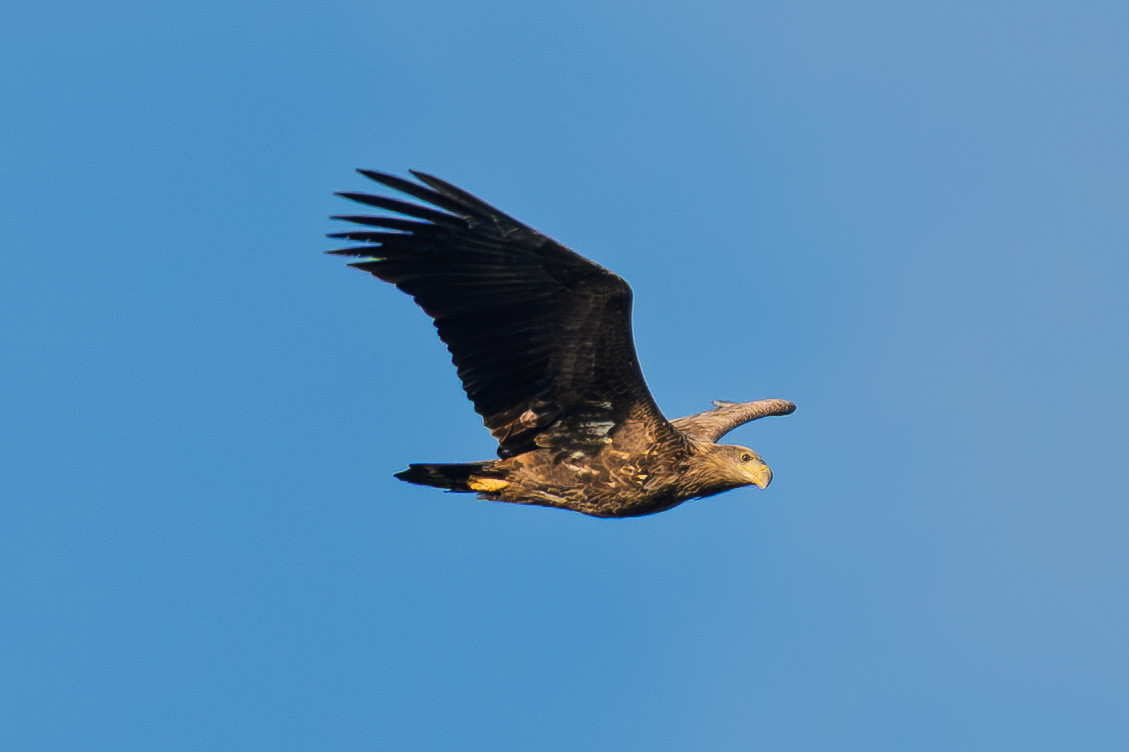

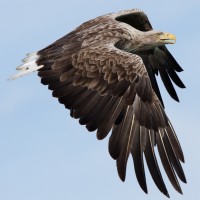
On the edge of Amsterdam you have a beautiful view over the Baai van Ballast, located on the IJmeer. A nice spot to observe water birds and white tailed eagle
Ballast Bay is located on the IJmeer, a Bird Directive and Natura 2000 area. As nature compensation for the construction of IJburg in the IJmeer, the area was redesigned in 2011 to be nature-friendly, with shallow water features and space for rugged banks.
History: from the 1970s onwards, the Ballast company extracted sand from this area for the construction of the Venserpolder. During storms, their ships sought shelter in what has since become known as the Baai van Ballast (Bay of Ballast). The Bocht van Ballast (The Ballast Bend) was also formed by the dumping of soil that was released during the demolition of the old concrete bridge over the Amsterdam-Rhine Canal.
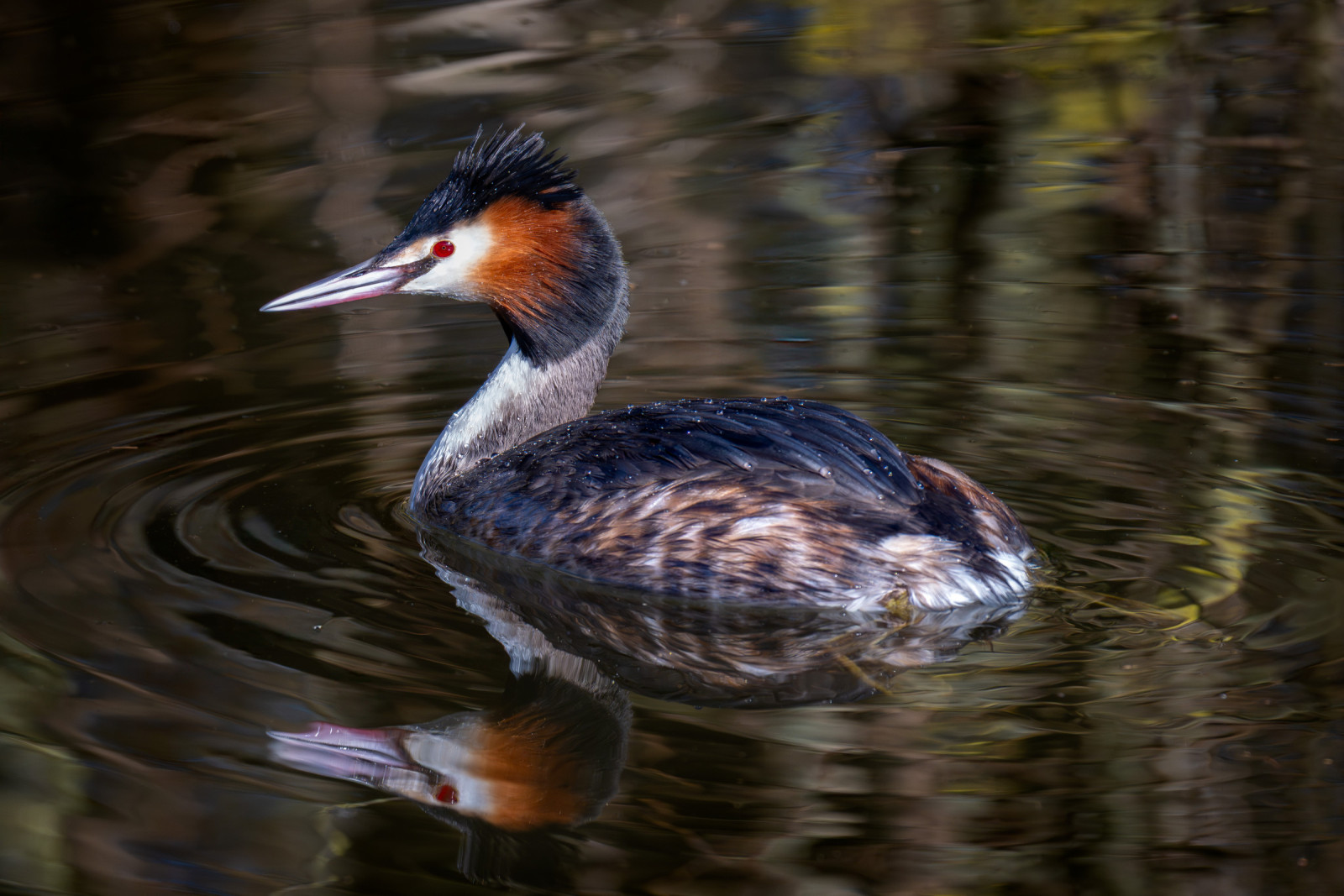
What began as an area for sand extraction and soil dumping developed into a special piece of nature. The shallow waters and rugged banks quickly attracted birds, and the Baai van Ballast grew into an unexpected bird sanctuary on the outskirts of Amsterdam. With the motorway (A1) running behind you, you wouldn't immediately expect this, but from the dyke you have a beautiful view over the water. Because it is a sheltered bay, it offers a nice place for water birds to forage in peace. There are always many Grèbe huppé and various species of ducks. The banks provide space for reed birds. The Pygargue à queue blanche and Faucon hobereau are regularly seen here and, during migration season, with a bit of luck, you may spot an Balbuzard pêcheur.
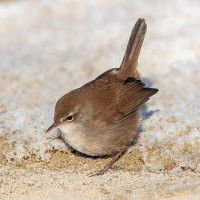
During the breeding season, the reeds are inhabited by species such as the Phragmite des joncs, Rousserolle effarvatte and Bouscarle de Cetti. Species such as the Pouillot véloce, Pouillot fitis and Fauvette à tête noire breed in the inaccessible, rapidly growing forest. You may also spot the Gros-bec casse-noyaux and Gobemouche gris here. In 2023 and 2024, the Pygargue à queue blanche bred in Amsterdam for the first time in the tall trees on the west side of the wooded island.
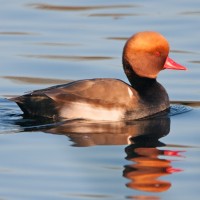
Outside the breeding season, the shallow and sheltered bay provides food and shelter for water birds. Various species of ducks, grebes and mergansers find rest here.
Opportunities: Thanks to the nature compensation for IJburg in 2011, the Baai van Ballast and the Kruithoorn have been able to develop into valuable bird and nature areas. The fact that even the white-tailed eagle feels at home here is a good sign. The inaccessible piece of forest in the bay is an area to be cherished. Closing the bay to fishermen and recreational boats would benefit the birds' peace and quiet.
Threats: The recent expansion of Muiden and Weesp and the increased accessibility of the area threaten the peace and quiet of the birds in the reeds and the bay. Now that the footpath will run entirely along the dyke from 2026, walkers and (stray?) dogs will be in full view. Fishermen and recreational boats in the sheltered bay also cause disturbance.
_________________________
Nederlands:
Let op: De Diemerzeedijk, die vanaf de Vijfhoek langs de Baai van Ballast en de Kruithoorn richting Muiden loopt, is de komende zes maanden afgesloten. De weg is van augustus tot eind december 2025 niet toegankelijk vanwege de aanleg van een gescheiden fiets- en voetpad. Na voltooiing van de werkzaamheden kunnen wandelaars gebruikmaken van het halfverharde grindpad over de dijk en krijgen fietsers een eigen fietspad achter de dijk, dat ook het hele jaar door open is. De Natuurboulevard wordt via Muiden doorgetrokken naar Muiderberg.
De Baai van Ballast ligt aan het IJmeer, een Vogelrichtlijn- en Natura 2000-gebied. Als natuurcompensatie voor de aanleg van IJburg in het IJmeer is het gebied in 2011 natuurvriendelijk ingericht met ondiepe waterpartijen en ruimte voor ruige oevers.
Vanaf de jaren ’70 won de firma Ballast in dit gebied zand voor de aanleg van de Venserpolder. Hun schepen zochten bij storm beschutting in wat sindsdien bekendstaat als de Baai van Ballast. Ook de Bocht van Ballast kreeg zijn vorm door het storten van grond die vrijkwam bij de sloop van de oude betonnen brug over het Amsterdam-Rijnkanaal.
Wat begon als een werkgebied van zandwinning en grondstort, ontwikkelde zich tot een bijzonder stukje natuur. De ondiepe waterpartijen en ruige oevers trokken al snel vogels aan en groeide de Baai van Ballast uit tot een onverwachte vogelplek aan de rand van Amsterdam. Met de snelweg (A1) die achter je loopt zou je dit niet direct verwachten, maar vanaf de dijk heb je mooi uitzicht over het water. Omdat het een afgeschermde baai is, biedt deze een beschutte plek voor watervogels om rustig te fourageren. Standaard zitten er veel Grèbe huppé en verschillende eendensoorten. De oevers bieden ruimte voor rietvogels. De Pygargue à queue blanche en Faucon hobereau worden er regelmatig gezien en tijdens de trektijd komt er met wat geluk een Balbuzard pêcheur voorbij.
Tijdens het broedseizoen wordt het riet bewoond door onder andere Phragmite des joncs, Rousserolle effarvatte en Bouscarle de Cetti. In het ontoegankelijke opschietende bos broeden soorten als Pouillot véloce, Pouillot fitis en Fauvette à tête noire. Ook heb je hier kans op Gros-bec casse-noyaux en Gobemouche gris. In de hoge bomen aan de westkant van het beboste eiland broedde in 2023 en 2024 de Pygargue à queue blanche voor het eerst in Amsterdam.
Buiten het broedseizoen biedt de ondiepe en beschutte baai voedsel en beschutting voor watervogels. Verschillende soorten eenden, futen en zaagbekken vinden hier hun rust.
Kansen: Dankzij de natuurcompensatie voor IJburg in 2011 hebben de Baai van Ballast en de Kruithoorn zich kunnen ontwikkelen tot waardevolle vogel- en natuurgebieden. Dat zelfs de Zee-arend zich er op zijn gemak voelt, is een goed teken. Het ontoegankelijke stukje bos in de baai is een gebied om te koesteren. Het afsluiten van de baai voor vissers en recreatiebootjes zou de rust van de vogels ten goede komen.
Bedreigingen: De recente uitbreidingen van Muiden en Weesp en het toegankelijker maken van het gebied bedreigen de rust van de vogels in het riet en de baai. Nu het voetpad vanaf 2026 in z'n geheel over de dijk loopt, zijn wandelaars en (loslopende?) honden steeds vol in het zicht. Ook vissers en recreatiebootjes in de afgeschermde baai zorgen voor verstoring.
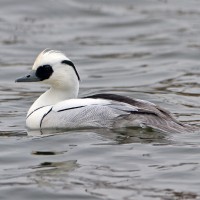
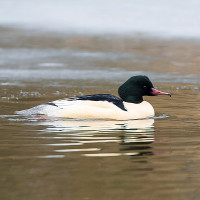
The Baai van Ballast is located on the edge of Amsterdam between the towns of Diemen and Muiden. From the parking lot you walk via the cycle path along some woods where the Bouscarle de Cetti, Chardonneret élégant, Linotte mélodieuse and Verdier d'Europe can often be heard. After 100 meters you come to a T-junction. Here you can walk up the dike and look out over the water. Here are some woods and reeds where the Tarier pâtre can be seen. In winter, Harle bièvre and Harle piette regularly can be seen here.
Once you are on the dyke, continue eastwards. A flock of sheep grazes on the dyke. The semi-paved footpath across the dyke will open in early 2026.
On the right-hand side of the dyke is the cycle path and a meadow with regular meadow birds. Further on, you can climb back onto the dyke to enjoy the view over Ballast Bay. It is worth bringing a telescope with you.
If you continue along the dyke past the small wooded area on the water's edge, after 500 metres you will look out over a second bay. This is the Kruithoorn. The water in front of the breakwater parallel to the dyke offers water birds shelter from the wind.
_________________________
Nederlands: De Baai van Ballast ligt aan de rand van Amsterdam tussen Diemen en Muiden. Vanaf de parkeerplek loop je via het fietspad langs wat bosjes waar de Bouscarle de Cetti, Chardonneret élégant, Linotte mélodieuse en Verdier d'Europe zich vaak laten horen. Na 100 meter kom je bij een T-splitsing. Hier kan je de dijk oplopen en alvast uitkijken over het water. Hier zijn wat bosschages en riet waar de Tarier pâtre zich laat zien. In de winter zitten hier regelmatig Harle bièvre en Harle piette.
Zodra je op de dijk bent, vervolg je je weg in oostelijke richting. Op de dijk graast een kudde schapen. Begin 2026 wordt het halfverharde voetpad over de dijk geopend.
Aan de rechterkant van de dijk bevindt zich het fietspad, en weide met regelmatig weidevogels. Verderop kan je weer de dijk op om uitzicht te hebben over de Baai van Ballast. Het loont om hier een telescoop mee te nemen.
Als je de dijk langs het stukje bos aan de waterkant vervolgt, kijk je na 500 meter uit over een tweede baai. Dit is de Kruithoorn. Het water voor luwtedam parallel aan de dijk biedt watervogels beschutting tegen de wind.
 ) Insérez les noms d'oiseau dans votre langue. Ils seront automatiquement traduits pour les autres usagers !
Votre feedback sera transmis à l’auteur.rice de cette zone et à l’équipe éditoriale de Birdingplaces, qui l’utiliseront pour améliorer la qualité des informations. (Vous souhaitez publier un commentaire visible en bas de page ? Fermez cette fenêtre et choisissez l’Option 1 : « Publier un commentaire, un conseil ou une observation ».)
Veuillez fournir des suggestions d'améliorations ou d'ajouts au texte de ce site ornithologique.
Veuillez fournir vos suggestions d'améliorations ou d'ajouts à la carte.
Veuillez fournir des suggestions d'améliorations ou d'ajouts à la liste des oiseaux.
Cliquez sur l'icône de l'oiseau () Insérez les noms d'oiseau dans votre langue. Ils seront automatiquement traduits pour les autres usagers !