
Charger images
Les formats d'image autorisés sont de type jpeg, png ou gif
La taille maximale du fichier doit être de 20MB
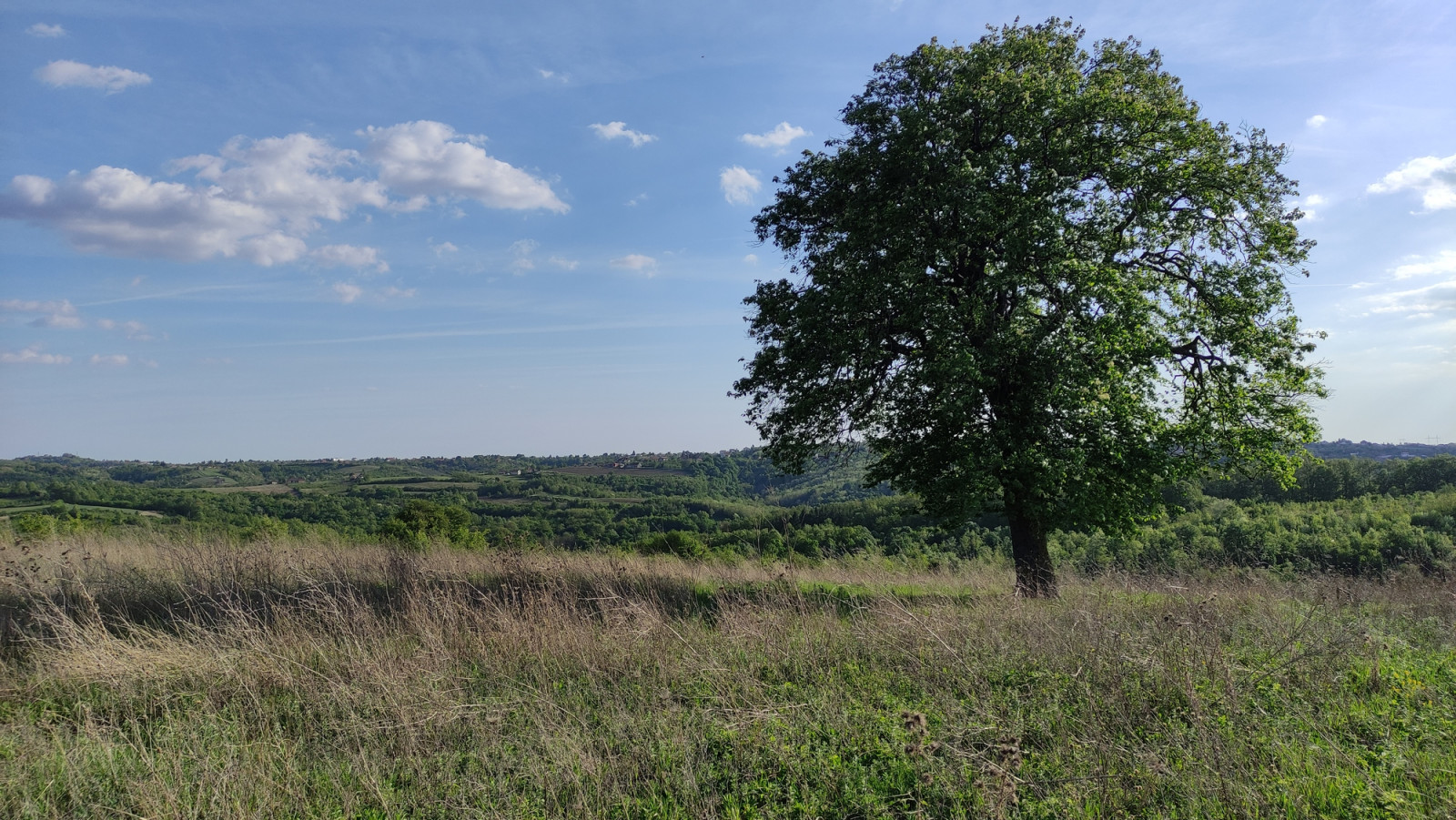
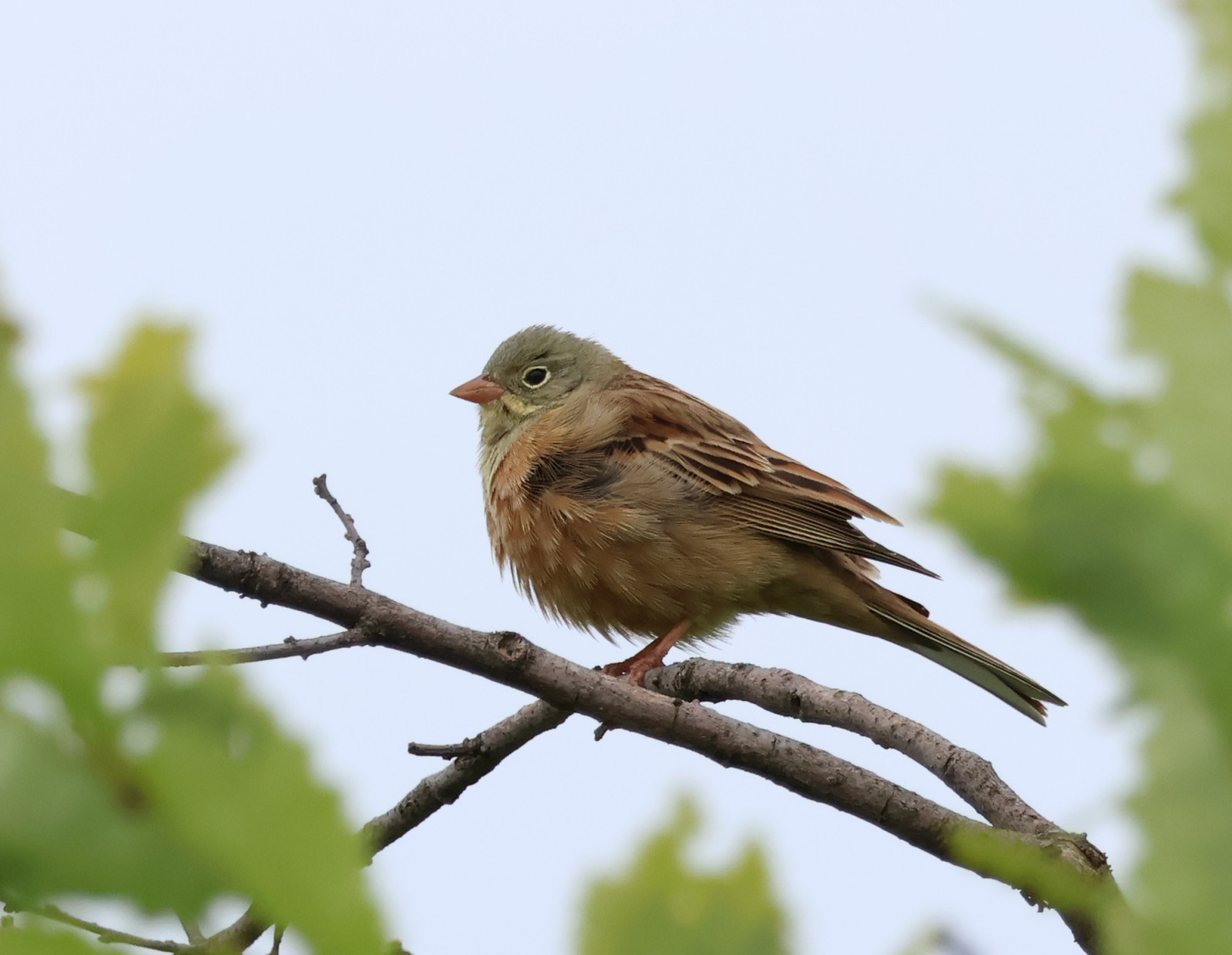
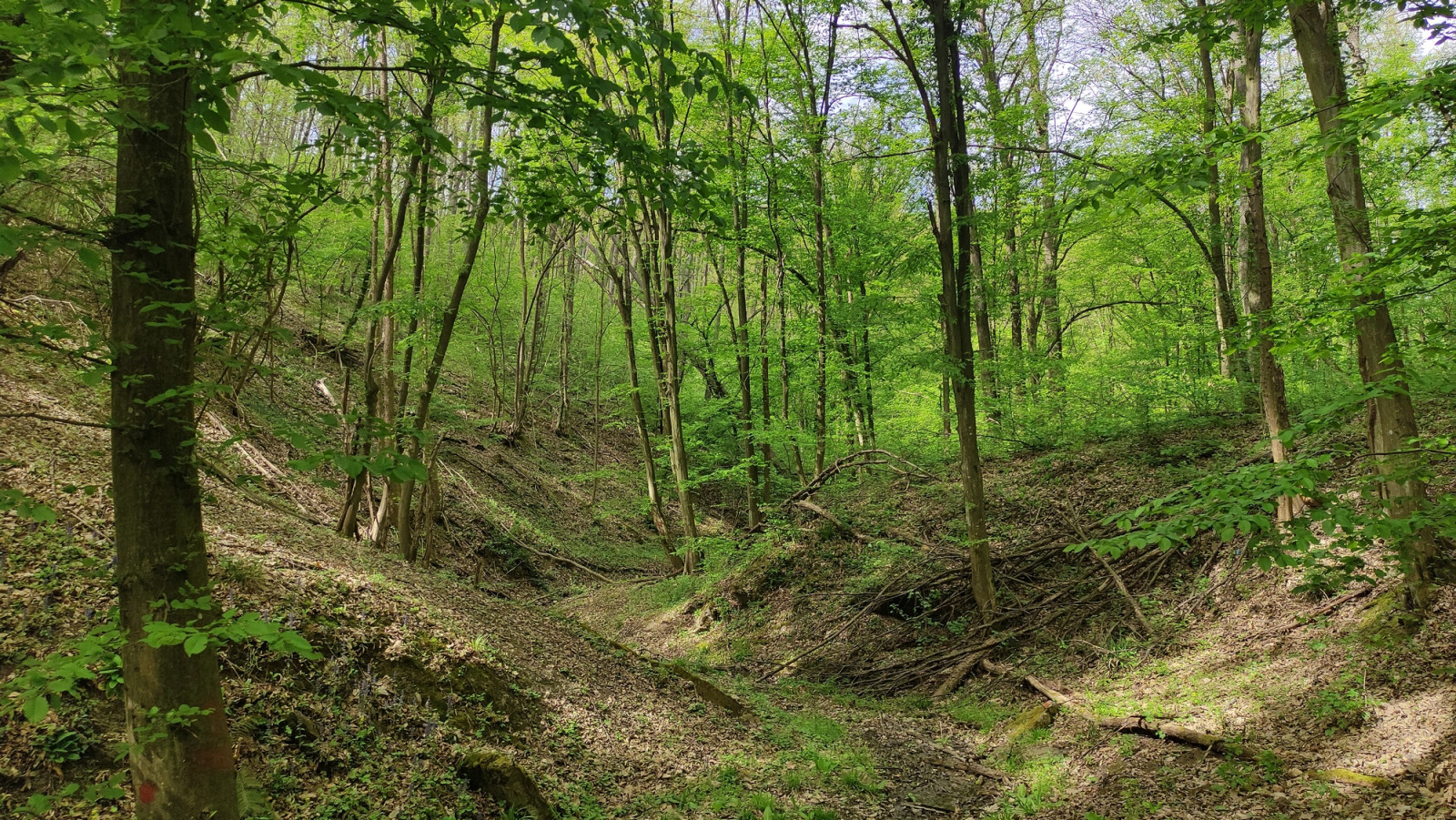
Some of the best wildflower meadows and oak and hornbeam woodlands near Belgrade. A pocket of wilderness in an otherwise agricultural landscape.
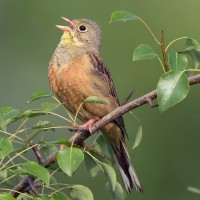
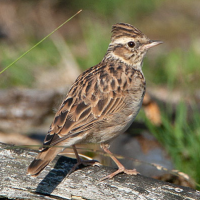
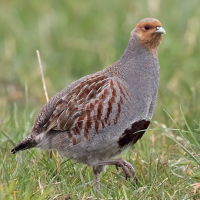
The hilly country around the small hamlet of Bela Reka, southwest of the much visited Mt. Avala nature reserve, is a traditional farming landscape. One of a few remaining pockets of the grassland and woodland mosaic that used to cover the countryside south of Belgrade, before intensive agriculture and widespread development. Here you can stroll across grassy meadows rich in wildflowers and insect life, perfect habitat for grassland-loving species such as Bruant ortolan (Bela Reka has one of the largest concentrations of this species around the capital), Bruant jaune, Tarier des prés, Alouette lulu, Caille des blés and Perdrix grise.
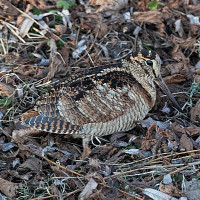
Bordering the meadows are well-preserved, diverse hedges which harbor many nesting Pie-grièche écorcheur, Rossignol philomèle and Fauvette grisette. In winter, being rich in sloe and hawthorn berries, these hedges attract flocks of Grive litorne, Grive mauvis, Grive draine and in some years Jaseur boréal. Right next to these open landscapes are shady woods of oak and hornbeam, criss-crossed with small streams, where breeding Pic noir, Pic mar, and migrating Gobemouche à collier and Gobemouche noir in spring are guaranteed. Also breeding in these woods is Bécasse des bois which may be heard and observed on spring evenings. You are also very likely to see Autour des palombes, hunting in low flight over the fields and hedges, and soaring Bondrée apivore.
You can take the bus 407 (enter at Banjica at the start of the bus route and exit at the last stop), or get there by car (park next to the abandoned factory - the same place where the last bus stop is). Click on the P in the map for directions or coordinates. The walking route shown on the map is about 6 km.
 ) Insérez les noms d'oiseau dans votre langue. Ils seront automatiquement traduits pour les autres usagers !
Votre feedback sera transmis à l’auteur.rice de cette zone et à l’équipe éditoriale de Birdingplaces, qui l’utiliseront pour améliorer la qualité des informations. (Vous souhaitez publier un commentaire visible en bas de page ? Fermez cette fenêtre et choisissez l’Option 1 : « Publier un commentaire, un conseil ou une observation ».)
Veuillez fournir des suggestions d'améliorations ou d'ajouts au texte de ce site ornithologique.
Veuillez fournir vos suggestions d'améliorations ou d'ajouts à la carte.
Veuillez fournir des suggestions d'améliorations ou d'ajouts à la liste des oiseaux.
Cliquez sur l'icône de l'oiseau () Insérez les noms d'oiseau dans votre langue. Ils seront automatiquement traduits pour les autres usagers !