Charger images
Les formats d'image autorisés sont de type jpeg, png ou gif
La taille maximale du fichier doit être de 20MB
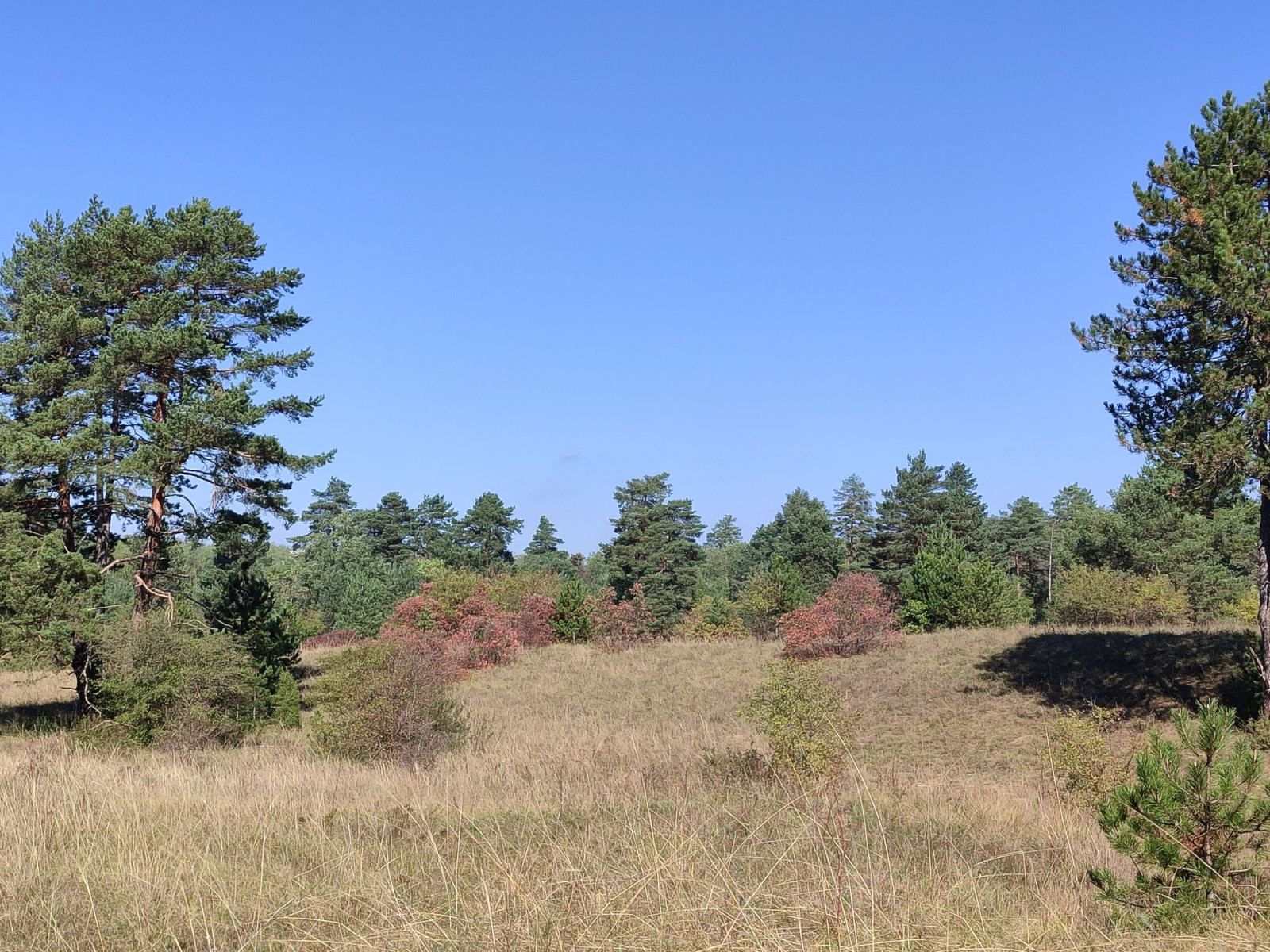
The special nature reserve Deliblato Sands (Serbian: Deliblatska pescara) lies about an hour east of Belgrade.
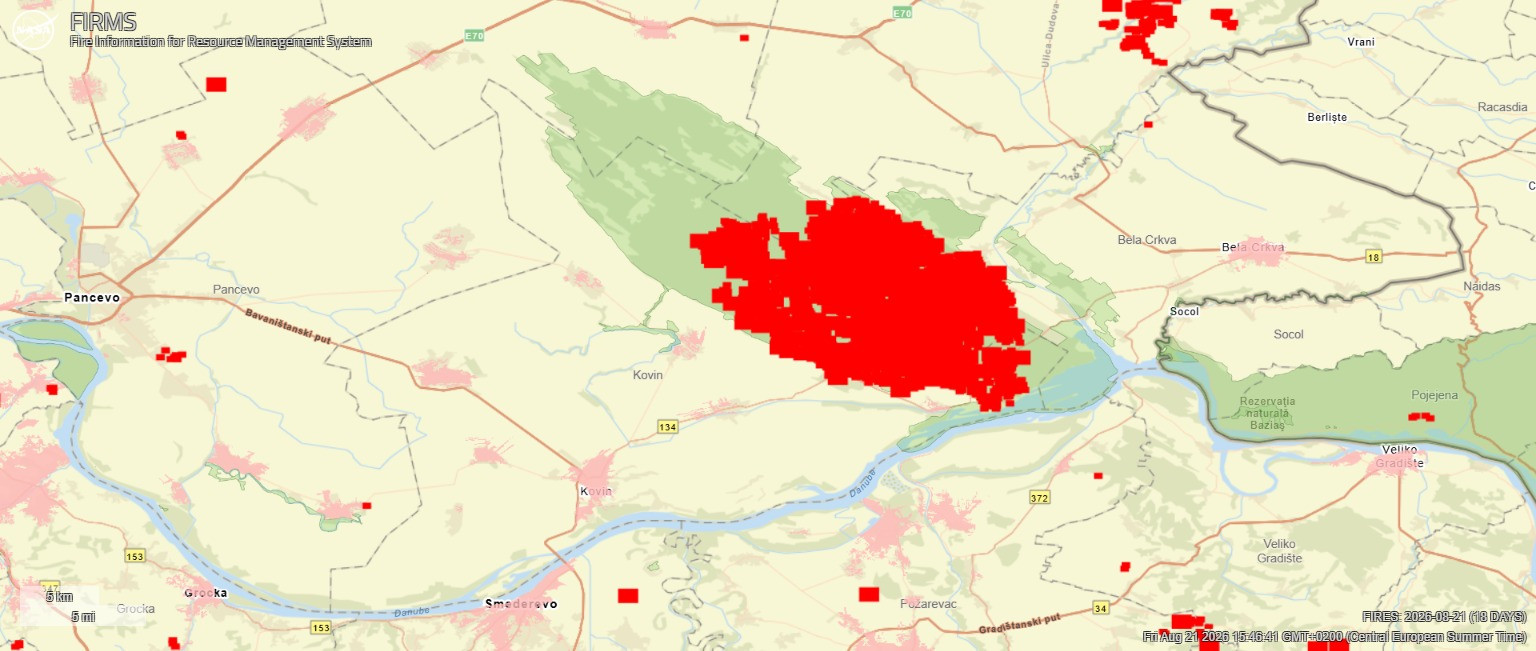
SOME AREAS ARE CLOSED TO VISITORS (see the update below)!
Deliblato Sands Nature Reserve is so conveniently close to Belgrade city that you can choose to go only for the morning and to be back by noon, or to spend the entire day in the sands. Covered by grazing pasture, steppic habitats, woodland, scrub, conifer plantations, vineyards and agricultural land, the Deliblato Sands Important Bird Area and a Special Nature Reserve comprises an elongated tract of sand, spreading from the Danube River northwest towards Vladimirovac and Banatski Karlovac villages. More than half of the area of Deliblato Sands is now overgrown with planted forest of Locust Tree, Austrian Pine and Scots Pine. Juniper is the only conifer indigenous to the area. It was gazetted as a nature reserve in 1977.
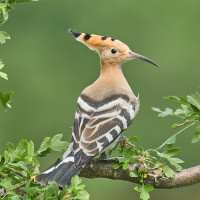
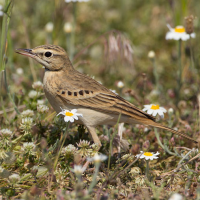
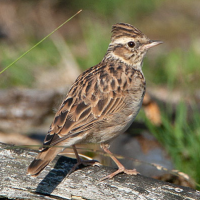
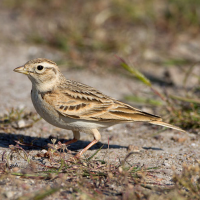
About 180 bird species have been recorded here, among them Râle des genêts, Engoulevent d'Europe, Circaète Jean-le-Blanc, Bondrée apivore, Buse féroce, Aigle botté, Busard cendré, Guêpier d'Europe, Petit-duc scops, Huppe fasciée, Torcol fourmilier, Pic vert, Pic cendré, Pie-grièche écorcheur, Pie-grièche à poitrine rose, Cochevis huppé, Alouette lulu, Pipit rousseline, Fauvette épervière, Loriot d'Europe, Rossignol philomèle, Gros-bec casse-noyaux, etc. Generally, the best birding is in ecotones where forest meets grassland, and wherever there is any source of water.
Other wildlife is characterized by species of steppe habitats. When butterflying Deliblato Sands and nearby Labudovo Okno Reserve, look out for Southern Festoon Z. polyxena, Clouded Apollo P. mnemosyne, Danube Clouded Yellow C. myrmidone, Large Copper L. dispar, Green-underside Blue G. alexis. Bats iclude threatened Geoffroy's bat Myotis emarginatus, Natterer's bat M. nattereri, and Brown long-eared bat Plecotus auritus. Forests are inhabited by Red Deer, Wild Boar and Golden Jackal. Grasslands hold rarities like Ground Squirrel, Mole Rat and Steppe Gerbil - all of them highly threatened.
Be sure to bring at least a litre of water per person. You can restock at petrol stations, but do not count on village shops with their erratic opening hours.
AUGUST 2026 UPDATE: The southern half of the reserve (the red zone) has been severely affected, due to high temperatures and winds, by forest fires that are still burning, and are closed to the public!
The best access roads are from Dolovo village to Volovska Paša pasture (1 at the map) – in the arable fields en route, look out for the highly localised Alouette calandrelle, from Deliblato village to Čardak area (2) with its restaurant and a network of marked walking trails, and from Šušara village (3) into surrounding areas (incl. Zagajica Hills). Šušara is reachable from Izbište village; and not from Deliblato, as suggested by Google Maps. Do not try to drive the Deliblato to Šušara “road” (4), unless you are driving a Hummer or similar! Zoom in on the map and click on the "P" (parking) sign for driving directions.
If driving along an unpaved road (99%), be extra careful not to park in the grass and start a wildfire by an overheated exhaust pipe! Also, don’t damage the sensitive steppe vegetation by driving at will: follow only the existing dirt tracks and be careful not to get lost, nor stuck in the sand.
The Čardak area (southwest side, from Pančevo, through Kovin and Deliblato and, then, to Čardak; 60 min from Belgrade) could be the most suitable for short, morning visits because of its closeness to Belgrade and the network of well-marked hiking trails ranging from 3.5 to 15 km (check the map among the photos), followed by excellent Turkish coffee and fresh muffins in the local restaurant (2). The best choice map-wise, an app from the Play Store called Mapy.com shows this network of hiking trails well.
For several days, your best option is the Kaštel Marijeta (Mariette) Guest House (3) in the Šušara Village (eastern side, from Pančevo towards Vršac till Uljma, then right to Izbište, and right again to Šušara; 100 min from Belgrade), in and around the village offering Petit-duc scops, Pic noir, Loriot d'Europe, Pie-grièche à poitrine rose, Cochevis huppé, Hirondelle rousseline, Fauvette épervière, Pipit rousseline, Bruant mélanocéphale, Bruant ortolan, etc. (see the links below).
 ) Insérez les noms d'oiseau dans votre langue. Ils seront automatiquement traduits pour les autres usagers !
Votre feedback sera transmis à l’auteur.rice de cette zone et à l’équipe éditoriale de Birdingplaces, qui l’utiliseront pour améliorer la qualité des informations. (Vous souhaitez publier un commentaire visible en bas de page ? Fermez cette fenêtre et choisissez l’Option 1 : « Publier un commentaire, un conseil ou une observation ».)
Veuillez fournir des suggestions d'améliorations ou d'ajouts au texte de ce site ornithologique.
Veuillez fournir vos suggestions d'améliorations ou d'ajouts à la carte.
Veuillez fournir des suggestions d'améliorations ou d'ajouts à la liste des oiseaux.
Cliquez sur l'icône de l'oiseau () Insérez les noms d'oiseau dans votre langue. Ils seront automatiquement traduits pour les autres usagers !