Charger images
Les formats d'image autorisés sont de type jpeg, png ou gif
La taille maximale du fichier doit être de 20MB
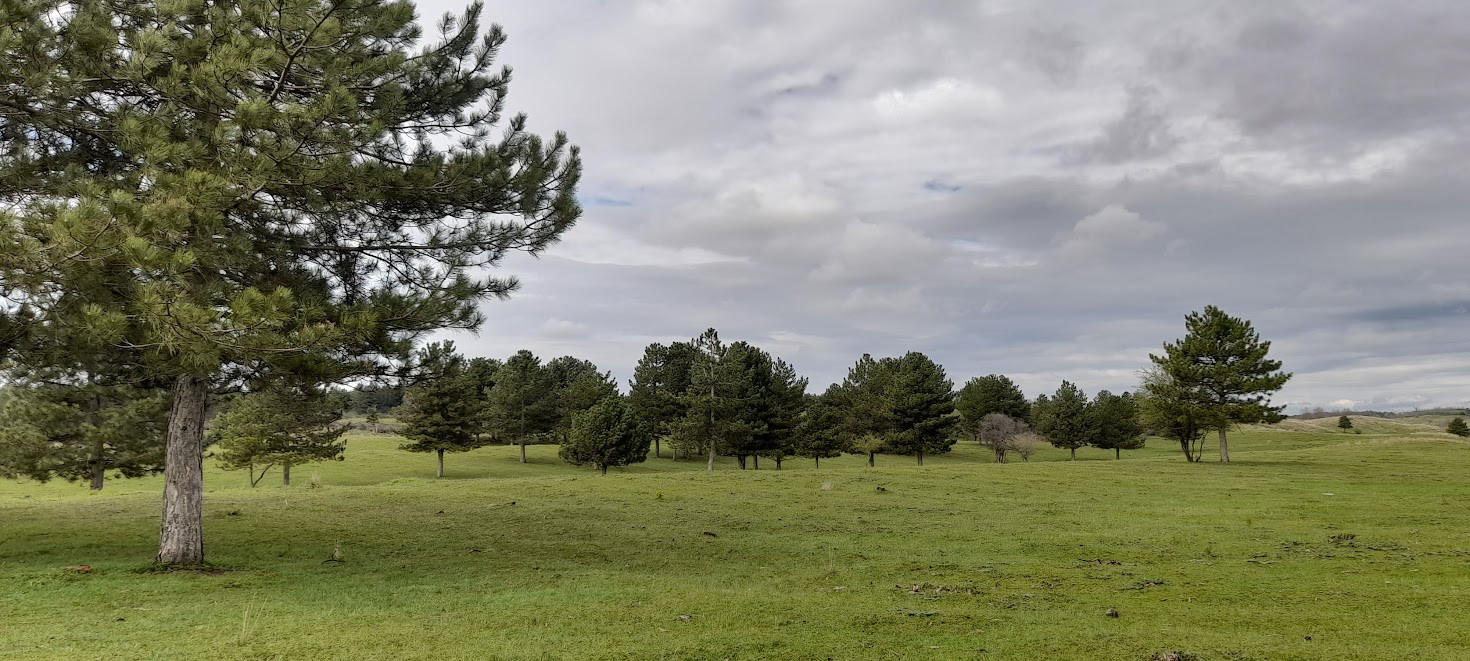
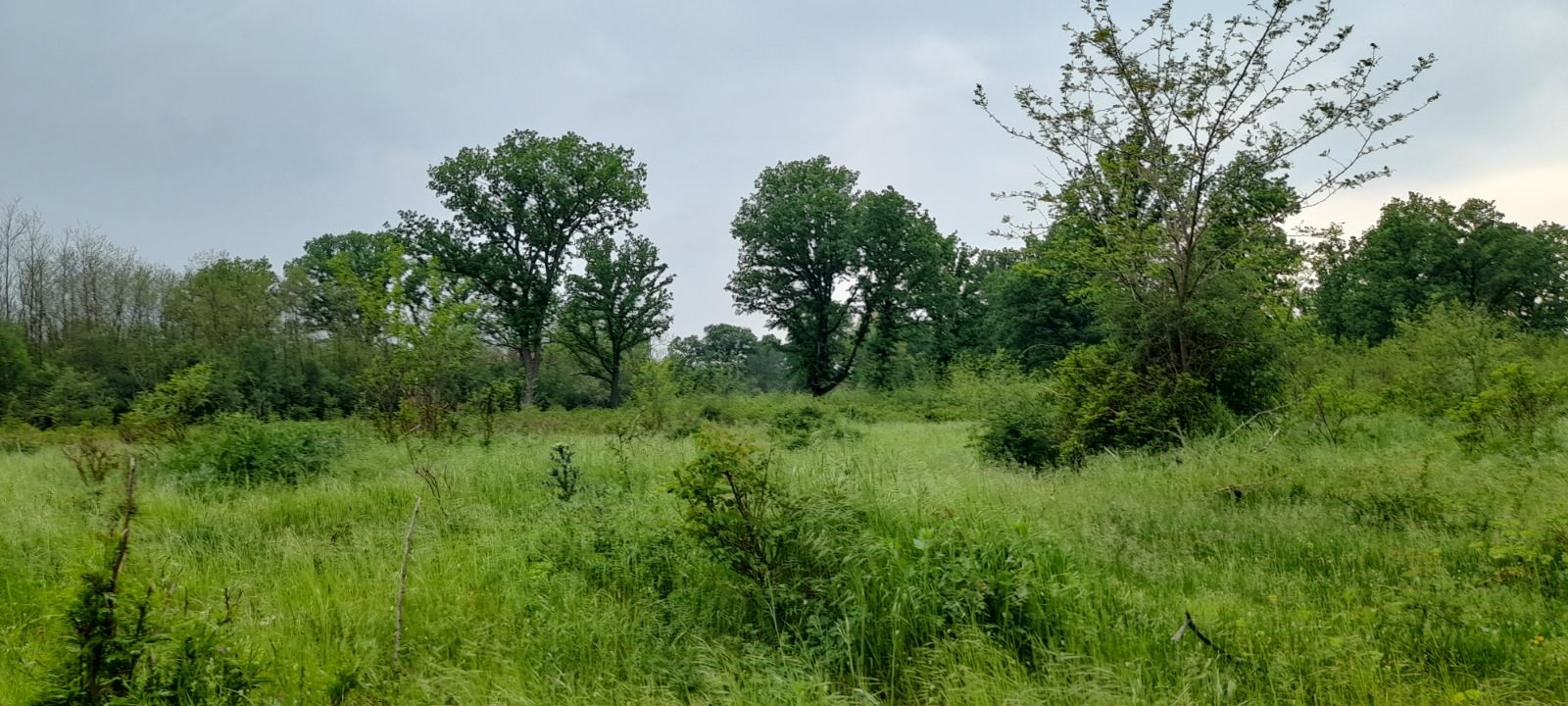
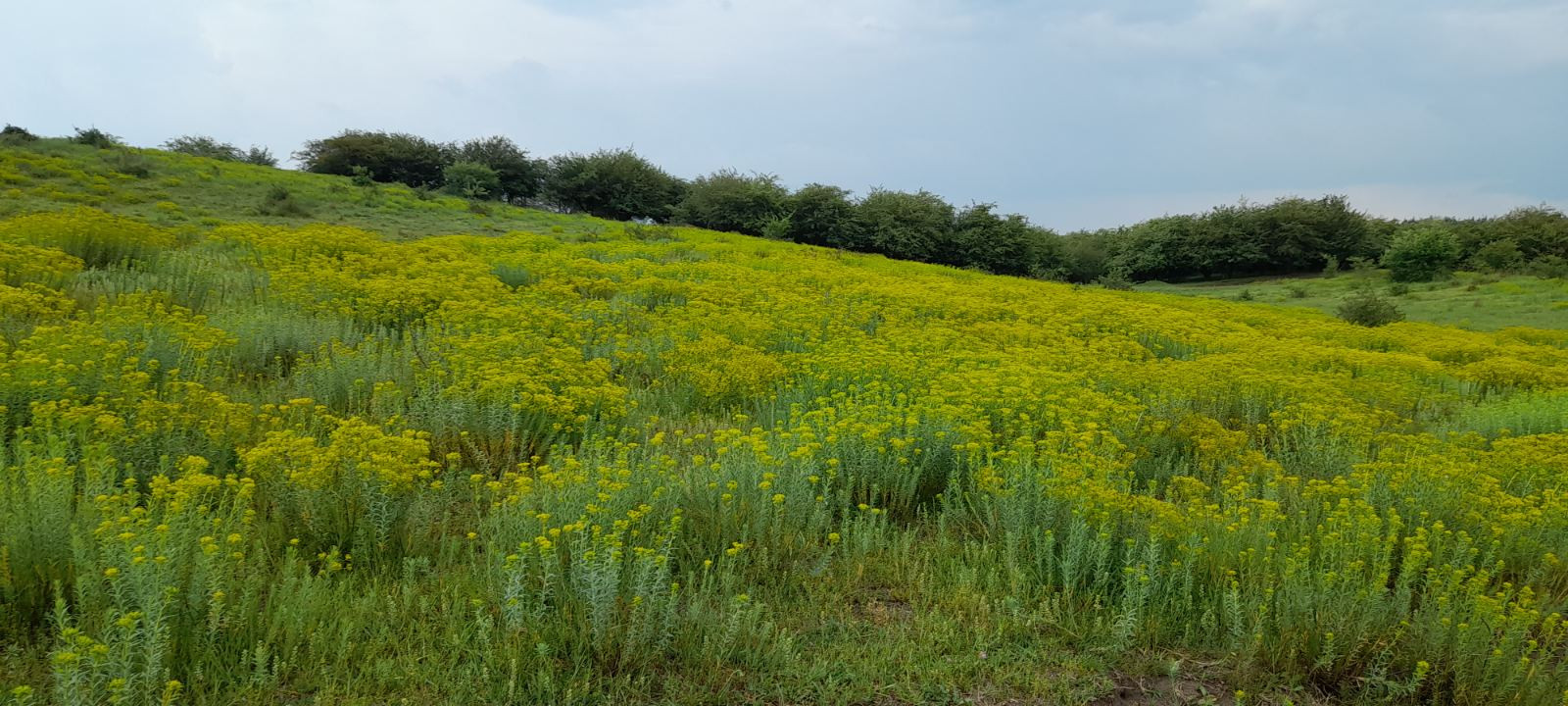
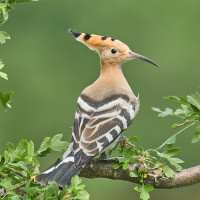
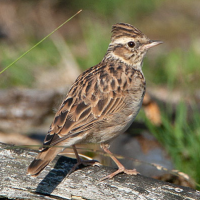
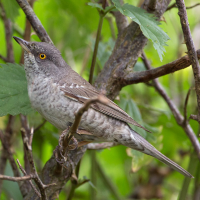
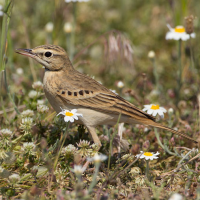
Steppe, scrub and woodland, about an hour’ drive east of Belgrade: Huppe fasciée, Pie-grièche écorcheur, Fauvette épervière, Alouette lulu, Pipit rousseline.
The Deliblato Sands Important Bird Area and a Special Nature Reserve comprises an elongated tract of sand, spreading from the Danube River northwest towards Banatski Karlovac Village. The gradual clearing of scrub at Korn created the largest open area of steppe habitats in the entire reserve, where former plant inhabitants such as the peony [Serbian: stepski božur], are slowly returning.
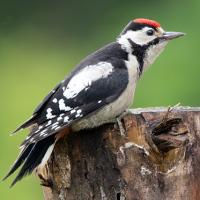
Notable birds include Milan noir, Caille des blés, Tourterelle des bois, Huppe fasciée, Guêpier d'Europe, Pic noir, Pic syriaque, Pie-grièche écorcheur, Alouette lulu, Alouette des champs, Fauvette épervière, Pipit rousseline, Pipit des arbres. In winter, expect Pie-grièche grise, Pipit farlouse, Grive litorne, Grive draine and Grive mauvis.
However damaged, the best access road is from Banatski Karlovac Village. The turn-off lies opposite to the grain silo, east of the village – see the map and click on the "P" for the turn-off directions. In the arable fields en route, look out for Cochevis huppé and the highly localised Alouette calandrelle.
The road from Šušara Village consists of deep and often loose sand, at times doable in high clearance 4x4s only.
If driving along some of the local unpaved tracks, be extra careful not to start a wildfire by an overheated exhaust pipe! Also, don’t damage the sensitive steppe vegetation by driving at will: follow only the existing dirt tracks and be careful not to get lost, nor stuck in loose sand.
Adapted from the media, mostly by Google translate: Northwest of Šušara, "Korn is a steppe area where the 'Orlovac' feeding station was fenced off for protected birds of prey – Faucon sacre, Aigle impérial [both so rare that they are anything but realistic], Pygargue à queue blanche and Aigle pomarin [possible, but I still have to see one] – as well as an observation tower [in reality, unmaintained, rotten and out of use].
It is the largest feeding station for raptors in Serbia, dimensions 120x60m, where food is delivered to threatened bird species throughout the year, especially in the period September-March [in reality, dead animals are delivered so irregularly that raptors do not have the habit of visiting the station].
The gradual clearing of the site created the largest open area of steppe habitats in the entire Deliblato Sands, where former plant inhabitants such as the peony, are slowly returning, and [a dozen] years ago we also reintroduced here the European Ground Squirrel [I have to see one yet], the most important inhabitant of such habitats and an important link in the food chain. Today, 400 sheep and 100 goats graze in this area" [not sure about goats, but some 300 Angus cattle do graze the area].
 ) Insérez les noms d'oiseau dans votre langue. Ils seront automatiquement traduits pour les autres usagers !
Votre feedback sera transmis à l’auteur.rice de cette zone et à l’équipe éditoriale de Birdingplaces, qui l’utiliseront pour améliorer la qualité des informations. (Vous souhaitez publier un commentaire visible en bas de page ? Fermez cette fenêtre et choisissez l’Option 1 : « Publier un commentaire, un conseil ou une observation ».)
Veuillez fournir des suggestions d'améliorations ou d'ajouts au texte de ce site ornithologique.
Veuillez fournir vos suggestions d'améliorations ou d'ajouts à la carte.
Veuillez fournir des suggestions d'améliorations ou d'ajouts à la liste des oiseaux.
Cliquez sur l'icône de l'oiseau () Insérez les noms d'oiseau dans votre langue. Ils seront automatiquement traduits pour les autres usagers !