Charger images
Les formats d'image autorisés sont de type jpeg, png ou gif
La taille maximale du fichier doit être de 20MB
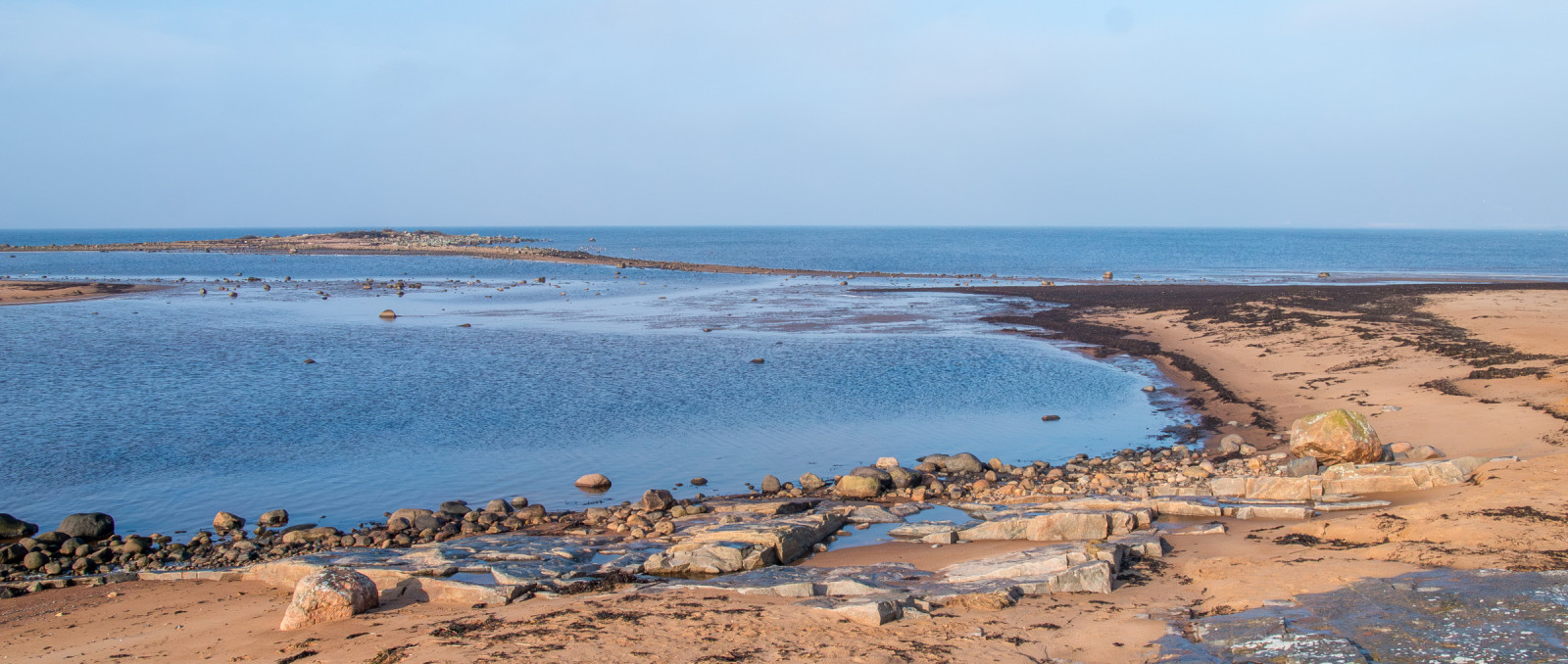
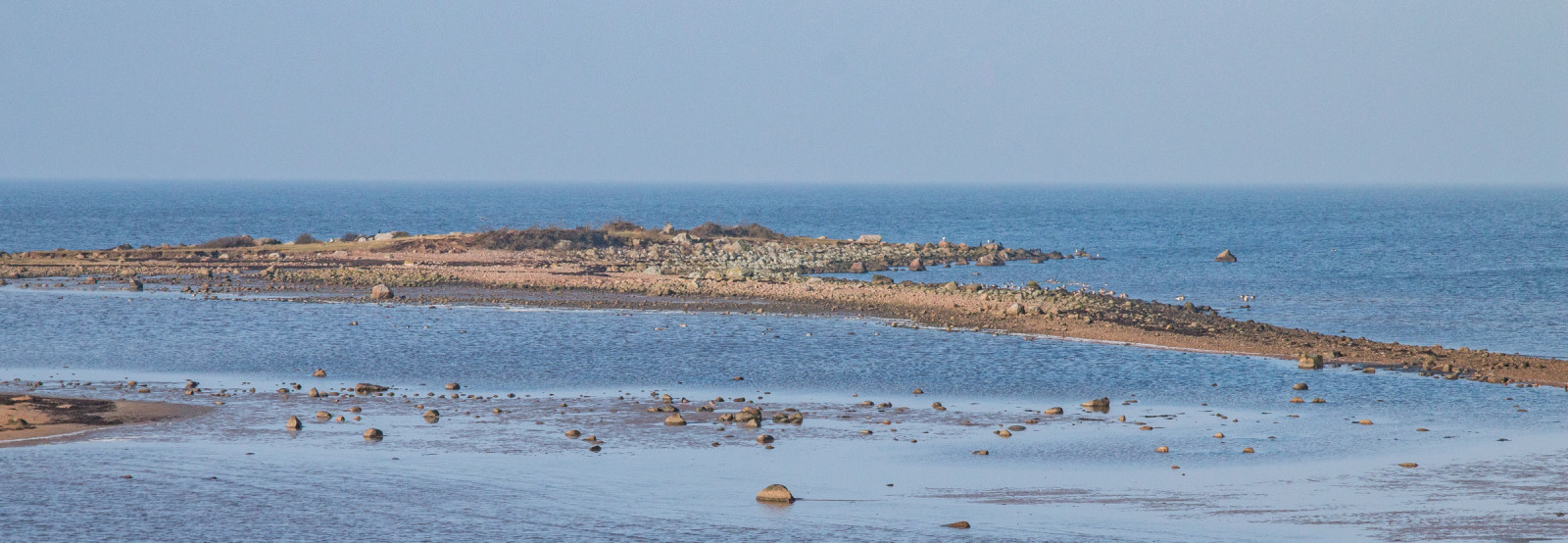
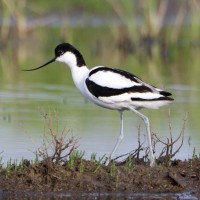
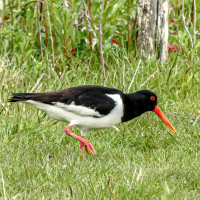
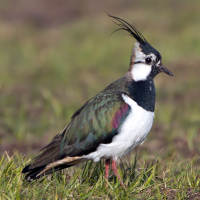
The rocky island that juts into the sea at Påarp is interesting all year round, but it is at its best when large numbers of waders rest there during migration.
Påarp is a very scenic area that is worth a visit regardless of the season. Påarp is primarily a top-notch wader location. During spring and autumn migration, many waders pass and rest here, often in large numbers. The area consists of a lagoon that lies inside two grassy, smaller, connected islands called "Skäret". The surroundings consist of grazed beach meadows alternating with low shrubs. Just south of Skäret, outside "Klapperstensfältet", there is an underwater reef that often attracts large flocks of diving ducks. Adjacent to the area is a newly created wetland just east of the E6, 'Larssons våtmark'.
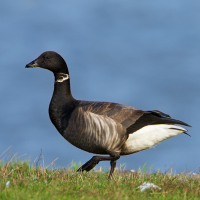
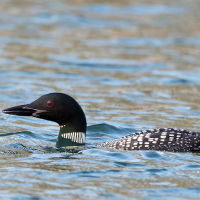
The area is mainly interesting to visit during spring and autumn migration. Then, when the weather changes, they can come down and rest in large numbers inside the lagoon. The site is particularly famous for its large flocks of resting waders in May. But it must be said that the site is a good all-round site for most birds. Ducks such as Eider à duvet, Macreuse noire and Macreuse brune are seen in large numbers resting or out in the bay during much of the year. Divers and grebes are seen almost daily. Bernache cravant and Bernache nonnette also pass and rest at the site during spring migration. Birds of prey pass both in spring and autumn. In the autumn there can also be a lot of gulls and plovers on the beach, especially at night. If you are lucky, there is a rarity among them, for example Goéland pontique, Goéland leucophée or Mouette mélanocéphale. Other resting birds include warblers and pipits.
Rare birds that have been observed in the area include: Sarcelle à ailes bleues, Macreuse à front blanc, Macreuse à bec jaune, Fuligule à bec cerclé, Spatule blanche, Aigrette garzette, Grande Aigrette, Gravelot de Leschenault, Bécassin à long bec, Bécasseau tacheté, Chevalier stagnatile, Bécasseau rousset, Guifette leucoptère, Pipit rousseline, Pipit spioncelle, Traquet pie and Merle à plastron. Eider à tête grise and Plongeon imbrin have been seen almost annually out in the bay. Bécassine sourde may sometimes roost around the wetland at the field to the south.
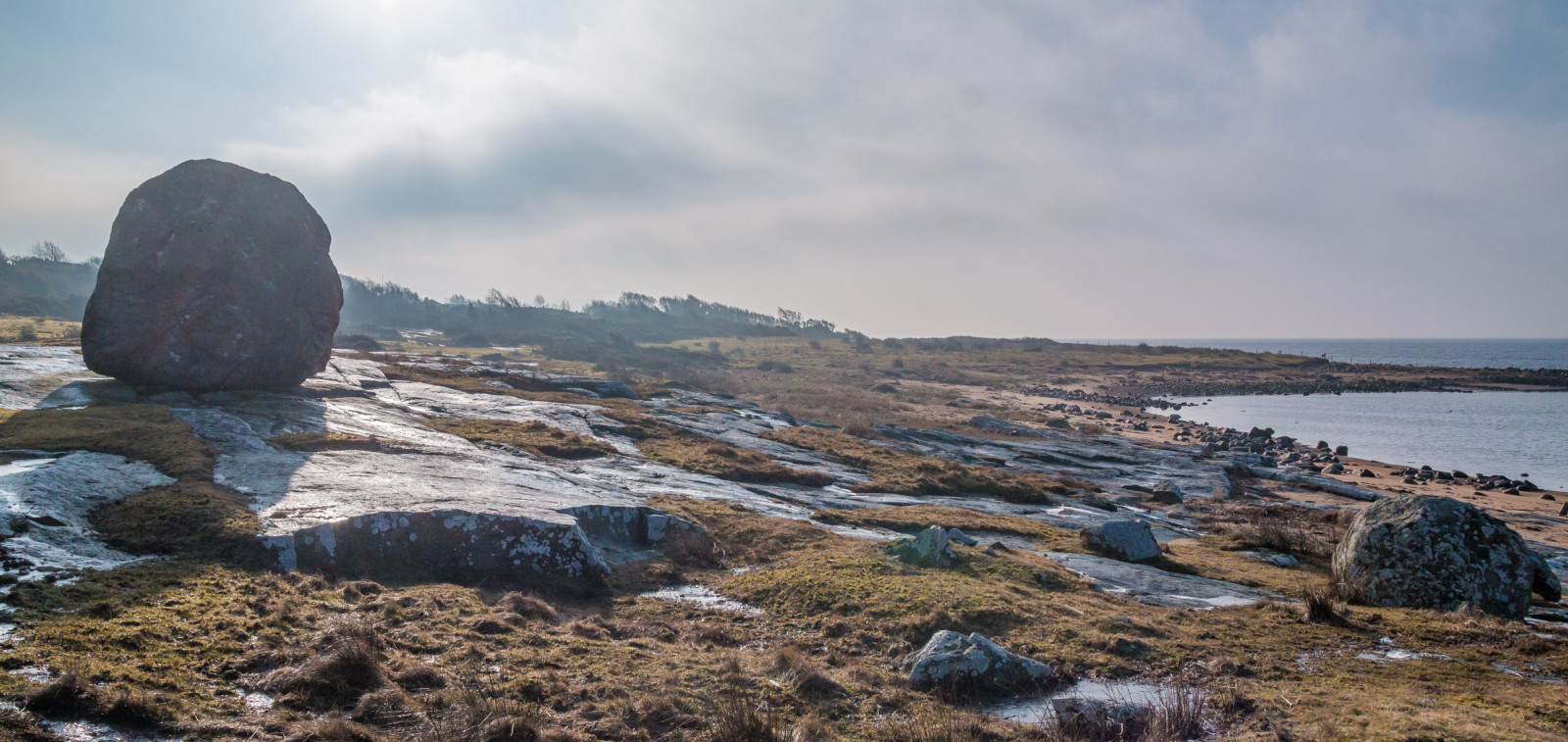
Påarp is located just under 10 km south of Halmstad city centre. From the center of Halmstad, take Laholmsvägen road 117 south towards Laholm to Trönninge. From the E6: Exit at junction 43 at Eurostop and drive south along road 117 past the Trönninge community. Shortly after Trönninge, turn right towards Påarp. Follow the road straight west towards the sea, through a crossroads and under the E6. Follow the road a bit up the hill after the viaduct and then turn right again on a small road, "Strandvallen", down to the parking lot. Press a P on the map for directions to a parking. Go straight out towards the sea through the turnstiles to the best observation point next to the large stone "Slyngesten".
Early mornings during the summer months have good light with the sun at your back. North of Skäret is Trönningestranden, where there are often resting waders and seagulls. In this area, you can also see Hibou des marais and wintering Busard Saint-Martin hunting. There is an information board at the parking lot. To the south there is a larger gravel area and a burial ground to view. Outside this, as mentioned, there are often plenty of diving ducks.
Please respect the bird protection on Skäret, see information on posted signs.
 ) Insérez les noms d'oiseau dans votre langue. Ils seront automatiquement traduits pour les autres usagers !
Votre feedback sera transmis à l’auteur.rice de cette zone et à l’équipe éditoriale de Birdingplaces, qui l’utiliseront pour améliorer la qualité des informations. (Vous souhaitez publier un commentaire visible en bas de page ? Fermez cette fenêtre et choisissez l’Option 1 : « Publier un commentaire, un conseil ou une observation ».)
Veuillez fournir des suggestions d'améliorations ou d'ajouts au texte de ce site ornithologique.
Veuillez fournir vos suggestions d'améliorations ou d'ajouts à la carte.
Veuillez fournir des suggestions d'améliorations ou d'ajouts à la liste des oiseaux.
Cliquez sur l'icône de l'oiseau () Insérez les noms d'oiseau dans votre langue. Ils seront automatiquement traduits pour les autres usagers !