Charger images
Les formats d'image autorisés sont de type jpeg, png ou gif
La taille maximale du fichier doit être de 20MB
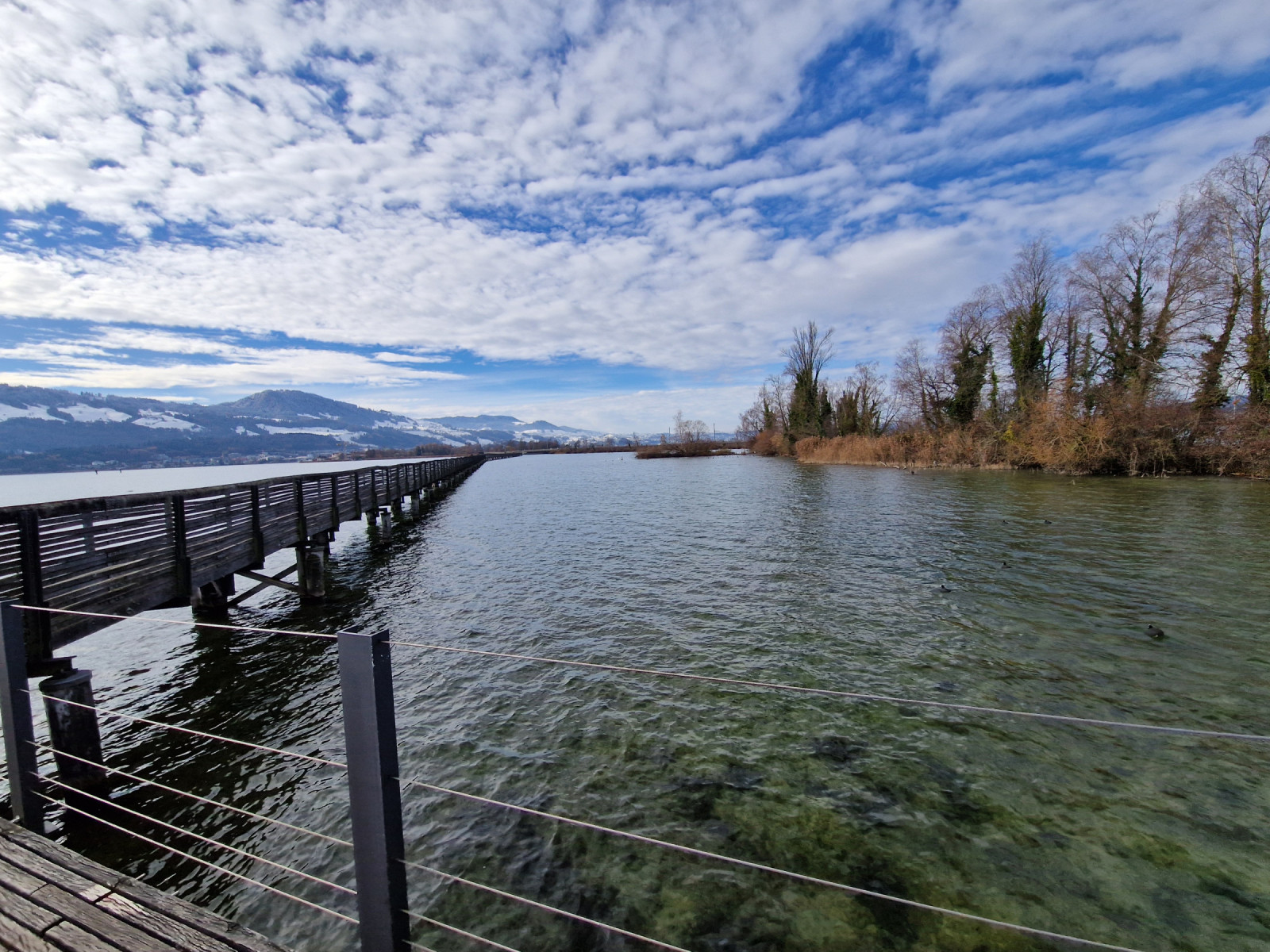
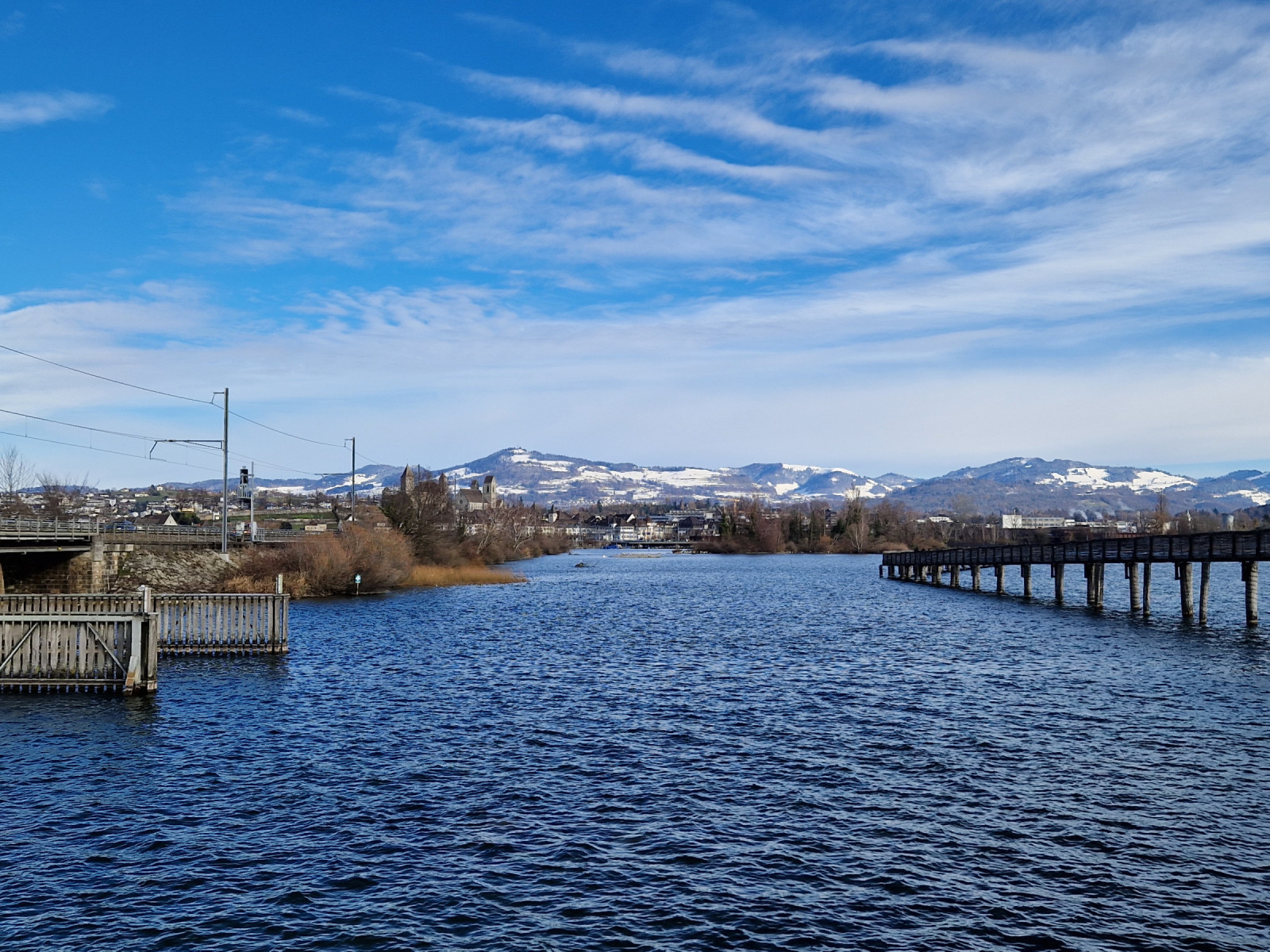
Popular footbridge across the lake with ~250 observed species. Notable for gulls, migrating terns, and water-bound winter guests (divers, ducks, and gulls).
The village of Hurden on the left side of Lake Zurich and the town of Rapperswil on the right side are connected by a railway-and-road causeway and by a wooden footbridge. The latter runs in a semicircle. In the space between the footbridge and the causeway, a gravel island was created. This is intended to replace the habitat destroyed by the construction of the footbridge. A remarkable 250 species have been recorded in the area.
On the Hurden side of the footbridge, there is a point from which you can view the northern part of Lake Zurich in the wind shelter (1). Following the bridge further, you can see the gravel island (2) on one side, and on the other side the southern half of the lake and the bay of Rapperswil (3). At the end of the footbridge, you can see the harbour basin of Rapperswil (4). Unfortunately, the railing of the bridge is a bit too high for most spotting scopes.
The gravel island is an important habitat during both migration and breeding seasons - although only a minuscule replacement for the human-destroyed natural structures. In the early 2000s, when the island was built, Sterne pierregarin bred here, but these were soon displaced by Mouette rieuse and - much to the surprise of ornithologists - by Mouette mélanocéphale, which is a rare breeding bird in Switzerland. In recent years, however, these species were again displaced by the Goéland leucophée, which now dominates the island during the breeding season.
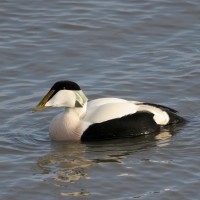
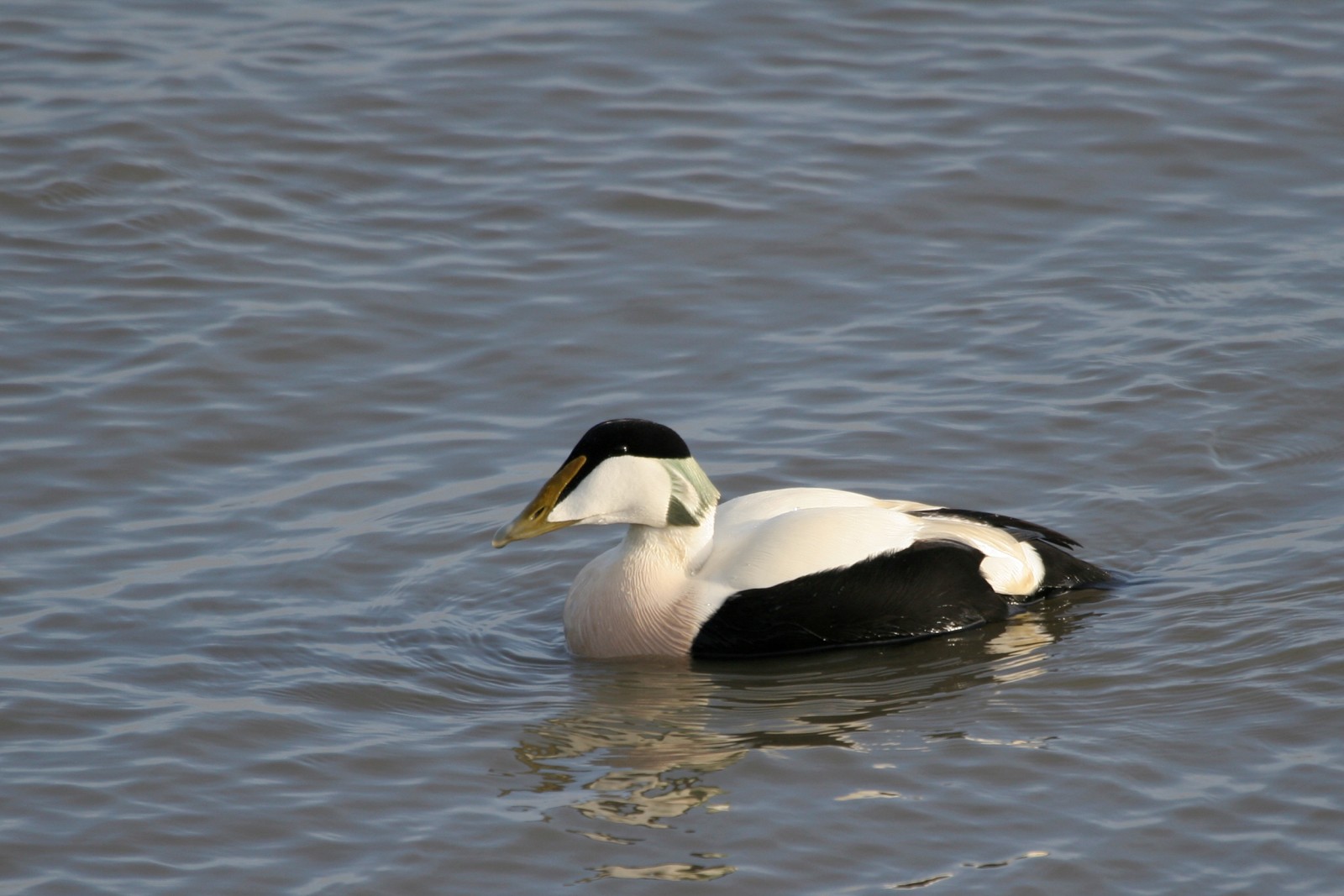
Another special breeding bird in the area is the Eider à duvet, which can be observed year-round. Other nearby-breeding birds include Oie cendrée, Garrot à oeil d'or (which can be seen in large numbers in winter), Grèbe castagneux, Rousserolle turdoïde, and Râle d'eau. Hoped-for breeding of the Chevalier guignette did not occur, although the species is regularly observed. The Courlis cendré , staying at Nuoler Ried, can also be observed year-round in flight in the area; the last breeding in Switzerland occurred on the opposite side of the lake (Frauenwinkel) in 2006.
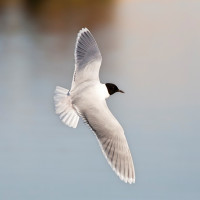
As for migrants, the water here is too deep for waders. Bécasseau variable, Bécassine des marais, Combattant varié, Chevalier gambette, and Chevalier aboyeur are observed, but only rarely. Migrants seen regularly include Rémiz penduline, Busard des roseaux, and Guifette noire, as well as occasionally rarer terns (especially Guifette moustac and Guifette leucoptère are fairly common in spring and autumn). The Mouette pygmée stays even longer and can be observed reliably here.
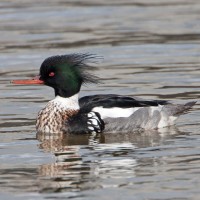
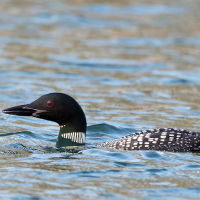
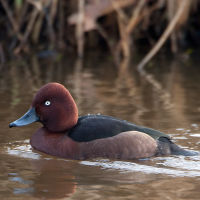
Regarding gulls, winter is the most interesting time. From November onward, Goéland brun, Goéland cendré, the rare Goéland argenté, and occasionally the extremely rare-in-Switzerland Goéland marin join the already-mentioned species. With luck, an attractive wader can then also be seen regularly on the island: the Tournepierre à collier is the latest-arriving member of this group. Among the many diving ducks, the Fuligule milouinan may be found with some luck. The three diver species Plongeon arctique, Plongeon catmarin, and especially Plongeon imbrin - can sometimes be spotted on the lake through a scope. Other noteworthy winter “regulars” are Harle huppé, Grèbe jougris, and Fuligule nyroca.
Finally, rarities found here include Cormoran pygmée, Phalarope à bec large, Grand Labbe, Labbe parasite, Sterne hansel, Mouette tridactyle, Sterne caugek,and Flamant rose.
The island is in an urban, well-connected area. It can be reached from Rapperswil station in 2 minutes by foot or from Hurden station in 5 minutes. Parking usually is scarce, public transport is recommended. A visit can easily be combined with a visit to Frauenwinkel. Lachner Aahorn and Nuoler Ried are close by, too (see the corresponding entries on this site).
Avoid windy conditions if possible. Heat haze above the water can be a serious challenge for scopes even on cold winter days.
A camera has also been installed on the island (see the links section).
 ) Insérez les noms d'oiseau dans votre langue. Ils seront automatiquement traduits pour les autres usagers !
Votre feedback sera transmis à l’auteur.rice de cette zone et à l’équipe éditoriale de Birdingplaces, qui l’utiliseront pour améliorer la qualité des informations. (Vous souhaitez publier un commentaire visible en bas de page ? Fermez cette fenêtre et choisissez l’Option 1 : « Publier un commentaire, un conseil ou une observation ».)
Veuillez fournir des suggestions d'améliorations ou d'ajouts au texte de ce site ornithologique.
Veuillez fournir vos suggestions d'améliorations ou d'ajouts à la carte.
Veuillez fournir des suggestions d'améliorations ou d'ajouts à la liste des oiseaux.
Cliquez sur l'icône de l'oiseau () Insérez les noms d'oiseau dans votre langue. Ils seront automatiquement traduits pour les autres usagers !