Charger images
Les formats d'image autorisés sont de type jpeg, png ou gif
La taille maximale du fichier doit être de 20MB
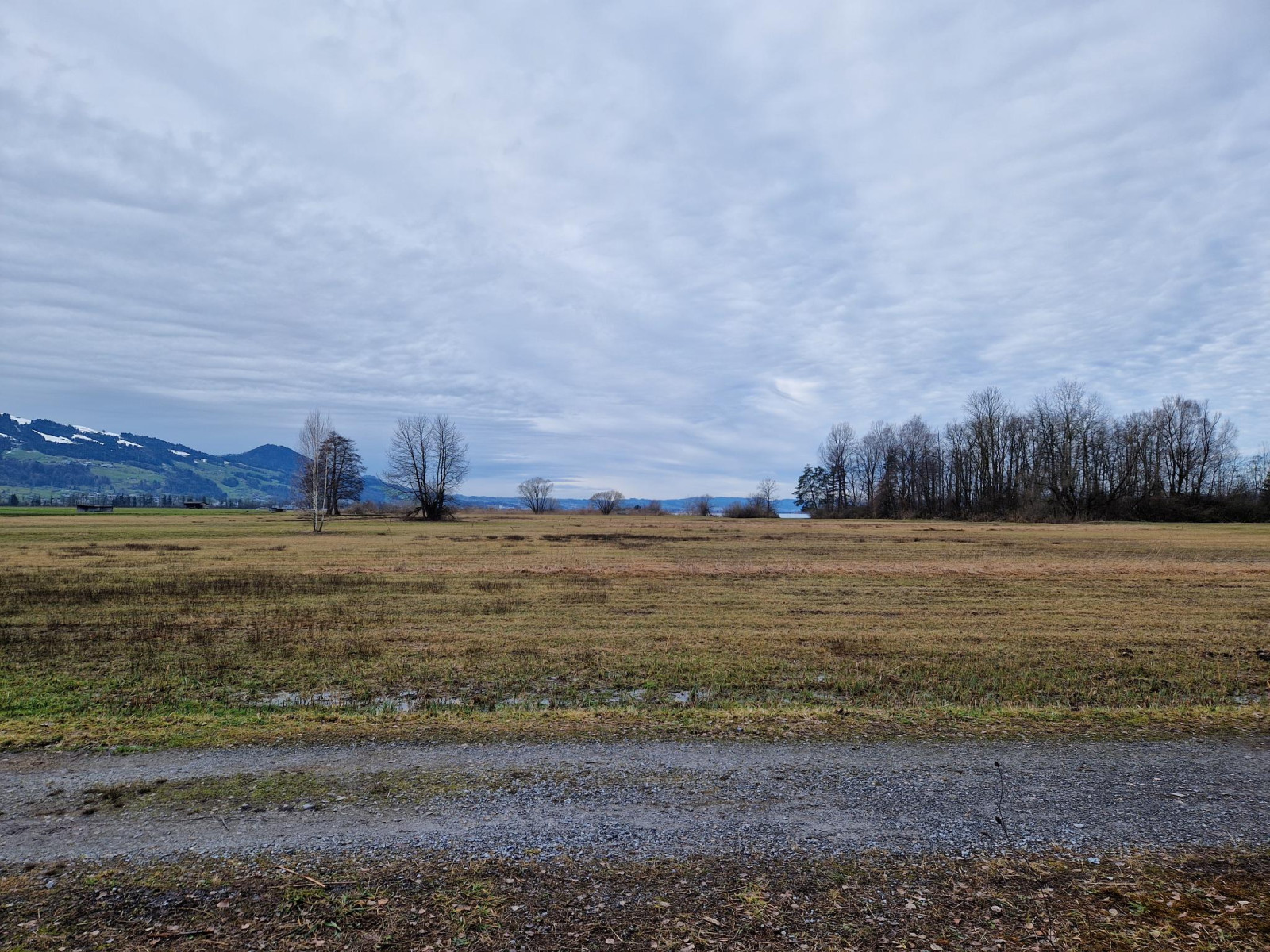
Remnant of an extensively utilised area that gives an idea of how beautiful and rich in biodiversity the Central Plateau once was.
The Nuoler Ried (on E-Bird ‘Nuolener Ried’), a fen, is the eastern end of a meadow area, the largest part of which is the Allmeind between Lachen and Nuolen. The whole area is commonly called "Nuoler Ried". Formerly used extensively for haymaking and important for birds adapted to the agricultural landscape, the ecological importance of this area has now been significantly diminished by exploitation (gravel extraction, agricultural ‘development’ of surrounding areas, permanent disturbance by a sports airport). However, as the situation in the rest of Switzerland is even worse, the area is still worthy of mention. It consists of the aforementioned fen, a natural riparian strip with some alluvial forest and a few hectares of extensively farmed fields. In addition, part of the lake area of Lake Zurich can be seen.
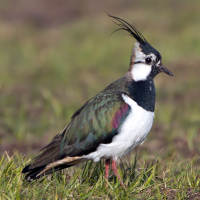
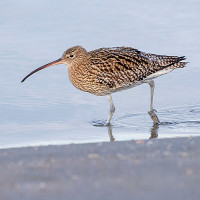
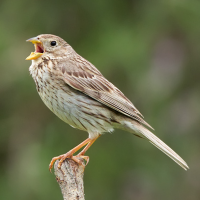
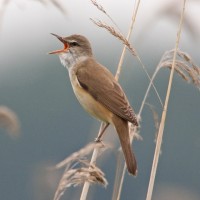
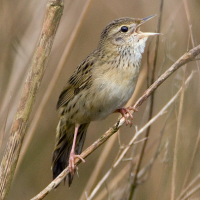
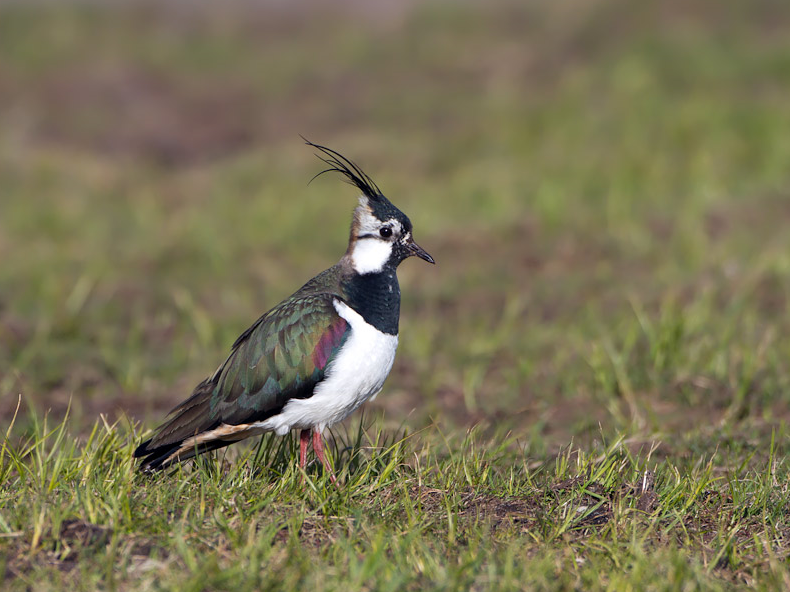
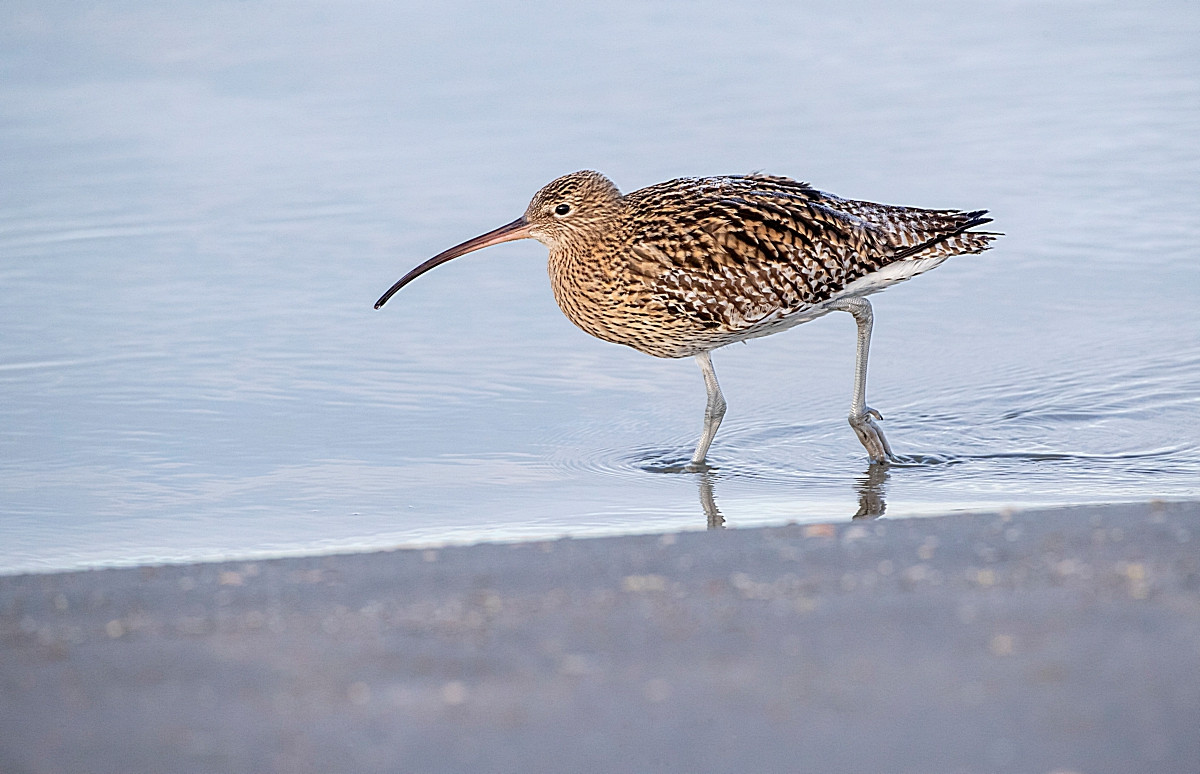
Although the Courlis cendré is extinct as a breeding bird here, as everywhere else in Switzerland, it visits the area almost all year round as a guest. The formerly common Vanneau huppé still breeds sparsely. The Tarier des prés might still be a breeding bird. Rousserolle turdoïde, Locustelle tachetée, Sterne pierregarin on a breeding raft, Rougequeue à front blanc, Bruant proyer, Oie cendrée, Pie-grièche écorcheur, and Caille des blés still breed here.
However, by far the largest number of the almost 300 species observed here are migratory birds that rest in the area in spring and especially autumn, including (occasionally to regularly) Alouette calandrelle, Bruant ortolan, Barge à queue noire, Courlis corlieu, Busard des roseaux, Faucon kobez, Pipit à gorge rousse, Grand Gravelot, Oie de la toundra, Barge rousse, Chevalier culblanc, Bondrée apivore, Huppe fasciée, Busard cendré, and Hibou des marais (the latter more frequently in winter in the last years).
Common winter visitors include Pie-grièche grise, Macreuse brune, and Grande Aigrette.
The exceptional occurrences recorded here include Bécasseau rousset, Sterne hansel, Guifette moustac, Bécasseau violet, Buse pattue, Flamant rose, Labbe parasite, Gravelot à collier interrompu, Phragmite aquatique, Oedicnème criard, Pluvier fauve, Bergeronnette citrine, Marouette de Baillon, and Outarde canepetière.
The best way to get to Nuoler Ried is by bus (525 to Nuolen, Kirche). The area can be explored on foot on two paths: The first is the yellow signposted hiking trail in the direction of Wangen-Lachen Airport, which is also frequently used as a cycle path and by dogwalkers. The second leads to a wild swimming area (‘Buebenbadi’). The path and bathing beach are right next to the core area of the moor, where reed and meadow birds particularly prone to disturbance are breeding. Despite the efforts of nature conservation organisations, both are open to the public and should only be used with the utmost care.
 ) Insérez les noms d'oiseau dans votre langue. Ils seront automatiquement traduits pour les autres usagers !
Votre feedback sera transmis à l’auteur.rice de cette zone et à l’équipe éditoriale de Birdingplaces, qui l’utiliseront pour améliorer la qualité des informations. (Vous souhaitez publier un commentaire visible en bas de page ? Fermez cette fenêtre et choisissez l’Option 1 : « Publier un commentaire, un conseil ou une observation ».)
Veuillez fournir des suggestions d'améliorations ou d'ajouts au texte de ce site ornithologique.
Veuillez fournir vos suggestions d'améliorations ou d'ajouts à la carte.
Veuillez fournir des suggestions d'améliorations ou d'ajouts à la liste des oiseaux.
Cliquez sur l'icône de l'oiseau () Insérez les noms d'oiseau dans votre langue. Ils seront automatiquement traduits pour les autres usagers !