Charger images
Les formats d'image autorisés sont de type jpeg, png ou gif
La taille maximale du fichier doit être de 20MB
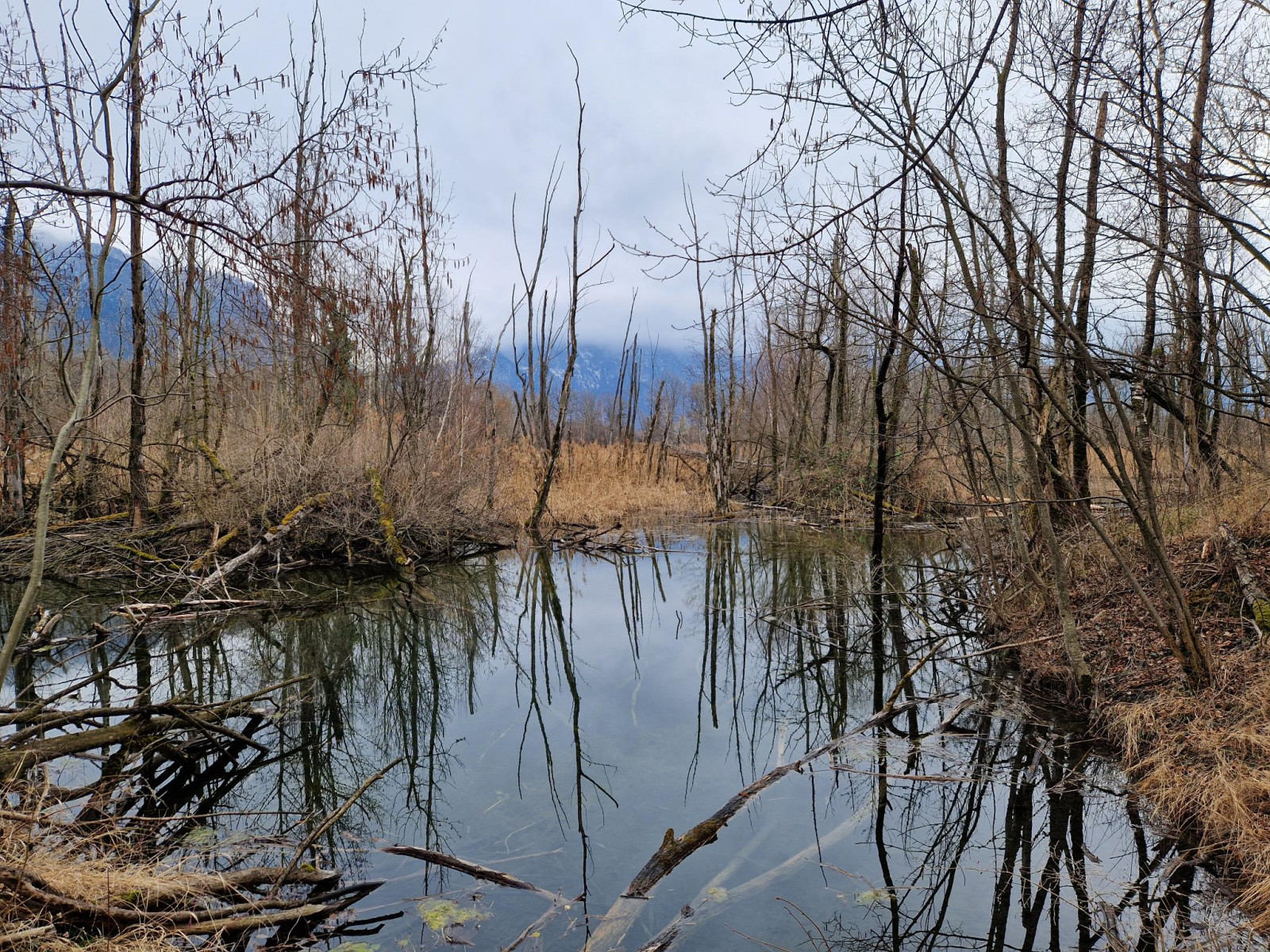
One of the rare wetlands in the Upper Rhine Valley, spanning just 7 hectares, rich in structure, and occasionally offering surprises during migration periods.
The valley of the Rhine, which originates in Grisons / Graubünden, has been entirely cultivated and is intensively used in this canton; wetlands and alluvial forests are almost completely absent. The 7-hectare area of "Siechenstuden" (also known as "Siechastuden", "Siechastuda") is a rare exception. Two mountain streams cascade down the slopes here; a high, artifical embankment protects the area from their destructive force, but it is still supplied with water. Inside the embankment, there is a peaceful riverbed, gravel banks, several artificial ponds, reed beds, shrubs, abundant deadwood, and an area resembling an alluvial forest which turns into a deciduous and then coniferous forest further from the marsh. This location is particularly interesting for toads, frogs, and newts, but also attracts water-associated birds—most notably those stopping here for rest after their strenuous Alpine crossing in spring.
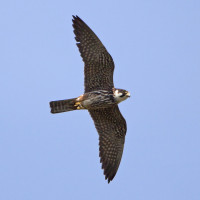
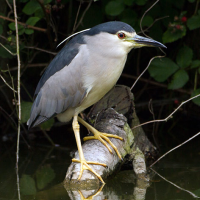
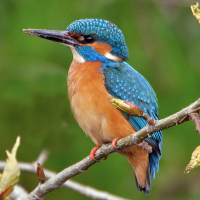
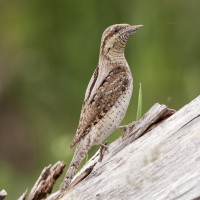
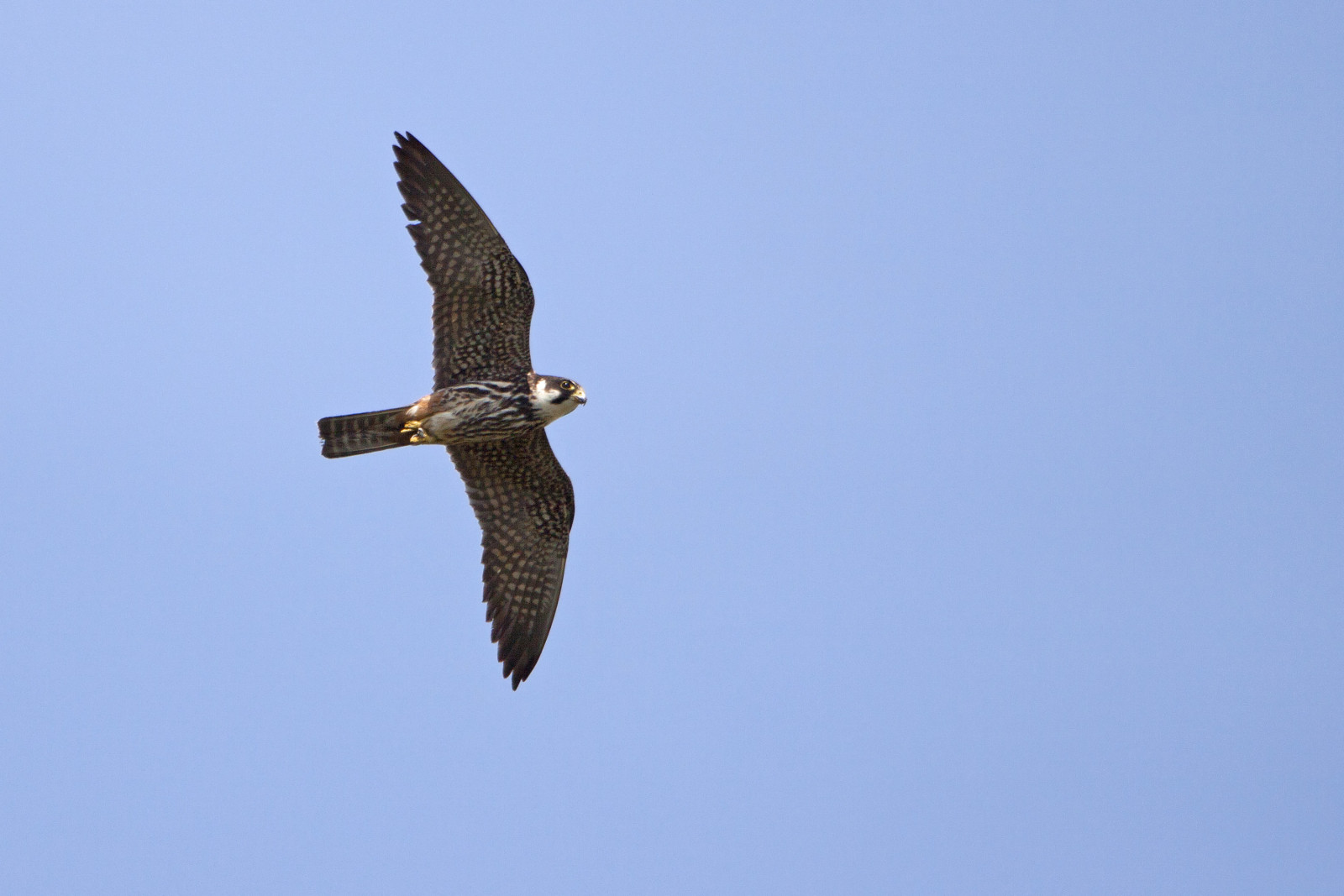
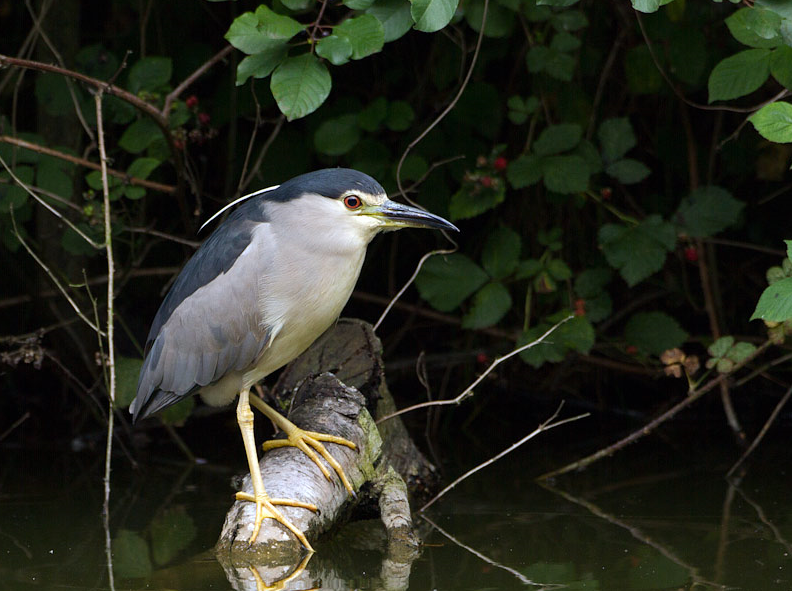
Over 180 species have been recorded in Siechenstuden. Faucon hobereau, Martin-pêcheur d'Europe, Pigeon colombin, Coucou gris, Bihoreau gris, Épervier d'Europe, Busard des roseaux, Torcol fourmilier, and Pic épeichette are among the sought-after species that are regularly observed, along with the Chevalier culblanc during migration periods and the Grande Aigrette and Canard pilet in winter. Additionally, the site has hosted rarer guests such as Hypolaïs ictérine, Marouette poussin, Spatule blanche, Butor étoilé, Blongios nain, Bécasseau de Temminck, Busard cendré, and Bécasseau minute, proving that many surprising observations are possible during migration. One of only three recorded observations of the Labbe à longue queue in the canton was also made at Siechenstuden.
The area can be reached on foot within half an hour from Maienfeld. The nearest bus stop is Jenins, Sonne, from which there is a 15-minute walk to Siechenstuden. Small parking spaces are available at the entrances (please avoid using the area west of the site). The area can be viewed from a path running along the top of the embankment and another crossing through the site. The best viewpoint is from this middle path, which leads over a small hill with a bench. The access is steep, and only part of the path is wheelchair accessible.
Given its small size, visiting the site does not require much time. It can easily be combined with a detour to the vineyards near Malans or Maienfeld (see the corresponding entry on this page).
"Siechastuda“ means "place (or maybe "bushes") of the sick“; in the past, sick people were banished from the village to this area. It is telling that nowadays the animal species that used to own the Rhine valley are confined here…
 ) Insérez les noms d'oiseau dans votre langue. Ils seront automatiquement traduits pour les autres usagers !
Votre feedback sera transmis à l’auteur.rice de cette zone et à l’équipe éditoriale de Birdingplaces, qui l’utiliseront pour améliorer la qualité des informations. (Vous souhaitez publier un commentaire visible en bas de page ? Fermez cette fenêtre et choisissez l’Option 1 : « Publier un commentaire, un conseil ou une observation ».)
Veuillez fournir des suggestions d'améliorations ou d'ajouts au texte de ce site ornithologique.
Veuillez fournir vos suggestions d'améliorations ou d'ajouts à la carte.
Veuillez fournir des suggestions d'améliorations ou d'ajouts à la liste des oiseaux.
Cliquez sur l'icône de l'oiseau () Insérez les noms d'oiseau dans votre langue. Ils seront automatiquement traduits pour les autres usagers !