Charger images
Les formats d'image autorisés sont de type jpeg, png ou gif
La taille maximale du fichier doit être de 20MB
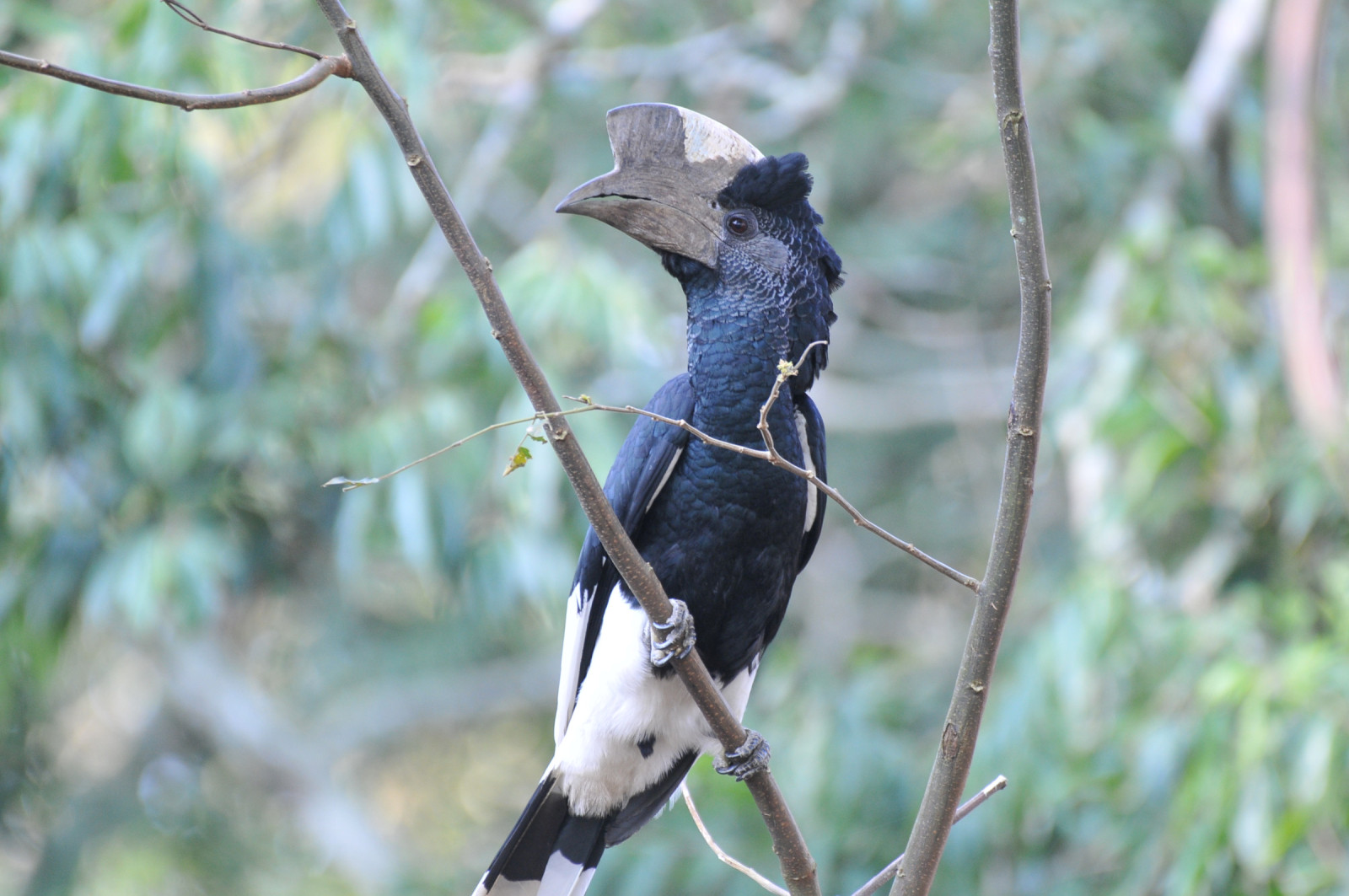
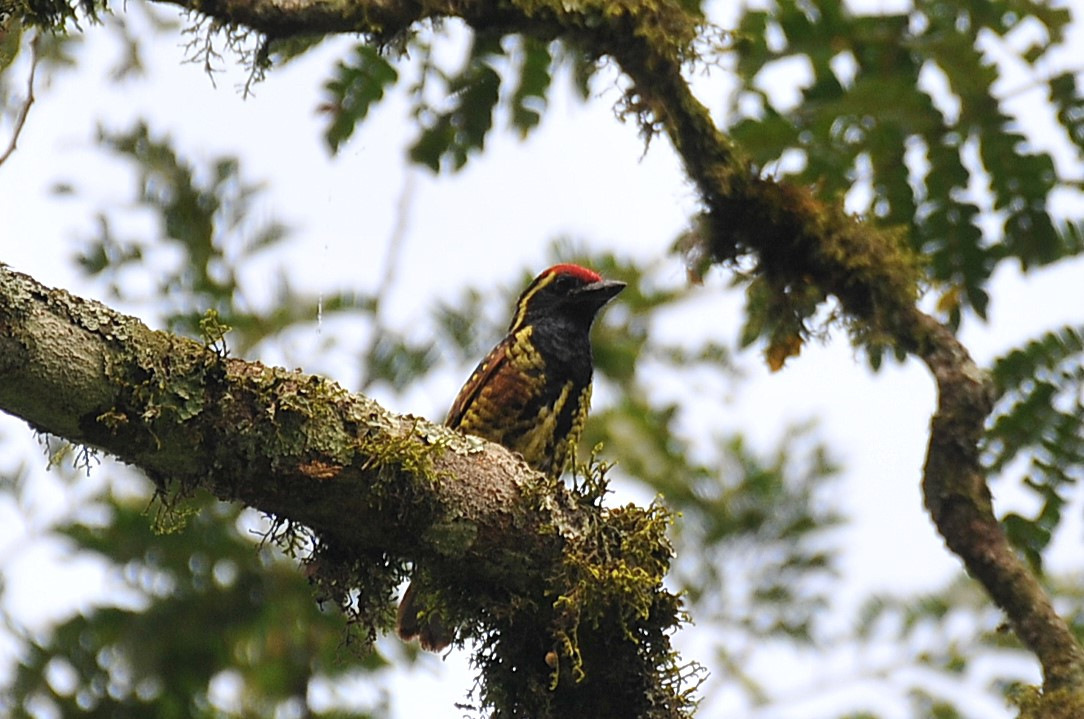
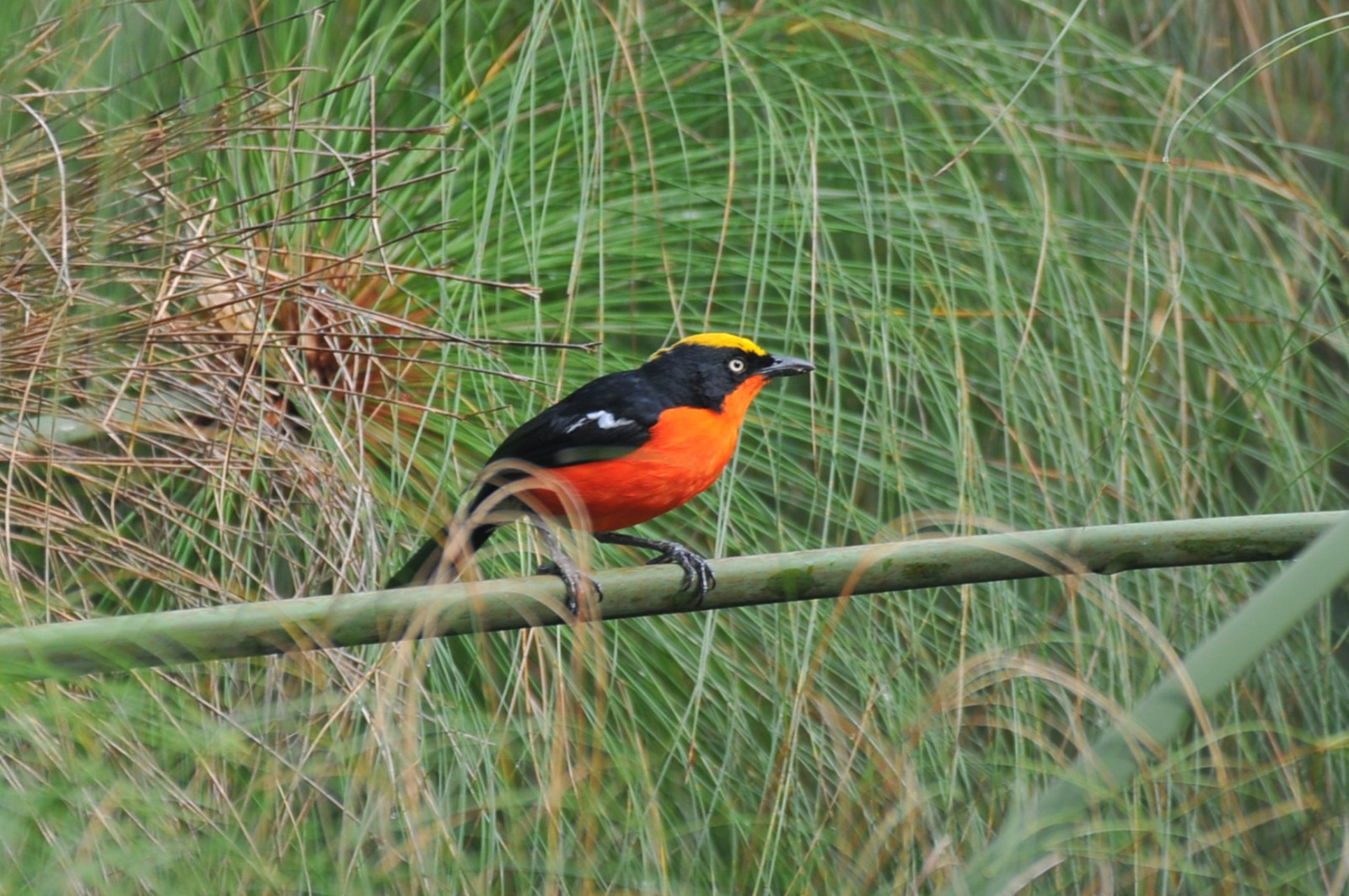
Amazingly diverse tropical rainforest, nested in the Ugandan Rift Valley, with over 400 different bird species being found here throughout the year.
Kibale National Park in western Uganda is a huge national park of almost 77,000 hectares (766 km2) and protects evergreen rainforest. The park contains a diverse array of landscapes. Kibale has the densest population of primates of any forest in the world, and hosts 14 species. It is home to a large number of endangered chimpanzees, as well as the red colobus monkey. More than 400 bird species have been recorded. This pristine forest is not one to miss. It also contains several papyrus swamps with unique avifauna as well.
Kibale holds 4 endemic bird species including Nahan's Francolin, Cassin's Spinetail, Blue-headed Bee-eater and Masked Apalis. Another sought after bird is the rare Green-breasted Pitta.
Other species to look out for include Black-and-white-casqued Hornbill, Papyrus Gonolek, Great Blue Turaco, Ross's Turaco, Black-capped Apalis, White-collared Oliveback, Jameson's Antpecker, Dusky Crimsonwing, Black-billed Barbet and Double-toothed Barbet, as well as common but beautiful species like Crowned Eagle, African Emerald Cuckoo, Beautiful Sunbird and Yellow-rumped Tinkerbird.
Kibale National Park is located in the east of Uganda, south of the town of Fort Portal. The park is very big and has several entrances. Most commonly used for birdwatching are Kanyanchu (1) or Kanyawara (2). Press a P on the map (zoom in on the map to see them) to get directions or coordinates. From these to entrance points, the park can be explored on foot. Kanyanchu Visitors' Center is situated approximately 35 kilometers from Fort Portal town and is reachable on the tarred Fort Portal - Kamwenge route. Entrance fee for the park is USD 40 per day (2026). There are several lodges in the park where you can stay. Birding tours can be booked with local guides.
 ) Insérez les noms d'oiseau dans votre langue. Ils seront automatiquement traduits pour les autres usagers !
Votre feedback sera transmis à l’auteur.rice de cette zone et à l’équipe éditoriale de Birdingplaces, qui l’utiliseront pour améliorer la qualité des informations. (Vous souhaitez publier un commentaire visible en bas de page ? Fermez cette fenêtre et choisissez l’Option 1 : « Publier un commentaire, un conseil ou une observation ».)
Veuillez fournir des suggestions d'améliorations ou d'ajouts au texte de ce site ornithologique.
Veuillez fournir vos suggestions d'améliorations ou d'ajouts à la carte.
Veuillez fournir des suggestions d'améliorations ou d'ajouts à la liste des oiseaux.
Cliquez sur l'icône de l'oiseau () Insérez les noms d'oiseau dans votre langue. Ils seront automatiquement traduits pour les autres usagers !