Charger images
Les formats d'image autorisés sont de type jpeg, png ou gif
La taille maximale du fichier doit être de 20MB
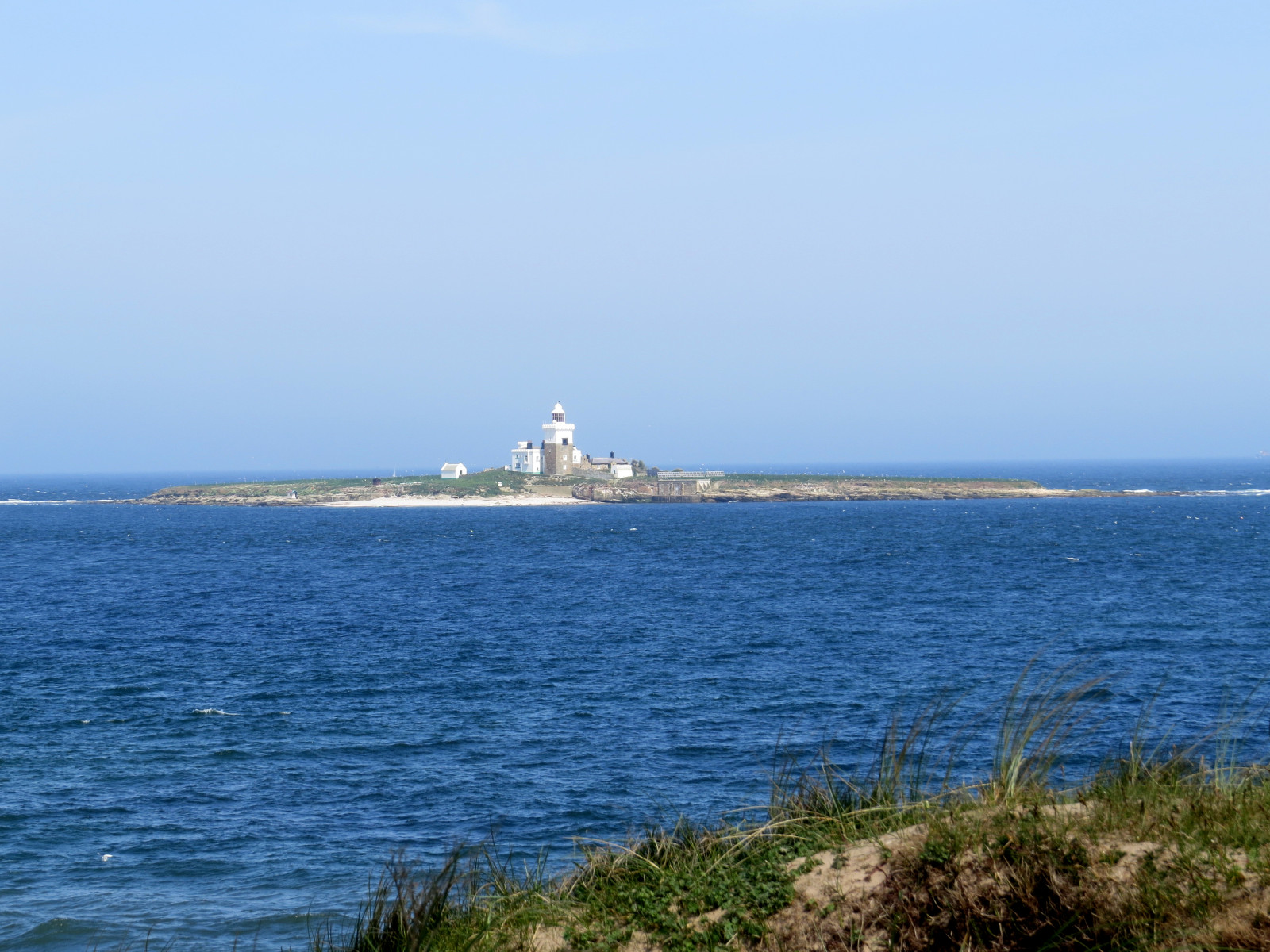
Fishing village on the Coquet estuary, with sand and mud flats, river and open vistas. Boat trips around offshore Coquet Island (important for breeding terns).
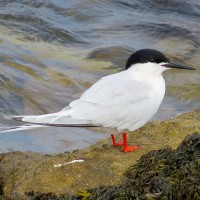
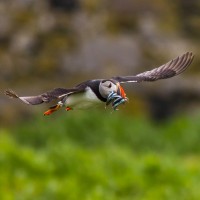
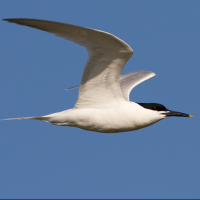
Amble and the Coquet Estuary has sand and mud flats that attract resident, passage and wintering waders, gulls, and wildfowl. Passage migrants, including passerines, are regular. Coquet Island is the main UK breeding site for Sterne de Dougall, and also supports breeding Sterne caugek, Sterne arctique, Eider à duvet, and Macareux moine. There are several car parks in Amble village (the fish quay is a good starting point) and lay-bys on the A1068 as it follows the River Coquet between Amble and Warkworth.
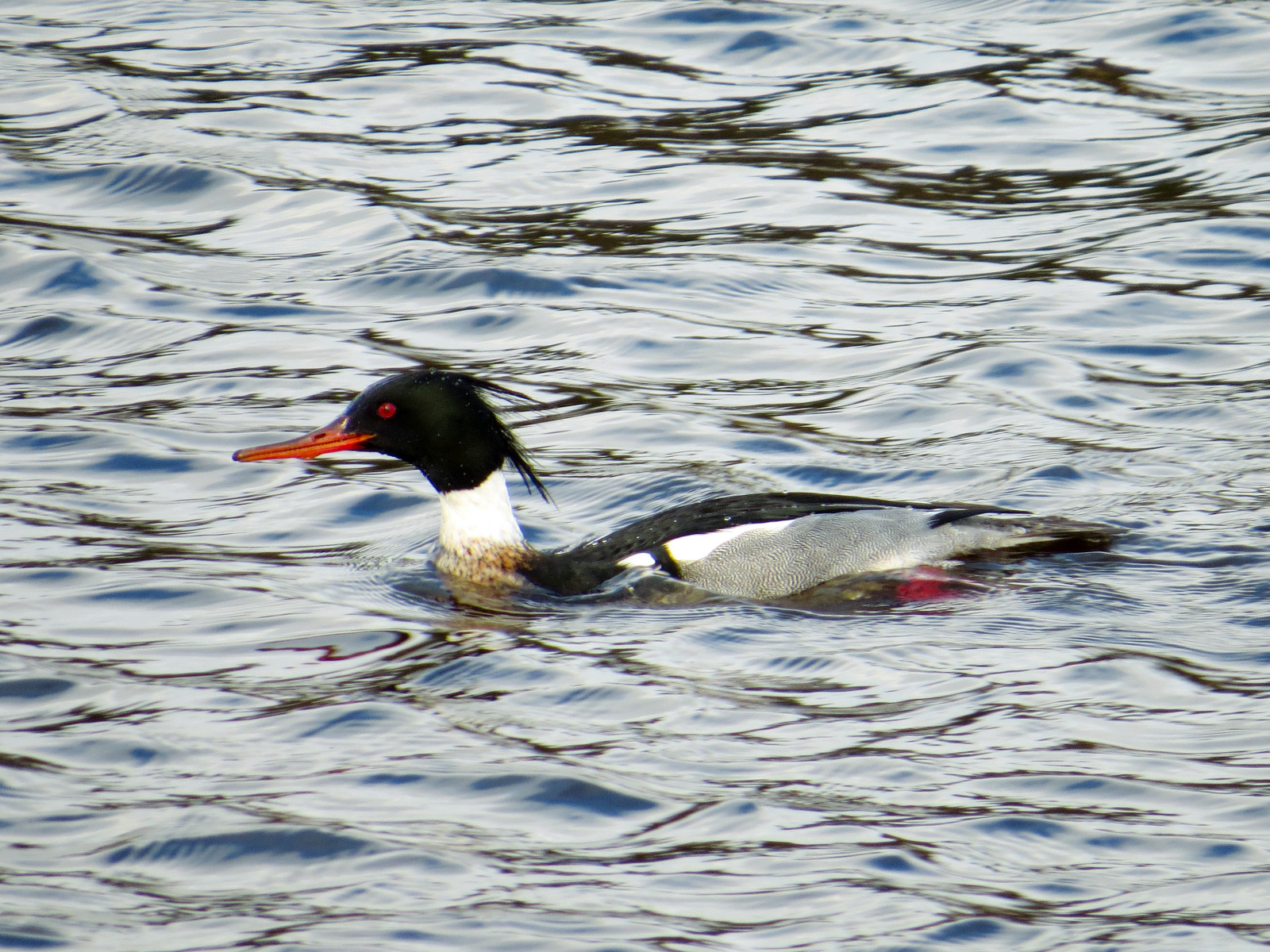
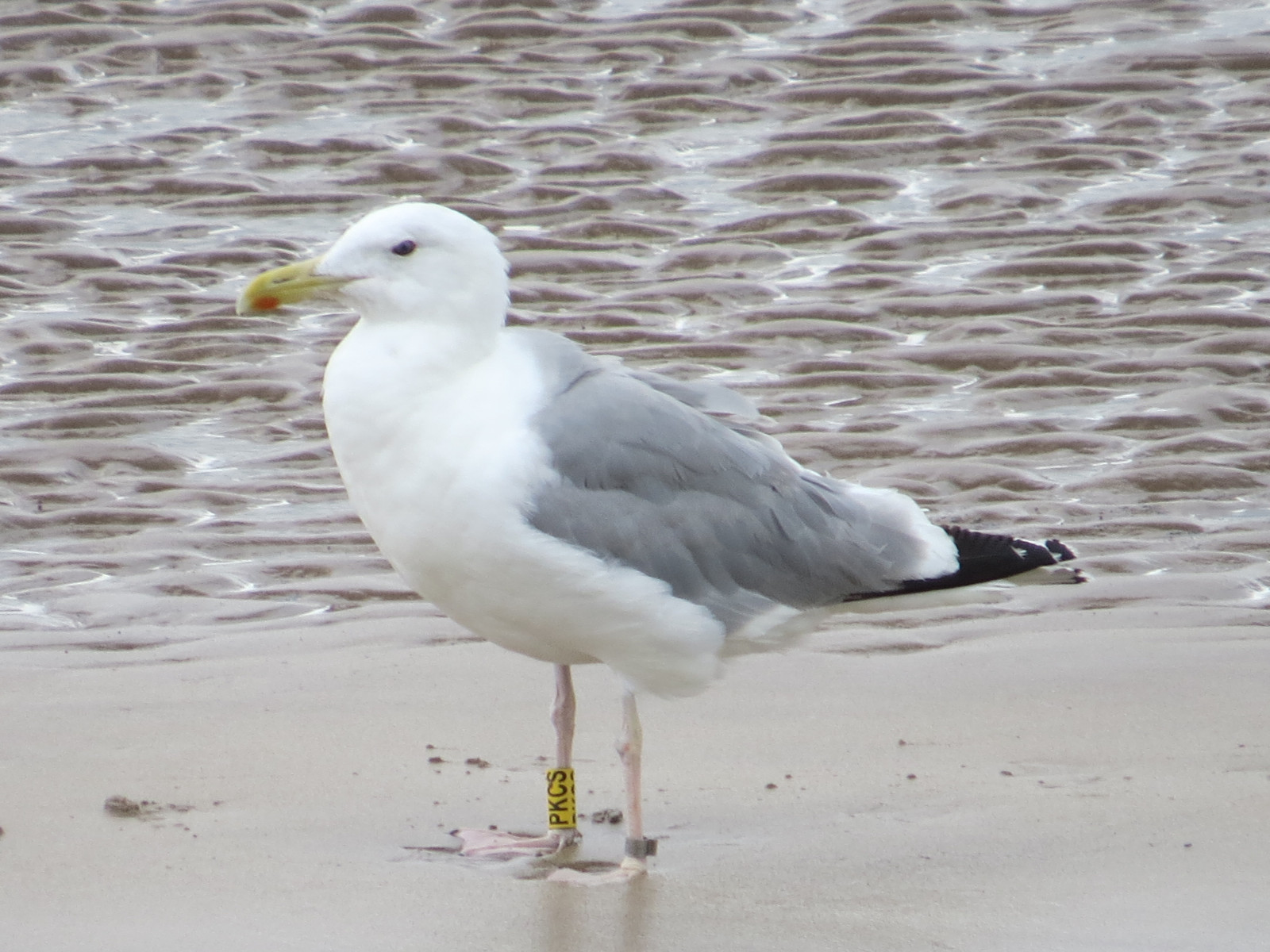
Cygne chanteur are often in the fields around the River Coquet, while the upper tidal part of the river has regular Aigrette garzette and wintering Harle bièvre, Harle huppé, and Garrot à oeil d'or. The mudflats have good numbers of waders, including Bécasseau maubèche, Bécasseau variable, Bécasseau cocorli, Courlis corlieu, and Chevalier gambette. A colour-ringed Goéland pontique, with yellow 'PKCS' ring, has been present in late summer for several years. Offshore, between the river mouth and Coquet Island, Macreuse noire, Plongeon catmarin, and Plongeon imbrin can be present. Rarer visitors have included Mergule nain, Gorgebleue à miroir, Martinet pâle and Alouette haussecol (in dunes to north).
Two car parks central in Amble, another off A1068 near the yacht club. Click on a P in the map for directions. Amble is in the England Coastal Footpath and N1 Cycle route. Bus services X18 and X20 operate between Newcastle and Alnwick, both passing through Amble and calling at Alnmouth rail station (8km north).
Coquet Island is operated as a bird reserve by the RSPB and landing is prohibited. Boat trips around the island operate from Amble harbour and are recommended during the breeding season. See the link below.
Note that the harbour breakwater paths are dangerous during east winds, with large waves breaking over them; do not attempt to walk on these in rough weather!
 ) Insérez les noms d'oiseau dans votre langue. Ils seront automatiquement traduits pour les autres usagers !
Votre feedback sera transmis à l’auteur.rice de cette zone et à l’équipe éditoriale de Birdingplaces, qui l’utiliseront pour améliorer la qualité des informations. (Vous souhaitez publier un commentaire visible en bas de page ? Fermez cette fenêtre et choisissez l’Option 1 : « Publier un commentaire, un conseil ou une observation ».)
Veuillez fournir des suggestions d'améliorations ou d'ajouts au texte de ce site ornithologique.
Veuillez fournir vos suggestions d'améliorations ou d'ajouts à la carte.
Veuillez fournir des suggestions d'améliorations ou d'ajouts à la liste des oiseaux.
Cliquez sur l'icône de l'oiseau () Insérez les noms d'oiseau dans votre langue. Ils seront automatiquement traduits pour les autres usagers !