Charger images
Les formats d'image autorisés sont de type jpeg, png ou gif
La taille maximale du fichier doit être de 20MB
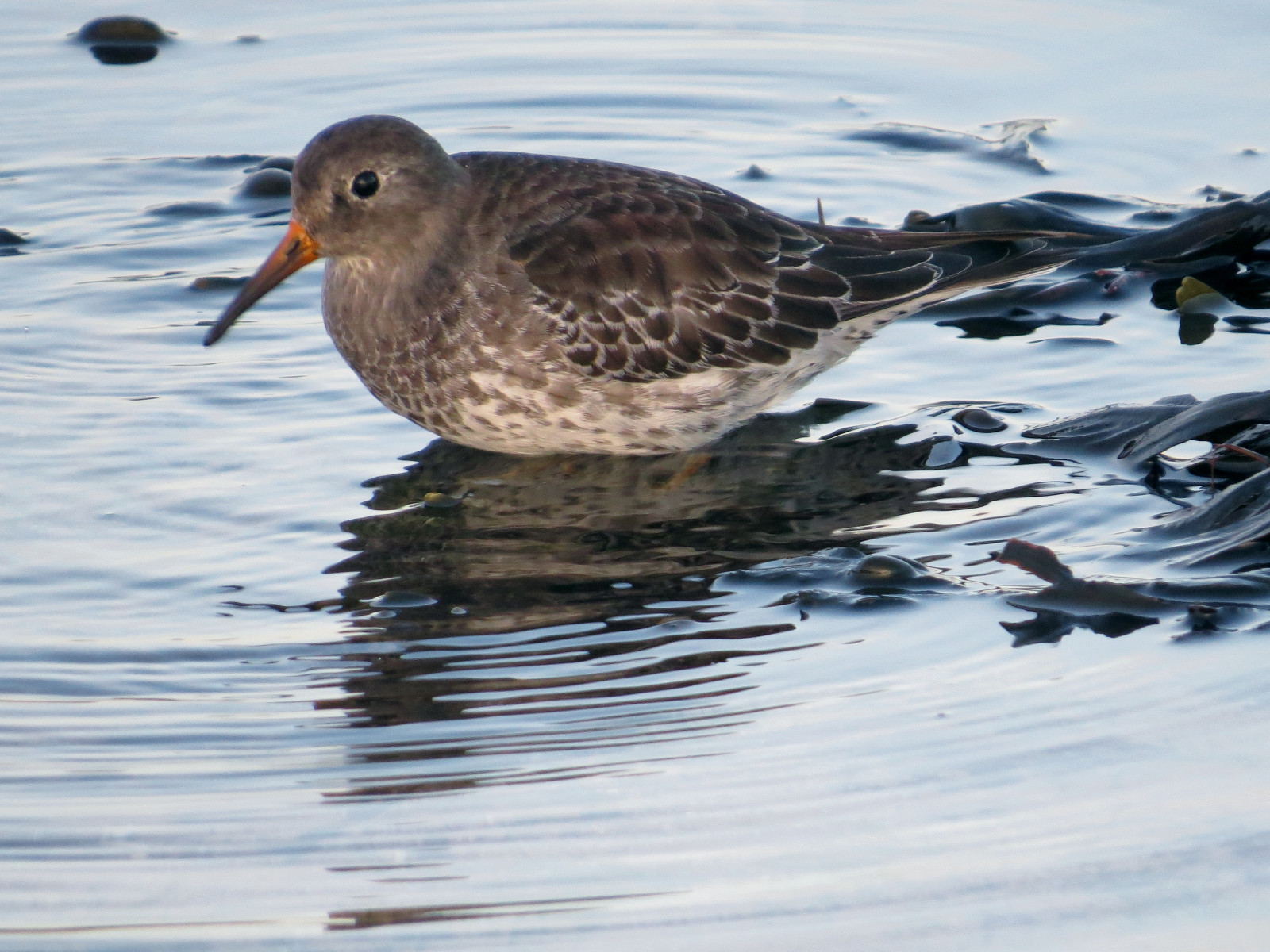
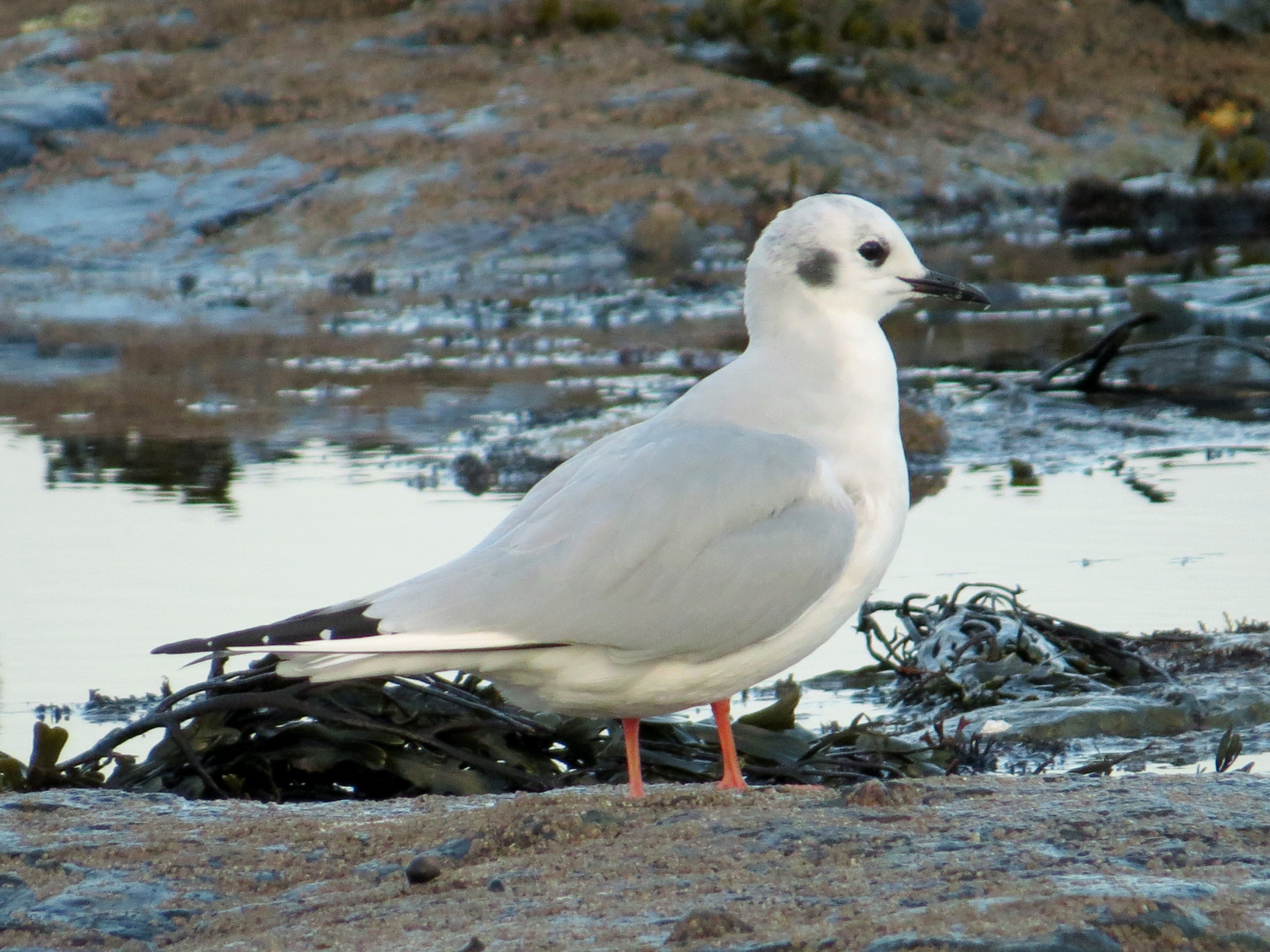
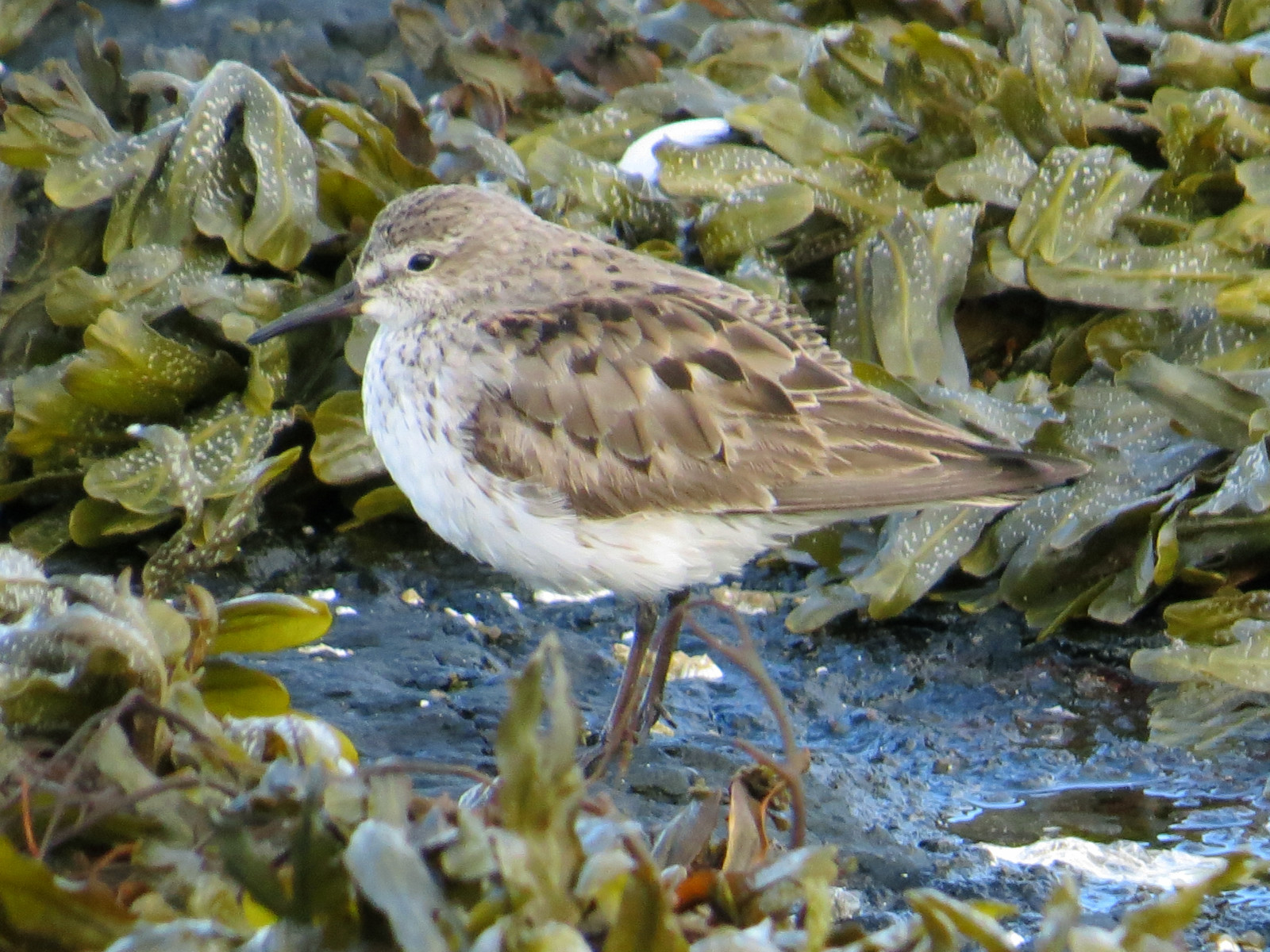
Excellent sea-watching. The tidal range exposes large tracts of sand and mud, attracting waders and wildfowl, especially in Budle Bay, 3km north west.
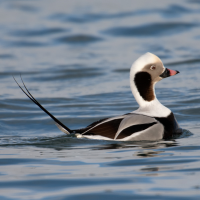
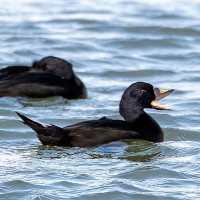
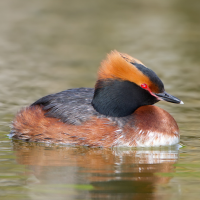
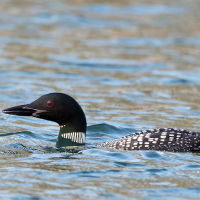
In Bamburgh wintering waders and sea ducks are a speciality, best seen from Stag Rocks, a low rocky promontory 1 km northwest of the village. Regular sightings include Macreuse noire, Macreuse brune, Harelde boréale, Plongeon imbrin, and Grèbe esclavon. A large flock of Bécasseau violet is also regular there, and single vagrant Macreuse à bec jaune and Mouette de Bonaparte have been returning visitors in late autumn and winter for the last 12 years (the Mouette de Bonaparte has returned for its 12th season in October 2024). Sea-watching is also excellent, for ducks, gulls and divers in particular. Another 2 km further on is the tidal Budle Bay, attracting wintering waders and wildfowl. In winter the fields surrounding Budle Bay attract wildfowl, especially Oie à bec court, Bernache nonnette, and Cygne chanteur. Raptors and owls are seen regularly.
Main car parking at east end of village, with smaller parking available off lane west, towards Bamburgh Golf Club. Parking for Budle Bay is at Waren Mill, on the B1342. Bamburgh is accessible by bus - services X18 (Newcastle to Berwick, via a coastal route) and 418 (Alnwick to Belford). Nearest rail station is at Berwick, 20km north, from where it is possible to cycle, but advisable to avoid using the A1 trunk road.
When using the coastal public footpath north from Stag Rocks, beware of golf balls; keep an eye out for golfers and respect their play.
The name Stag Rocks derives from a white painting of a stag on the rocks just above the high water mark, southeast of the lighthouse.
 ) Insérez les noms d'oiseau dans votre langue. Ils seront automatiquement traduits pour les autres usagers !
Votre feedback sera transmis à l’auteur.rice de cette zone et à l’équipe éditoriale de Birdingplaces, qui l’utiliseront pour améliorer la qualité des informations. (Vous souhaitez publier un commentaire visible en bas de page ? Fermez cette fenêtre et choisissez l’Option 1 : « Publier un commentaire, un conseil ou une observation ».)
Veuillez fournir des suggestions d'améliorations ou d'ajouts au texte de ce site ornithologique.
Veuillez fournir vos suggestions d'améliorations ou d'ajouts à la carte.
Veuillez fournir des suggestions d'améliorations ou d'ajouts à la liste des oiseaux.
Cliquez sur l'icône de l'oiseau () Insérez les noms d'oiseau dans votre langue. Ils seront automatiquement traduits pour les autres usagers !