Charger images
Les formats d'image autorisés sont de type jpeg, png ou gif
La taille maximale du fichier doit être de 20MB
Cann Wood and Whitleigh Wood are two areas of ancient woodland joined together in the Northern suburbs of Plymouth in South West Devon.
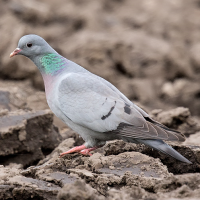
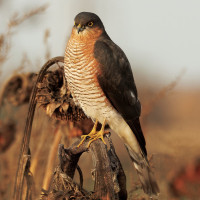
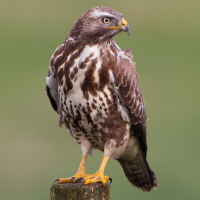
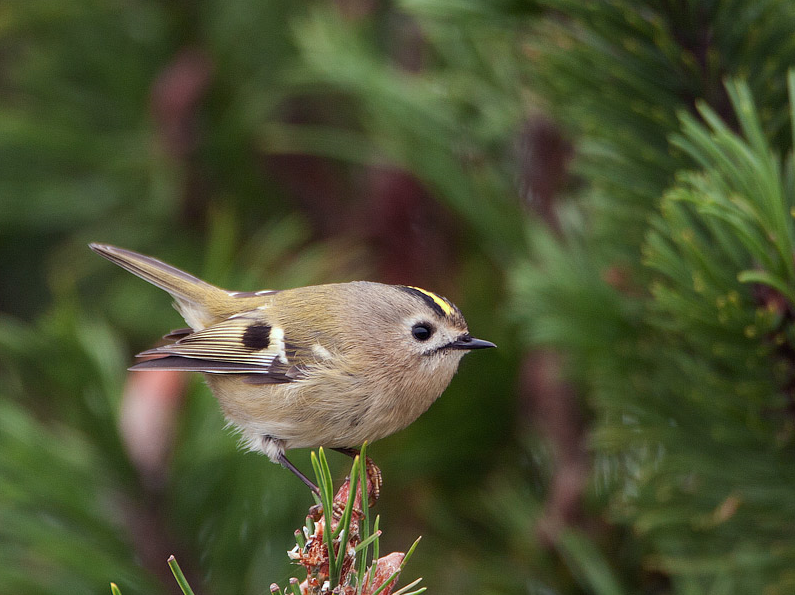
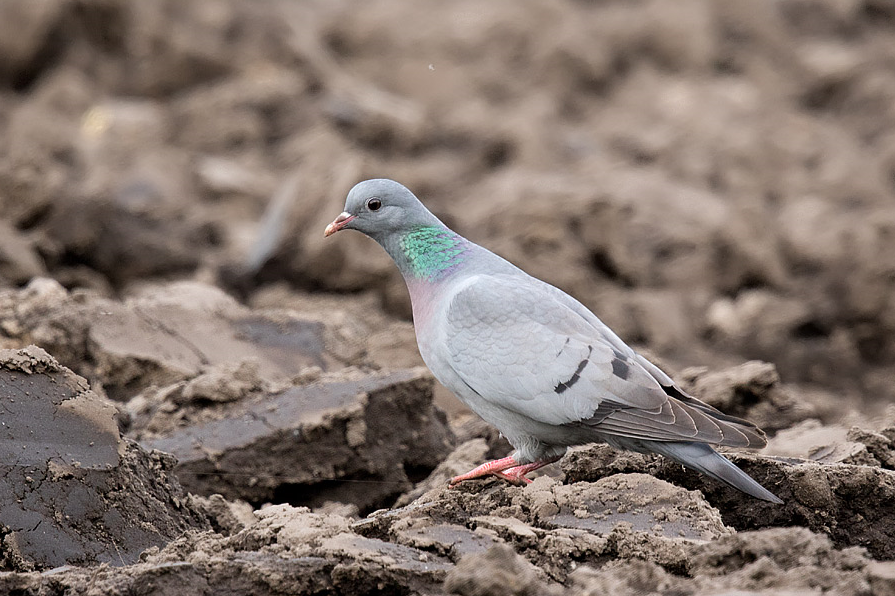
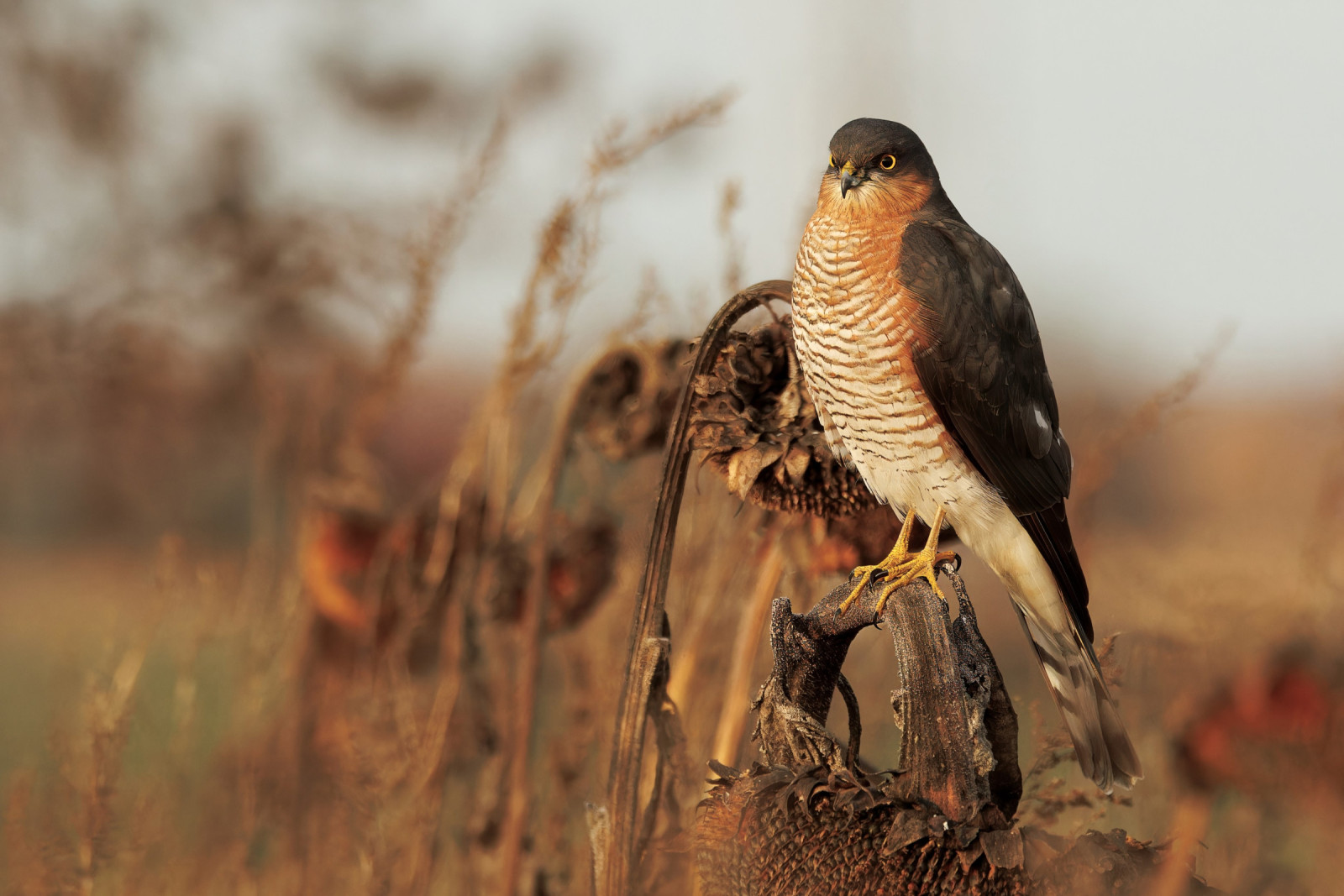
Cann Wood, not to be confused with Cann Woods Plympton (see separate entry), is a Plymouth Local Nature Reserve. Whitleigh Wood is managed by the Woodland Trust. The area is virtually surrounded on all sides by housing estates. Both areas are similar having a mixture of habits including ancient woodland, said to be over 400 years old, hedgerows, scrubland, streams, wet/marshy areas and grass meadows. The woodland contains Oak (Quercus), Ash (Fraxinus), Sycamore (Acer), Sweet Chestnut (Castanea), Beech (Fagus) and Hazel (Corylus), most fallen trees are left to help increase bio-diversity. The grass meadows are only cut during August/September with all mowings removed. Cann Wood is also called the Dr Andy Stevens Reserve in memory of the former Plymouth University lecturer and Plymouth City Council Nature Conservation Officer, who long campaigned for the protection of the site. Resident birds include Chouette hulotte, Épervier d'Europe, Buse variable, Faucon crécerelle and Pigeon colombin along with common Passerines, during Spring/Autumn passage migrants such as Gobemouche noir and Rougequeue à front blanc are often seen.
Leave central Plymouth on A386 main road signed Tavistock, at large Derriford roundabout take first exit signed Tamerton Foliot. Continue on this road (called Looseleigh Lane), passing straight ahead through two mini roundabouts, at next junction turn Right (unsigned) into Tamerton Foliot Road B3373. When this road gets divided by a long grassed central reservation turn Left into Borrowdale Close and park on street on Right, beside entrance to wood.
There are multiple footpaths throughout the woodland. The circular walking route indicated on the map is 4 km.
 ) Insérez les noms d'oiseau dans votre langue. Ils seront automatiquement traduits pour les autres usagers !
Votre feedback sera transmis à l’auteur.rice de cette zone et à l’équipe éditoriale de Birdingplaces, qui l’utiliseront pour améliorer la qualité des informations. (Vous souhaitez publier un commentaire visible en bas de page ? Fermez cette fenêtre et choisissez l’Option 1 : « Publier un commentaire, un conseil ou une observation ».)
Veuillez fournir des suggestions d'améliorations ou d'ajouts au texte de ce site ornithologique.
Veuillez fournir vos suggestions d'améliorations ou d'ajouts à la carte.
Veuillez fournir des suggestions d'améliorations ou d'ajouts à la liste des oiseaux.
Cliquez sur l'icône de l'oiseau () Insérez les noms d'oiseau dans votre langue. Ils seront automatiquement traduits pour les autres usagers !