Charger images
Les formats d'image autorisés sont de type jpeg, png ou gif
La taille maximale du fichier doit être de 20MB
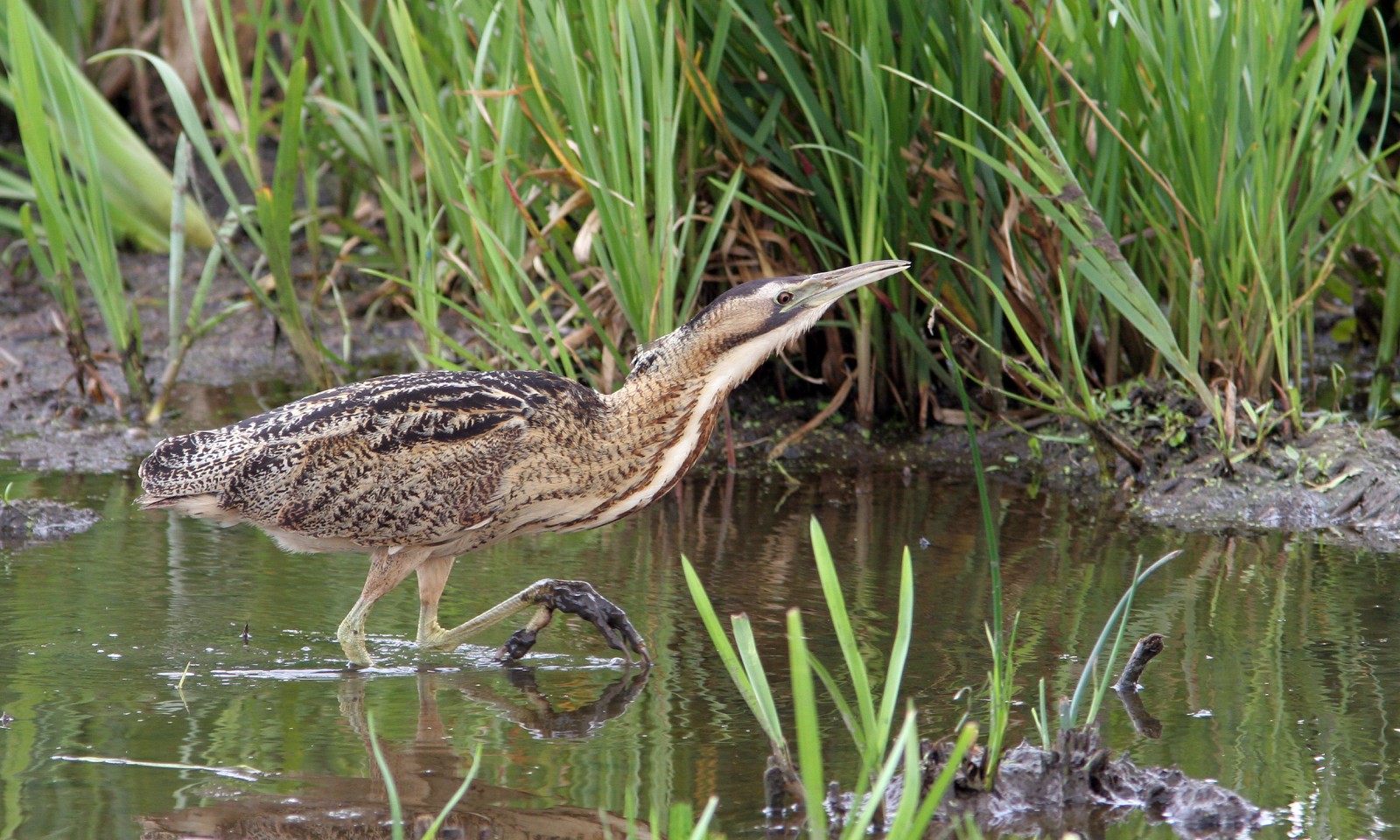

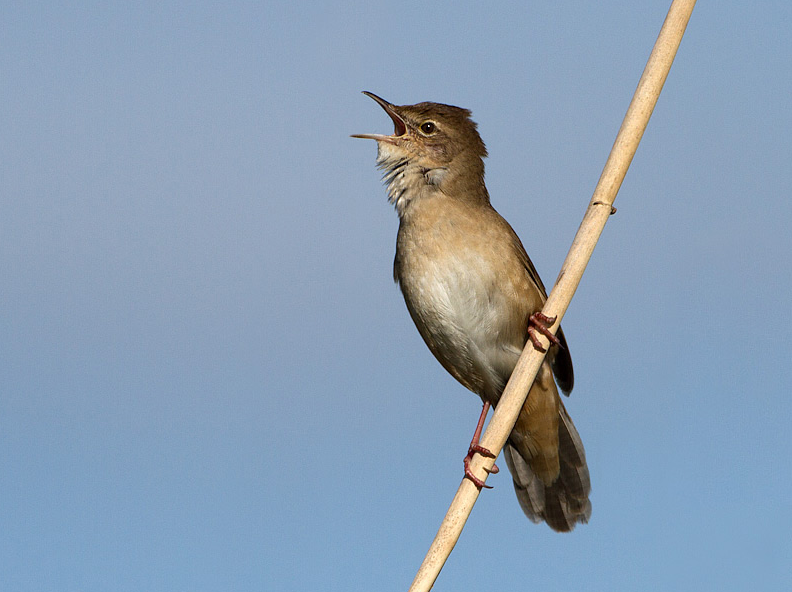
Grazing marshes, scrubs, pools, reedbeds and dykes around the Waveney river. Habitat creation in recent years extended the reserve to 405 hectares.
Carlton Marshes lie in the Waveney Valley at the southern tip of the Norfolk Broads and is part of the Suffolk Broads. It comprises a jigsaw of grazing marsh, fens, peat pools, short fen meadow, tall fen (called 'tall litter fen'), dykes, pools and scrub. Mostly man-made, these habitats have developed over hundreds of years of traditional management and now host specialised wildlife.
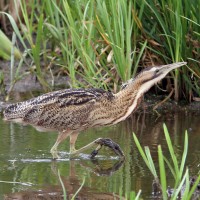
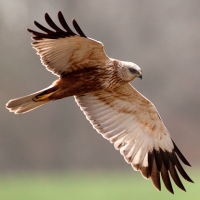
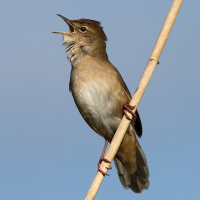
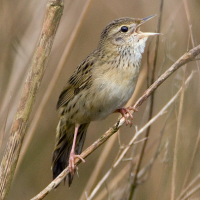
This reserve is a paradise for marsh land birds and birds of prey including Faucon hobereau and Busard des roseaux. The reserve is one of the best sites in East Anglia to see Locustelle tachetée. The reed and sedge beds along the river wall make ideal nesting cover for Rousserolle effarvatte and Phragmite des joncs, Locustelle luscinioïde, Panure à moustaches and Bouscarle de Cetti. The grazing marshes are also ideal for wintering wildfowl and breeding waders with Vanneau huppé and Chevalier gambette displaying through the spring and large numbers of Canard siffleur, Sarcelle d'hiver and Bécassine des marais in winter.
The reserve is located west of Lowestoft. Entrance is free. How to get there: By bike, on the A146 (6 km from Lowestoft city centre). By train, stop at Oulton Broad South Station and walk 1,5km to the Visitor Centre. By Bus: buses stopping near the end of Burnt Hill Lane on the A146 and Oulton Broad South and North stations being a 20 or 30 minute walk respectively. By car, follow Visitor Centre and park there. Click on the P in the map for directions. How to visit: by foot only.
Carlton Marshes bought a new piece of land (Peto's marsh) in 2018 and is has created a vast wetland on it. Observatories and new trails have been created. This is a huge improvement on the already massive potential of the reserve, very exciting for all wetland species!
 ) Insérez les noms d'oiseau dans votre langue. Ils seront automatiquement traduits pour les autres usagers !
Votre feedback sera transmis à l’auteur.rice de cette zone et à l’équipe éditoriale de Birdingplaces, qui l’utiliseront pour améliorer la qualité des informations. (Vous souhaitez publier un commentaire visible en bas de page ? Fermez cette fenêtre et choisissez l’Option 1 : « Publier un commentaire, un conseil ou une observation ».)
Veuillez fournir des suggestions d'améliorations ou d'ajouts au texte de ce site ornithologique.
Veuillez fournir vos suggestions d'améliorations ou d'ajouts à la carte.
Veuillez fournir des suggestions d'améliorations ou d'ajouts à la liste des oiseaux.
Cliquez sur l'icône de l'oiseau () Insérez les noms d'oiseau dans votre langue. Ils seront automatiquement traduits pour les autres usagers !