Charger images
Les formats d'image autorisés sont de type jpeg, png ou gif
La taille maximale du fichier doit être de 20MB
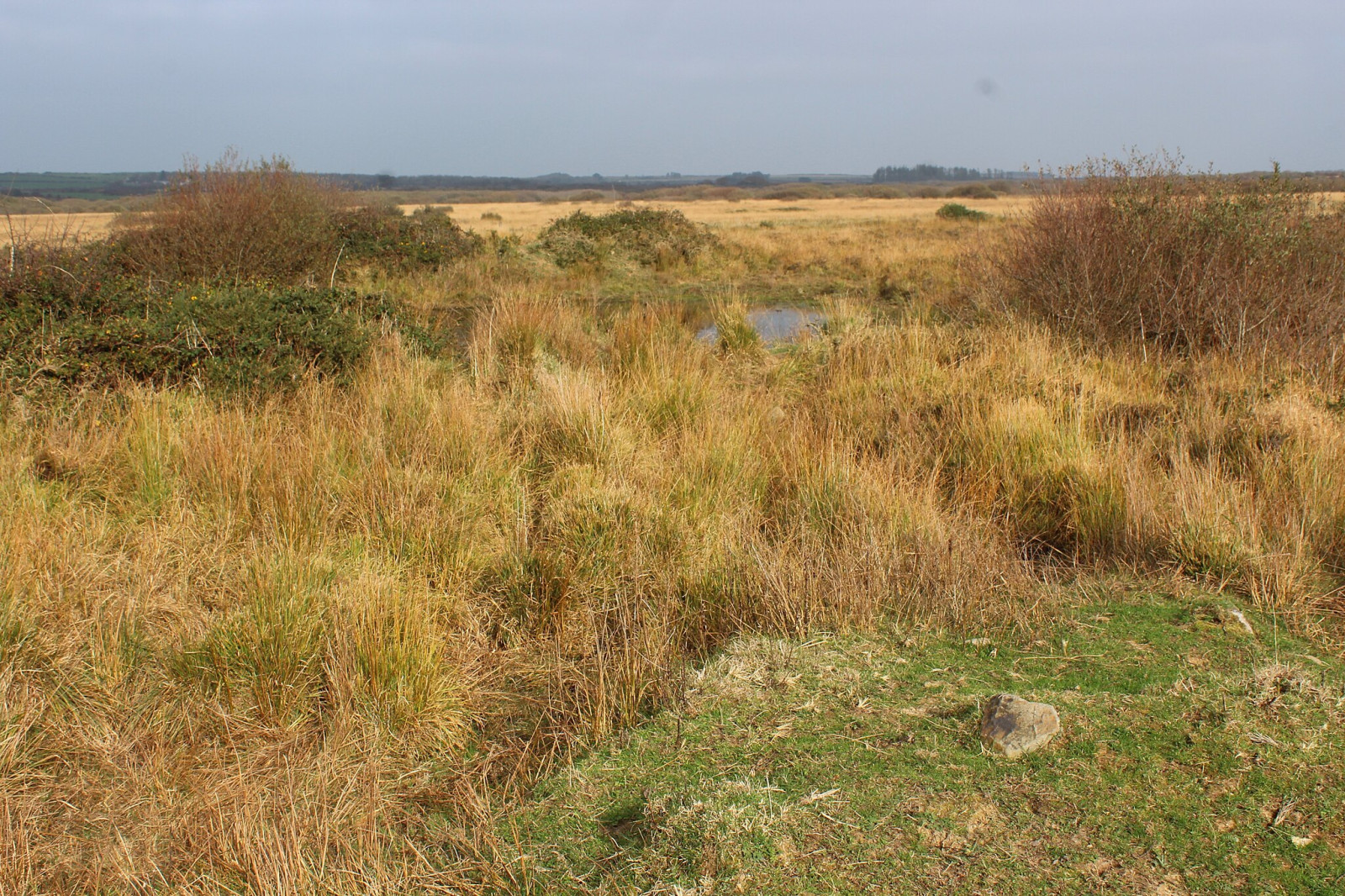
Nature reserve with a mosaic of wet and dry heath, fen, and shallow pools, designated as a Site of Special Scientific Interest.
Dowrog Common is a 101-hectare nature reserve in north Pembrokeshire, managed by the Wildlife Trust of South and West Wales. It’s a mosaic of wet and dry heath, fen, and shallow pools, designated as a Site of Special Scientific Interest (SSSI) for its rare plants, insects, and birdlife. The reserve lies in the upper reaches of the River Alun, just outside St Davids. The wet heathlands are dotted with bog pools, drier heaths with gorse and heather, and fen areas rich in sedges. Over 350 species of flowering plants have been recorded here, including the Lesser Butterfly Orchid and other rarities. The open heath and pools also attract many dragonflies and butterflies. Otters regularly visit the site.
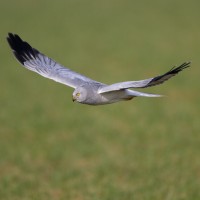
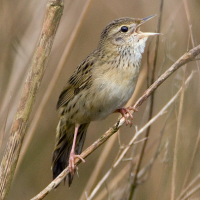
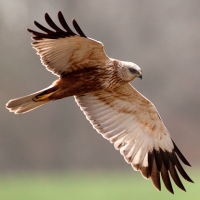
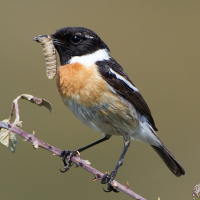
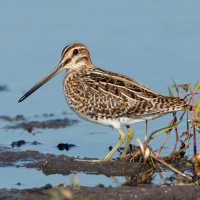
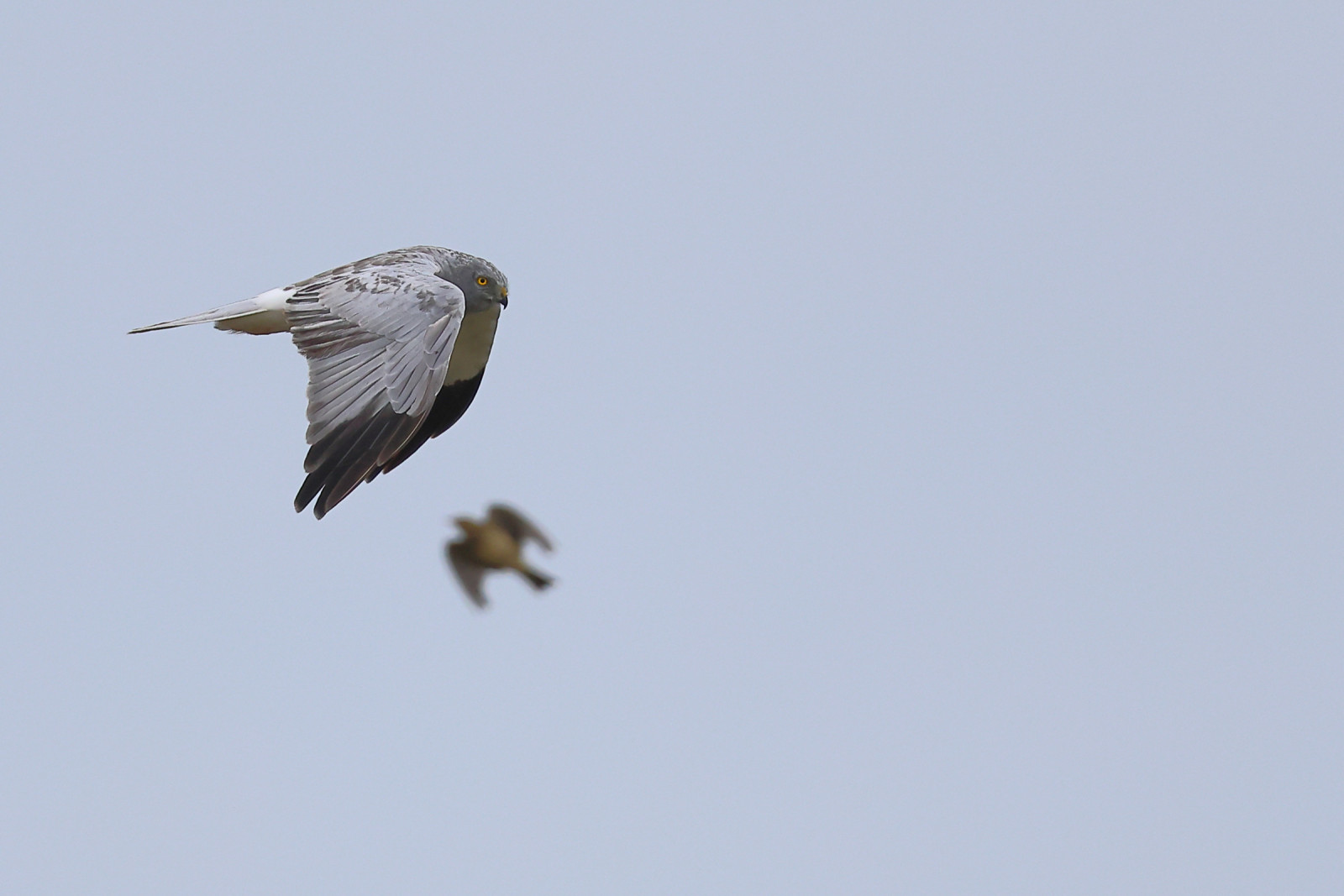
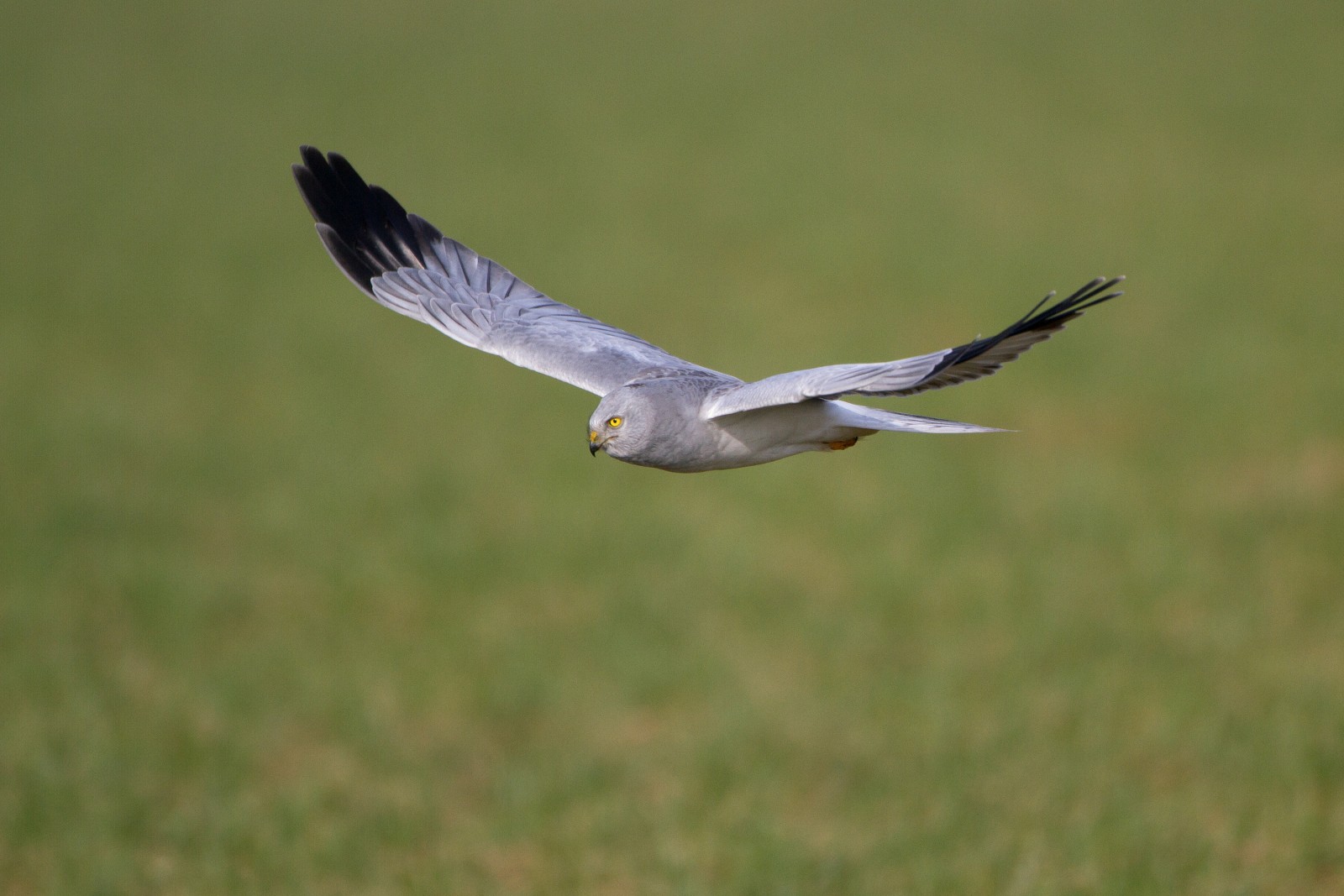
Almost 80 bird species have been recorded. Busard Saint-Martin roost on site. Hibou des marais and Faucon émerillon are regular winter visitors. Sarcelle d'hiver, and Canard souchet can be seen in winter along with Bécassine des marais and Râle d'eau, particulary around Dowrog Pool (1). The wetland areas also support breeding Locustelle tachetée, Bruant des roseaux and Phragmite des joncs. Other birds that can be observed include Coucou gris, Pluvier doré, Tarier pâtre, Pipit farlouse and Fauvette grisette.
Dowrog Common lies just outside St Davids in north Pembrokeshire. From St Davids, head east on the A487 and then take the minor road toward Whitchurch. There is a small off-road parking area by the cattle grid at the entrance. Press P on the map for directions to the parking spot. Public transport links include the Puffin Shuttle and Celtic Coaster buses from St Davids.
A minor road runs through the reserve. Visitors should note that the terrain is often very wet, so waterproof footwear is essential.
 ) Insérez les noms d'oiseau dans votre langue. Ils seront automatiquement traduits pour les autres usagers !
Votre feedback sera transmis à l’auteur.rice de cette zone et à l’équipe éditoriale de Birdingplaces, qui l’utiliseront pour améliorer la qualité des informations. (Vous souhaitez publier un commentaire visible en bas de page ? Fermez cette fenêtre et choisissez l’Option 1 : « Publier un commentaire, un conseil ou une observation ».)
Veuillez fournir des suggestions d'améliorations ou d'ajouts au texte de ce site ornithologique.
Veuillez fournir vos suggestions d'améliorations ou d'ajouts à la carte.
Veuillez fournir des suggestions d'améliorations ou d'ajouts à la liste des oiseaux.
Cliquez sur l'icône de l'oiseau () Insérez les noms d'oiseau dans votre langue. Ils seront automatiquement traduits pour les autres usagers !