Charger images
Les formats d'image autorisés sont de type jpeg, png ou gif
La taille maximale du fichier doit être de 20MB
Durlston Country Park is part of the Jurassic Coast World Heritage Site and has an amazing diversity of wildlife; over 250 species of bird have been recorded.
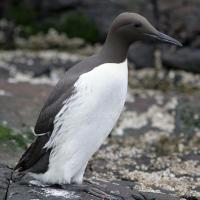
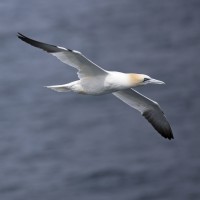
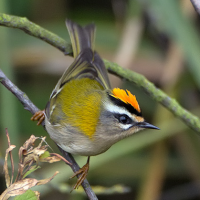
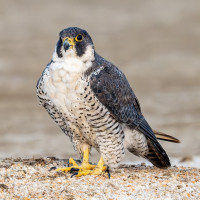
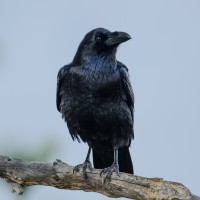
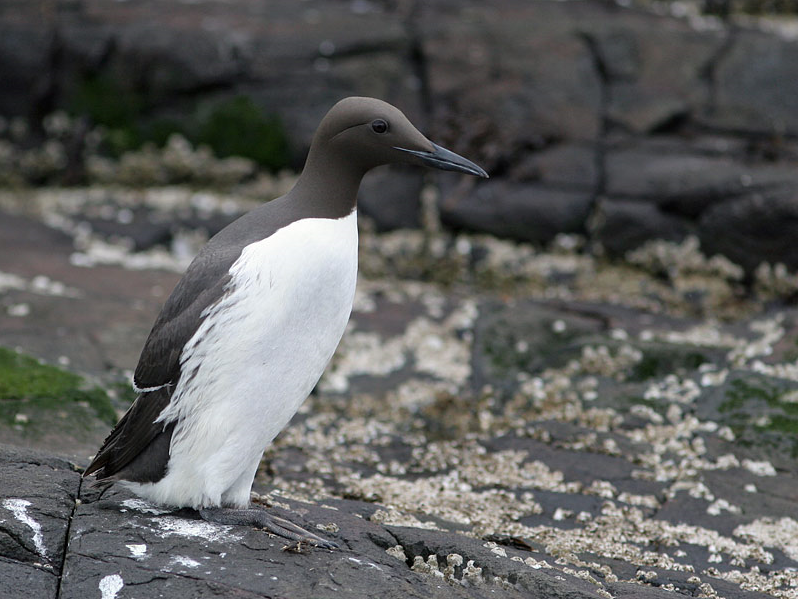
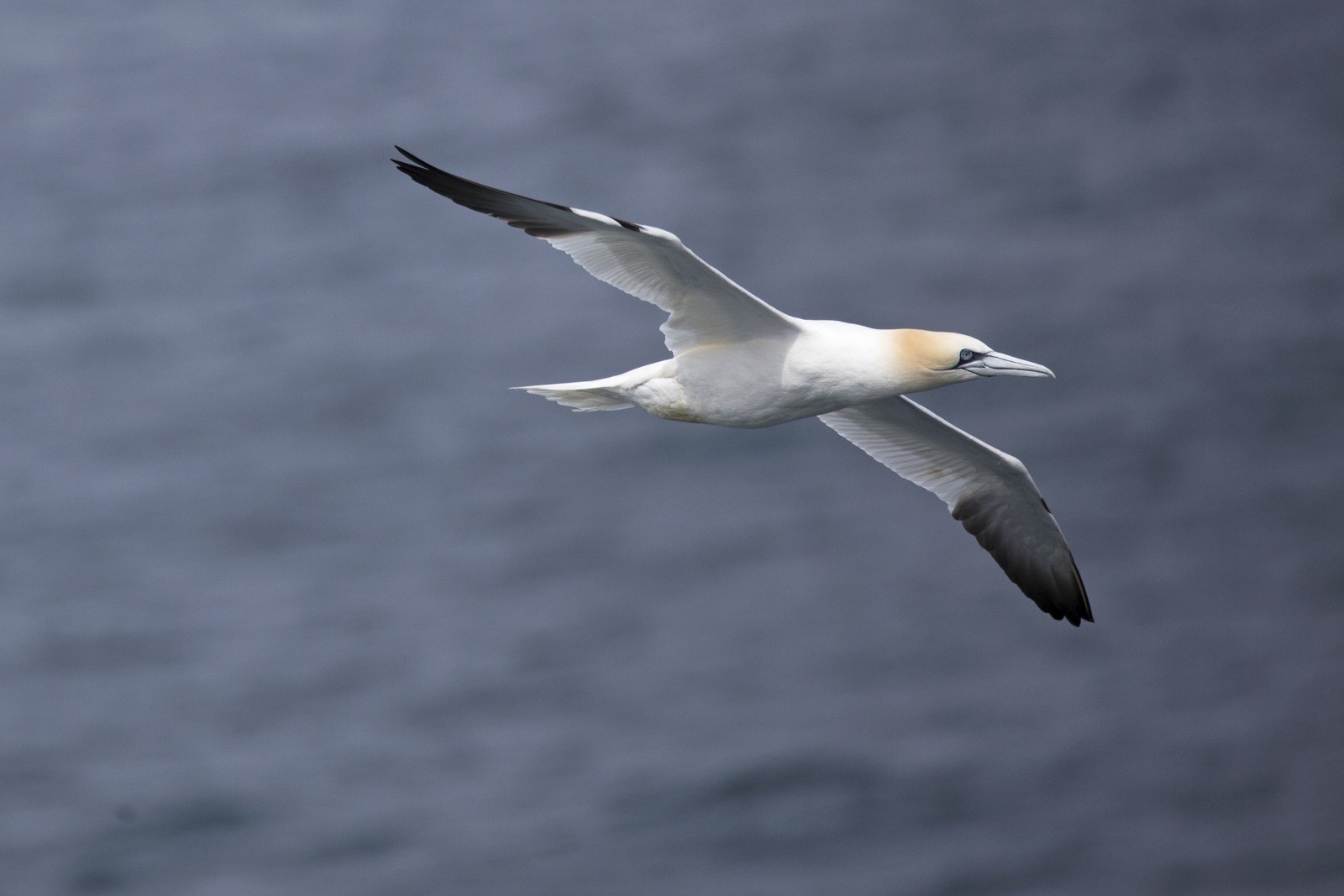
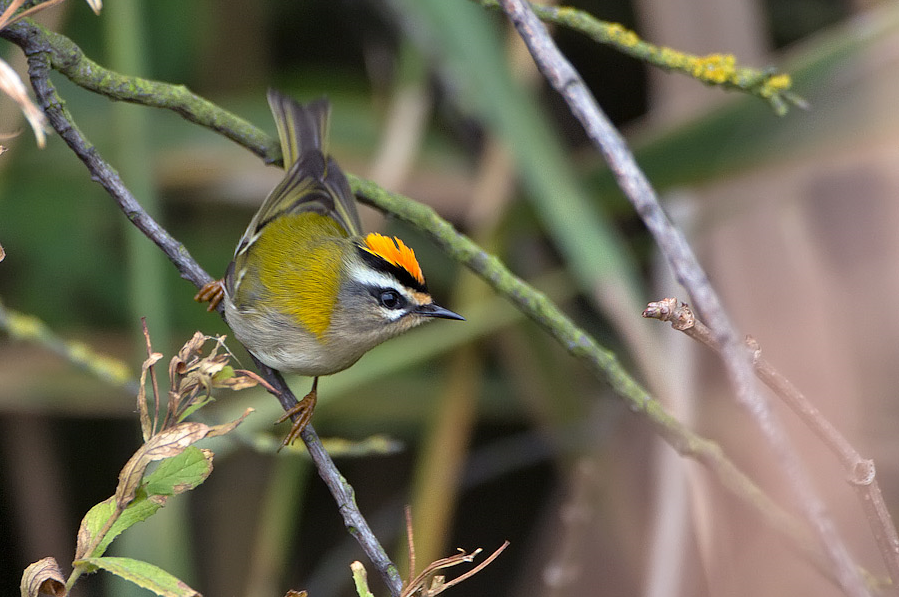
Durlston is an excellent place to go birdwatching at any time of the year. The cliffs are home to the largest breeding colony of Guillemot de Troïl in Southern England. Pingouin torda also breed but in smaller numbers. Passing seabirds such as Fou de Bassan and Mouette tridactyle can be seen at any time, but particularly during windy weather. Faucon pèlerin and Grand Corbeau patrol the cliffs. During autumn, 'visible migration' can be spectacular with thousands of finches and pipits passing overhead just after dawn. The woodland areas provide habitat for Buse variable, Épervier d'Europe, Sittelle torchepot and Grimpereau des bois; in autumn, passage species in the woodland can include Pouillot à grands sourcils and Roitelet triple-bandeau. In spring and early summer, the scrub areas are alive with migrant warblers including Fauvette babillarde. Migrating raptors such as Milan royal, Balbuzard pêcheur, Faucon hobereau and Faucon émerillon pass through the Park.
From Swanage, follow the brown tourist signs up the hill to Durlston Country Park; the postcode is BH19 2JL. Click on the P in the map to get directions. There are many walking trails in the Park. On the map you see a circular walk of 3,5 km that passes cliffs and woodland.
 ) Insérez les noms d'oiseau dans votre langue. Ils seront automatiquement traduits pour les autres usagers !
Votre feedback sera transmis à l’auteur.rice de cette zone et à l’équipe éditoriale de Birdingplaces, qui l’utiliseront pour améliorer la qualité des informations. (Vous souhaitez publier un commentaire visible en bas de page ? Fermez cette fenêtre et choisissez l’Option 1 : « Publier un commentaire, un conseil ou une observation ».)
Veuillez fournir des suggestions d'améliorations ou d'ajouts au texte de ce site ornithologique.
Veuillez fournir vos suggestions d'améliorations ou d'ajouts à la carte.
Veuillez fournir des suggestions d'améliorations ou d'ajouts à la liste des oiseaux.
Cliquez sur l'icône de l'oiseau () Insérez les noms d'oiseau dans votre langue. Ils seront automatiquement traduits pour les autres usagers !