Charger images
Les formats d'image autorisés sont de type jpeg, png ou gif
La taille maximale du fichier doit être de 20MB
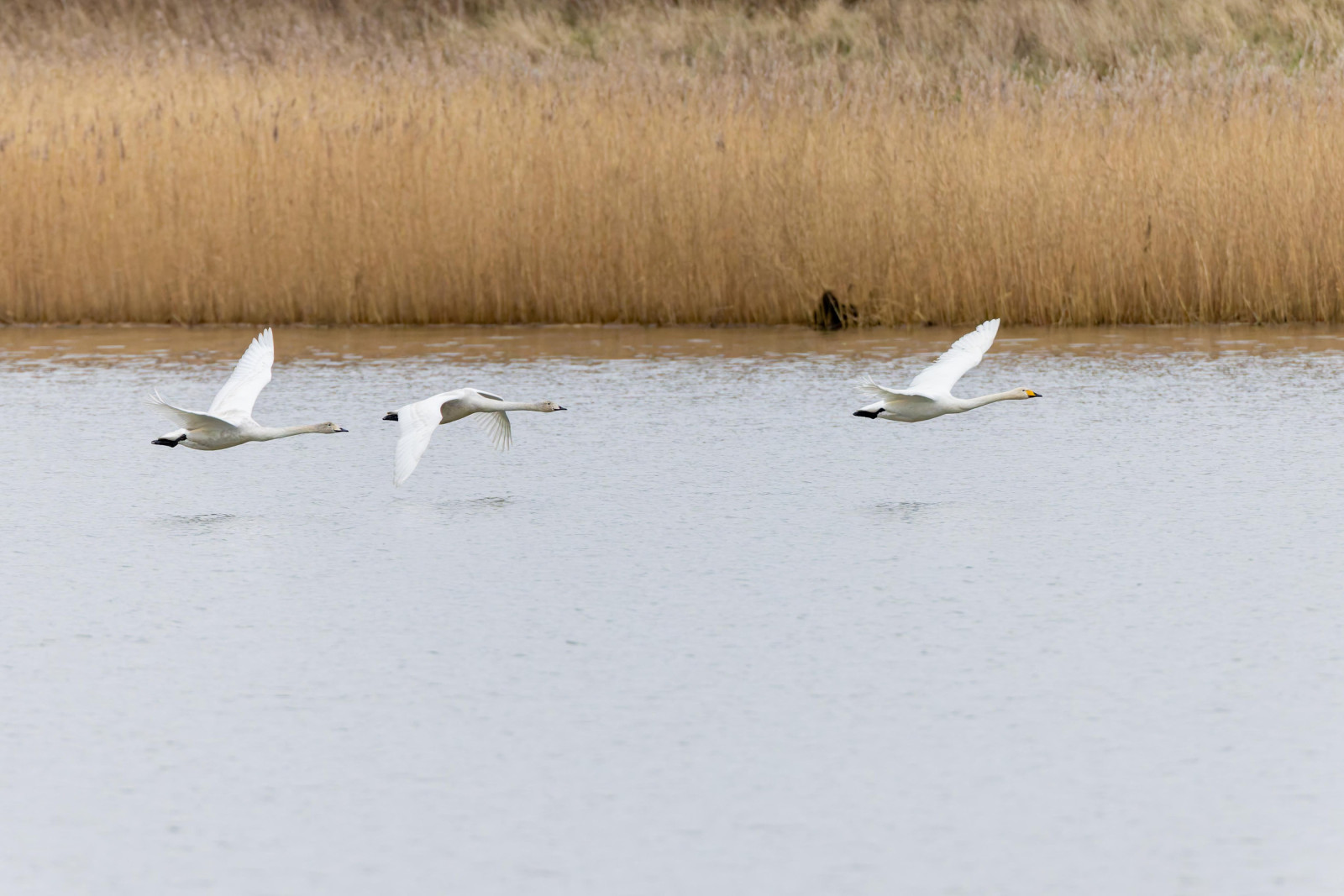
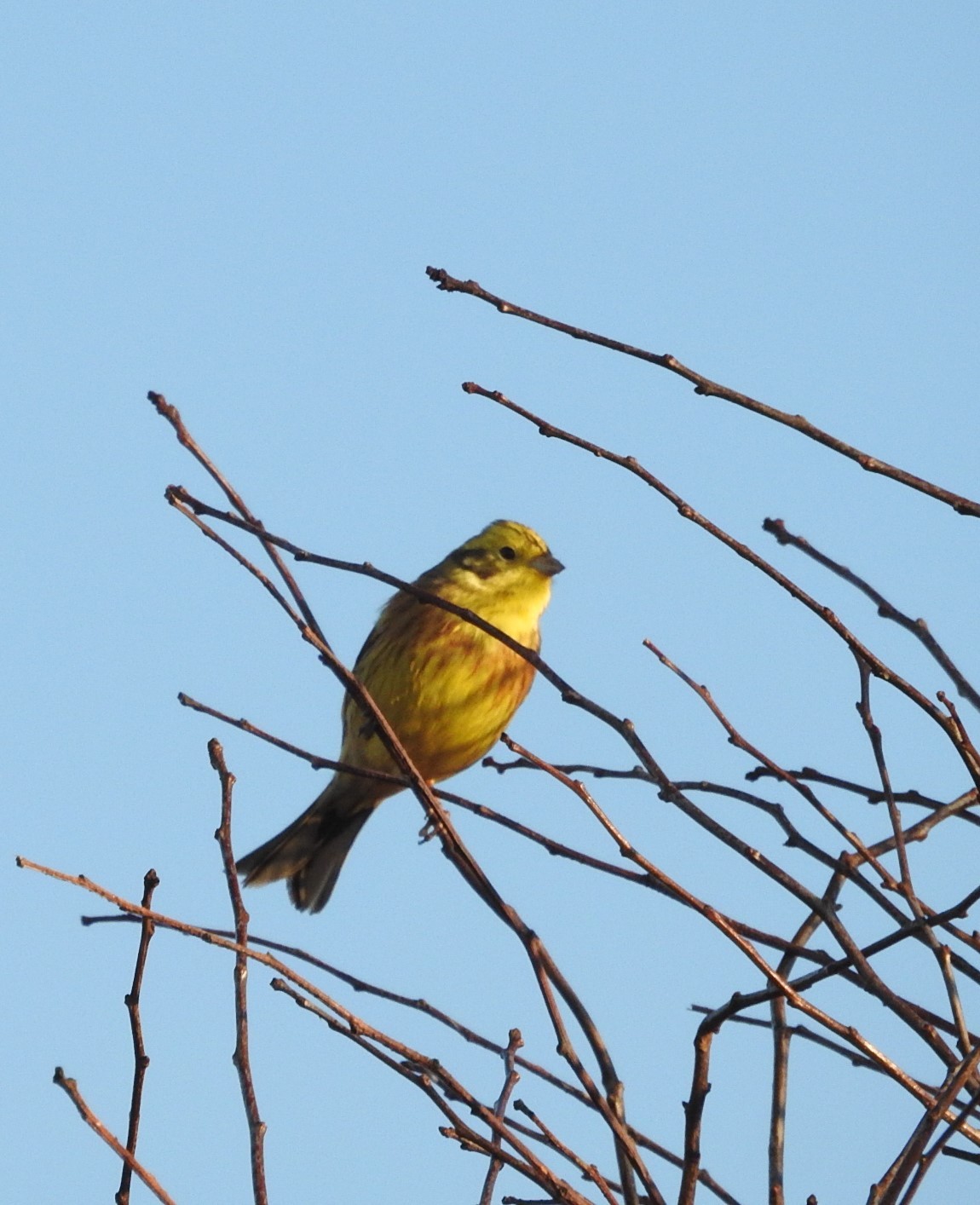
A three hour walk will easily provide c50 species any time of year. In the last 20 years over 220 species recorded, with on average 175 each year.
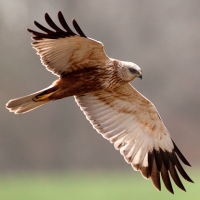
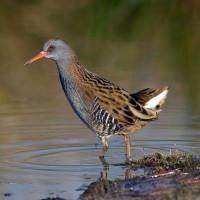
Busard des roseaux is present throughout the year, with many seen on passage and wintering this year.
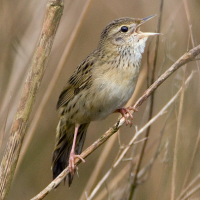
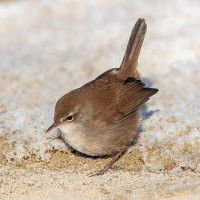
Rousserolle effarvatte, Bouscarle de Cetti, and Locustelle tachetée breed, among a wide variety of summer visitors.
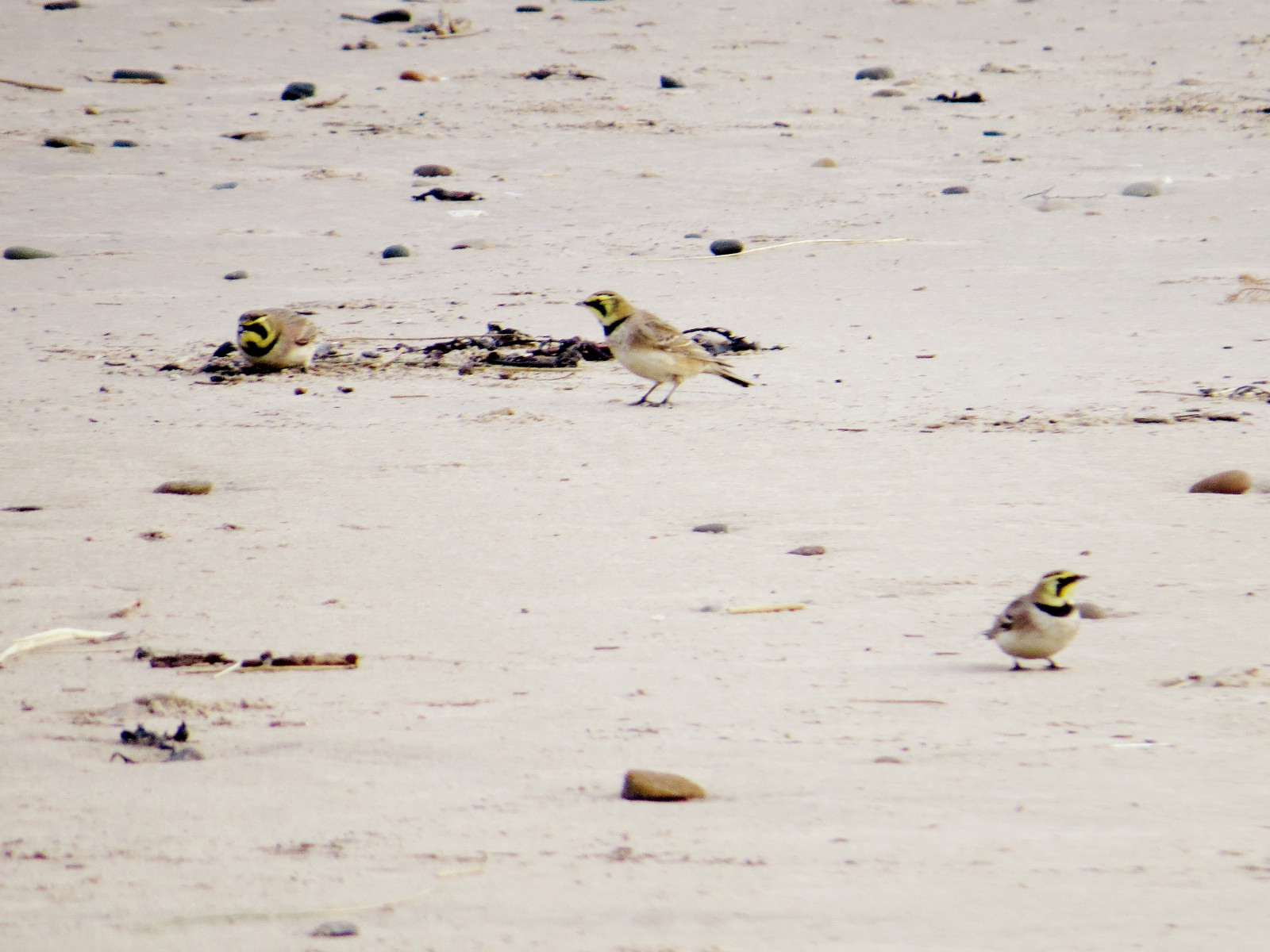
Bécasseau sanderling and other roosting waders and gulls can be found on the beach, and in summer, terns including occasional Sterne de Dougall. In winter, Bruant des neiges and occasionally Alouette haussecol use the beach where the Chevington Burn runs out. Sea ducks such as Eider à duvet,Macreuse noire and Harle huppé, and also Plongeon catmarin, can be seen on the sea, along with Guillemot de Troïl and Macareux moine from nearby Coquet Island.
Mésange à longue queue and a good variety of young woodland species including wintering Tarin des aulnes, Sizerin cabaret and sometimes Sizerin flammé.
Canard chipeau and good numbers of other wintering and breeding wildfowl; in winter it is worth checking the Sarcelle d'hiver flocks for vagrant Green-winged Teal, which occur here surprisingly regularly.
Parking available on reserve along a poorly maintained track. Alternatively, 'pay and display' parking is available in neaby Druridge Bay Country Park. Bus X18 from Newcastle to Red Row (nearest point to reserve). The National Cycle Network Route 1 runs along the east edge of the site.
Waterproof boots or wellingtons advisable in winter and wet periods.
The route around the south end of the reserve has narrow paths and can be very muddy.
I update information regularly on my blog (link below); use the search facility or archived months matching your visit to get an idea of what can be seen. Also on twitter: @DavidEe13975025
 ) Insérez les noms d'oiseau dans votre langue. Ils seront automatiquement traduits pour les autres usagers !
Votre feedback sera transmis à l’auteur.rice de cette zone et à l’équipe éditoriale de Birdingplaces, qui l’utiliseront pour améliorer la qualité des informations. (Vous souhaitez publier un commentaire visible en bas de page ? Fermez cette fenêtre et choisissez l’Option 1 : « Publier un commentaire, un conseil ou une observation ».)
Veuillez fournir des suggestions d'améliorations ou d'ajouts au texte de ce site ornithologique.
Veuillez fournir vos suggestions d'améliorations ou d'ajouts à la carte.
Veuillez fournir des suggestions d'améliorations ou d'ajouts à la liste des oiseaux.
Cliquez sur l'icône de l'oiseau () Insérez les noms d'oiseau dans votre langue. Ils seront automatiquement traduits pour les autres usagers !