Charger images
Les formats d'image autorisés sont de type jpeg, png ou gif
La taille maximale du fichier doit être de 20MB
Emsworthy Mire (Local Nature Reserve) is in the South East of Dartmoor National Park.
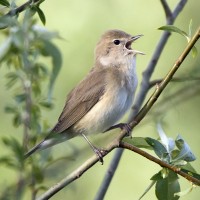
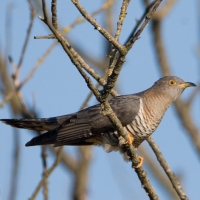
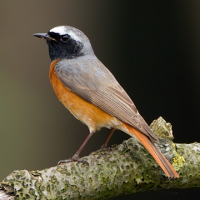
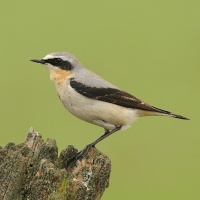
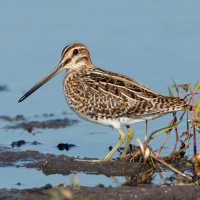
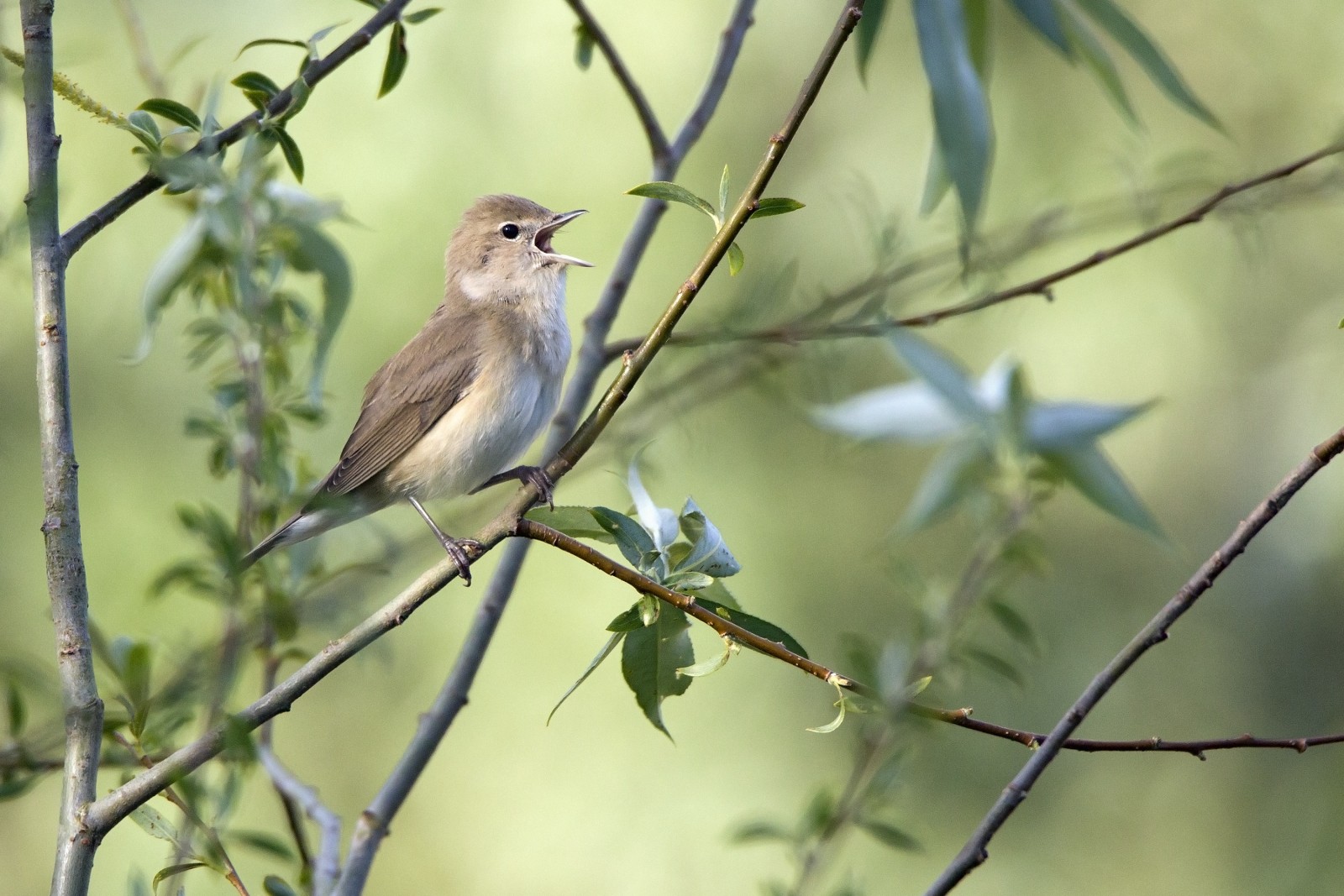
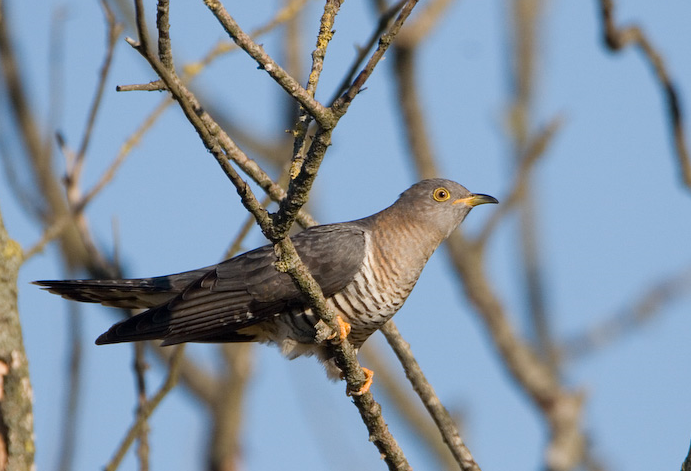
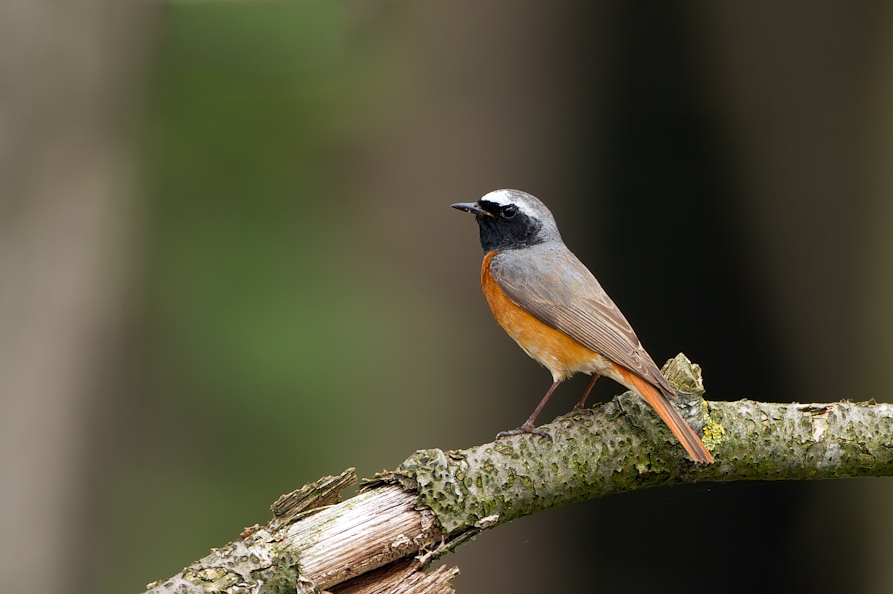
Emsworthy Mire is a Devon Wildlife Trust reserve (since 2012), situated in a sloping valley that consists of an abandoned (1870) moorland farm (the area is believed to have been inhabited since the bronze age) and an extensive area of 'boggy' marsh (see WARNING below). Most non birdwatchers visit the reserve in early summer to see the flowering 'English' Bluebells (Hyacinthoides non-scripta) that flower over a wide area, NOTE the flowering here is approximately a month later due to the high elevation of the site compared to lower level Bluebells. For birdwatchers it has an excellent bird list that includes Coucou gris, Tarin des aulnes, Fauvette des jardins, Fauvette babillarde, Fauvette grisette, Rougequeue à front blanc, Pipit farlouse, Tarier des prés, Traquet motteux, Merle à plastron, Pipit des arbres and Bécassine des marais amongst many others. The reserve is only like it is today due to the hard work of a 'band' of volunteers, who have opened up areas and built signage and boardwalks to enable access to more areas.
The A38 (Devon Expressway) runs between Exeter (to the East) and Plymouth (to the West), runs close to the town of Bovey Tracy. Turn off A38 (near Heathfield) onto A382 to Bovey Tracy, on reaching Bovey Tracy turn Left at roundabout onto B3387 signed Haytor/Widdicome-in-the-Moor. After approximately 1 mile fork Left and continue on B3387. The road gradually rises to open moorland. On passing The National Park Visitor Centre (on Left), you soon pass Haytor Rocks (see separate entry) on the Right, continue on this road and the next high point is Saddle Tor (on the Right). The car park (approx 12 spaces - called Saddle Tor South) for Emsworthy Mire is further along this road on the Right.
WARNING: YOU ARE STRONGLY ADVISED to follow recommended waymarked routes DUE TO EXTENSIVE EXTREME 'BOGGY' AREAS. These areas are very sensitive due to rare plants and nesting birds. NOTE in periods of extreme Winter weather many birds relocate to lower valleys.
 ) Insérez les noms d'oiseau dans votre langue. Ils seront automatiquement traduits pour les autres usagers !
Votre feedback sera transmis à l’auteur.rice de cette zone et à l’équipe éditoriale de Birdingplaces, qui l’utiliseront pour améliorer la qualité des informations. (Vous souhaitez publier un commentaire visible en bas de page ? Fermez cette fenêtre et choisissez l’Option 1 : « Publier un commentaire, un conseil ou une observation ».)
Veuillez fournir des suggestions d'améliorations ou d'ajouts au texte de ce site ornithologique.
Veuillez fournir vos suggestions d'améliorations ou d'ajouts à la carte.
Veuillez fournir des suggestions d'améliorations ou d'ajouts à la liste des oiseaux.
Cliquez sur l'icône de l'oiseau () Insérez les noms d'oiseau dans votre langue. Ils seront automatiquement traduits pour les autres usagers !