Charger images
Les formats d'image autorisés sont de type jpeg, png ou gif
La taille maximale du fichier doit être de 20MB
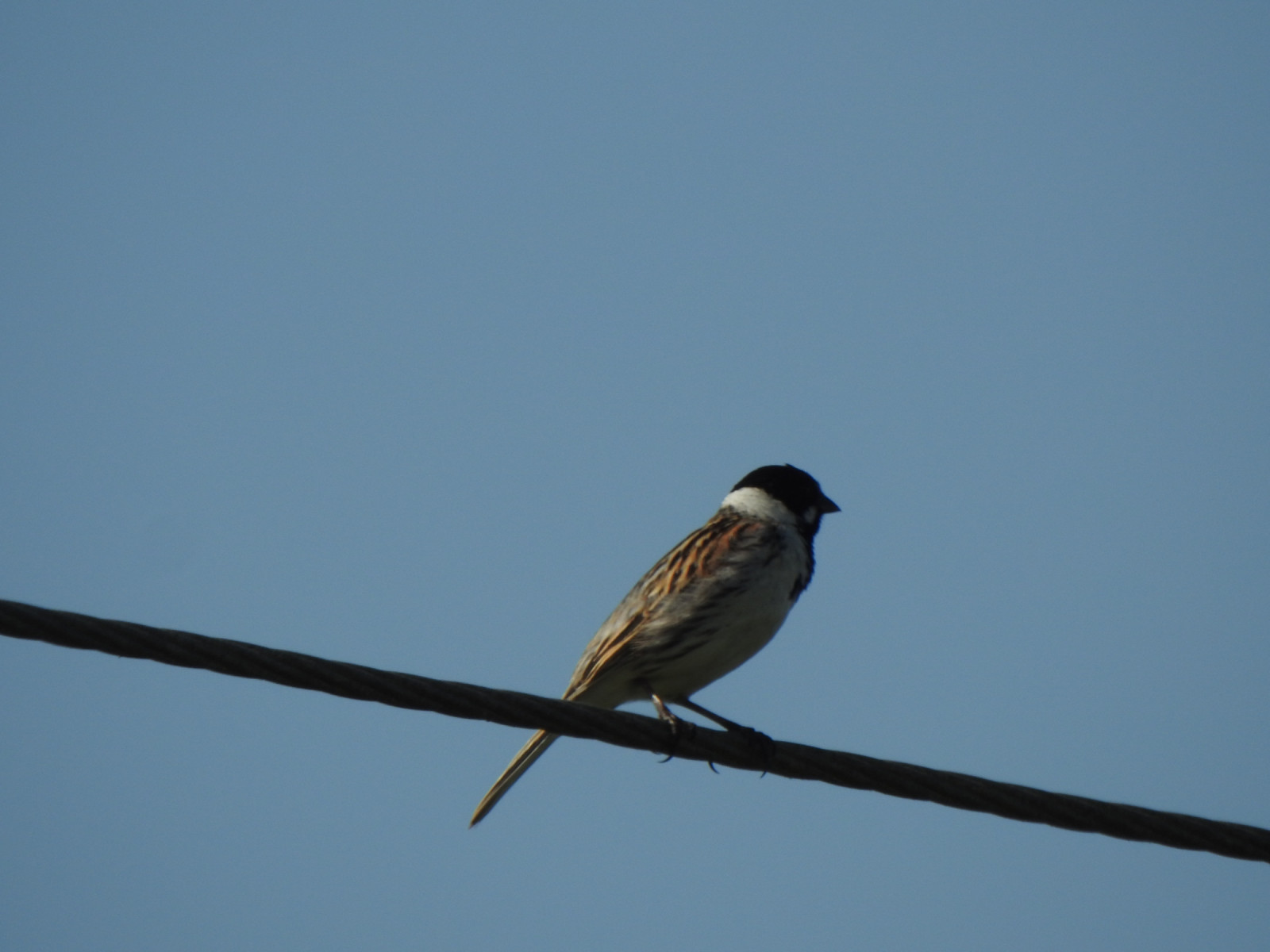

A chain of flooded clay pits and extensive reedbeds along the Humber Bank.
Far Ings National Nature Reserve is a legacy of the brick and tile industry. A chain of flooded clay pits and extensive reed beds along the Humber bank from west of Barton-upon-Humber to New Holland. The site comprise the open water of Ness Lake, large areas of reed bed, grassland, hedgerow and scrub. The Visitor Centre has wonderful panoramic views across the reserve and the estuary, along with a gift shop and refreshments.
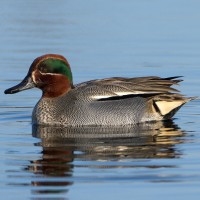
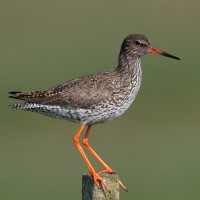
In spring and autumn you can see migration in action. Pipits, finches, swallows, martins, swifts, larks, starlings, waders and wildfowl move along the estuary. In late summer the reedbeds are important hirundine roosts. Autumn and winter reward the observer on the Humber bank with sightings of Chevalier gambette, Canard siffleur, Barge à queue noire, skeins of Oie à bec court and many more species. Among the wildfowl which spend the winter months on the pits within the reserve, look for the diminutive Sarcelle d'hiver.
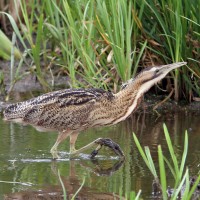
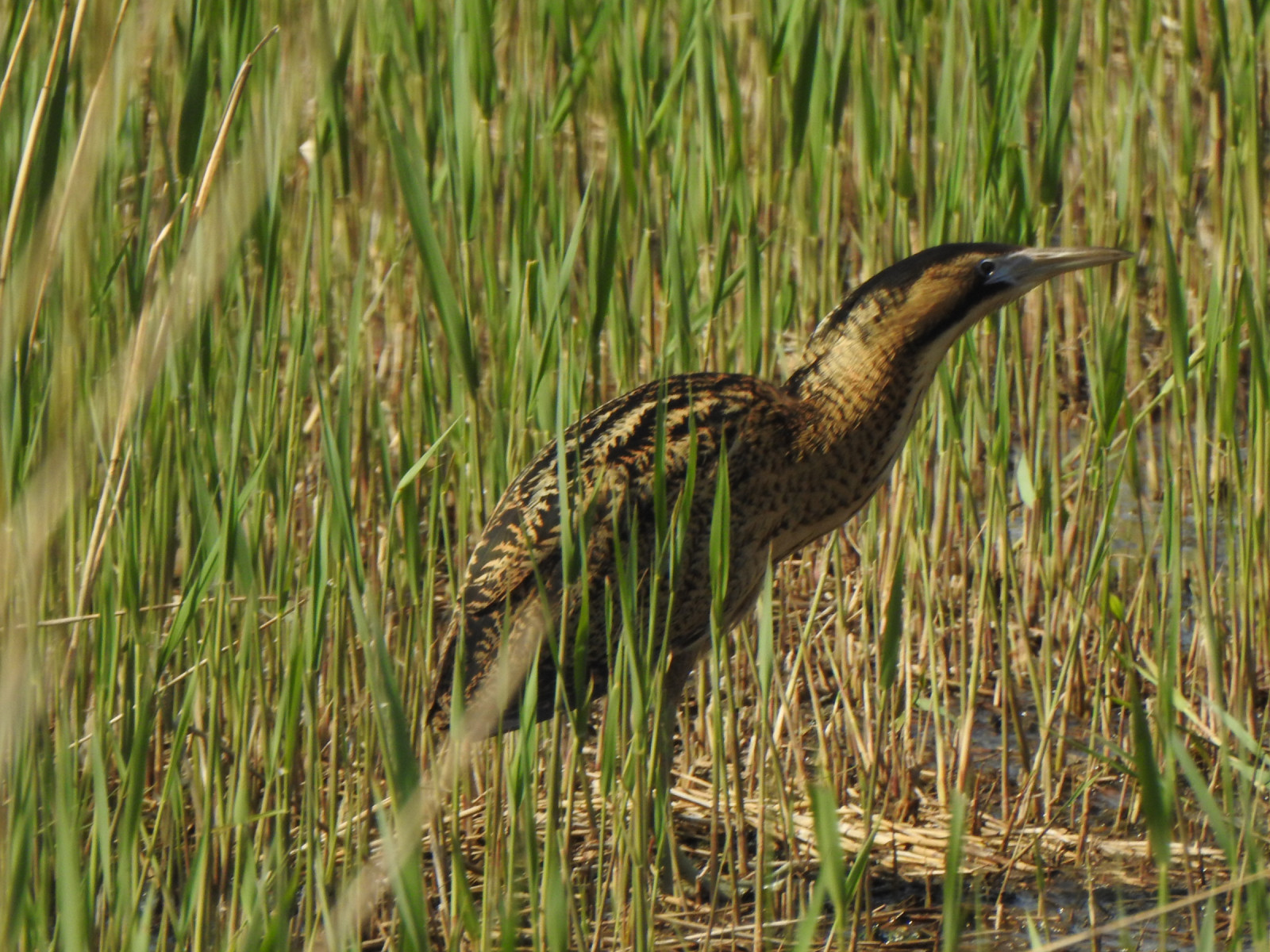
There are Butor étoilé on the reserve all year and they are seen in various locations across the reserve. It is possible to hear them ‘booming’ in the spring from about March. A good location to try is the double decker hide at Ness End Farm. Butor étoilé is seen from here on a regular but infrequent basis – they are very shy birds and good at hiding.
Many paths are suitable for wheelchairs (except for closed gates when sheep are present), and there is disabled access to two bird hides. Click on a P in the map to get directions to the parking of your choice.
 ) Insérez les noms d'oiseau dans votre langue. Ils seront automatiquement traduits pour les autres usagers !
Votre feedback sera transmis à l’auteur.rice de cette zone et à l’équipe éditoriale de Birdingplaces, qui l’utiliseront pour améliorer la qualité des informations. (Vous souhaitez publier un commentaire visible en bas de page ? Fermez cette fenêtre et choisissez l’Option 1 : « Publier un commentaire, un conseil ou une observation ».)
Veuillez fournir des suggestions d'améliorations ou d'ajouts au texte de ce site ornithologique.
Veuillez fournir vos suggestions d'améliorations ou d'ajouts à la carte.
Veuillez fournir des suggestions d'améliorations ou d'ajouts à la liste des oiseaux.
Cliquez sur l'icône de l'oiseau () Insérez les noms d'oiseau dans votre langue. Ils seront automatiquement traduits pour les autres usagers !