Charger images
Les formats d'image autorisés sont de type jpeg, png ou gif
La taille maximale du fichier doit être de 20MB
Tidal access island on coast, with small village. Coastal, mudflats, rough farmland, dunes, rocky coast. Hotspot for spring / autumn migrants, winter visitors.
Holy Island is a tidal island off Northumberland’s coast that becomes inaccessible when the tide covers its causeway. When it is safe to cross the causeway, it is a great destination for birders. Holy Island is part of the Lindisfarne National Nature Reserve, and considered to be one of the best birdwatching sites in Northumberland, with a large range of resident and visiting birds throughout the year. It is a regional hotspot for migrants in spring and autumn. Check tide tables before visiting (see the link below).
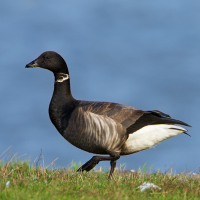
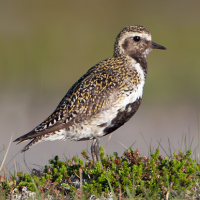
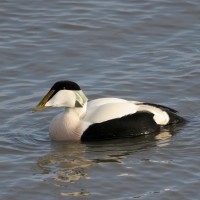
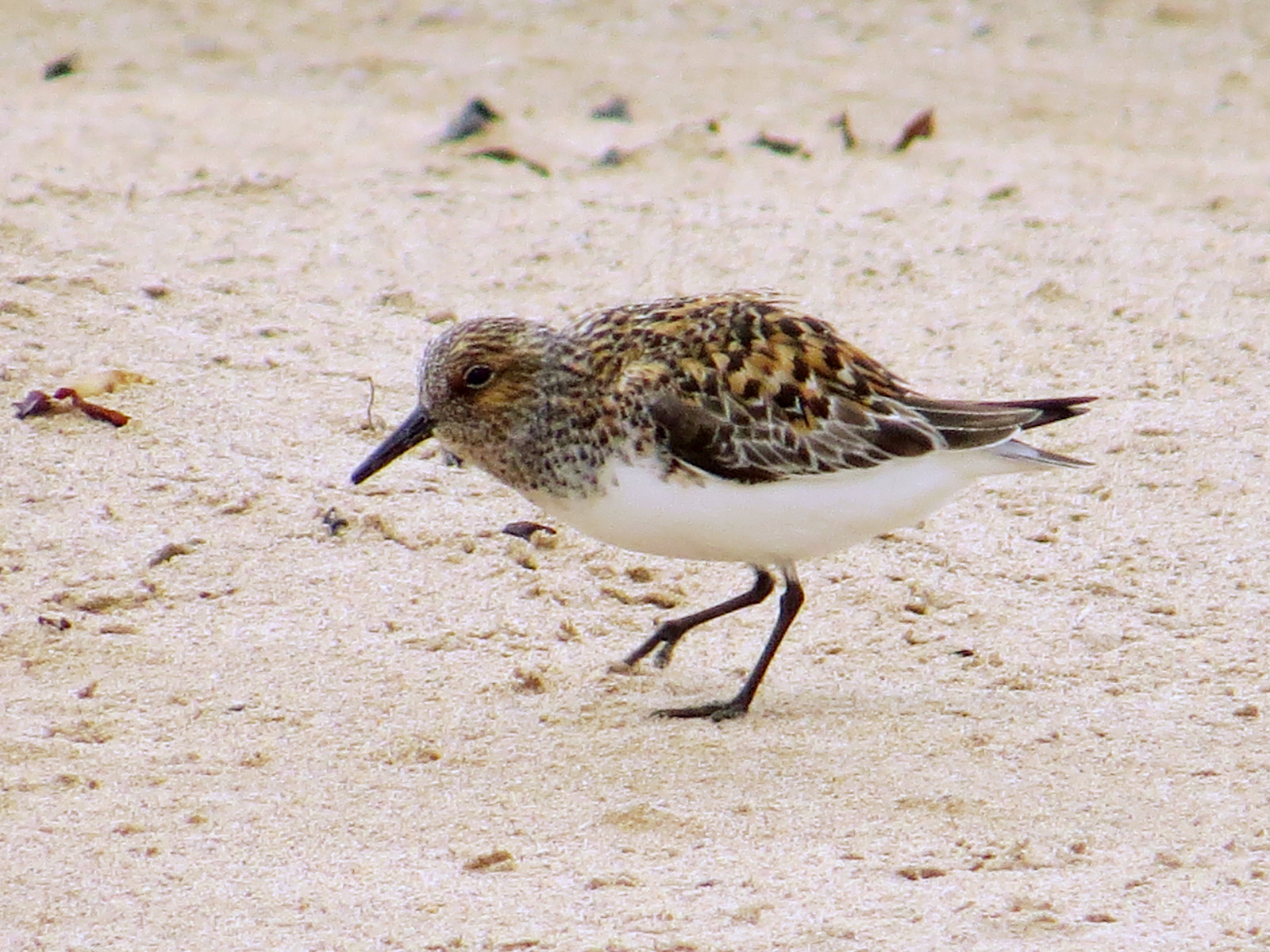
The island and the adjacent mudflats are the wintering range for almost the entire Svalbard population of Pale-bellied Bernache cravant, and are also important for Oie à bec court and Cygne chanteur, along with large numbers of ducks (notably Tadorne de Belon, Canard siffleur, Sarcelle d'hiver, Canard pilet) and waders (Pluvier argenté, Bécasseau maubèche, Bécasseau variable, Barge rousse, Chevalier gambette, and many others). In late May, the north shore is a major staging post for large flocks of Grand Gravelot and Bécasseau sanderling heading for the high arctic, while Bécasseau cocorli and Bécasseau minute can often be found in late summer and autum. The large autumn flocks of Pluvier doré in the fields are also worth checking carefully for regular vagrant Pluvier bronzé; Pluvier fauve has also been recorded several times.
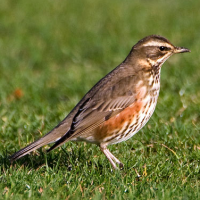
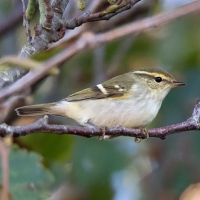
In October and November, look for large arrivals of thrushes, mostly Grive mauvis and Grive litorne, but also Grive musicienne and Merle noir, and a few Merle à plastron; the fields around the Straight Lonnen often have the largest numbers. At the same time, the hedges on the Straight Lonnen and the scattered bushes in the dunes often have many warblers and chats, with Fauvette à tête noire, Pouillot véloce and Rougequeue à front blanc the most conspicuous, but also regularly other species like Pouillot à grands sourcils, Pouillot de Pallas, Fauvette épervière, Gobemouche nain, Gobemouche noir, and Gorgebleue à miroir.
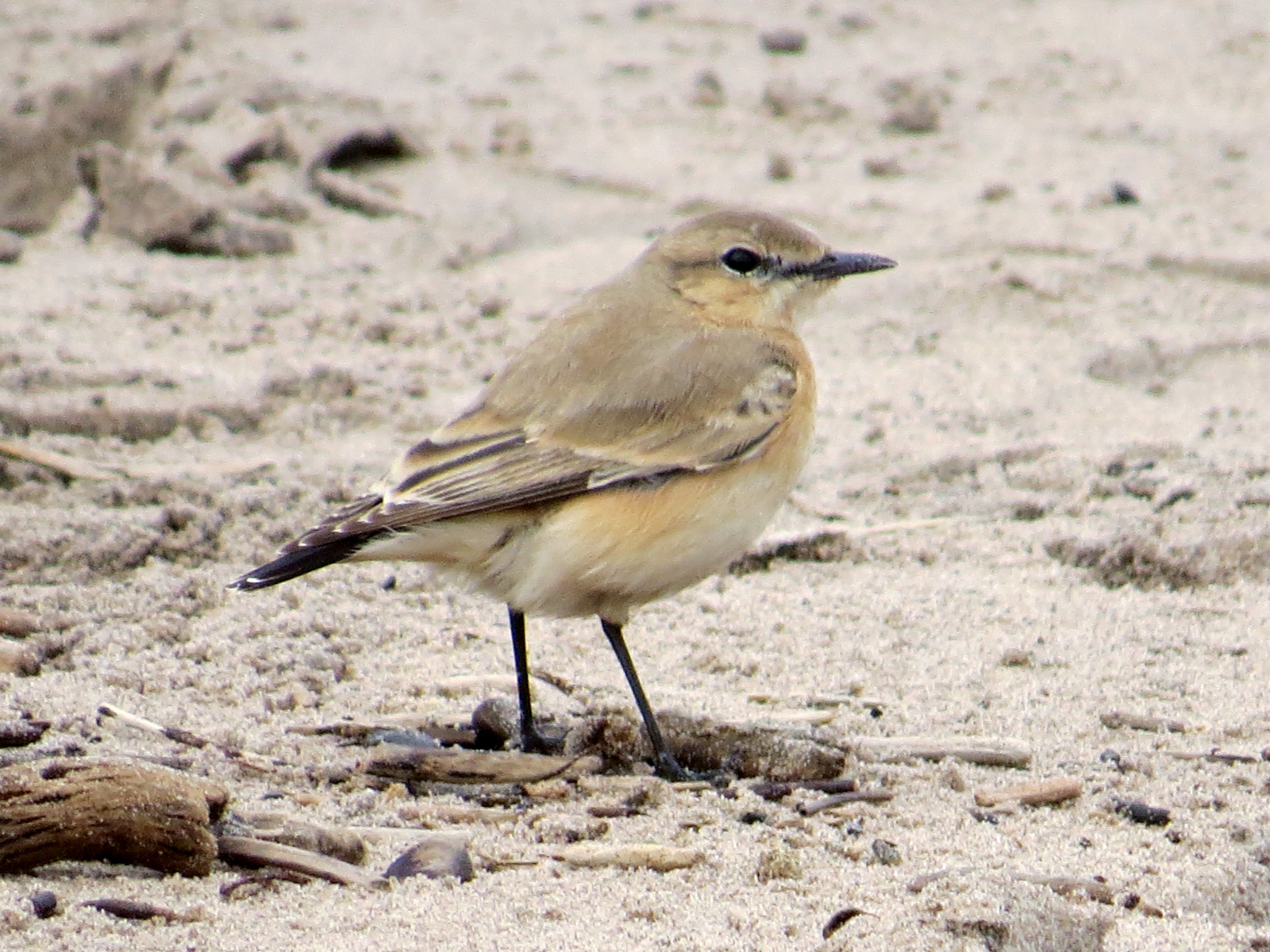
Recent rarities have included Oie des moissons, Oie de la toundra, Grèbe esclavon, Mouette de Sabine, Plongeon à bec blanc, Faucon kobez, Pie-grièche brune, Pie-grièche à poitrine rose,Pouillot boréal, Pouillot verdâtre, Pouillot brun, Locustelle de Pallas, Fauvette naine, Étourneau roselin, Grive dorée, Robin à flancs roux, Traquet isabelle, Bruant nain.
Signposted east off the A1 at Beal; head east for 8 km on minor raod, across tidal causeway. Parking on left just before entering village. Limited parking off road in western part of the island. Nearest train station is Berwick, 12 km north. Possible to cycle but research before trying. On the map below you see a selection of walks around the island.
Holy Island is also known as Lindisfarne. Single bird hide overlooking The Lough (a small lake on the east side of the island). Viewpoint over small wetland (good for waders) on path from village to castle. Paths criss-cross the island and various circular walks can be made. Stay on marked paths as far as possible. Cattle graze the dunes. One site worth visiting is the Vicar's garden, in the SW corner of the village across the lane from the church (look over the wall from the adjacent pony field); vagrant warblers can be seen here after east winds in migration periods.
 ) Insérez les noms d'oiseau dans votre langue. Ils seront automatiquement traduits pour les autres usagers !
Votre feedback sera transmis à l’auteur.rice de cette zone et à l’équipe éditoriale de Birdingplaces, qui l’utiliseront pour améliorer la qualité des informations. (Vous souhaitez publier un commentaire visible en bas de page ? Fermez cette fenêtre et choisissez l’Option 1 : « Publier un commentaire, un conseil ou une observation ».)
Veuillez fournir des suggestions d'améliorations ou d'ajouts au texte de ce site ornithologique.
Veuillez fournir vos suggestions d'améliorations ou d'ajouts à la carte.
Veuillez fournir des suggestions d'améliorations ou d'ajouts à la liste des oiseaux.
Cliquez sur l'icône de l'oiseau () Insérez les noms d'oiseau dans votre langue. Ils seront automatiquement traduits pour les autres usagers !