Charger images
Les formats d'image autorisés sont de type jpeg, png ou gif
La taille maximale du fichier doit être de 20MB
The trees , shrub beds and herbaceous plantings provide rich habitats for song birds including Rougegorge familier, Mésange à longue queue and so much more.
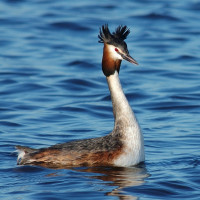
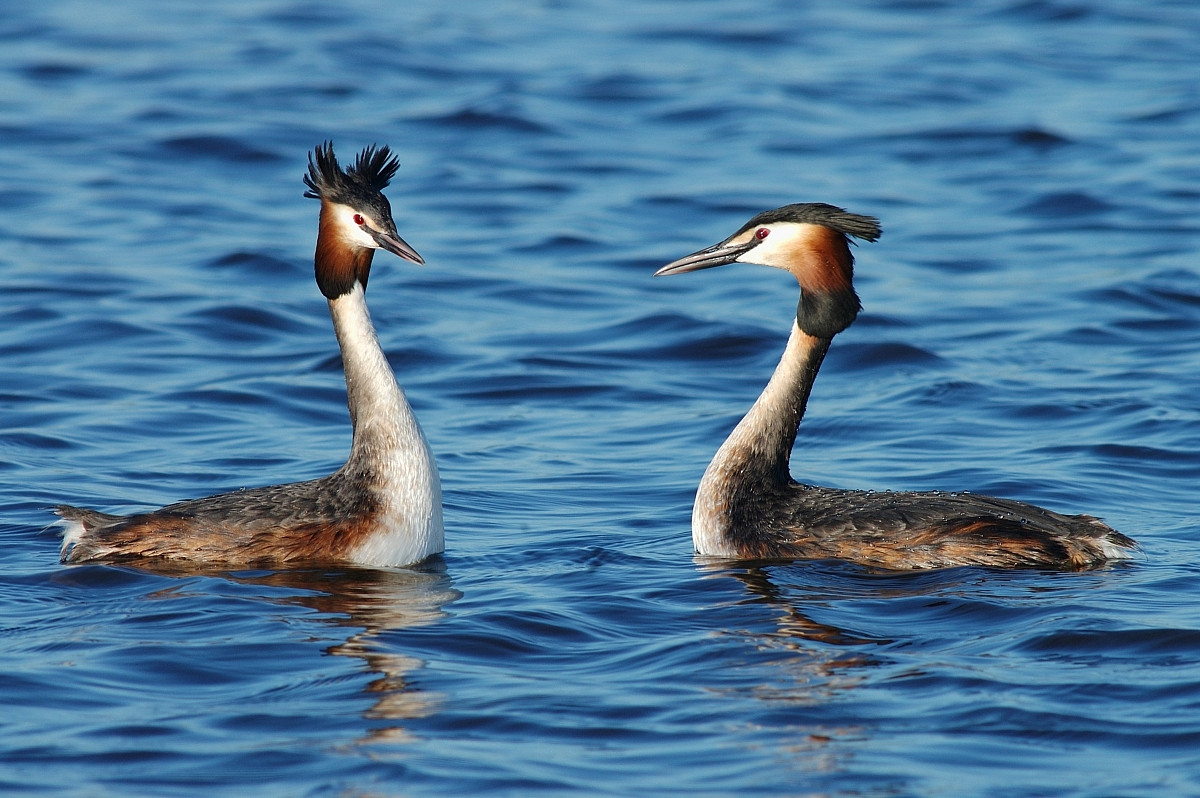
Hyde Park is with 140 hectares one of the lagest city parks in London. The park is divided by the Serpentine and the Long Water lakes. The Serpentine attracts a large number of wildfowl into the park, many of which are winter visitors. Look out for the Grèbe huppé and their spectacular mating rituals. The lake also attracts a large number of insects that provides a perfect feeding ground for bats. The best place to view bats is on Dell bridge around dusk and also close to Serpentine Bridge.
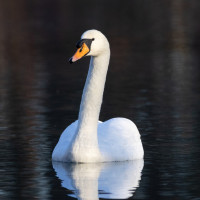
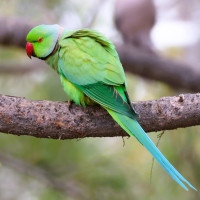
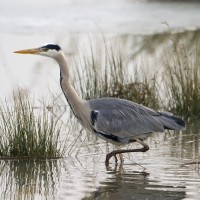
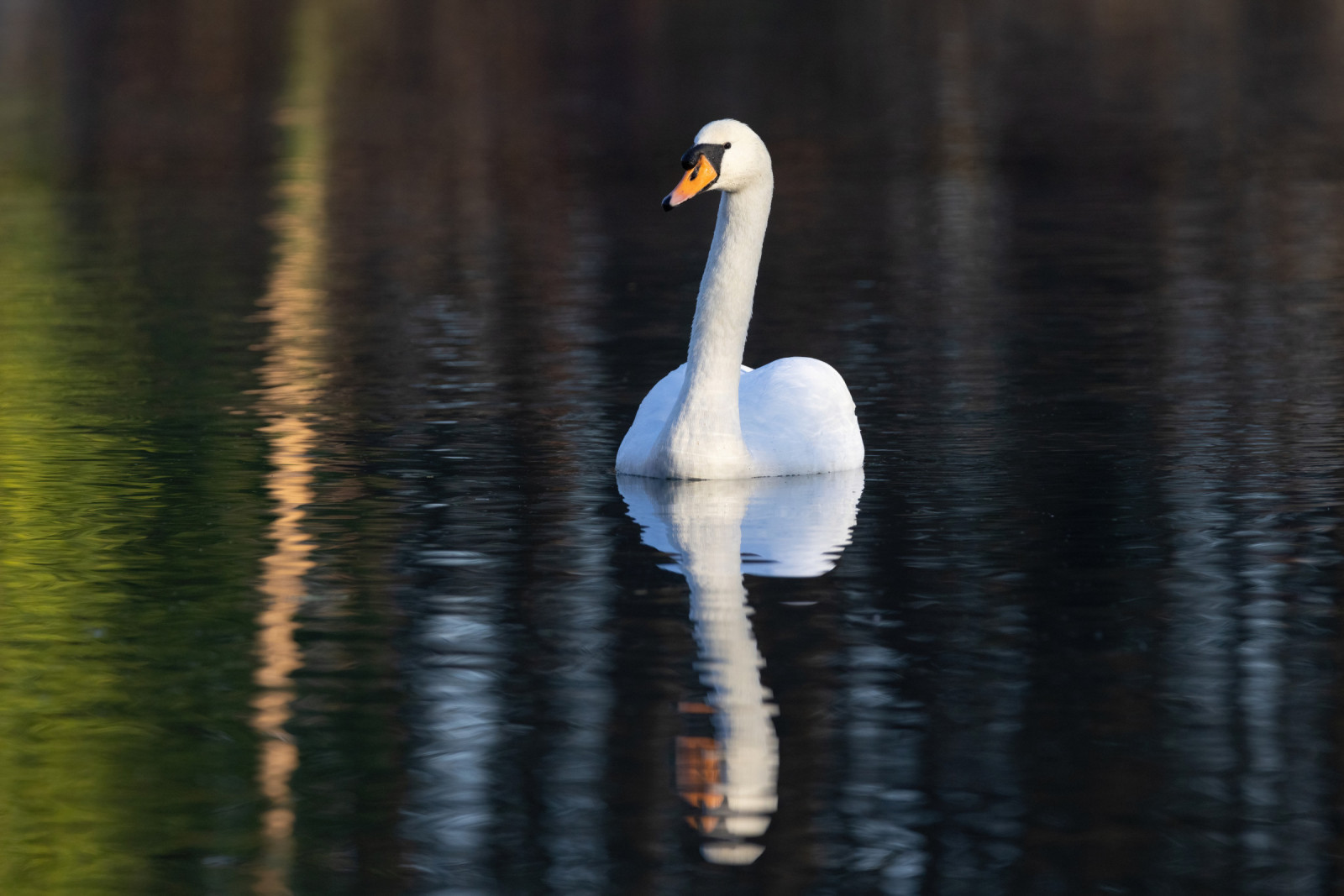
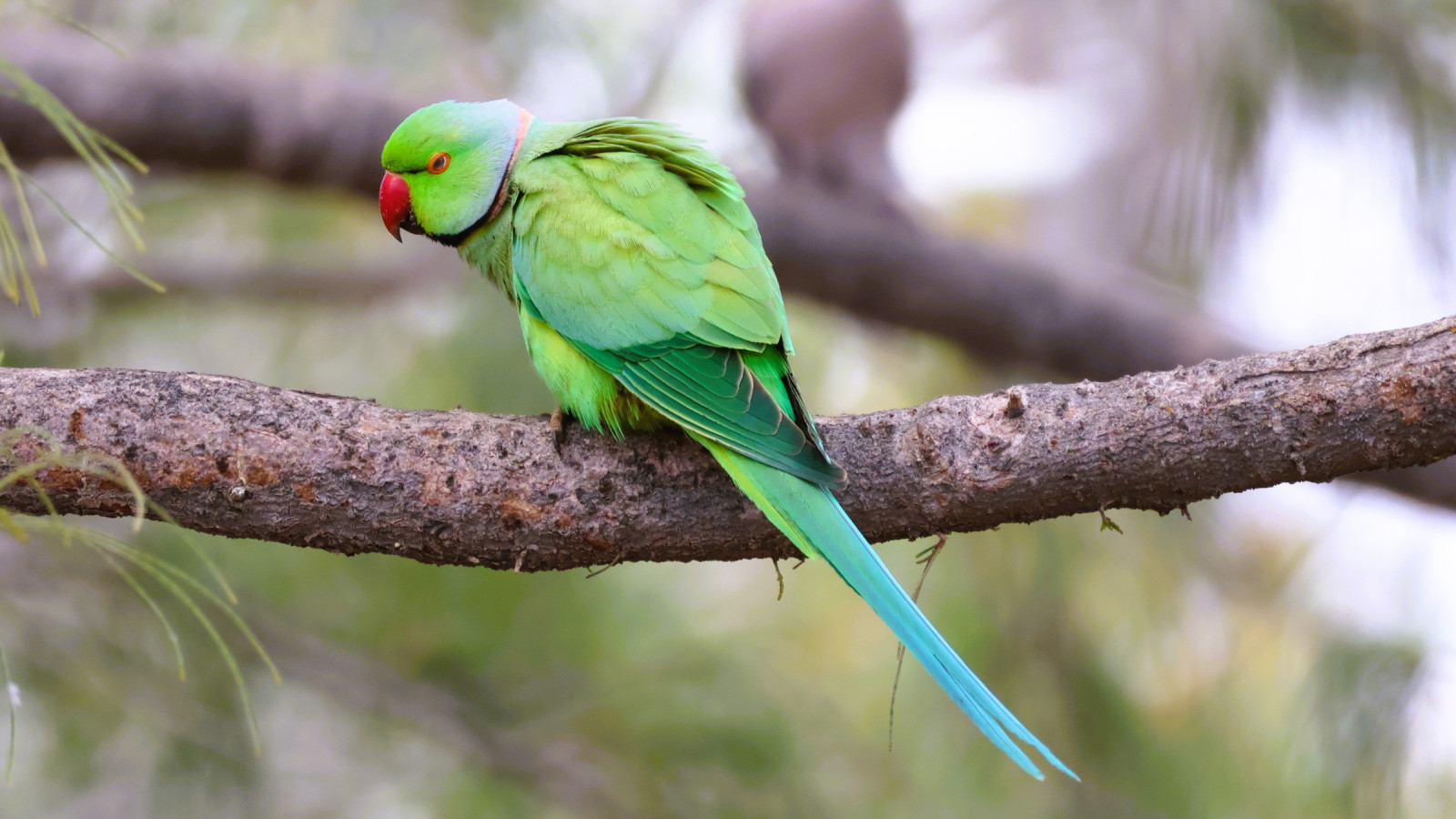
Much of the wildlife in the park goes unnoticed by the majority of visitors. This includes a large number of 'minibeasts' such as beetles, bees and ground foraging insects. These insects are a vital component of the park ecosystem and the creation and protection of their habitats is very important for the overall health of the park. Among the birds you can encounter are Buse variable, Ouette d'Égypte, Perruche à collier, Faucon crécerelle, Épervier d'Europe, Cygne tuberculé, Grive musicienne, Mésange à longue queue and Héron cendré.
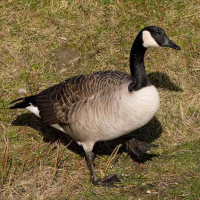
As well as wild-breeding feral introduced species like Bernache du Canada, Bernache nonnette, Ouette d'Égypte, Canard mandarin, and Nette rousse, there are also some captive-bred birds such as Oie à tête barrée, Black Swan, and Fulvous Whistling Duck; these are not included in the list below as they are not wild.
The best way to get to Hyde Park is via public transport. Hyde Park Corner, Knightsbridge and Marble Arch stations are the closest stations but are expected to be busy and can sometimes be closed. For a quieter journey, travel to and from Victoria, Bond Street and Paddington, which are all within a 20-minute walk of Hyde Park. If you require step-free access or are travelling with a buggy, it is advised to use Green Park or Bond Street stations to make use of the lift facilities. You can also cycle, take the bus or drive.
 ) Insérez les noms d'oiseau dans votre langue. Ils seront automatiquement traduits pour les autres usagers !
Votre feedback sera transmis à l’auteur.rice de cette zone et à l’équipe éditoriale de Birdingplaces, qui l’utiliseront pour améliorer la qualité des informations. (Vous souhaitez publier un commentaire visible en bas de page ? Fermez cette fenêtre et choisissez l’Option 1 : « Publier un commentaire, un conseil ou une observation ».)
Veuillez fournir des suggestions d'améliorations ou d'ajouts au texte de ce site ornithologique.
Veuillez fournir vos suggestions d'améliorations ou d'ajouts à la carte.
Veuillez fournir des suggestions d'améliorations ou d'ajouts à la liste des oiseaux.
Cliquez sur l'icône de l'oiseau () Insérez les noms d'oiseau dans votre langue. Ils seront automatiquement traduits pour les autres usagers !