Charger images
Les formats d'image autorisés sont de type jpeg, png ou gif
La taille maximale du fichier doit être de 20MB
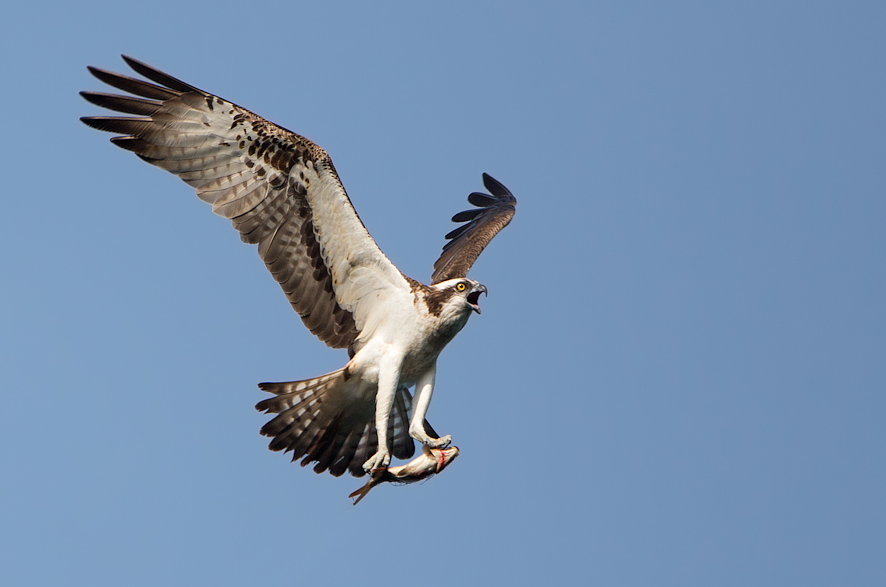

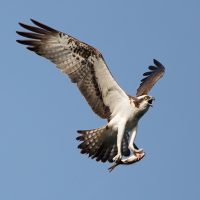
Lake and surrounding woodland that host a large variety of birds. Star attraction is the breeding pair of Balbuzard pêcheur.
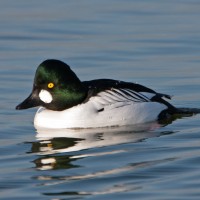
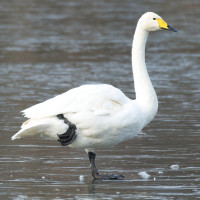
Loch of the Lowes is a lake near Dunkeld. The loch and the surrounding area are designated as a wildlife reserve, run by the Scottish Wildlife Trust. The area hosts a large variety of birds. In winter Oie à bec court, Oie cendrée, Canard siffleur and Cygne chanteur can be seen on the loch, and in summer, large numbers of Hirondelle rustique, Hirondelle de rivage and Martinet noir can be seen over the water. Fuligule morillon, Garrot à oeil d'or and Grèbe huppé can be seen year-round.
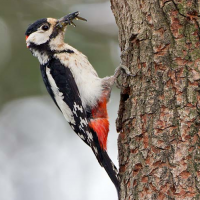
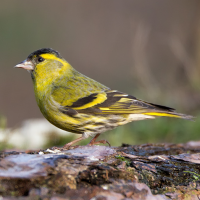
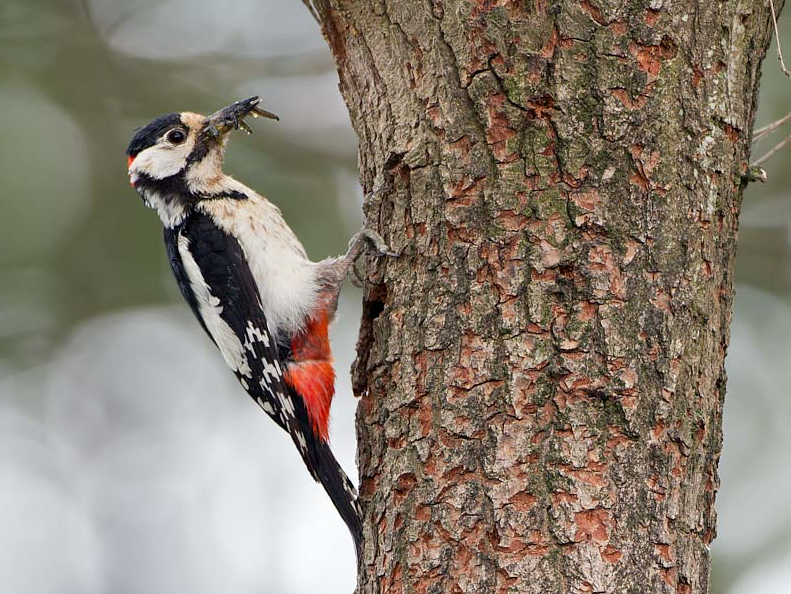
In the woodlands, there are Geai des chênes, Grimpereau des bois, Pic épeiche, Tarin des aulnes and Épervier d'Europe. In the winter Sizerin flammé and Pinson du Nord frequent the woods, and in summer Rougequeue à front blanc and Coucou gris can be found. Between late March to late August, there are a pair of breeding Balbuzard pêcheur. Their nest is situated within 200 metres of an observation hide, allowing up-close viewing through binoculars and telescopes.
The reserve is situated 16 miles north of Perth and 2 miles north east of Dunkeld, just off the A923 Dunkeld to Blairgowrie road (signposted from the A9). The car park is situated at the roadside 120m from the visitor centre, and is linked by a wheelchair friendly path. Visitors can also walk from Dunkeld using the Fungarth Path (with various parking options), which is about 2 miles in length and 5 miles as a circular route (see the map). From March until the end of October the Visitor Centre is open every day from 10.30am until 5pm. From November until the end of February the Visitor Centre is open on Friday, Saturday and Sunday from 10.30am to 4pm.
 ) Insérez les noms d'oiseau dans votre langue. Ils seront automatiquement traduits pour les autres usagers !
Votre feedback sera transmis à l’auteur.rice de cette zone et à l’équipe éditoriale de Birdingplaces, qui l’utiliseront pour améliorer la qualité des informations. (Vous souhaitez publier un commentaire visible en bas de page ? Fermez cette fenêtre et choisissez l’Option 1 : « Publier un commentaire, un conseil ou une observation ».)
Veuillez fournir des suggestions d'améliorations ou d'ajouts au texte de ce site ornithologique.
Veuillez fournir vos suggestions d'améliorations ou d'ajouts à la carte.
Veuillez fournir des suggestions d'améliorations ou d'ajouts à la liste des oiseaux.
Cliquez sur l'icône de l'oiseau () Insérez les noms d'oiseau dans votre langue. Ils seront automatiquement traduits pour les autres usagers !