Charger images
Les formats d'image autorisés sont de type jpeg, png ou gif
La taille maximale du fichier doit être de 20MB
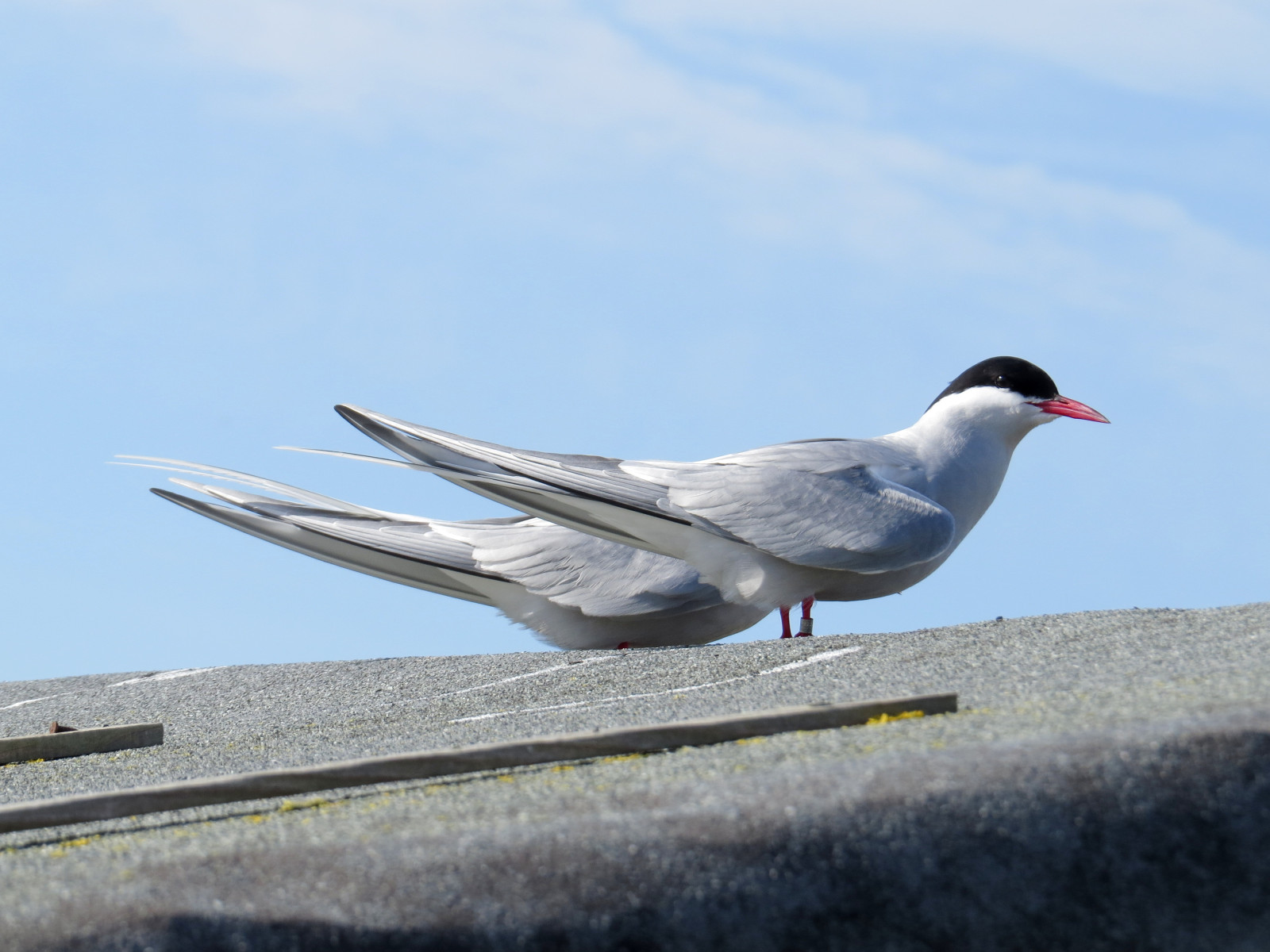
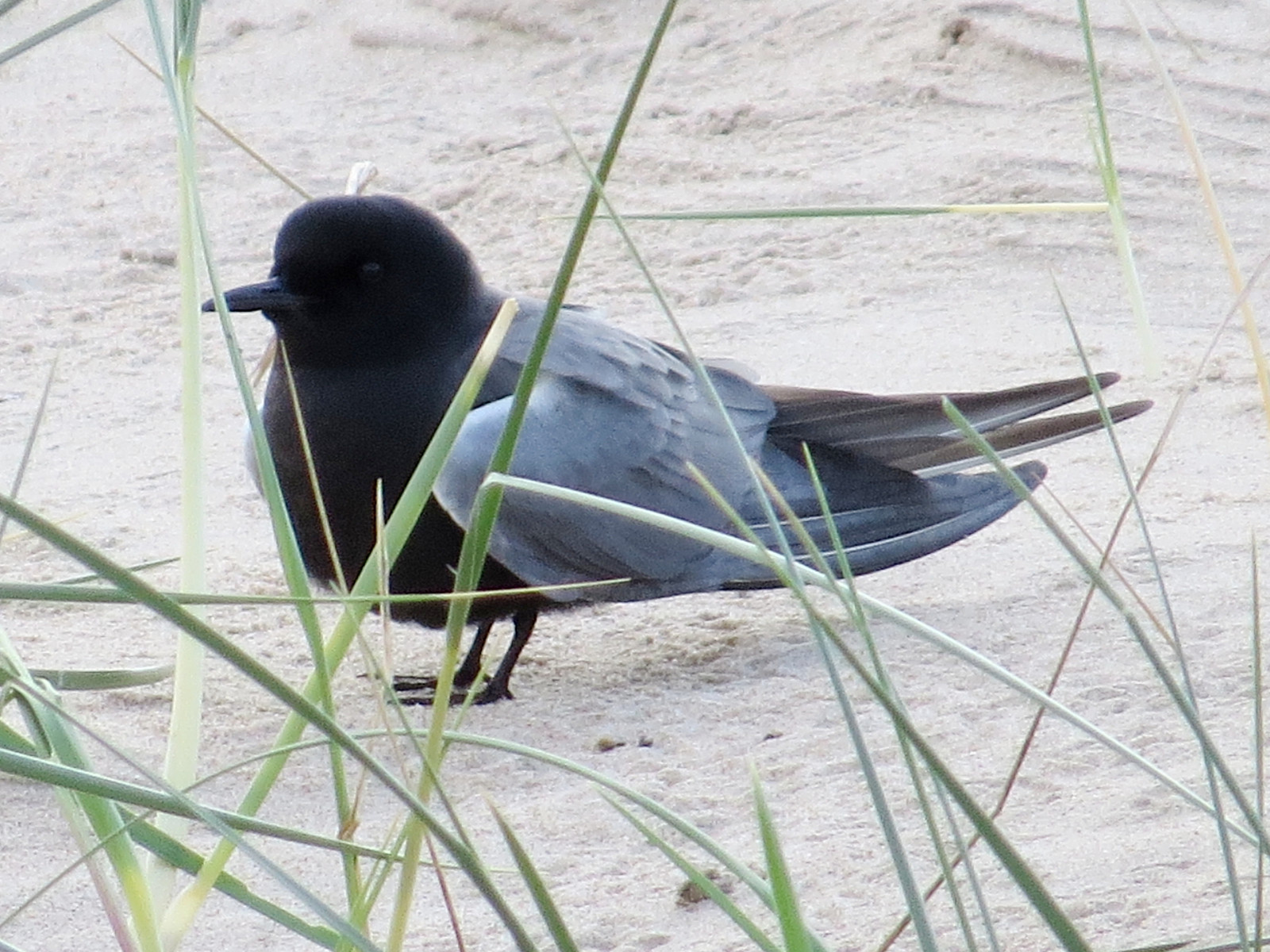
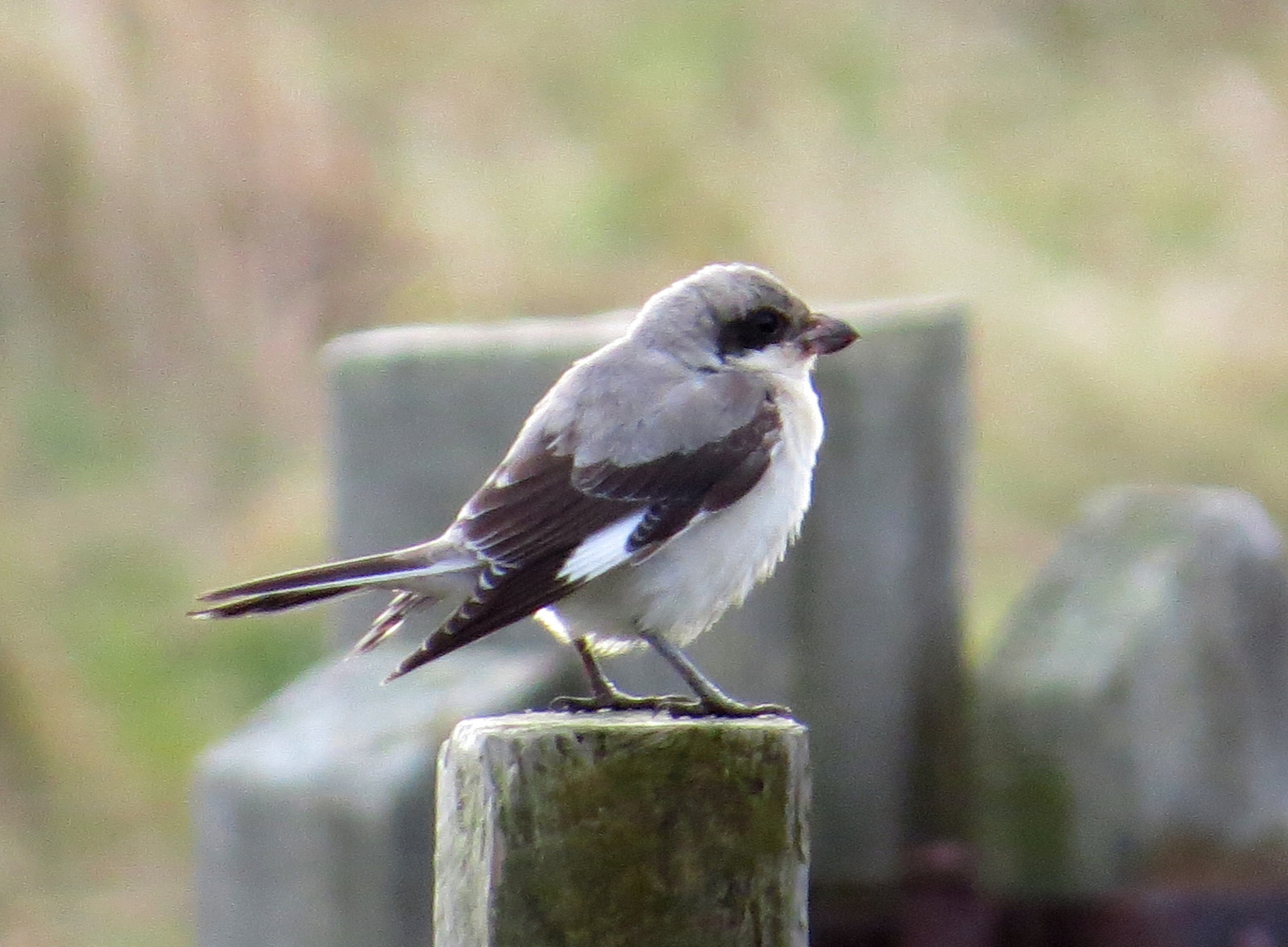
The estuary of a small stream, and the sand dunes around it, on the north Northumberland coast.
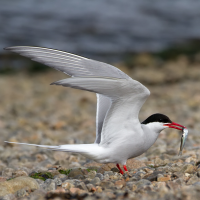
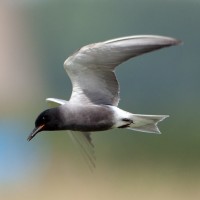
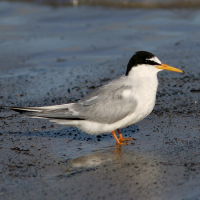
The Long Nanny is notable for its important tern colony on the beach, and for waders using the estuary. In recent years, 1,000-2,000 pairs of Sterne arctique and 30-40 pairs of Sterne naine have bred, and since 2020, a single Guifette noire of the American subspecies 'Chlidonias niger surinamensis' has spent its summers at the colony, attracting considerable interest; it has returned in 2025. Sterne de Dougall and Sterne caugek also visit the colony regularly, but do not breed.
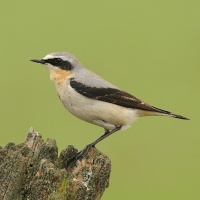
The tern colony is wardened round the clock in summer. Birders are welcome to visit the wardens' hut, where the terns can be seen at close range. The dunes hold breeding Tarier pâtre and Pipit farlouse, and have good numbers of passage Traquet motteux and other migrants. In winter, the saltmarsh often holds a Linotte à bec jaune flock, which can also attract occasional Alouette haussecol and Bruant des neiges. Brackish water channels in the saltmarsh attract breeding Tadorne de Belon and a good range of passage waders such as Courlis cendré and Courlis corlieu. Many rarer species have been recorded, including Chevalier bargette, Chevalier à pattes jaunes, Pie-grièche à poitrine rose (2 records!), Alouette calandrelle, and Pipit de Richard.
The site is a fairly long walk (about 2 km) from the nearest parking. There is no shelter, and no visitor facilities, so come prepared for both sunburn and bad weather! Most of the walk is easy, but some parts (particularly the final 300 m to the wardens' hut viewpoint) are narrow and loose sand. Parking is available at High Newton to the south (£), and Beadnell to the north (free up to 1 hour, then £). Click on a P in the map for directions. Bus X18 (Newcastle-Berwick) to Beadnell, about 2.5 km. The coastal path is open to cycles, but heavy going through loose sand in places; likewise, difficult for wheelchairs and all-terrain mobility scooters (and the path to the wardens' hut not accessible). It is important to stick to the paths; do not cross the ropes protecting the tern colony.
If visiting during the breeding season, please share your sightings with the wardens! They will be happy to help you find other birds in return.
 ) Insérez les noms d'oiseau dans votre langue. Ils seront automatiquement traduits pour les autres usagers !
Votre feedback sera transmis à l’auteur.rice de cette zone et à l’équipe éditoriale de Birdingplaces, qui l’utiliseront pour améliorer la qualité des informations. (Vous souhaitez publier un commentaire visible en bas de page ? Fermez cette fenêtre et choisissez l’Option 1 : « Publier un commentaire, un conseil ou une observation ».)
Veuillez fournir des suggestions d'améliorations ou d'ajouts au texte de ce site ornithologique.
Veuillez fournir vos suggestions d'améliorations ou d'ajouts à la carte.
Veuillez fournir des suggestions d'améliorations ou d'ajouts à la liste des oiseaux.
Cliquez sur l'icône de l'oiseau () Insérez les noms d'oiseau dans votre langue. Ils seront automatiquement traduits pour les autres usagers !