,_Etangs_de_Stavelot,_Belgien_(38631119665) Frank Vassen.jpg)
Charger images
Les formats d'image autorisés sont de type jpeg, png ou gif
La taille maximale du fichier doit être de 20MB
With a wide variety of habitats beneficial to birds Musselburgh Lagoons has a birdlist of an impressive 226 species.
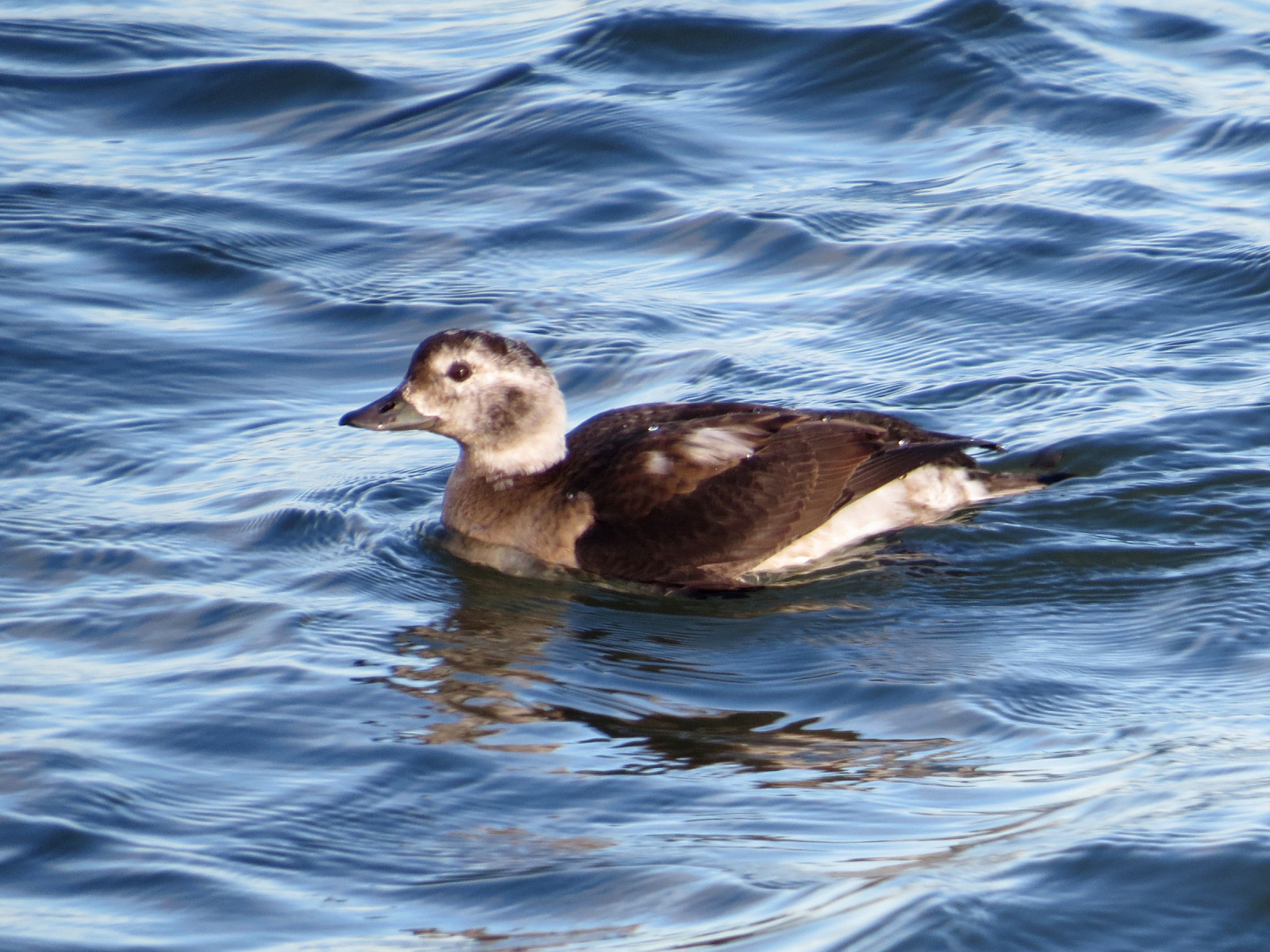
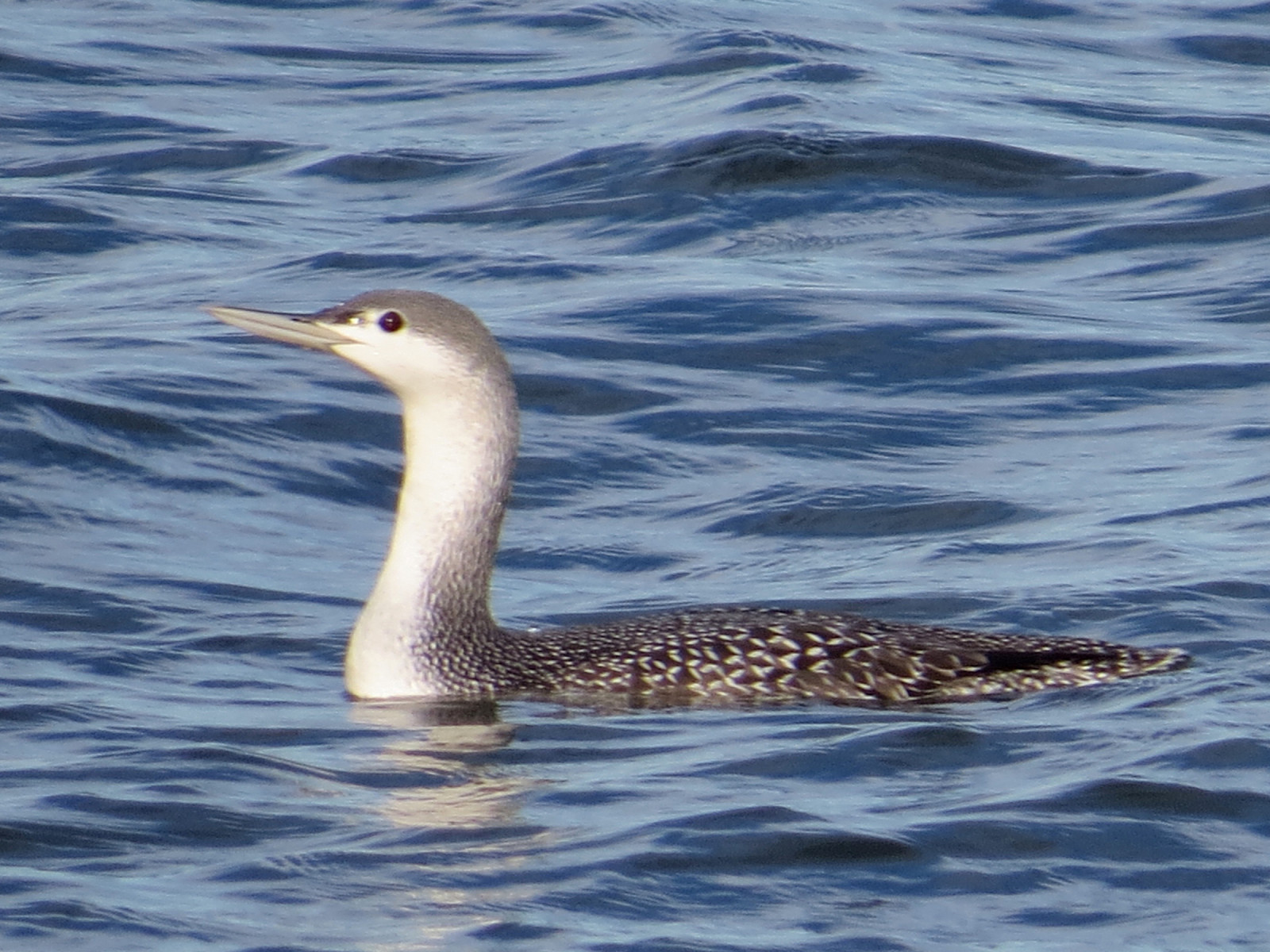
Musselburgh is an area of reclaimed mudflats which were landscaped with trees and scrapes, and with a seawall directly overlooking deep but sheltered water in the Firth of Forth. Grassland, woodlands, open ash lagoons, a boating pond and artificial wader scrapes. Good for terns, gulls, waders and grebes and one of the best places to see sea ducks, including as many as five species of Scoter, off the seawall.
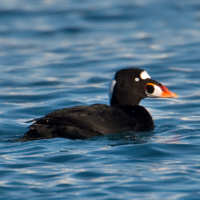
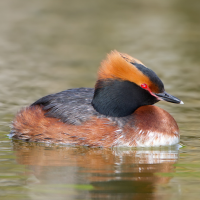
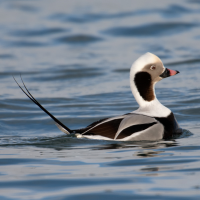
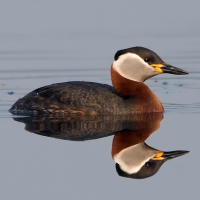
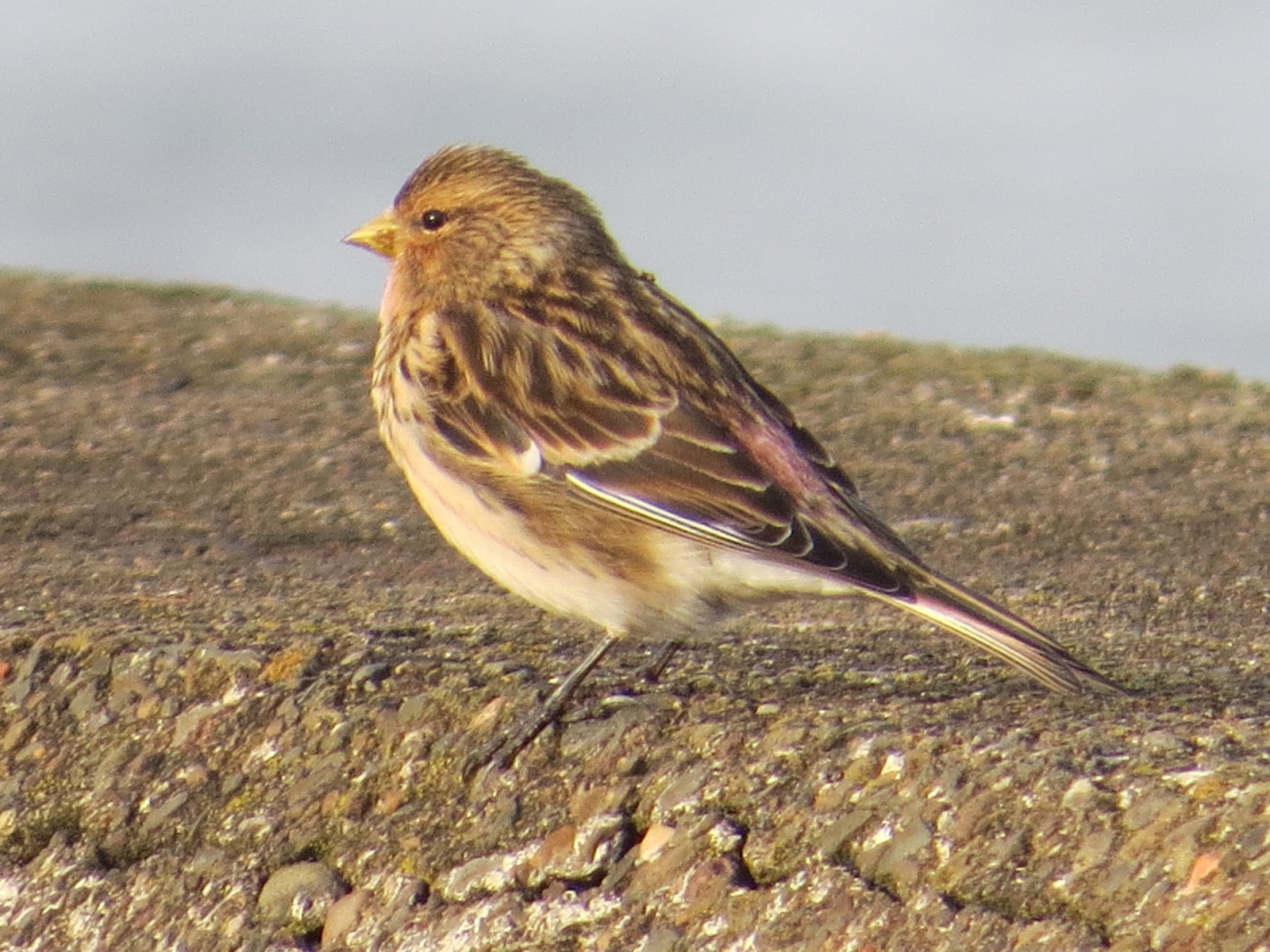
Some of the birds you can see here: Macreuse brune, Harelde boréale, Grèbe jougris, Grèbe esclavon, Macreuse à front blanc. The open, rough grass is also attractive to wintering Linotte à bec jaune.
Recent rarities include Chevalier bargette, Bécasseau falcinelle, Macreuse à ailes blanches, Eider à tête grise, Bécassin à long bec, Pluvier fauve and Stejneger's Scoter.
Park at Goose Green Road by the River Esk or by the boating pond or on the car park near the eastern entrance. The walking trail that is shown on the map is 4,5 km long.
Musselburgh Lagoons, at the mouth of the River Esk, were formed in 1964 by the South of Scotland Electricity Board. They constructed a large concrete sea wall encompassing four large lagoons which were used for the dumping of fly-ash from the nearby Cockenzie Power Station. These ash lagoons provided ideal conditions for the large numbers of waders, gulls, terns and duck that now use them as a high tide roost site, particularly the lagoon nearest to the river mouth. In June 2023 a new lagoon and 5 new hides were opened on the Lagoon nearest the river, the hides are accessible from a tarmac foot and cycle path.
 ) Insérez les noms d'oiseau dans votre langue. Ils seront automatiquement traduits pour les autres usagers !
Votre feedback sera transmis à l’auteur.rice de cette zone et à l’équipe éditoriale de Birdingplaces, qui l’utiliseront pour améliorer la qualité des informations. (Vous souhaitez publier un commentaire visible en bas de page ? Fermez cette fenêtre et choisissez l’Option 1 : « Publier un commentaire, un conseil ou une observation ».)
Veuillez fournir des suggestions d'améliorations ou d'ajouts au texte de ce site ornithologique.
Veuillez fournir vos suggestions d'améliorations ou d'ajouts à la carte.
Veuillez fournir des suggestions d'améliorations ou d'ajouts à la liste des oiseaux.
Cliquez sur l'icône de l'oiseau () Insérez les noms d'oiseau dans votre langue. Ils seront automatiquement traduits pour les autres usagers !