Charger images
Les formats d'image autorisés sont de type jpeg, png ou gif
La taille maximale du fichier doit être de 20MB
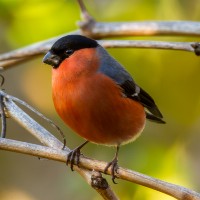
Old industrial site that consists of two deep tanks (Slurry Lagoon and Deep Pit) and two disused gravel pits with the river Trent beyond them.
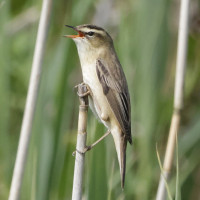
The Netherfield Lagoons is a nature reserve that is situated on the Trent Valley Flood Plain and has been partly used as a dump for coal slurry but with two remaining gravel ponds. The two slurry pits are separated by a raised causeway, which is elevated some 50 feet (15 m) above the pits, giving a commanding view of the area. The largest tank is virtually full but retains some water, with muddy edges attractive to waders and roosting gulls and terns. The smaller tank is mainly deep water, attracting good numbers of wildfowl, with smaller birds, especially warblers, feeding and breeding around the tank edges. The site consists roughly of three compartments, the Slurry Lagoon, the Deep Pit and the two Gravel Pits.
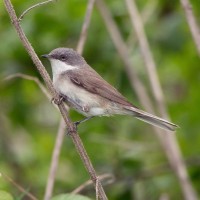
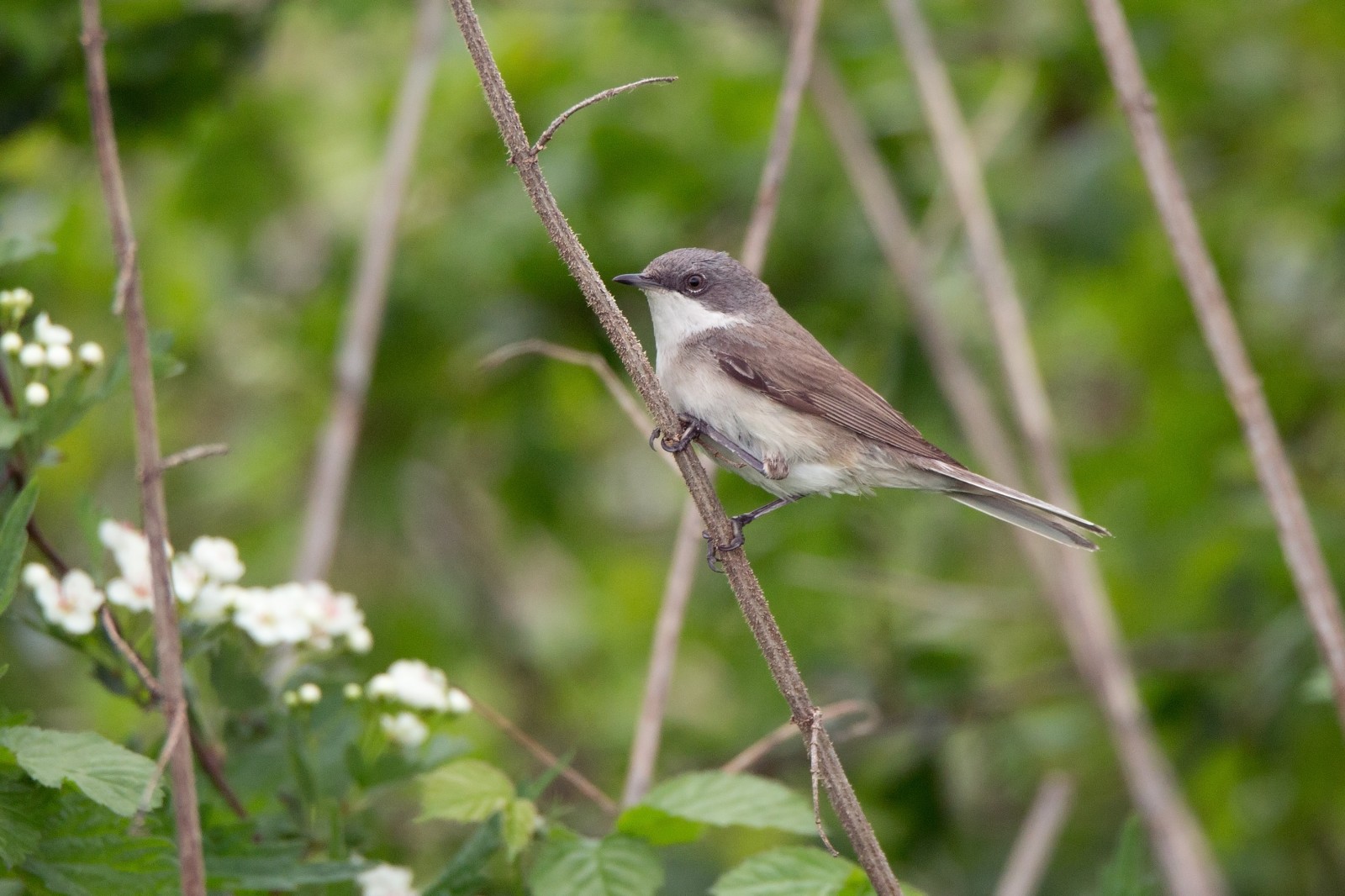
Because of the largely temporary nature of the main slurry lagoon sites, much of the avian interest is restricted to passage and wintering birds. A railway embankment, which forms the western boundary of the site, holds Fauvette babillarde and other warblers during the summer and occasionally Hibou des marais in the winter. The scrubby banks of the gravel ponds are a frequent stopping-off point for small numbers of Tarier des prés and a regular wintering site for Tarier pâtre. Grand Cormoran roost on the electricity pylons.
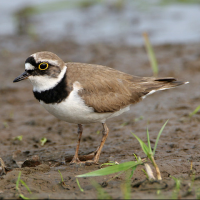
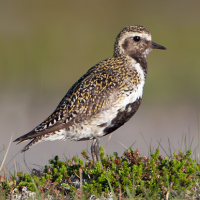
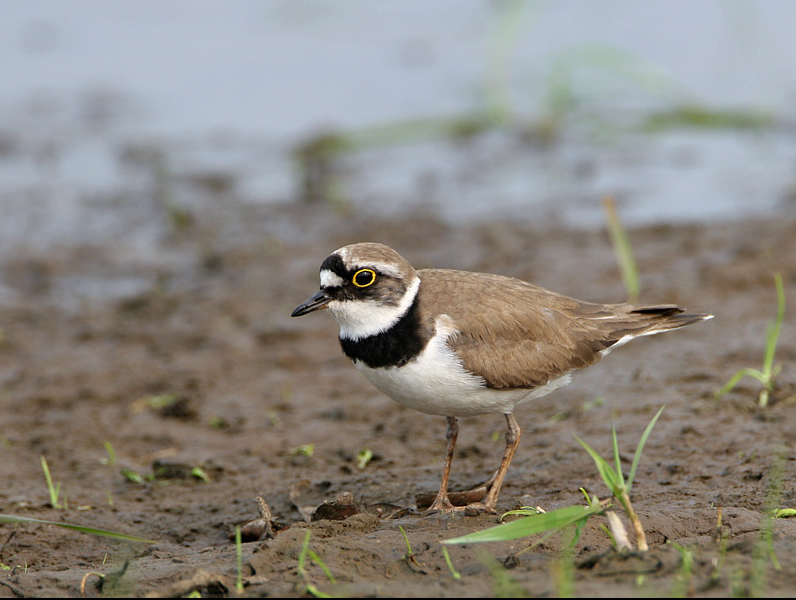
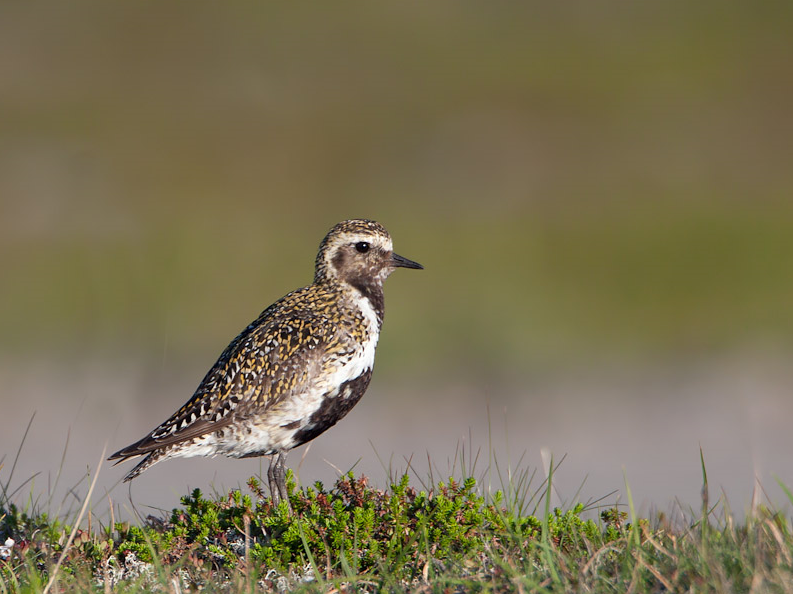
During the spring, pools created on the slurry attract most of the common species of wader, with Petit Gravelot being common from April to September. Regular species in autumn include Combattant varié, Bécasseau variable, Chevalier aboyeur, Chevalier gambette, Chevalier culblanc and Chevalier guignette. In the late autumn up to 4000 Pluvier doré and 1000 Vanneau huppé use the pools as a roost site, along with several hundred Canard siffleur and smaller numbers of Sarcelle d'hiver, Canard souchet and Canard pilet. The weedy banks and fields attract good numbers of Alouette des champs and Pipit farlouse, with Bergeronnette printanière being common on passage.
A good selection of rare birds have been located at the Netherfield Lagoons through regular checking of the migrant waders and wildfowl and have included Canard d'Amérique, Butor étoilé, Grue cendrée, Fou de Bassan, Pluvier guignard, Oedicnème criard, Bécasseau violet, Bécasseau falcinelle, Phalarope à bec large, Goéland bourgmestre, Guifette leucoptère, Martinet des maisons, Rousserolle turdoïde and Rousserolle verderolle.
The site can be reached from the Colwick Loop Road, by taking the road to the Victoria Retail Park and parking is via Teal Close, which is the left turn at the island. Proceed almost to the end of Teal Close and then turn right into the unsignposted, but allweather surfaced path along the side of the Ouse Dyke, cross over the footbridge and enter the site. Some limited car parking is available on Teal Close (See the P on the map).
April to June is the best time for passage waders at the Netherfield Lagoons, with terns and gulls also moving through the area. In autumn, birds begin to arrive at the lagoons from early August onwards, with passage peaking in September and October. Winter produces good numbers of birds, especially gulls, when the pools freeze over in harsh conditions. Dawn and dusk are the best time to visit, but passage birds could drop in at any time of day.
October-March: Grèbe huppé and Grèbe castagneux, Canard chipeau, Sarcelle d'hiver, Fuligule milouin, Fuligule morillon, Garrot à oeil d'or, Harle bièvre, Faucon pèlerin, Pluvier doré, Bécassine sourde, Hibou moyen-duc and Hibou des marais.
April-June: Rarer grebes, Faucon hobereau, passage waders, gulls, terns, hirundines, Bergeronnette printanière, Traquet motteux, Tarier des prés, Locustelle tachetée and other passage migrants.
July-October: Wildfowl, Faucon pèlerin, Petit Gravelot and Grand Gravelot, Bécasseau variable, Chevalier gambette, Chevalier aboyeur, Chevalier culblanc, Chevalier guignette, gulls, terns and passage migrants.
 ) Insérez les noms d'oiseau dans votre langue. Ils seront automatiquement traduits pour les autres usagers !
Votre feedback sera transmis à l’auteur.rice de cette zone et à l’équipe éditoriale de Birdingplaces, qui l’utiliseront pour améliorer la qualité des informations. (Vous souhaitez publier un commentaire visible en bas de page ? Fermez cette fenêtre et choisissez l’Option 1 : « Publier un commentaire, un conseil ou une observation ».)
Veuillez fournir des suggestions d'améliorations ou d'ajouts au texte de ce site ornithologique.
Veuillez fournir vos suggestions d'améliorations ou d'ajouts à la carte.
Veuillez fournir des suggestions d'améliorations ou d'ajouts à la liste des oiseaux.
Cliquez sur l'icône de l'oiseau () Insérez les noms d'oiseau dans votre langue. Ils seront automatiquement traduits pour les autres usagers !