Charger images
Les formats d'image autorisés sont de type jpeg, png ou gif
La taille maximale du fichier doit être de 20MB
Old Sludge Beds and Exe Reed Beds are on the Upper Exe Estuary in South Devon.
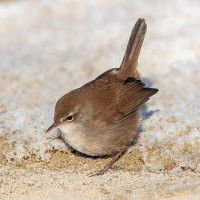
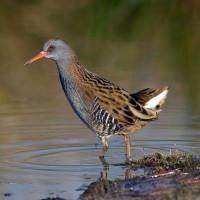
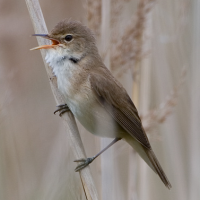
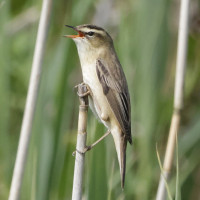
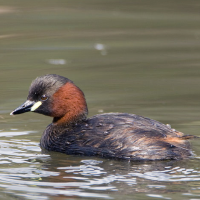
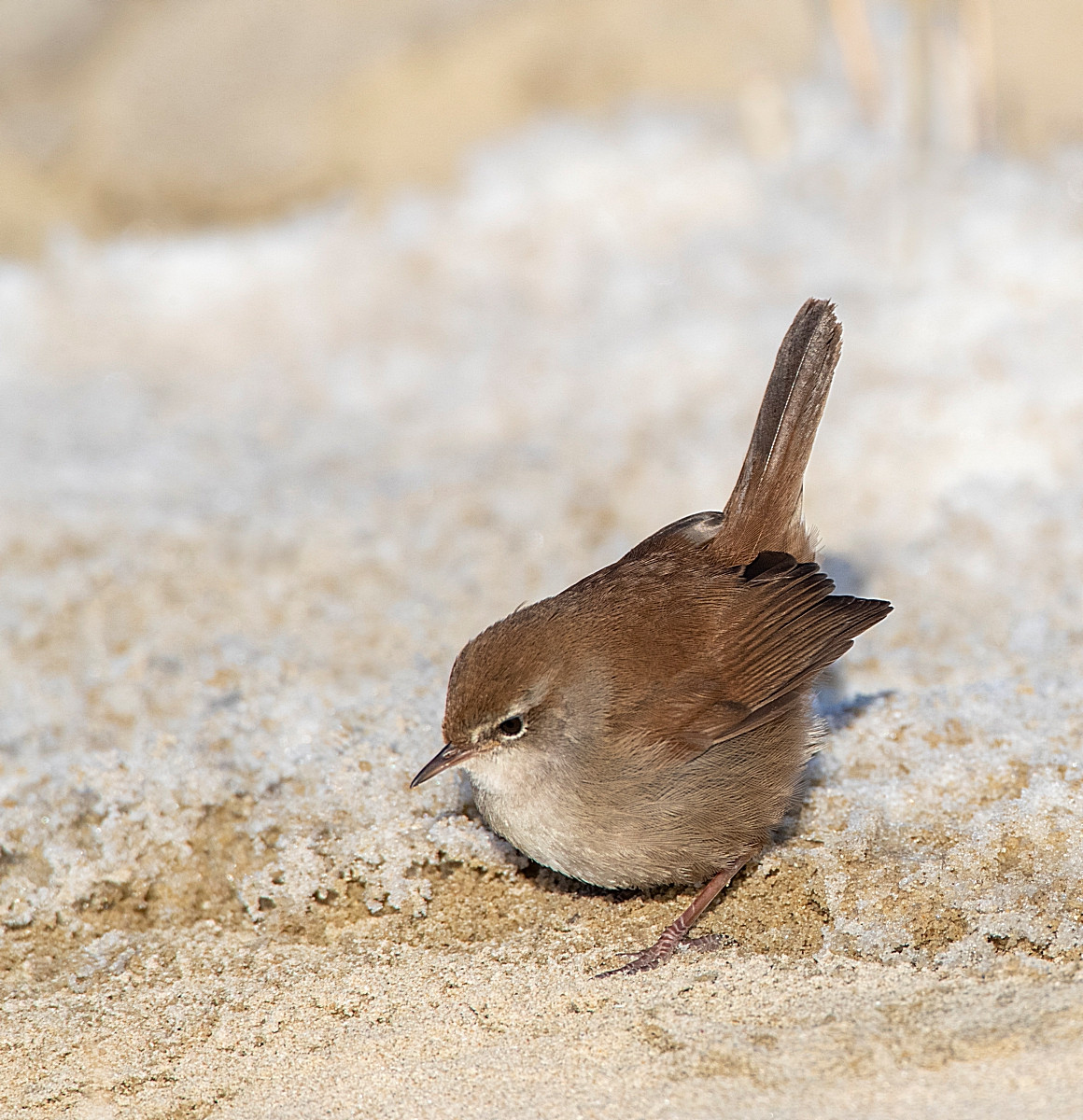
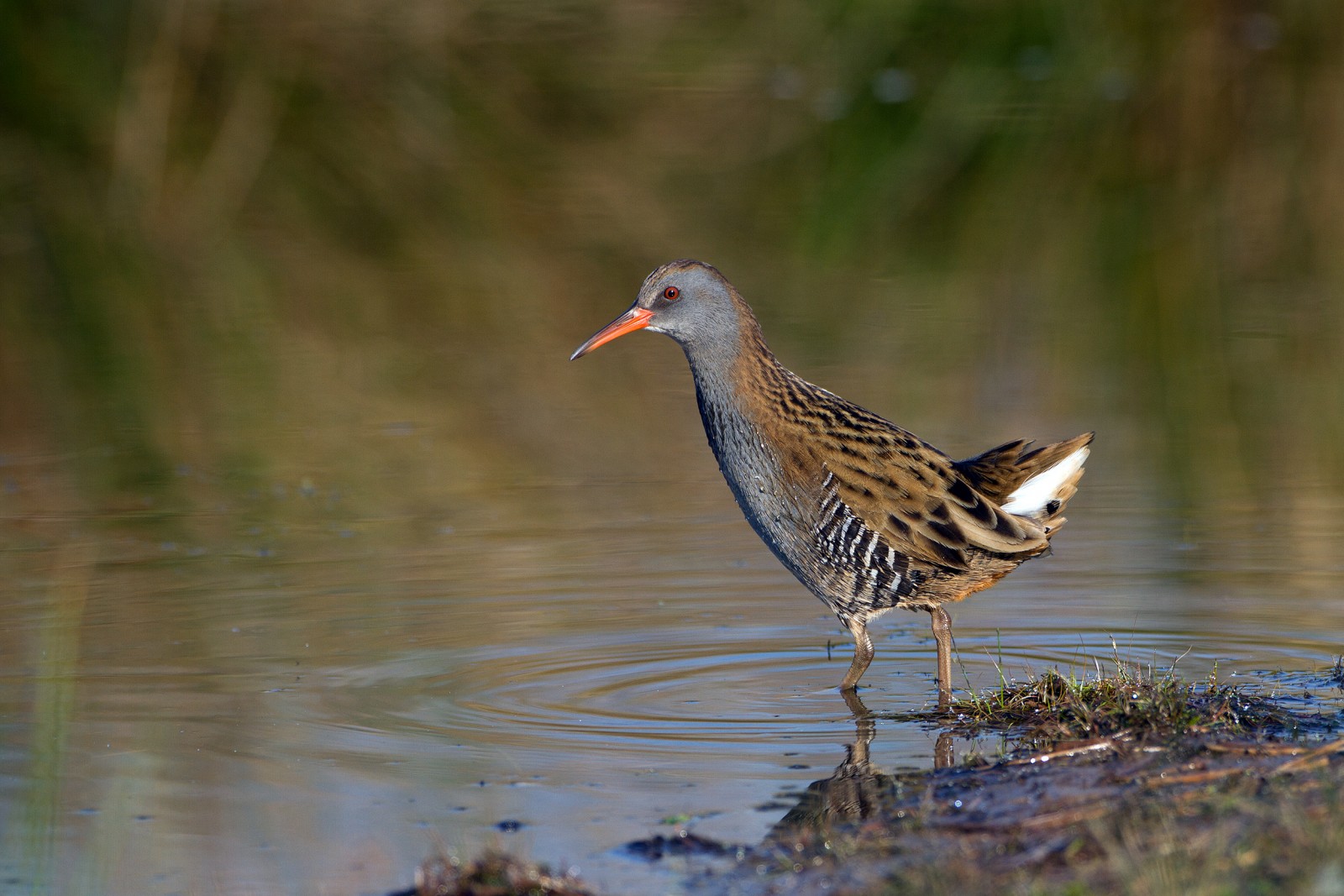
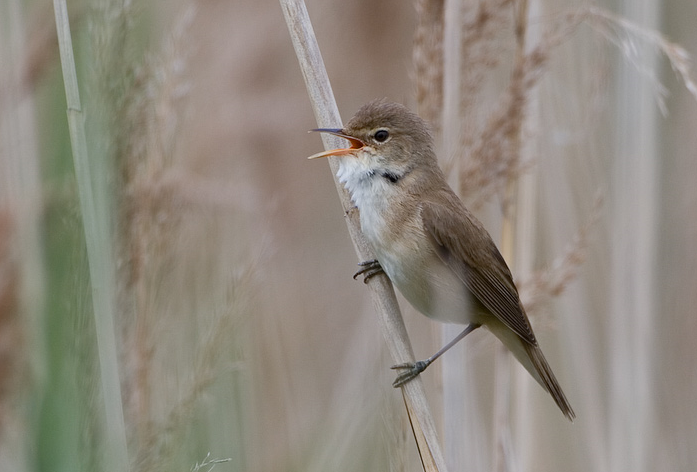
Old Sludge Beds and Exe Reed Beds are owned and maintained by Devon Wildlife Trust (DWT). Before 1969 the Old Sludge Beds were used to treat sewage from the City of Exeter. Since the building of the new water treatment works nearby the sludge beds were cleared and returned to nature. The Exe Reed Beds just to the South East is divided from the Sludge Beds by the imposing large flyover of the M5 motorway that spans the estuary at this point. To the North East of the sites is the ever widening River Exe, running along the South West side is the Exeter Ship Canal with more open land further to the South West. Some birds you can expect are Râle d'eau, Bouscarle de Cetti, Rousserolle effarvatte, Hibou des marais, Busard des roseaux as well as many others. There is usually a Étourneau sansonnet 'murmuration' during the winter months.
Leave Central Exeter on the A379, on the outskirts just after Countess Wear (roundabout) the road briefly divides as it crosses the Ship Canal by way of a swing bridge, just before this look for a left turn (signed Countess Wear Water Treatment Works), take this road and use the right hand road into Exeter University Boat Shed where there is a car park (approx 20 spaces). Park here and walk South East beside the Ship Canal to the sites just pass the new water treatment works. For birds on the main River/Estuary (check tide times, see the link below) 2-3 hours before high tide is best because waders depart to high tide roosts. Be sure to check Ship Canal during Autumn/Winter/Spring for unusual Ducks and Grebes.
BE AWARE. EXE REED BEDS IS A CLOSED RESERVE. DO NOT ENTER (see STAR on map), watch from footpath only. Both of these reserves have NO facilities.
 ) Insérez les noms d'oiseau dans votre langue. Ils seront automatiquement traduits pour les autres usagers !
Votre feedback sera transmis à l’auteur.rice de cette zone et à l’équipe éditoriale de Birdingplaces, qui l’utiliseront pour améliorer la qualité des informations. (Vous souhaitez publier un commentaire visible en bas de page ? Fermez cette fenêtre et choisissez l’Option 1 : « Publier un commentaire, un conseil ou une observation ».)
Veuillez fournir des suggestions d'améliorations ou d'ajouts au texte de ce site ornithologique.
Veuillez fournir vos suggestions d'améliorations ou d'ajouts à la carte.
Veuillez fournir des suggestions d'améliorations ou d'ajouts à la liste des oiseaux.
Cliquez sur l'icône de l'oiseau () Insérez les noms d'oiseau dans votre langue. Ils seront automatiquement traduits pour les autres usagers !