Charger images
Les formats d'image autorisés sont de type jpeg, png ou gif
La taille maximale du fichier doit être de 20MB
Part of the largest block of ancient oak woodland in west Wales. A good area for woodland birds.
The main body of Pengelli Forest with its gently undulating topography and many small streams has developed on poorly drained boulder clay soils. The woodland – owned and described in detail in Elizabethan times by the noted Pembrokeshire historian George Owen- was once very important to the local economy as a source of timber, and was grazed by livestock that were confined within a bank and ditch. The canopy comprises a mixture of Birch, Ash and Alder with a wide range of hybrid Oaks. Over much of the site there is a dense understorey of Bramble, Hazel, Honeysuckle, Hawthorn and Holly. This is the only known location for the Midland Hawthorn in Pembrokeshire and Aspen, Goat Willow, Wild Cherry, Wych Elm and Apple are also to be found.
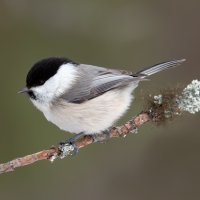
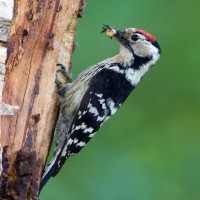
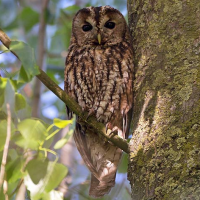
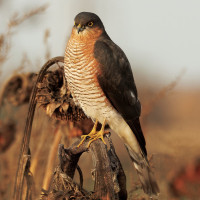
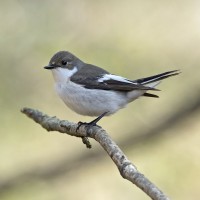
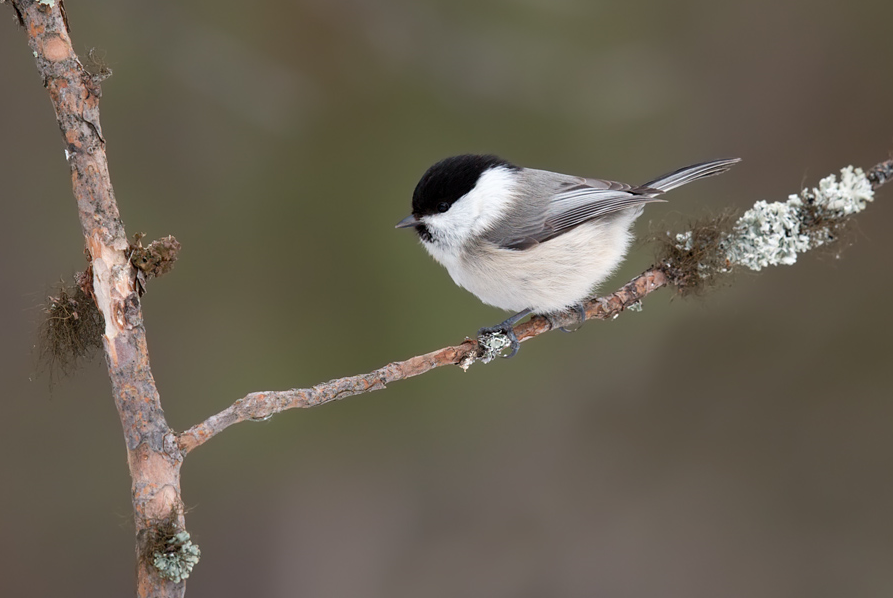
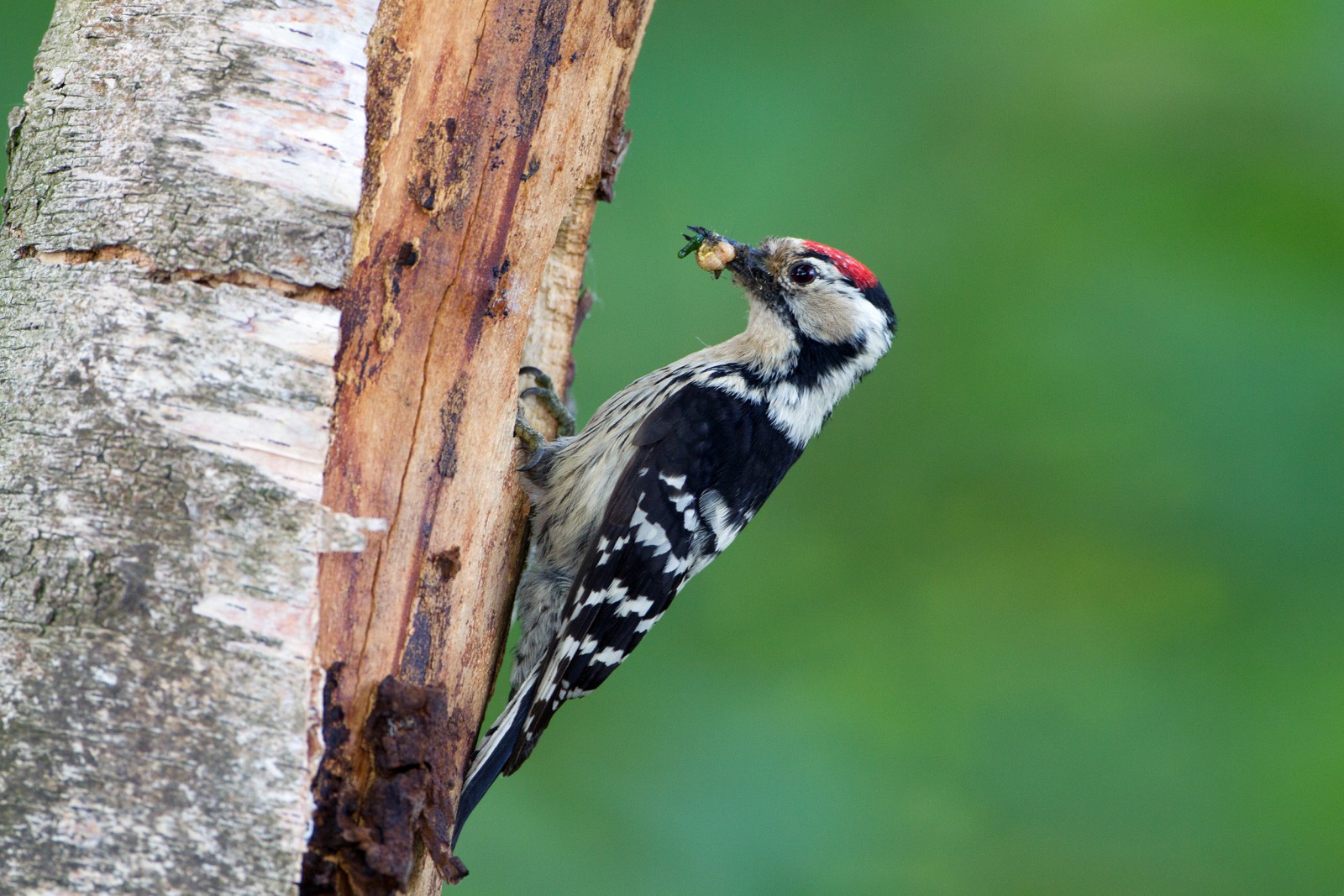
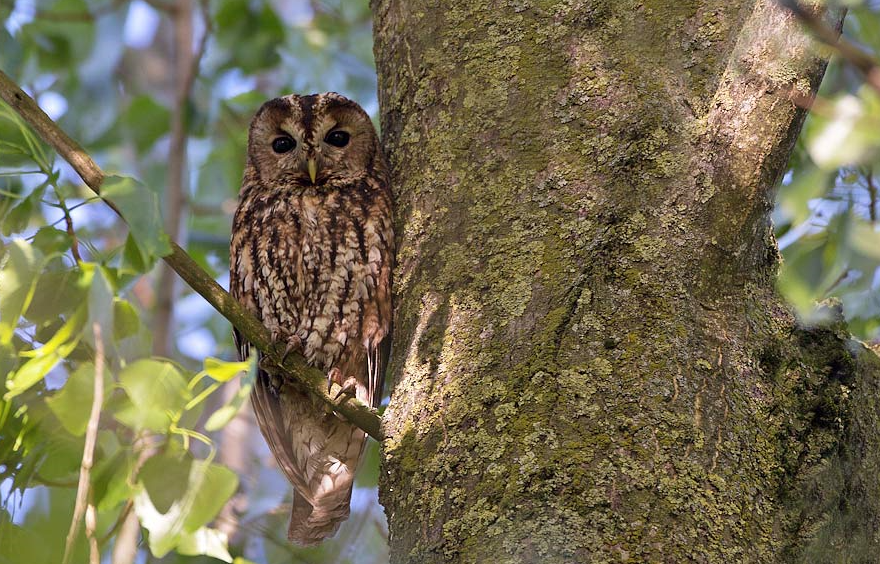
The range of birds is typical of such a woodland with species including Rougequeue à front blanc , Pouillot siffleur , Buse variable , Pouillot véloce , Chouette hulotte and Épervier d'Europe with Bécasse des bois visiting in winter. These species were augmented in the 1980s by the Gobemouche noir , which uses nest boxes for nesting. Mésange boréale , Pic épeichette and Coucou gris are also found on the reserve. For more information about the status of Gobemouche noir in Pembrokeshire check the link below.
Access: Grid References O.S. Explorer map OL35 North Pembrokeshire. Main entrance: SN123396, Site centre: SN130393. See Map. The reserve is about 2.5 km from Felindre Farchog via road and lane. Limited roadside parking is available at the entrance. There are easy walks near the entrance but no wheelchair access; elsewhere paths can be muddy and steep. On the map below you find a suggested circular walk of 4 km long.
Note that the reserve is actually very close to Castell Henllys but you cannot easily access it from there.
Pengelli Forest is part of the largest block of ancient Oak woodland in west Wales. The woodland can be broadly divided into two sections. Adjacent to the entrance is Pant-Teg Wood, the steep slopes supporting woodland dominated by Sessile oak and Birch regrown from clear-felling during 1914-1930. There is a good understorey of Hazel, Holly and regenerating Oak. The ground flora is characteristic of acid Sessile Oak woodland with Wavy Hair-grass, Common Cow Wheat and Bilberry, with numerous moss species. Three trees of the native Wild Crab Apple are present and valley bottoms support Alder and Willow.
 ) Insérez les noms d'oiseau dans votre langue. Ils seront automatiquement traduits pour les autres usagers !
Votre feedback sera transmis à l’auteur.rice de cette zone et à l’équipe éditoriale de Birdingplaces, qui l’utiliseront pour améliorer la qualité des informations. (Vous souhaitez publier un commentaire visible en bas de page ? Fermez cette fenêtre et choisissez l’Option 1 : « Publier un commentaire, un conseil ou une observation ».)
Veuillez fournir des suggestions d'améliorations ou d'ajouts au texte de ce site ornithologique.
Veuillez fournir vos suggestions d'améliorations ou d'ajouts à la carte.
Veuillez fournir des suggestions d'améliorations ou d'ajouts à la liste des oiseaux.
Cliquez sur l'icône de l'oiseau () Insérez les noms d'oiseau dans votre langue. Ils seront automatiquement traduits pour les autres usagers !