Charger images
Les formats d'image autorisés sont de type jpeg, png ou gif
La taille maximale du fichier doit être de 20MB
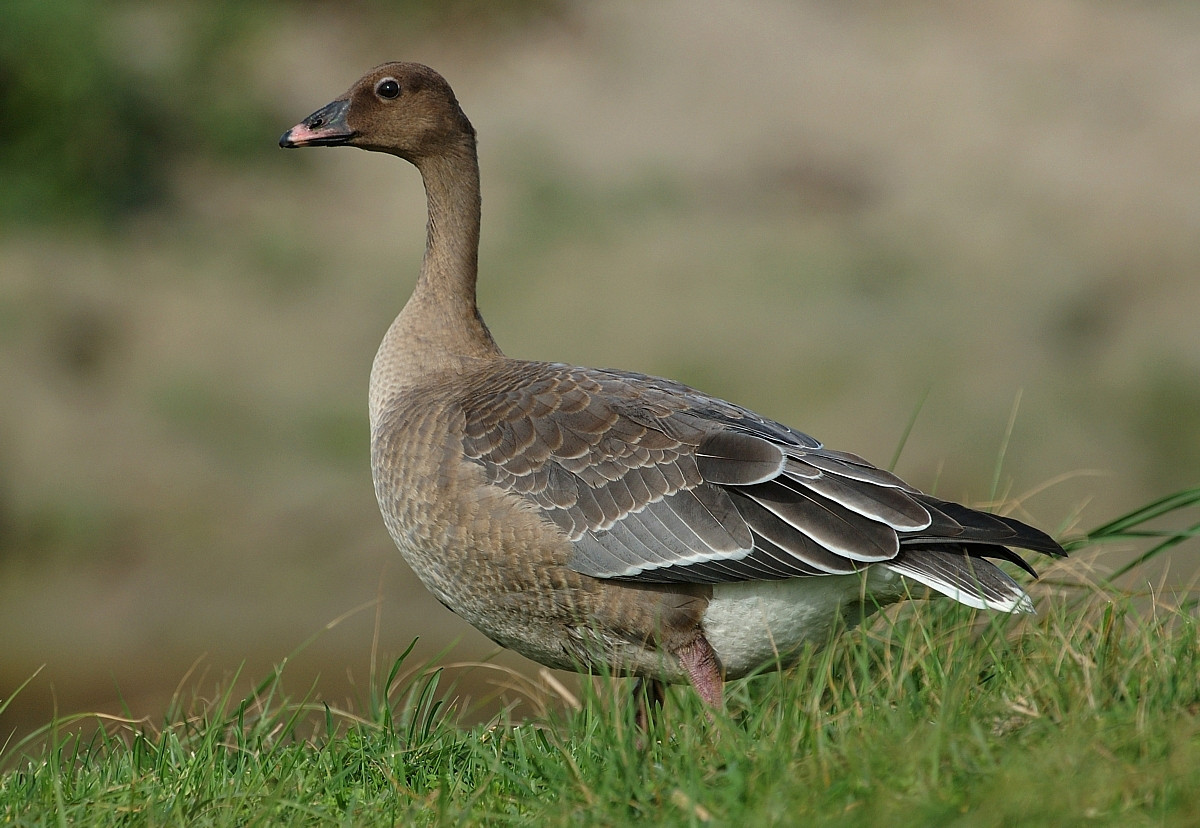
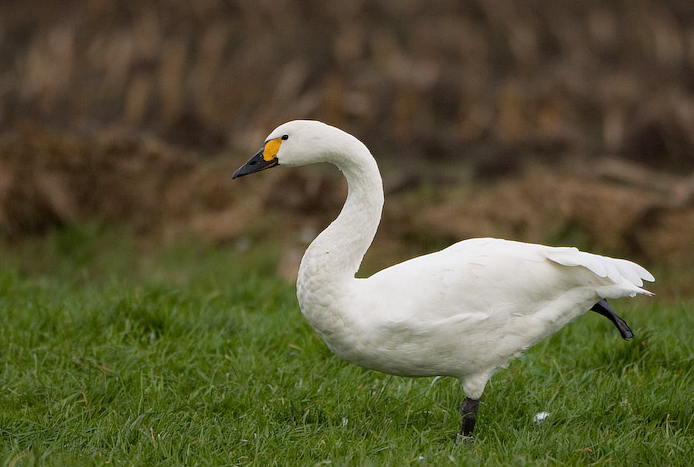
Coastal lagoons in disused shingle quarries separated from the Wash. The Wash itself is a large area of tidal mudflats that attracts huge numbers of waterfowl.
The lagoons attract waterfowl but the mudflats are the main attraction, particularly on a rising tide, when waders are driven landwards and geese commute to feed inland.
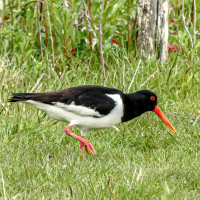
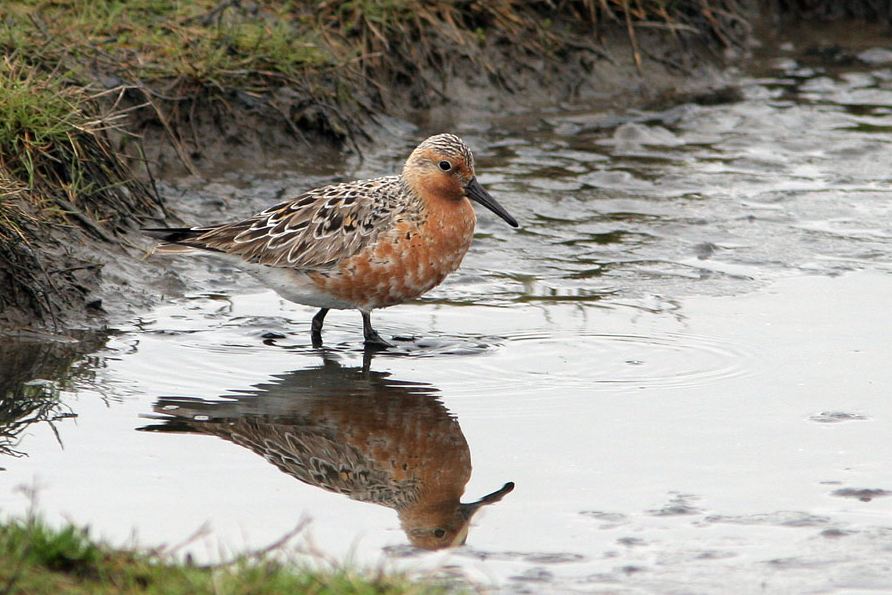
In spring, Mouette rieuse and Avocette élégante take up residence on the islands. Wading birds in their colourful breeding plumage pass through on their way to the Arctic. Effraie des clochers can been seen at dawn and dusk hunting over the saltmarsh.
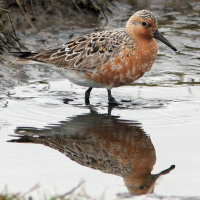
In summer on the islands, Sterne pierregarin are at the height of their breeding activity. Later in the summer, flocks of Bécasseau maubèche wheel in vast numbers at sunset.
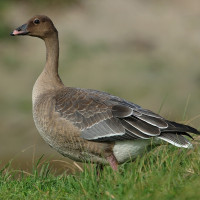
Autumn sees thousands of thrushes and finches migrate overhead. Canard siffleur and Bernache cravant start to arrive back from breeding grounds, calling noisily to each other.
In winter, huge numbers of waterfowl gather on the lagoons and out in The Wash, while Faucon pèlerin and Busard Saint-Martin actively hunt on the saltmarsh. Garrot à oeil d'or also gather on the lagoons and begin displaying in preparation for the coming spring.
From the carpark, access is by foot along muddy footpaths to the coast, where the paths are drier. Snettisham has three wildlife observation hides (two are all-weather and wheelchair friendly), all offering views across the lagoons and one has dual aspect views across lagoons and The Wash.
It's worth checking the RSPB website (see the link below) for guided walks, particularly when winter high tides occur around dawn. At this time, large numbers of geese fly inland overhead.
 ) Insérez les noms d'oiseau dans votre langue. Ils seront automatiquement traduits pour les autres usagers !
Votre feedback sera transmis à l’auteur.rice de cette zone et à l’équipe éditoriale de Birdingplaces, qui l’utiliseront pour améliorer la qualité des informations. (Vous souhaitez publier un commentaire visible en bas de page ? Fermez cette fenêtre et choisissez l’Option 1 : « Publier un commentaire, un conseil ou une observation ».)
Veuillez fournir des suggestions d'améliorations ou d'ajouts au texte de ce site ornithologique.
Veuillez fournir vos suggestions d'améliorations ou d'ajouts à la carte.
Veuillez fournir des suggestions d'améliorations ou d'ajouts à la liste des oiseaux.
Cliquez sur l'icône de l'oiseau () Insérez les noms d'oiseau dans votre langue. Ils seront automatiquement traduits pour les autres usagers !