Charger images
Les formats d'image autorisés sont de type jpeg, png ou gif
La taille maximale du fichier doit être de 20MB
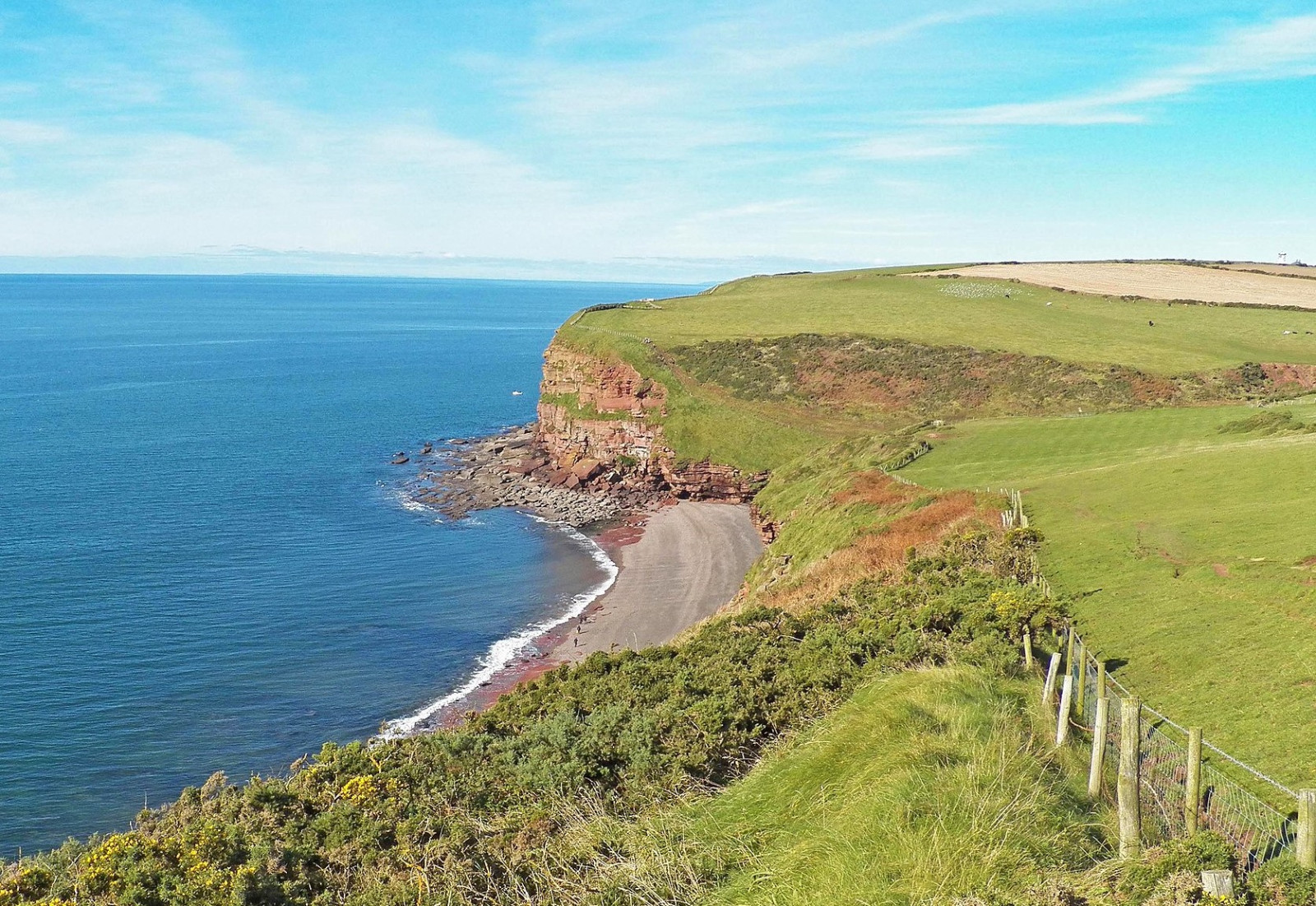
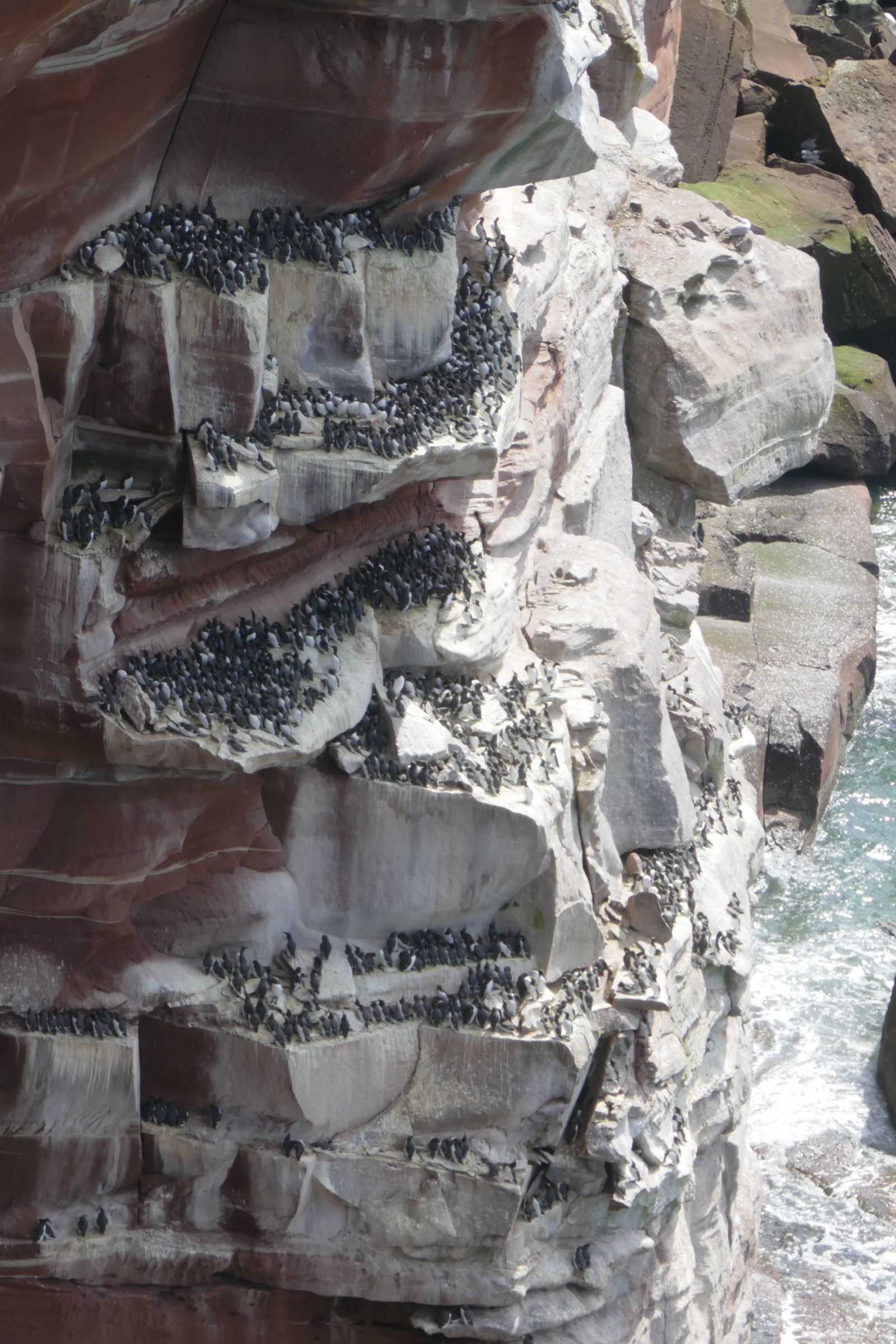
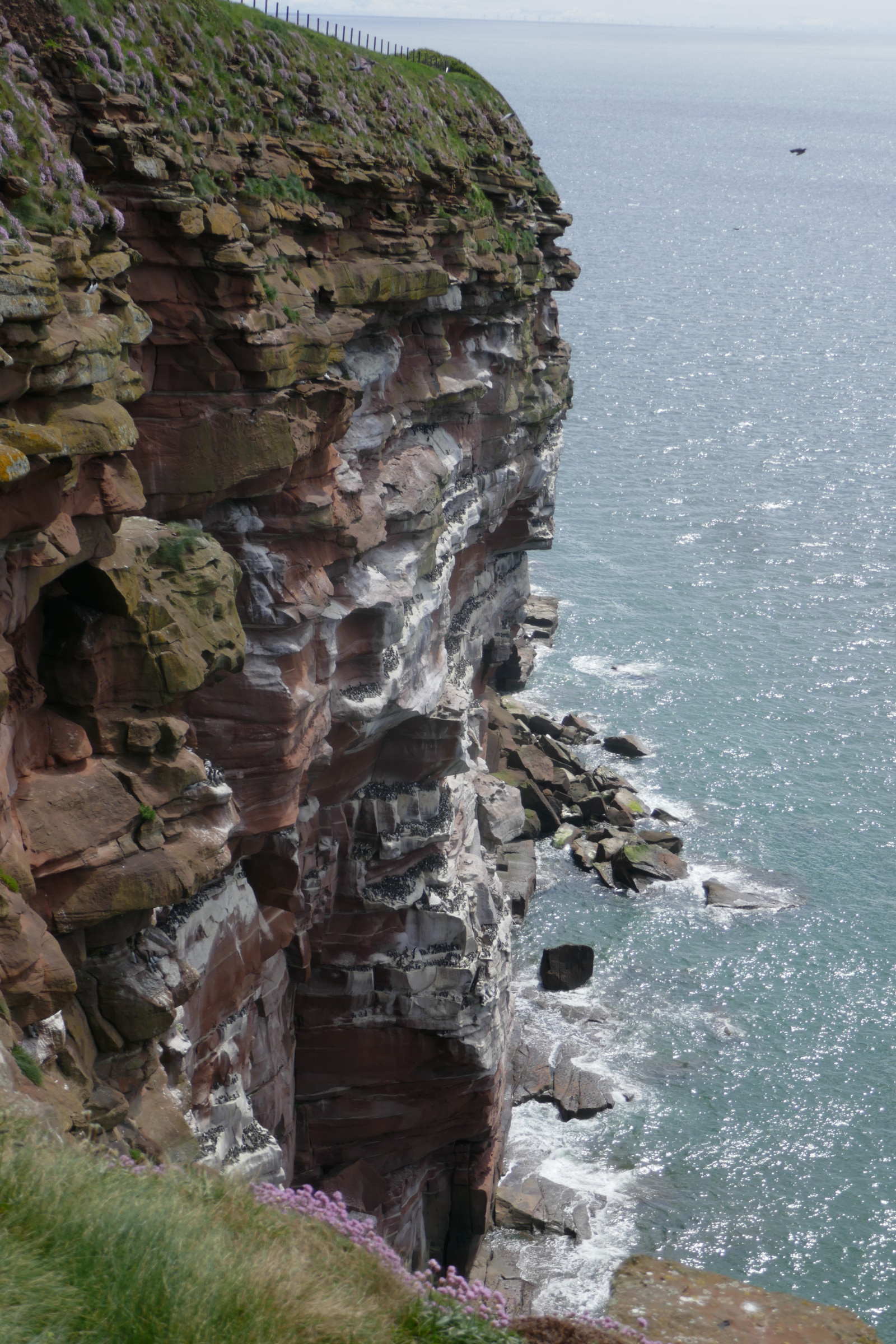
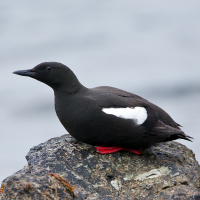
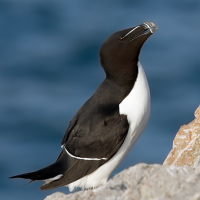
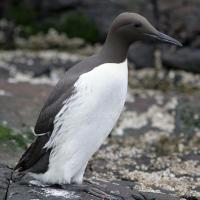
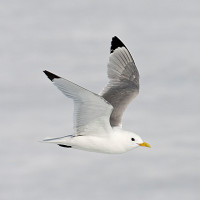
Sea cliffs with the only English site for Guillemot à miroir. With other breeding birds like Guillemot de Troïl, Pingouin torda, Macareux moine and Mouette tridactyle.
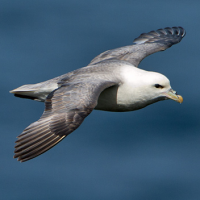
St Bees Head is a headland on the North West coast of Cumbria and is named after the nearby village of St Bees. St Bees Head, supports north-west England's only cliff-nesting seabird colony. Red sandstone cliffs stacked with nesting seabirds like Guillemot à miroir, Guillemot de Troïl, Pingouin torda, Mouette tridactyle, Macareux moine and Fulmar boréal. Three viewing points give you great views of the colony and on a clear day you can see the Isle of Man across the sea.
St Bees Head is situated between Whitehaven and St. Bees in west Cumbria and lies on the long-distance footpath of the Cumbria Coastal Way. The closest parking is near the farm Tarnflat Hall. You can also park in Whitehaven at Haig pit and take the Cumbria Coastal Way to the head. The path follows the edge of the cliffs, which rise to 90 metres above sea level. You can also park in Sandwith and follow the farm track straight to the head. Or park in St Bees village in the shore-front car park. Access to the reserve is via the path over the metal footbridge at the north end of the promenade. Click on a P in the map for directions to a parking. By train: St Bees station is 0.75 mile (1.25 km) from the reserve.
Notification from the RSPB May 2026: Please be aware that due to landslips the public footpath from St Bees (Council run Capark) to Fleswick bay has been shut.
Photo St Bees Head by Dougsim, CC BY-SA 3.0, https://creativecommons.org/licenses/by-sa/3.0, via Wikimedia Commons
 ) Insérez les noms d'oiseau dans votre langue. Ils seront automatiquement traduits pour les autres usagers !
Votre feedback sera transmis à l’auteur.rice de cette zone et à l’équipe éditoriale de Birdingplaces, qui l’utiliseront pour améliorer la qualité des informations. (Vous souhaitez publier un commentaire visible en bas de page ? Fermez cette fenêtre et choisissez l’Option 1 : « Publier un commentaire, un conseil ou une observation ».)
Veuillez fournir des suggestions d'améliorations ou d'ajouts au texte de ce site ornithologique.
Veuillez fournir vos suggestions d'améliorations ou d'ajouts à la carte.
Veuillez fournir des suggestions d'améliorations ou d'ajouts à la liste des oiseaux.
Cliquez sur l'icône de l'oiseau () Insérez les noms d'oiseau dans votre langue. Ils seront automatiquement traduits pour les autres usagers !