Charger images
Les formats d'image autorisés sont de type jpeg, png ou gif
La taille maximale du fichier doit être de 20MB
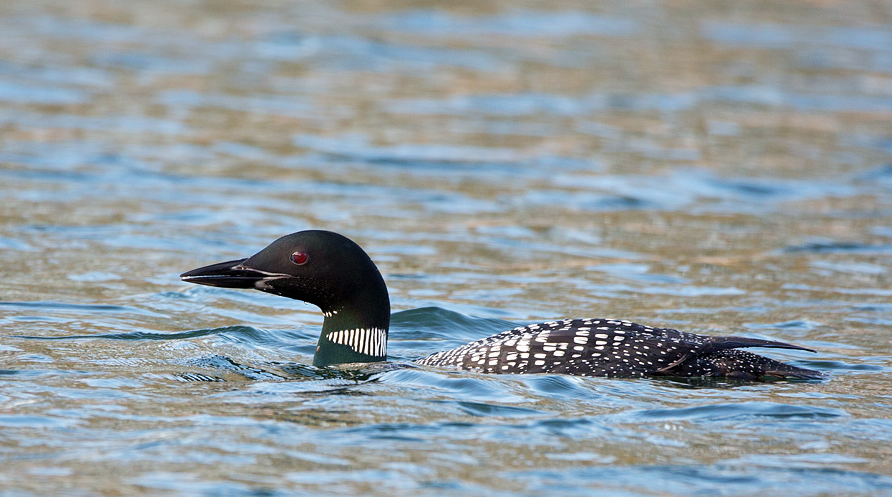

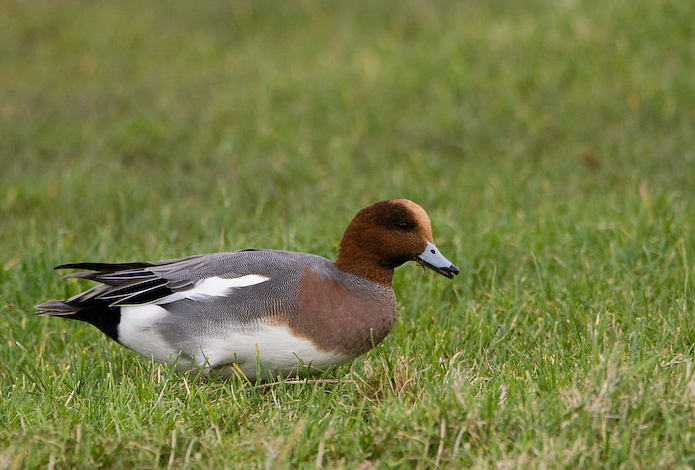
These are two large resevoirs separated by a central causeway, which is the only public access to the site. It is notoriously windswept.
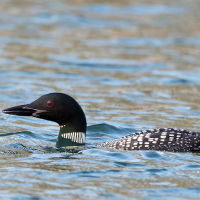
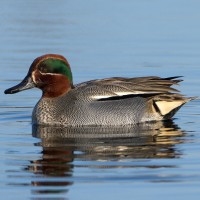
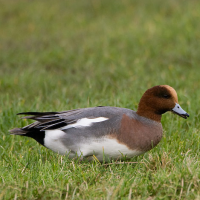
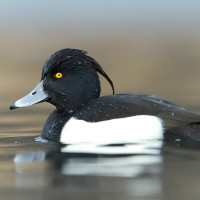
These reservoirs are noted for their nationally important over-wintering flocks of ducks, including Garrot à oeil d'or, Fuligule milouin and Harle bièvre. For this reason, it's a Site of Special Scientific Interest. Rarities and scarcities such as Harelde boréale, Grèbe à cou noir, Fuligule milouinan regularly show (although never guaranteed) and legendary birds such as Glaréole à collier and Phalarope de Wilson have also been reported. Scarce gulls and terns are also "regular".
Periodically, one or other of the two basins is drained for maintenance and waders are attracted.
The sides of the central causeway can attract various passerines.
Access is by foot only from each end of the one kilometre long causeway.
The eastern end opens onto Stanwell where there is a small car park (local advice is that it's known for vandalism and theft) and there may be some parking possible in suburban streets, but pay attention to local restrictions.
Parking at the western end is informal and off-road next to the busy A3044 Stanwell Moor Road.
Ashford (preferred) and Staines railway stations are each about 1.7 kilometres (1 mile) from the eastern and western ends of the causeway, respectively.
The 203 bus runs from Hatton Cross station (Piccadilly Line) to Clare Road opposite St Anne's Avenue. Follow the direction of the bus and the reservoir embankment will be in front of you; turn right on Town Lane (B378) and find the causeway footpath (about 320 metres). Services are 2 or 3 times an hour.
There are no toilet or refreshment facilities close to the causeway. Dress appropriately for the season and weather forecast - the causeway has no shelter and it's exposed to the wind.
The postcode is TW18 4HZ (supplied by the Ordnance Survey but unclear exactly where it applies).
The bird list does not include most of the extreme rarities, just those that might be anticipated in the correct season. The "real" rarities - the "one-offs" - such as Glaréole à collier and Bécasseau de Baird are listed in birders' websites.
 ) Insérez les noms d'oiseau dans votre langue. Ils seront automatiquement traduits pour les autres usagers !
Votre feedback sera transmis à l’auteur.rice de cette zone et à l’équipe éditoriale de Birdingplaces, qui l’utiliseront pour améliorer la qualité des informations. (Vous souhaitez publier un commentaire visible en bas de page ? Fermez cette fenêtre et choisissez l’Option 1 : « Publier un commentaire, un conseil ou une observation ».)
Veuillez fournir des suggestions d'améliorations ou d'ajouts au texte de ce site ornithologique.
Veuillez fournir vos suggestions d'améliorations ou d'ajouts à la carte.
Veuillez fournir des suggestions d'améliorations ou d'ajouts à la liste des oiseaux.
Cliquez sur l'icône de l'oiseau () Insérez les noms d'oiseau dans votre langue. Ils seront automatiquement traduits pour les autres usagers !