Charger images
Les formats d'image autorisés sont de type jpeg, png ou gif
La taille maximale du fichier doit être de 20MB

Waskerley is an area of moorland which is mainly heather and reservoirs. It is part of the North Pennines area of Outstanding Beauty.
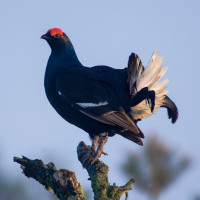
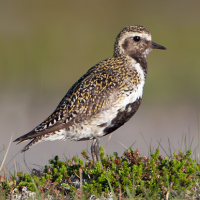
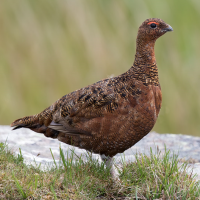
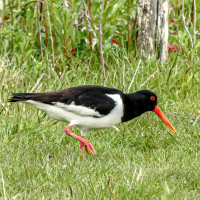
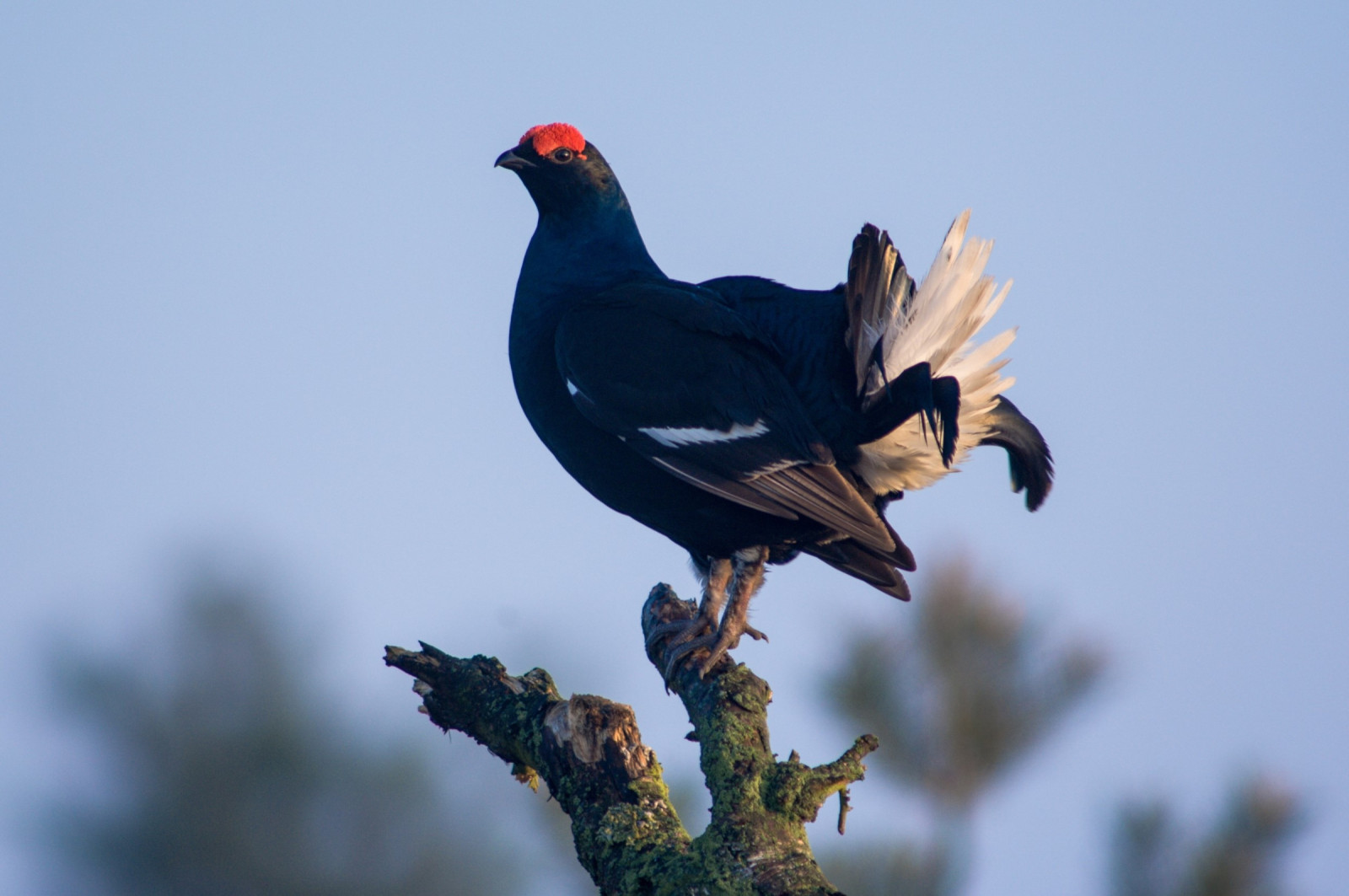
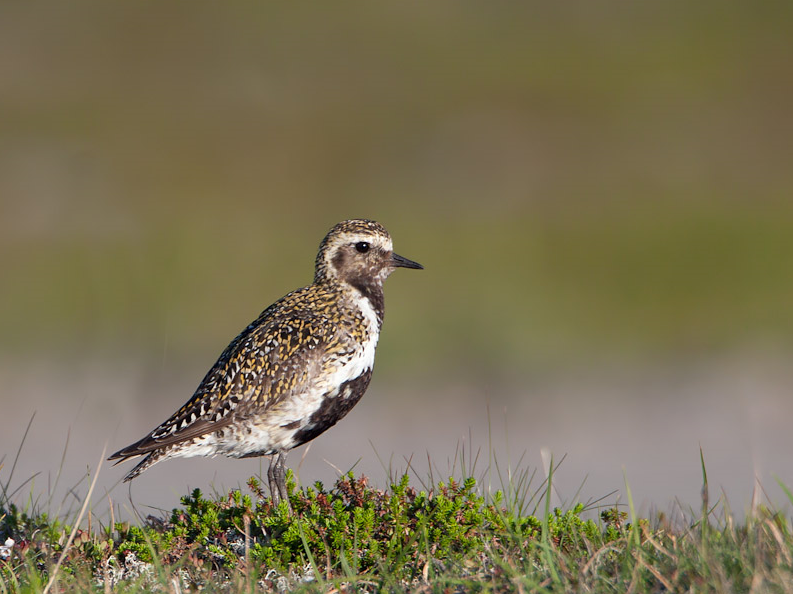
The area is an area of heather moorland with several reservoirs. Waskerley Way Railway Path (Walking and Cycling Route) gives excellent access along a disused railway. It changes seasonally and is very exposed and sometimes closed during winter snow storms. The moorlands of the North Pennines support a wide variety of birds such as the abundant Lagopède d'Écosse, 80% of England's Tétras lyre and nationally important populations of Pluvier doré, Courlis cendré, Hibou des marais and Faucon émerillon. Other breeding birds using the moors include Bécasseau variable, Chevalier gambette, Huîtrier pie and Pipit farlouse.
No bus service along this route. Access is by car, bike or walking. Directions are to Park Head From Stanhope follow B6278 Edmundbyers. Follow road for 2. 5 miles, turn right at sign for Parkhead, follow track for 200m. Railway Path is accessible from the left of car park. Hawkburn Head From A68 at Castleside, head towards Stanhope. Follow road for 6 miles. Site entrance is on the left. Sign posted Waskerley Station From A68 at Castleside, head towards Stanhope. Follow road for 5 miles . Site entrance is on the left. Signposted. Walk along railway path has several car parks on route.
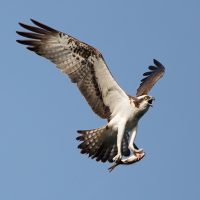
This area is set in heather moorland which is at its most stunning when the purple flowers carpet the ground between August and September. Wonderful views of Waskerley and Smiddy Shaw Reservoir which are visited by large numbers of wading birds. These include Courlis cendré, Chevalier guignette and Pluvier doré. On the heather moorland you can often see Faucon émerillon, Milan royal, Faucon crécerelle, Lagopède des saules and Tétras lyre. Balbuzard pêcheur can sometimes be spotted in spring.
 ) Insérez les noms d'oiseau dans votre langue. Ils seront automatiquement traduits pour les autres usagers !
Votre feedback sera transmis à l’auteur.rice de cette zone et à l’équipe éditoriale de Birdingplaces, qui l’utiliseront pour améliorer la qualité des informations. (Vous souhaitez publier un commentaire visible en bas de page ? Fermez cette fenêtre et choisissez l’Option 1 : « Publier un commentaire, un conseil ou une observation ».)
Veuillez fournir des suggestions d'améliorations ou d'ajouts au texte de ce site ornithologique.
Veuillez fournir vos suggestions d'améliorations ou d'ajouts à la carte.
Veuillez fournir des suggestions d'améliorations ou d'ajouts à la liste des oiseaux.
Cliquez sur l'icône de l'oiseau () Insérez les noms d'oiseau dans votre langue. Ils seront automatiquement traduits pour les autres usagers !