Charger images
Les formats d'image autorisés sont de type jpeg, png ou gif
La taille maximale du fichier doit être de 20MB
Just North of the twin towns of Torquay and Paignton in South Devon.
With Torquay and Paignton being the busiest coastal summer holiday destination in Devon, a visit early morning or outside the holiday season may be best, there is a choice of two car park starting points.
(*1), press STAR on map. In Watcombe from the car park (free - at time of writing), head into the woodland in The Valley of Rocks (not to be confused with The Valley of Rocks in North Devon), look for Roitelet triple-bandeau (very common here), Mésange bleue, Mésange charbonnière, Sittelle torchepot, Grimpereau des bois and the short 'Kee-Kee-Kee-Kee' call of numerous Pic épeiche. In Summer Fauvette à tête noire and Pouillot véloce can be expected (occasionally they overwinter).
(*2). Turn slightly inland walking The John Musgrave Heritage Trail along a tree lined wide path with fields on both sides, listen out for the songflight of Alouette des champs. Pouillot fitis (Summer) and Pouillot véloce and Fauvette à tête noire are numerous, with Hirondelle rustique hunting over the surrounding fields.
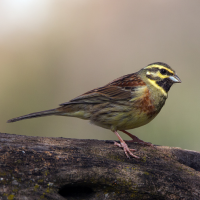
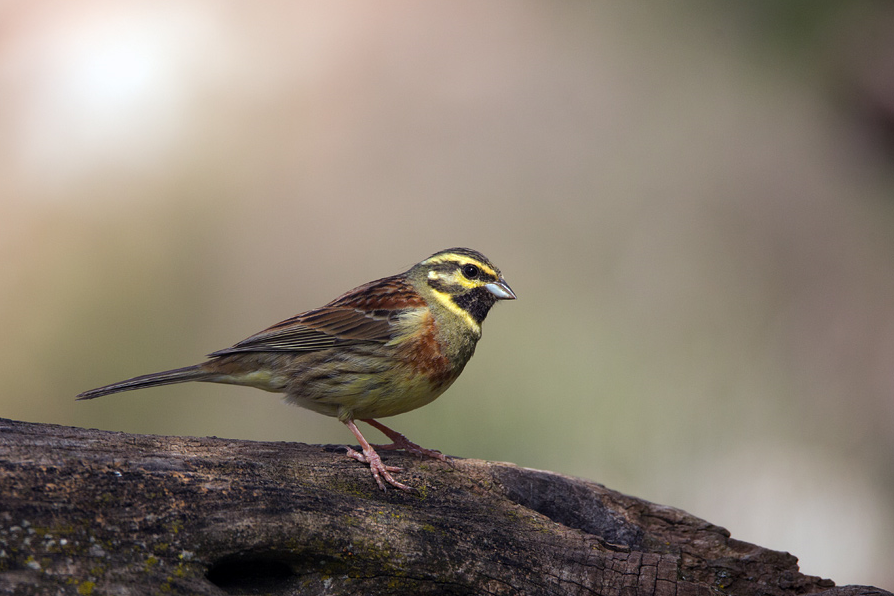
(*3). Head North from Maidencombe, the car park here (fee payable - note height restriction barrier), towards more hedge and tree lined fields, the speciality bird here is the Bruant zizi, gradually spreading along the coast from it's stronghold at RSPB Labrador Bay (see separate entry) just to the North. Expect more Alouette des champs and possible Faucon crécerelle along with more common passerines.
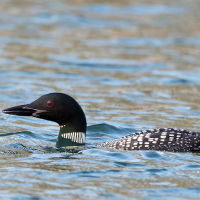
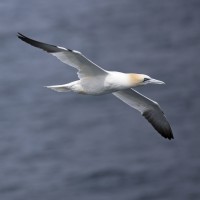
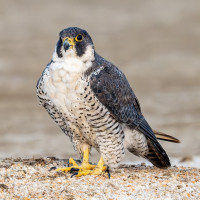
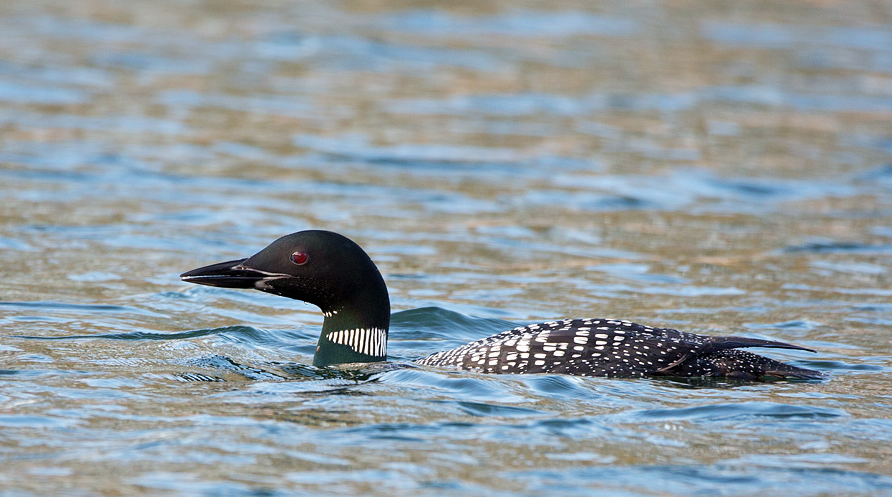
(*4). After heading East for the coastline continue South along The South West Coast Path, best described as being undulating and challenging in places with some steep sections with steps. The typical South Devon red soil here can be slippery and muddy in places, suitable footwear is advised following periods of rain. Linotte mélodieuse, Tarin des aulnes, Tarier pâtre and Verdier d'Europe are very common along this section. In infrequent gaps in the pathside trees and scrubland, depending on season views of the sea can give Plongeon imbrin, Macreuse noire, Fou de Bassan, Guillemot de Troïl, Fulmar boréal and the occasional Faucon pèlerin.
The A379 road from Torquay (to the South) to Shaldon/Teignmouth (to the North) runs just inland from the site, unfortunately the road signs to the two car parks from the A379 are non existent, therefore press P's on map for directions. The circular walk indicated on the map is about 5 km.
 ) Insérez les noms d'oiseau dans votre langue. Ils seront automatiquement traduits pour les autres usagers !
Votre feedback sera transmis à l’auteur.rice de cette zone et à l’équipe éditoriale de Birdingplaces, qui l’utiliseront pour améliorer la qualité des informations. (Vous souhaitez publier un commentaire visible en bas de page ? Fermez cette fenêtre et choisissez l’Option 1 : « Publier un commentaire, un conseil ou une observation ».)
Veuillez fournir des suggestions d'améliorations ou d'ajouts au texte de ce site ornithologique.
Veuillez fournir vos suggestions d'améliorations ou d'ajouts à la carte.
Veuillez fournir des suggestions d'améliorations ou d'ajouts à la liste des oiseaux.
Cliquez sur l'icône de l'oiseau () Insérez les noms d'oiseau dans votre langue. Ils seront automatiquement traduits pour les autres usagers !