Charger images
Les formats d'image autorisés sont de type jpeg, png ou gif
La taille maximale du fichier doit être de 20MB


This former sand and gravel quarry provides a haven for wildlife in the Trent Valley.
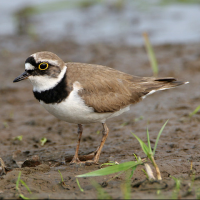
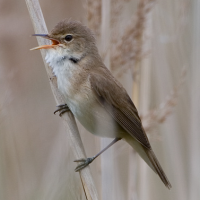
The shingle and grass islands in Willington Wetlands provide a refuge for birds and are ideal for breeding waders. The reed along the edges of the pools and in the old silt lagoon is home to a range of species and the grassland and duck marsh provide rich feeding for many species and breeding cover for others.
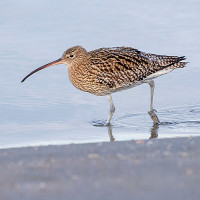
All year round the reserve is rich in bird life. In winter, large flocks of wildfowl gather, including Canard siffleur, Sarcelle d'hiver, Fuligule milouin and Canard souchet. In early spring, Courlis cendré gather on the wet grassland before they head north to their breeding grounds. During spring and autumn up to 20 species of wader pass through. Among the birds that breed at Willington are Hirondelle de rivage, Vanneau huppé and Sterne pierregarin.
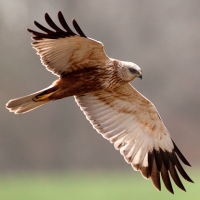
Birds of prey also visit the reserve - these include Faucon pèlerin, Faucon crécerelle, Faucon hobereau and Épervier d'Europe, as well as the very occasional Busard des roseaux. In recent winters, Butor étoilé has been seen at the reserve. In addition to birds, Willington wetlands also attract several species of dragonfly and damselfy as well as otters. The conditions suit water plants such as short-leaved water starwort.
There is a small public car park in the village of Willington, from which there is a 10-15 minute walk to the reserve. Please use this car park, rather than parking on residential streets. There is no official parking at the reserve. Please keep the track between the road and entrance to the reserve clear, it is in 24 hour use for access for livestock and neighbouring landowners.
Access on the reserve is limited to the main track and the viewing platforms provided. Meadow Lane is accessible to mobility scooters in dry conditions, but please note that there are eight steps leading up to the second and third viewing platforms. The first platform and the bird hide are accessible to all.
 ) Insérez les noms d'oiseau dans votre langue. Ils seront automatiquement traduits pour les autres usagers !
Votre feedback sera transmis à l’auteur.rice de cette zone et à l’équipe éditoriale de Birdingplaces, qui l’utiliseront pour améliorer la qualité des informations. (Vous souhaitez publier un commentaire visible en bas de page ? Fermez cette fenêtre et choisissez l’Option 1 : « Publier un commentaire, un conseil ou une observation ».)
Veuillez fournir des suggestions d'améliorations ou d'ajouts au texte de ce site ornithologique.
Veuillez fournir vos suggestions d'améliorations ou d'ajouts à la carte.
Veuillez fournir des suggestions d'améliorations ou d'ajouts à la liste des oiseaux.
Cliquez sur l'icône de l'oiseau () Insérez les noms d'oiseau dans votre langue. Ils seront automatiquement traduits pour les autres usagers !