Charger images
Les formats d'image autorisés sont de type jpeg, png ou gif
La taille maximale du fichier doit être de 20MB
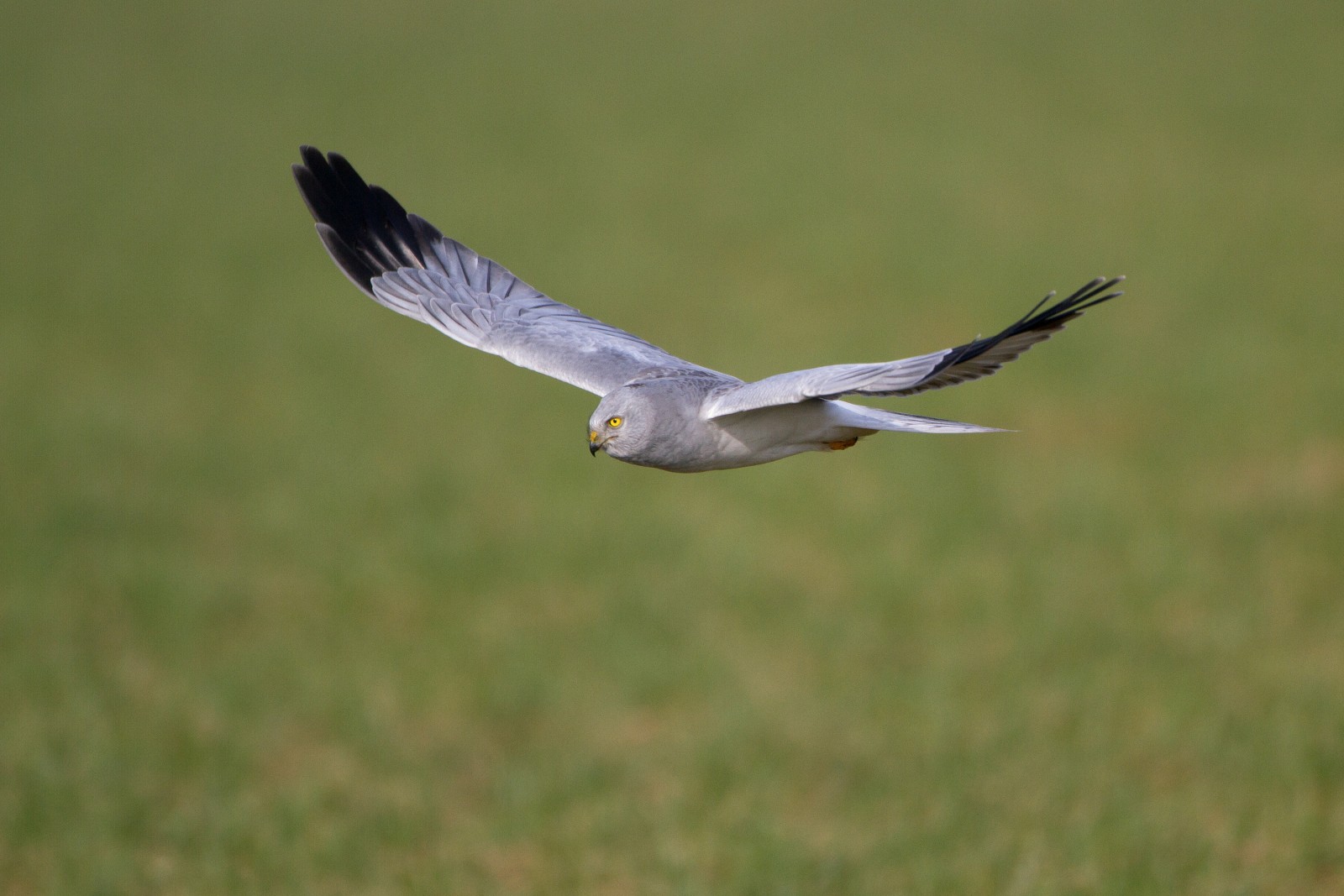
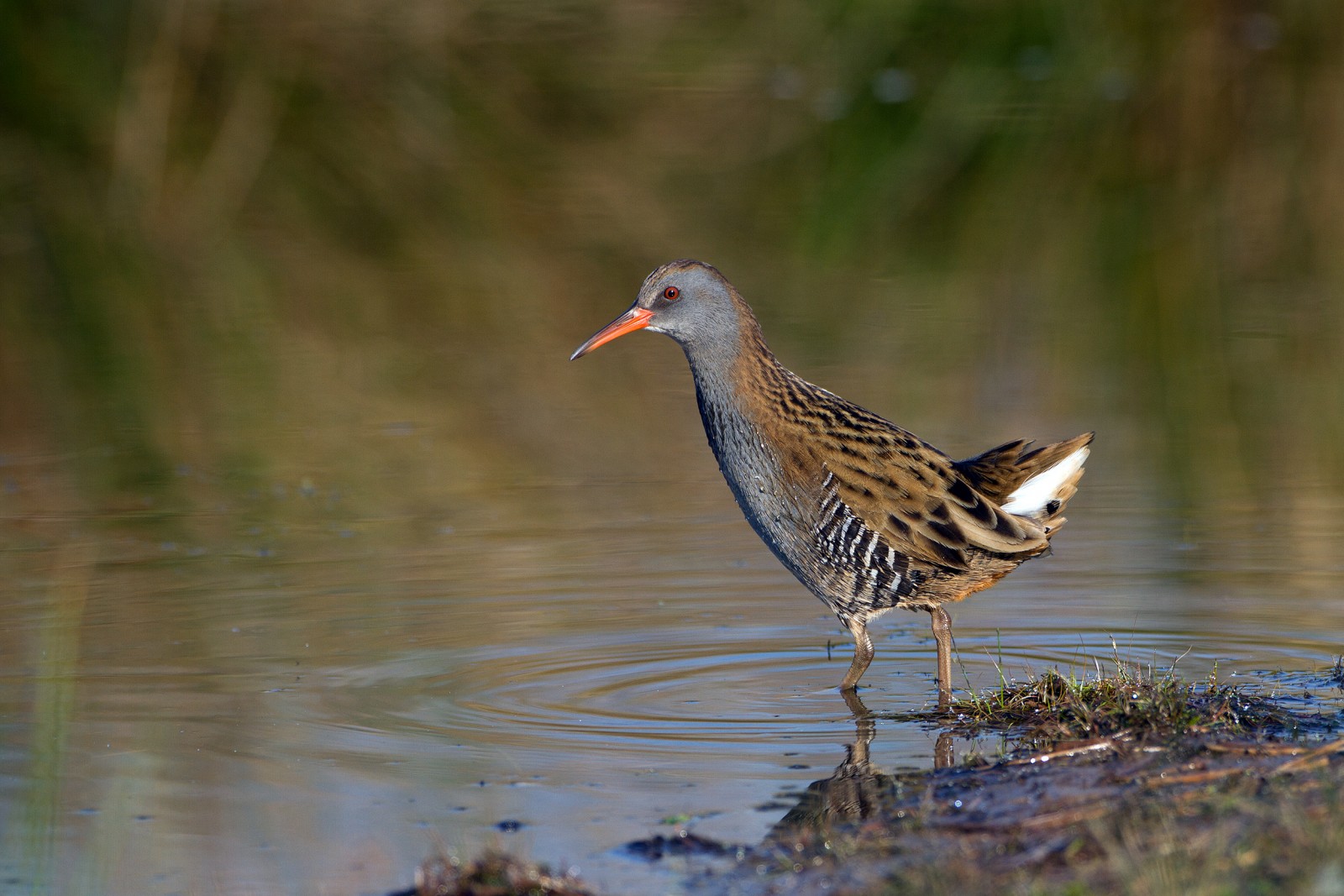
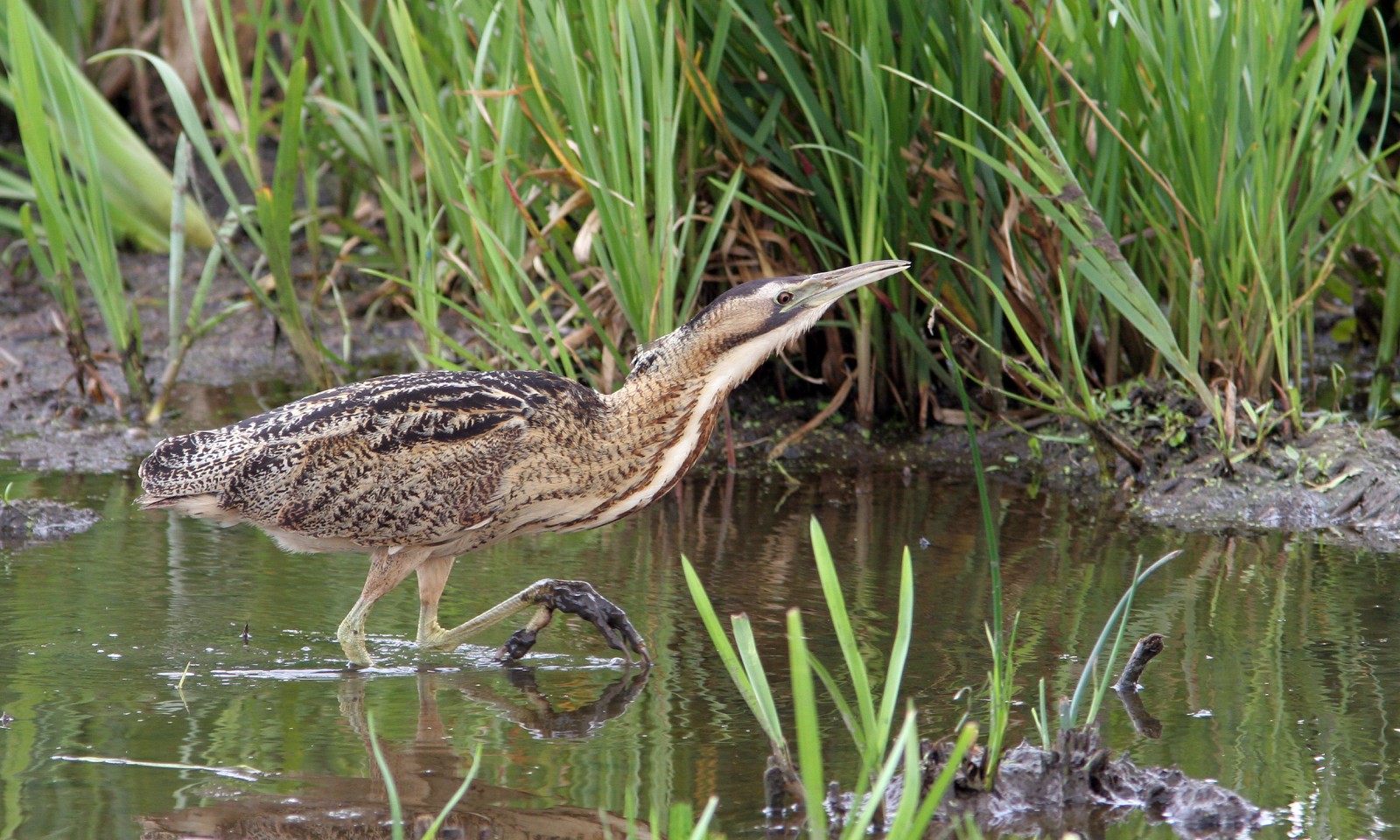
Woodwalton Fen NNR is a unique wetland reserve, rich in wildlife, with peaceful paths through reed beds, meadows, and open water.
Woodwalton Fen NNR is one of only a few remaining fragments of the ancient wild fenland that once stretched across large parts of East Anglia. Today, the reserve comprises a remarkable mosaic of wetland habitats, including open lowland fen with wet peaty soils, extensive reedbeds, a network of ditches and meres, wet woodland and scrub, and fen meadows. The northern reedbeds are particularly important, providing cover, nesting, and feeding opportunities for a variety of bird species. This variety of habitats gives the reserve exceptionally high biodiversity for its size. Woodwalton Fen has a long conservation history, having been purchased in 1910 by Charles Rothschild to protect one of the last surviving patches of wild fen.
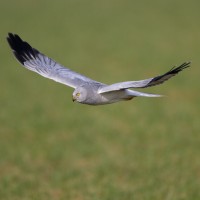
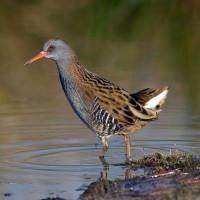
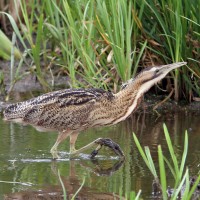
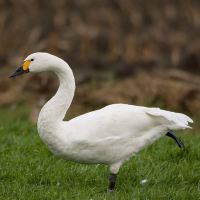
The reserve supports a rich and varied bird community throughout the year. In the meres and ditches, waterfowl such as Canard colvert and Sarcelle d'hiver are common, and winter visitors can include Canard chipeau, Fuligule milouin, and Canard siffleur. Diving species like Grèbe castagneux also use the open water areas. The reedbeds and fen‑edge habitats are alive with activity in spring and summer, with Rousserolle effarvatte, Phragmite des joncs , and Bruant des roseaux nesting among the reeds. Woodland and scrub areas are home to species such as Pic épeiche, Mésange charbonnière, Mésange bleue, Mésange nonnette, Mésange à longue queue, and various woodland songbirds. More elusive species, such as Bécasse des bois or even the rare Butor étoilé, may occasionally be spotted, while Busard des roseaux are a regular highlight as they patrol the reedbeds in search of prey.
Beyond birds, the fen is also a hotspot for biodiversity. The reserve supports a wealth of invertebrates, including aquatic insects, dragonflies, damselflies, and ground beetles, as well as rare wetland plants and other fauna like water voles. This diversity enriches the birding experience and highlights the ecological importance of the site. Spring and summer bring blooms of fen wildflowers, attracting insects that, in turn, draw insectivorous birds and other wildlife, creating a lively and dynamic environment for visitors.
What makes Woodwalton Fen truly special is its rarity and the opportunity it offers to experience a landscape that has almost vanished from East Anglia. Most of the historic fenland has been lost to drainage and agriculture, so the reserve provides a glimpse of what the wild fen environment once looked like, with reeds, meres, wet woodland, and fen meadows all in one place. Its habitat diversity supports a wide range of species, allowing birders to see waterbirds, raptors, woodland birds, and wetland specialists within a single visit. The potential for memorable sightings, such as Busard des roseaux over the reedbeds or elusive Butor étoilé, adds to its appeal, while occasional appearances of species like Grue cendrée remind visitors of the fen’s historical richness.
Woodwalton Fen is also a living example of successful conservation. As part of the Great Fen Project, it contributes to the restoration and reconnection of fenland habitats across East Anglia. Visiting the reserve allows you to witness conservation in action and to be part of a story that values biodiversity and the protection of Britain’s natural heritage. For a young birder or anyone passionate about wildlife, the mix of common and rare species, the variety of habitats, and the opportunity to build field skills make Woodwalton Fen an exceptional destination and a highly rewarding place to explore.
Woodwalton Fen NNR is located in Cambridgeshire, just west of the village of Ramsey Heights, about four miles southwest of Ramsey and roughly halfway between Peterborough and Huntingdon. The official access point is via Chapel Road, Ramsey Heights, PE26 2RS.
The easiest way to reach the reserve is by car. From nearby main roads such as the B1040, B1090, or A141, follow the signs to Chapel Road, which becomes a track leading to the reserve. There is a free car park at the end of Chapel Road, just after crossing the entrance bridge over the Great Raveley Drain. Press P on the map for directions. If the main car park is full, informal parking along the bank beside the drain is possible, though the ground may be soft or muddy.
Public transport is limited. The nearest mainline railway stations are Huntingdon and Peterborough, from which a bus or taxi is required to reach Ramsey Heights. There is no bus stop within 150 meters of the reserve itself, so visitors using public transport will need to walk or cycle from the nearest stop. For most visitors, arriving by car is the most practical option.
Once at the reserve, the best way to explore is on foot. The main entrance path is flat and provides access to a network of trails. Popular options include the Waterbird Trail (approximately 1.5 miles, 1.5 hours), the Marsh Harrier Trail (about 1 mile, 1 hour), and shorter trails such as the Bungalow Trail (0.75 mile, 30 minutes) or the Great Fen View Trail (0.6 mile, around 1 hour). Visitors should be prepared for uneven ground, muddy patches, and steps at some hides, which may limit wheelchair or buggy access. Dogs are not allowed, except for assistance dogs.
For a quick visit, a short circuit on one of the smaller trails takes around 30–60 minutes. A proper birding session exploring the waterbird and marsh habitats requires 1.5–2 hours. A full, leisurely visit with wildlife watching and hiding for rarer birds can take 2–4 hours or more, especially around dawn or dusk when bird activity is highest. Driving to the reserve and allowing a few hours is the best way to experience Woodwalton Fen fully, giving time to explore its trails and maximise your chances of seeing interesting species.
 ) Insérez les noms d'oiseau dans votre langue. Ils seront automatiquement traduits pour les autres usagers !
Votre feedback sera transmis à l’auteur.rice de cette zone et à l’équipe éditoriale de Birdingplaces, qui l’utiliseront pour améliorer la qualité des informations. (Vous souhaitez publier un commentaire visible en bas de page ? Fermez cette fenêtre et choisissez l’Option 1 : « Publier un commentaire, un conseil ou une observation ».)
Veuillez fournir des suggestions d'améliorations ou d'ajouts au texte de ce site ornithologique.
Veuillez fournir vos suggestions d'améliorations ou d'ajouts à la carte.
Veuillez fournir des suggestions d'améliorations ou d'ajouts à la liste des oiseaux.
Cliquez sur l'icône de l'oiseau () Insérez les noms d'oiseau dans votre langue. Ils seront automatiquement traduits pour les autres usagers !