Charger images
Les formats d'image autorisés sont de type jpeg, png ou gif
La taille maximale du fichier doit être de 20MB
WWT Steart Marsh is part of Bridgewater Bay National Nature Reserve in North Somerset.
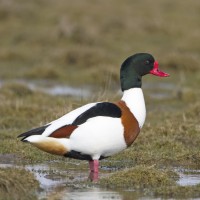
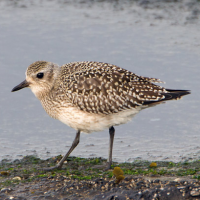
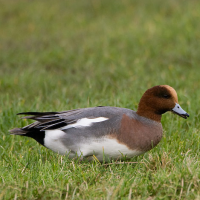
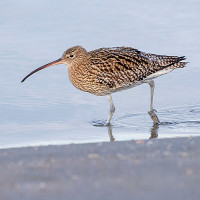
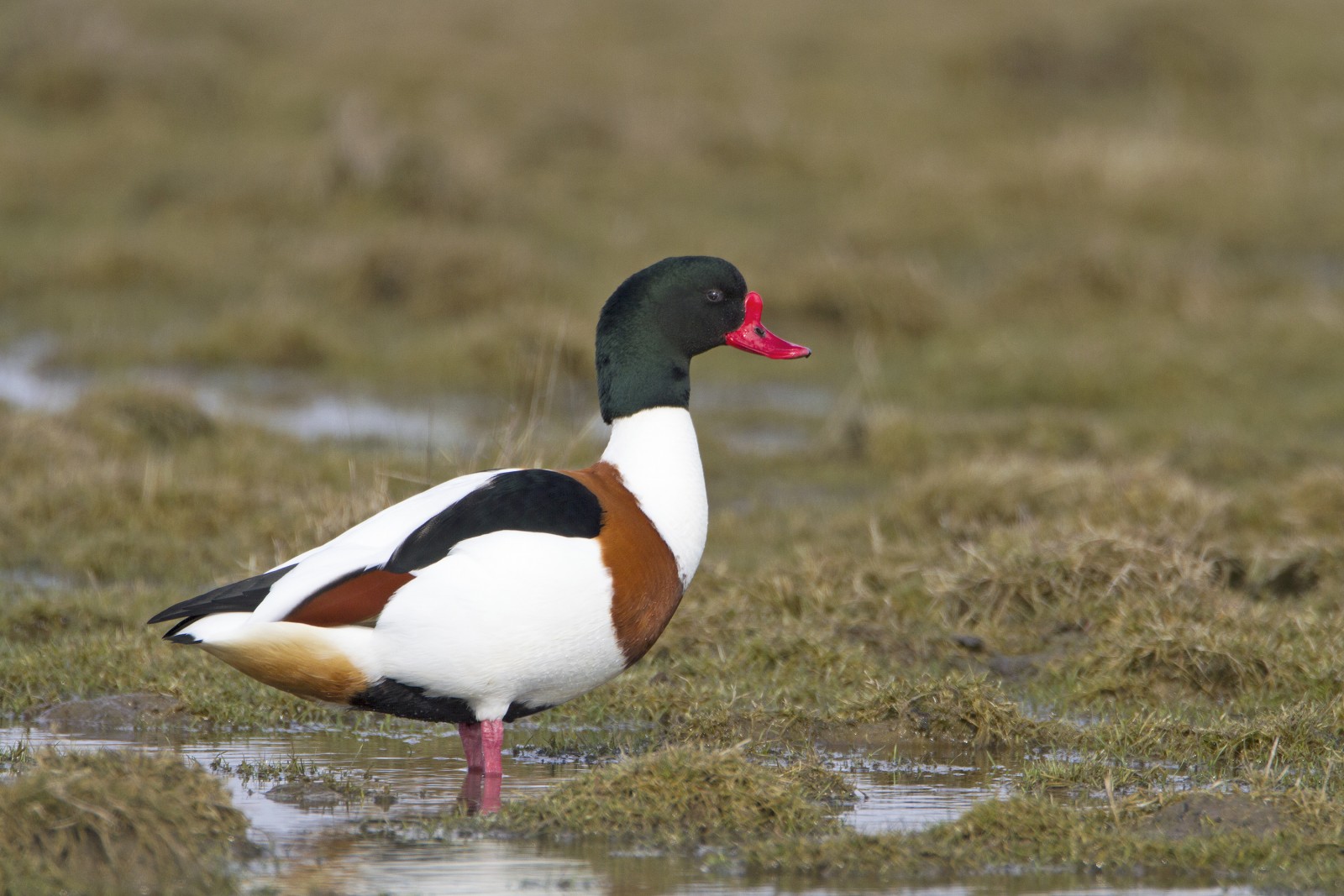
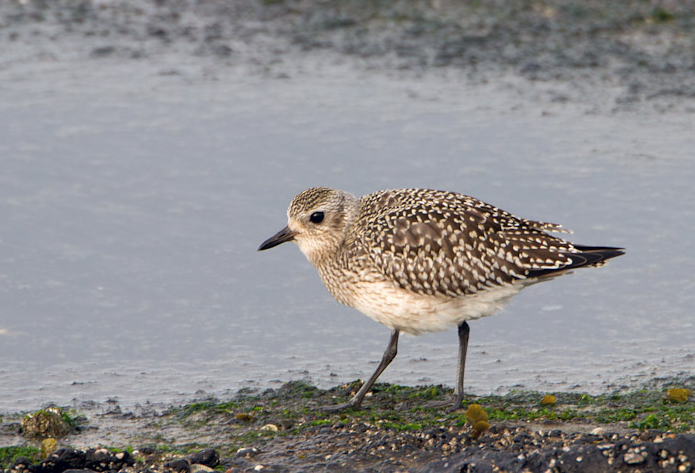
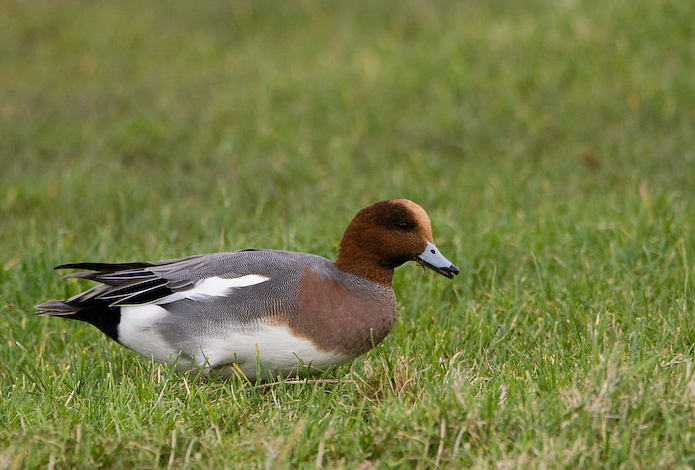
Wildfowl and Wetlands Trust Steart Marsh is situated on a peninsula between the River Parrett and Bridgewater Bay on the Bristol Channel coast of North Somerset. Most British birdwatchers know this area as an important site for the large number of Tadorne de Belon, that arrive here for their annual moult. The area once comprised of just farmland but has been much improved for birds by a large man-made breach in the Eastern embankment allowing the sea to encroach onto a large area, forming good areas of mud and reedbeds. During Winter the whole area holds a large number of Waders/Ducks and possibly Wild Swans making it one of the most important sites in Southern England. Some birds you can expect to see are Bécasseau variable, Courlis cendré, Bécasseau maubèche, Chevalier gambette and Pluvier argenté. During Spring Traquet motteux and Tarier des prés are often seen. Bridgewater Bay itself has had Mouette de Sabine, Océanite culblanc, Fou de Bassan, Puffin des Anglais and other Skua/Tern species.
To the East the M5 motorway runs North to South, come off motorway at junction 24 at Bridgewater, take A39 West towards Cannington. At Cannington take second exit on roundabout (Main Road) to town centre, just after a sharp Left turn take first Right into Rodway (signed Hinkley Point). After approximately 2 Miles take a Right turn into Stockland Bristol Road, this minor road leads onto Steart Drove that passes Steart Marsh. The car park is on the Left opposite the marsh entrance. For those wanting to overlook the bay another car park is further along this road. The circular walking route indicated on the map is about 7 km.
 ) Insérez les noms d'oiseau dans votre langue. Ils seront automatiquement traduits pour les autres usagers !
Votre feedback sera transmis à l’auteur.rice de cette zone et à l’équipe éditoriale de Birdingplaces, qui l’utiliseront pour améliorer la qualité des informations. (Vous souhaitez publier un commentaire visible en bas de page ? Fermez cette fenêtre et choisissez l’Option 1 : « Publier un commentaire, un conseil ou une observation ».)
Veuillez fournir des suggestions d'améliorations ou d'ajouts au texte de ce site ornithologique.
Veuillez fournir vos suggestions d'améliorations ou d'ajouts à la carte.
Veuillez fournir des suggestions d'améliorations ou d'ajouts à la liste des oiseaux.
Cliquez sur l'icône de l'oiseau () Insérez les noms d'oiseau dans votre langue. Ils seront automatiquement traduits pour les autres usagers !