_(27566430736).jpg)
Charger images
Les formats d'image autorisés sont de type jpeg, png ou gif
La taille maximale du fichier doit être de 20MB
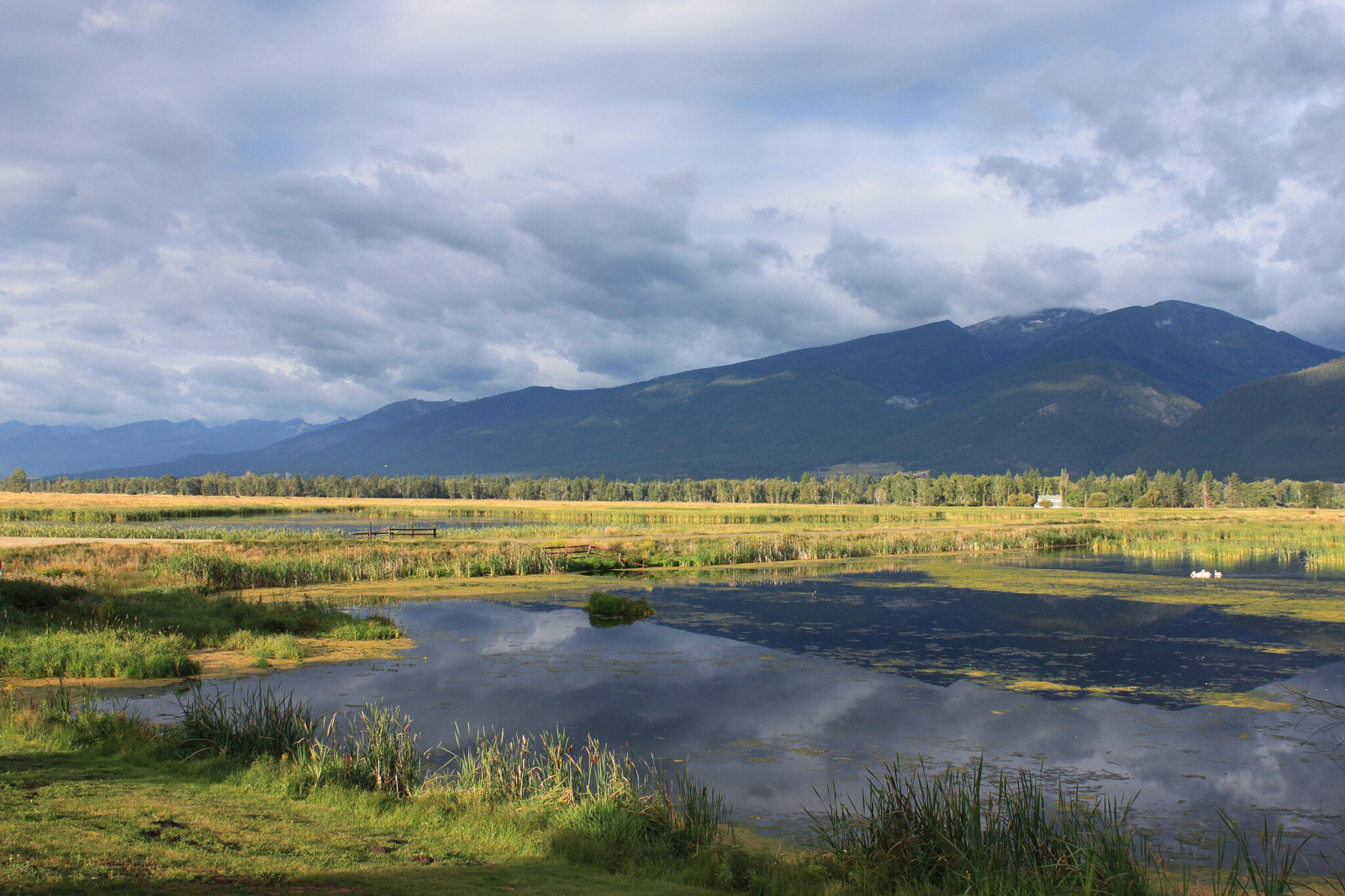
This 2,800-acre sanctuary with varied wetlands, riparian forest, ponderosa pines, and grassland, is one of the best birding hotspots in Montana.
Set in the broad valley of the Bitterroot River about 22 miles south of Missoula, with the Bitterroot Mountains to the west and the Sapphire Mountains to the east, Lee Metcalf National Wildlife Refuge ranks first among Montana birding sites in number of species seen. It comprises varied wetlands, riparian forest, ponderosa pines, and grassland.
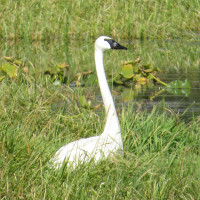
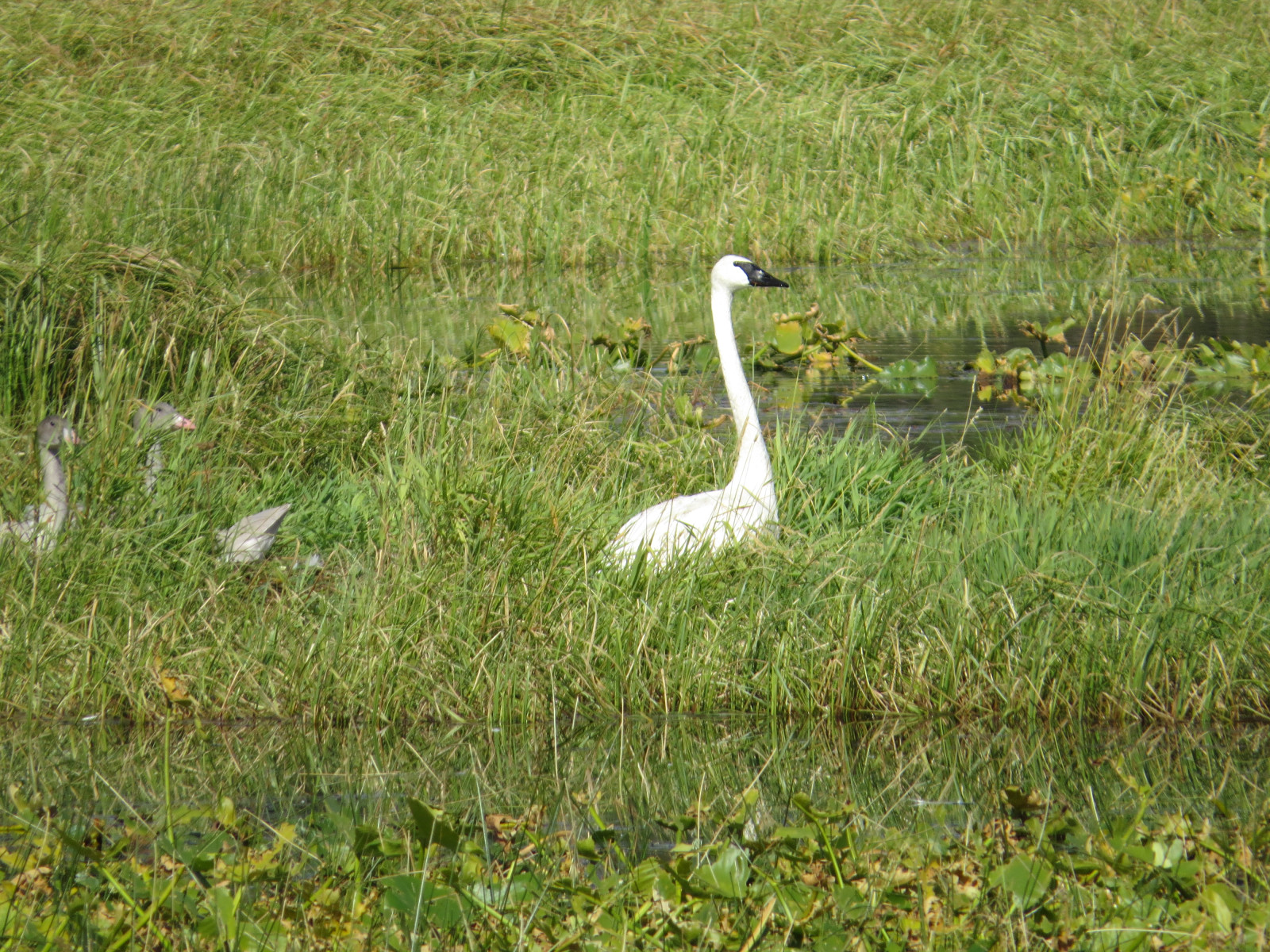
The Bitterroot Valley has been designated an Important Bird Area in recognition of its diversity. More than 240 species have been counted in the refuge, with another 20 or so present elsewhere in the valley. The refuge is known for Trumpeter Swan and Tundra Swan and numbers of other waterfowl. Twenty or more waterfowl species may be present in migration. Other wetland-nesting birds include Pied-billed Grebe, American Bittern, Sora, American Avocet, Wilson's Phalarope and Marsh Wren.
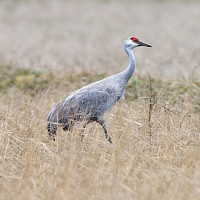
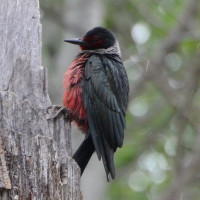
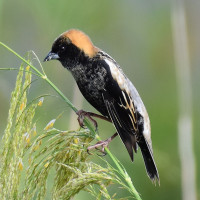
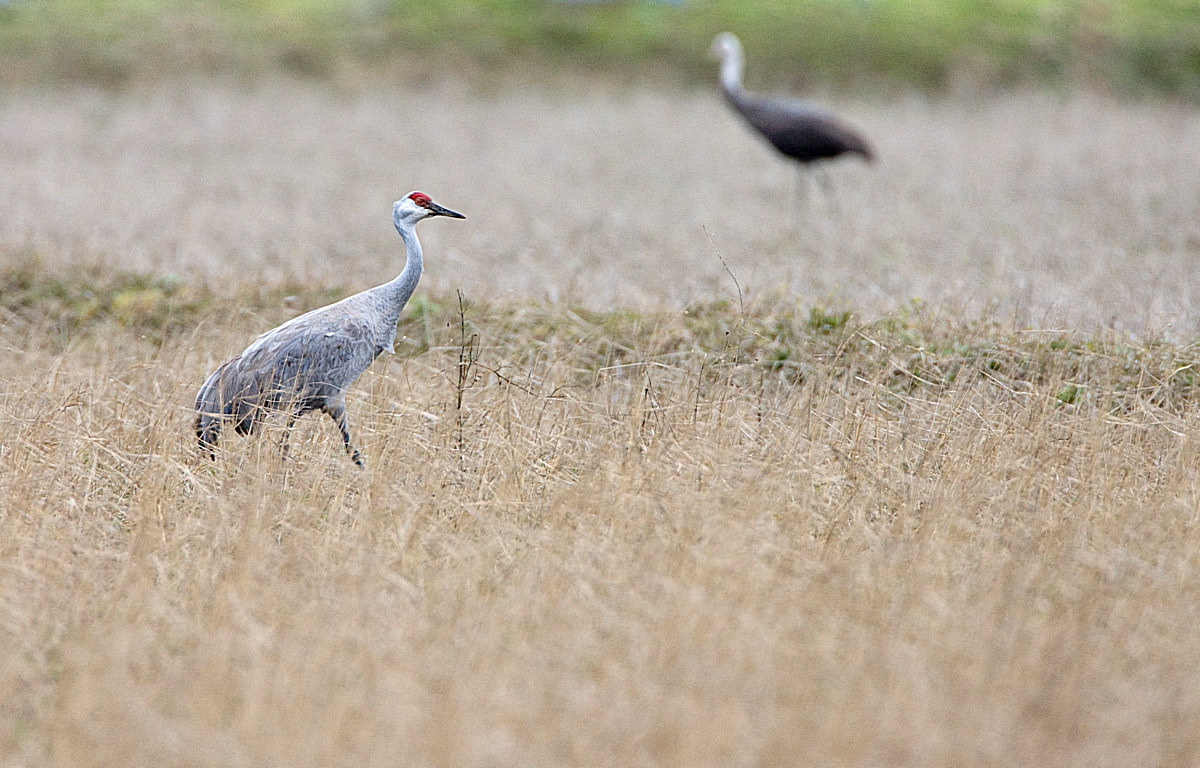
Driving Wildfowl Lane or walking the 1.25-mile Kenai Nature Trail may bring sightings of California Quail, Wild Turkey, American White Pelican, Osprey, Northern Harrier, Bald Eagle, Sandhill Crane, Lewis's Woodpecker, Red-naped Sapsucker, Pygmy Nuthatch, Black-headed Grosbeak, Bobolink, and Yellow-headed Blackbird.
The Lee Metcalf National Wildlife Refuge is approximately 2 miles north of Stevensville and 25 miles south of Missoula in Ravalli County, Montana. The Refuge is open from sunrise to sunset. Press a P on the map for directions to a parking. The Refuge has four kiosks in place. Two are positioned, respectively, at the south and east entrances to the Refuge via Wildfowl Lane. A third kiosk is at the trailhead for the Kenai Nature Trail and the fourth is in place at the Wildlife Viewing Area.
 ) Insérez les noms d'oiseau dans votre langue. Ils seront automatiquement traduits pour les autres usagers !
Votre feedback sera transmis à l’auteur.rice de cette zone et à l’équipe éditoriale de Birdingplaces, qui l’utiliseront pour améliorer la qualité des informations. (Vous souhaitez publier un commentaire visible en bas de page ? Fermez cette fenêtre et choisissez l’Option 1 : « Publier un commentaire, un conseil ou une observation ».)
Veuillez fournir des suggestions d'améliorations ou d'ajouts au texte de ce site ornithologique.
Veuillez fournir vos suggestions d'améliorations ou d'ajouts à la carte.
Veuillez fournir des suggestions d'améliorations ou d'ajouts à la liste des oiseaux.
Cliquez sur l'icône de l'oiseau () Insérez les noms d'oiseau dans votre langue. Ils seront automatiquement traduits pour les autres usagers !