Charger images
Les formats d'image autorisés sont de type jpeg, png ou gif
La taille maximale du fichier doit être de 20MB
This refuge features a 5 mile auto tour with 4 short walkable paths. As a key stop along the Pacific Flyway, thousands of waterfowl can be seen here.
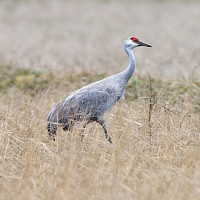
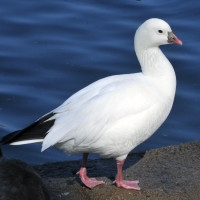
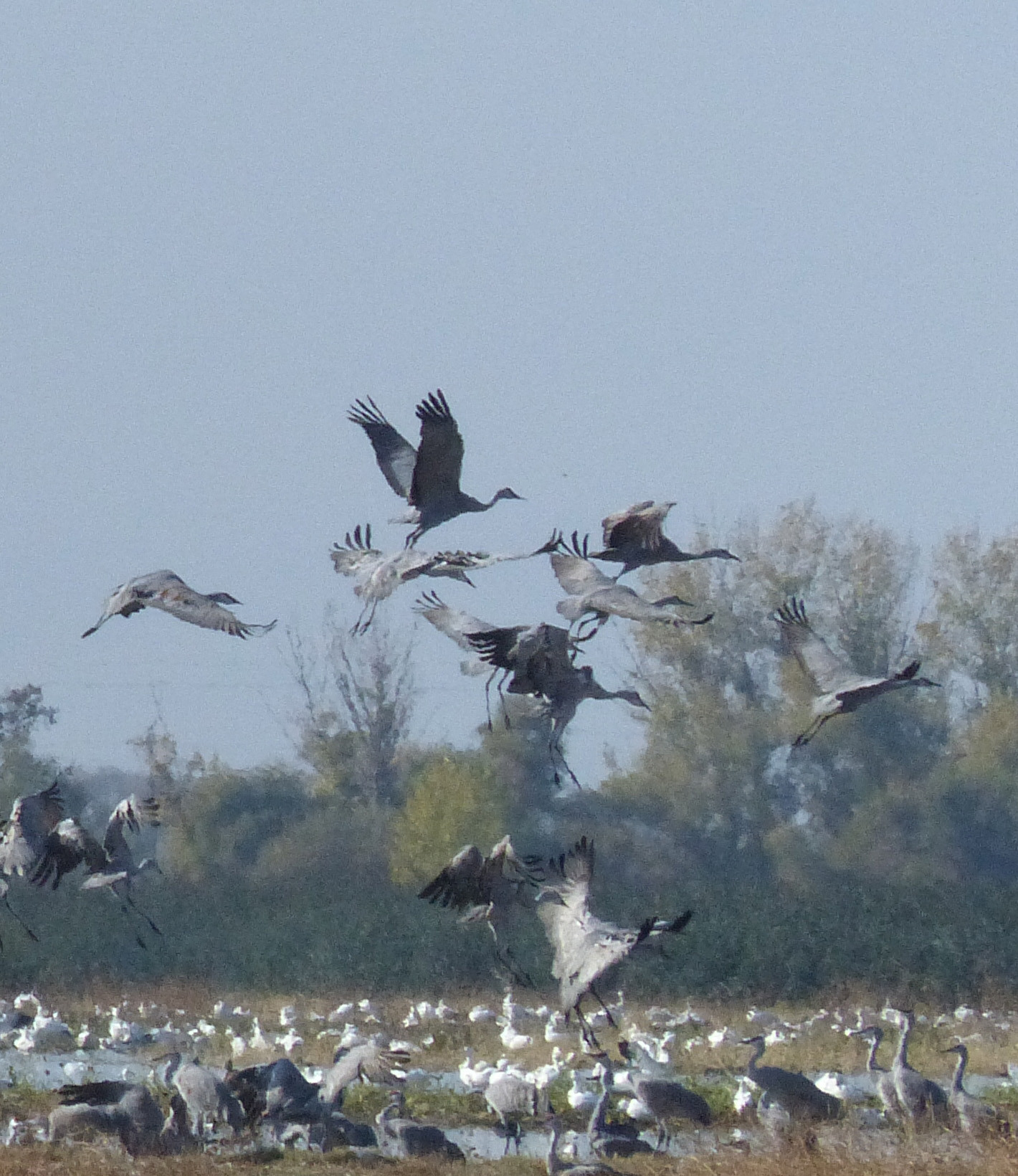
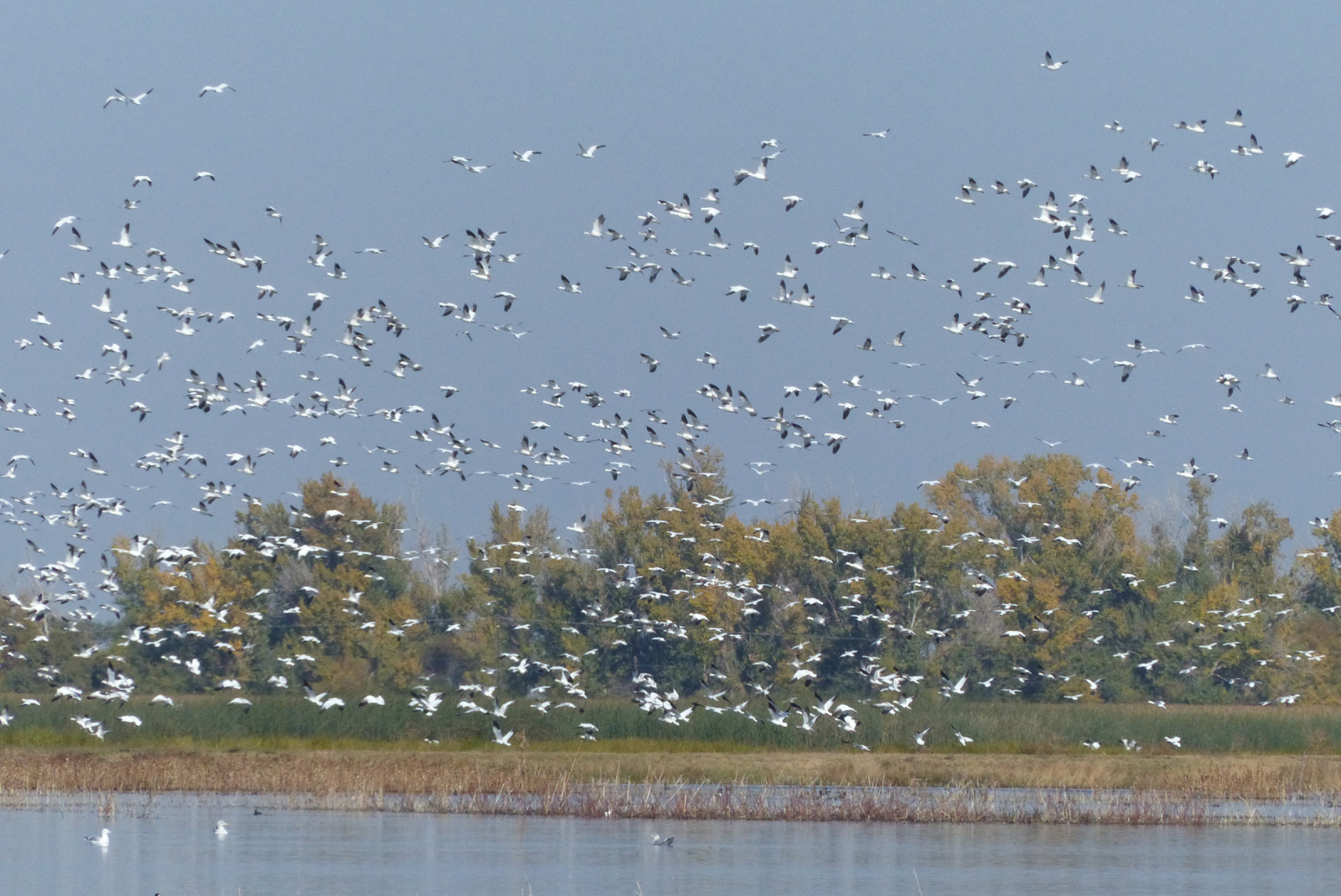
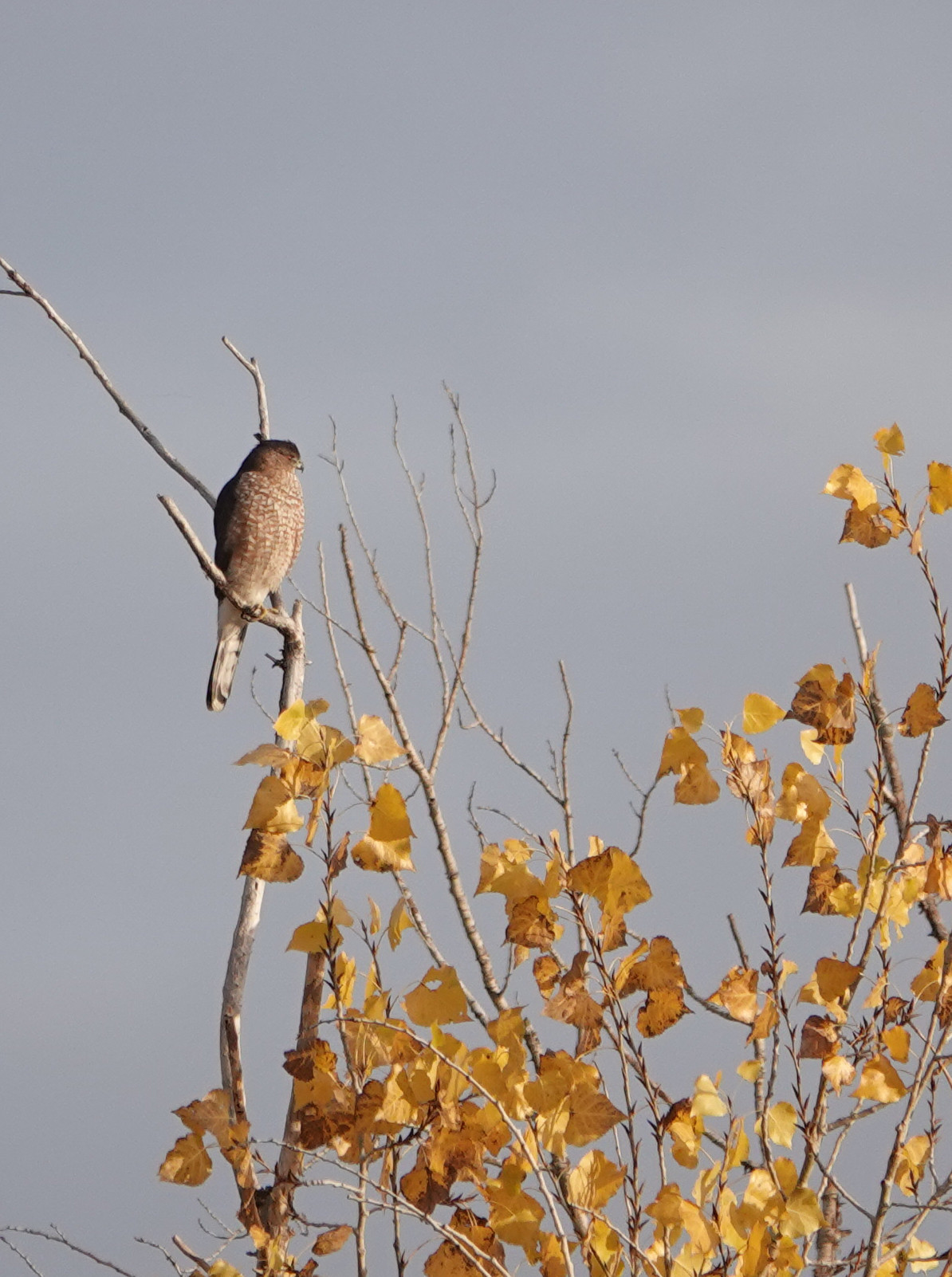
Merced National Wildlife Reserve, which spans 10,200 acres, includes a wide array of habitats, including wetlands, vernal ponds, grasslands and riparian areas. The refuge is known for hosting the largest wintering populations of Sandhill Crane (tabida/rowani) and Ross's Goose of any location along the Pacific Flyway. The auto tour encircles the main ponds, with excellent viewing for Snow Goose (in the thousands), Ross's Goose, Tundra Swan, Sandhill Cranes, Northern Pintail, Cinnamon Teal and numerous other waterfowl. The area attracts raptors including: Red-tailed Hawk, Northern Harrier , Bald Eagle, Red-shouldered Hawk, Cooper's Hawk and American Kestrel. A variety of other bird species can be seen here, including Western Meadowlark, Loggerhead Shrike, White-crowned Sparrow, Tree Swallow, Marsh Wren, American Bittern, and an array of warblers can be found on the walks.
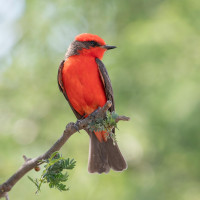
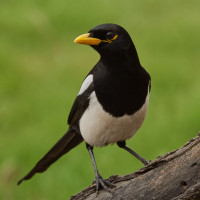
This is also a great spot to view sought-after birds for birders who live outside California or the Western US, including the stunning-looking Vermilion Flycatcher, Yellow-headed Blackbirds, as well as California and Central Valley specialties like Yellow-billed Magpie and Tricolored Blackbirds.
Driving to Merced National Wildlife Reserve is necessary, and the reserve is most easily explored by car. The auto loop has 2 parking locations near viewing platforms with toilets. You must remain in the car on the auto loop. Short walking trails are located near the parking areas. Click on a P in the map for directions to a parking.
 ) Insérez les noms d'oiseau dans votre langue. Ils seront automatiquement traduits pour les autres usagers !
Votre feedback sera transmis à l’auteur.rice de cette zone et à l’équipe éditoriale de Birdingplaces, qui l’utiliseront pour améliorer la qualité des informations. (Vous souhaitez publier un commentaire visible en bas de page ? Fermez cette fenêtre et choisissez l’Option 1 : « Publier un commentaire, un conseil ou une observation ».)
Veuillez fournir des suggestions d'améliorations ou d'ajouts au texte de ce site ornithologique.
Veuillez fournir vos suggestions d'améliorations ou d'ajouts à la carte.
Veuillez fournir des suggestions d'améliorations ou d'ajouts à la liste des oiseaux.
Cliquez sur l'icône de l'oiseau () Insérez les noms d'oiseau dans votre langue. Ils seront automatiquement traduits pour les autres usagers !