
Charger images
Les formats d'image autorisés sont de type jpeg, png ou gif
La taille maximale du fichier doit être de 20MB
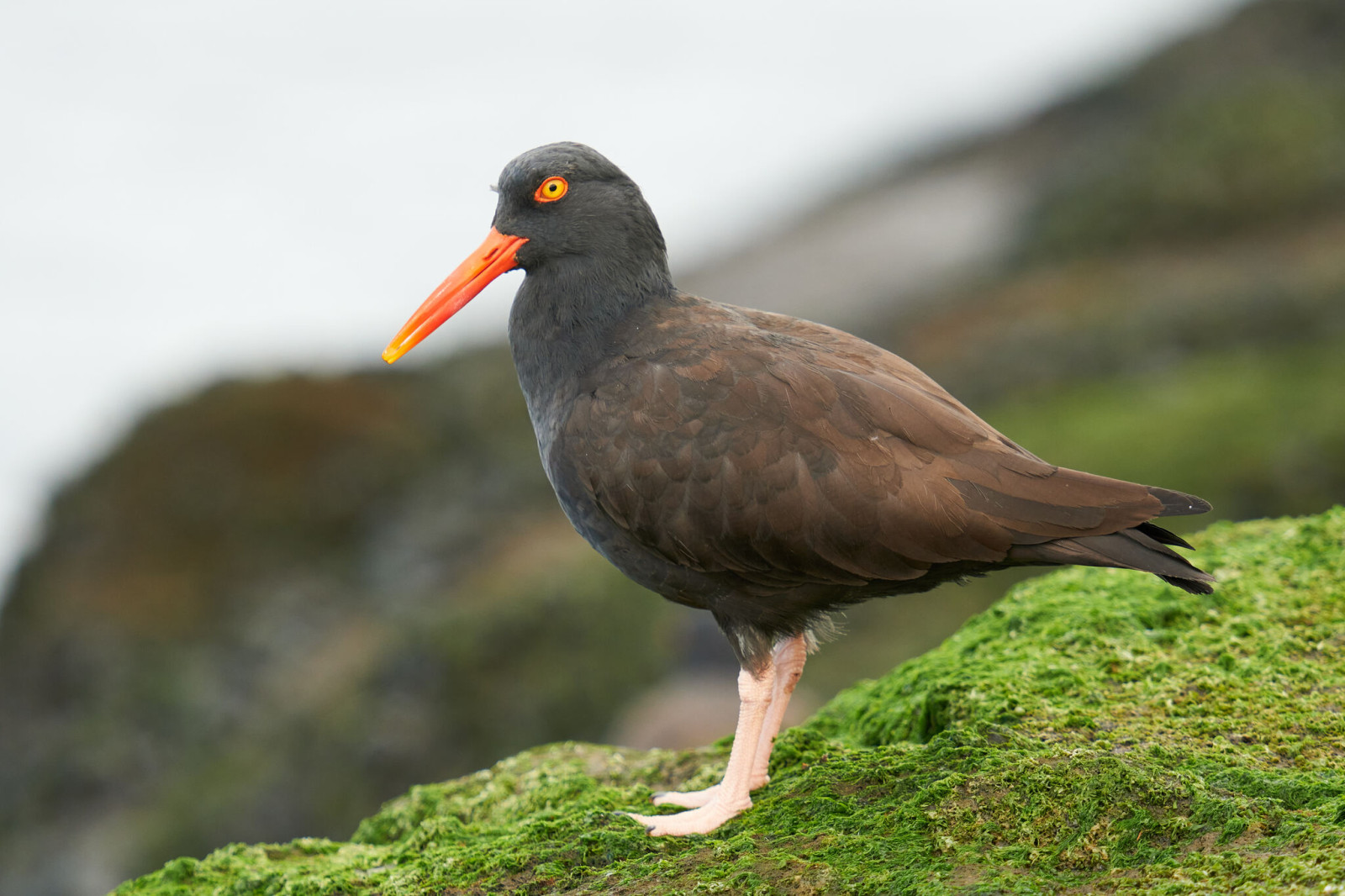
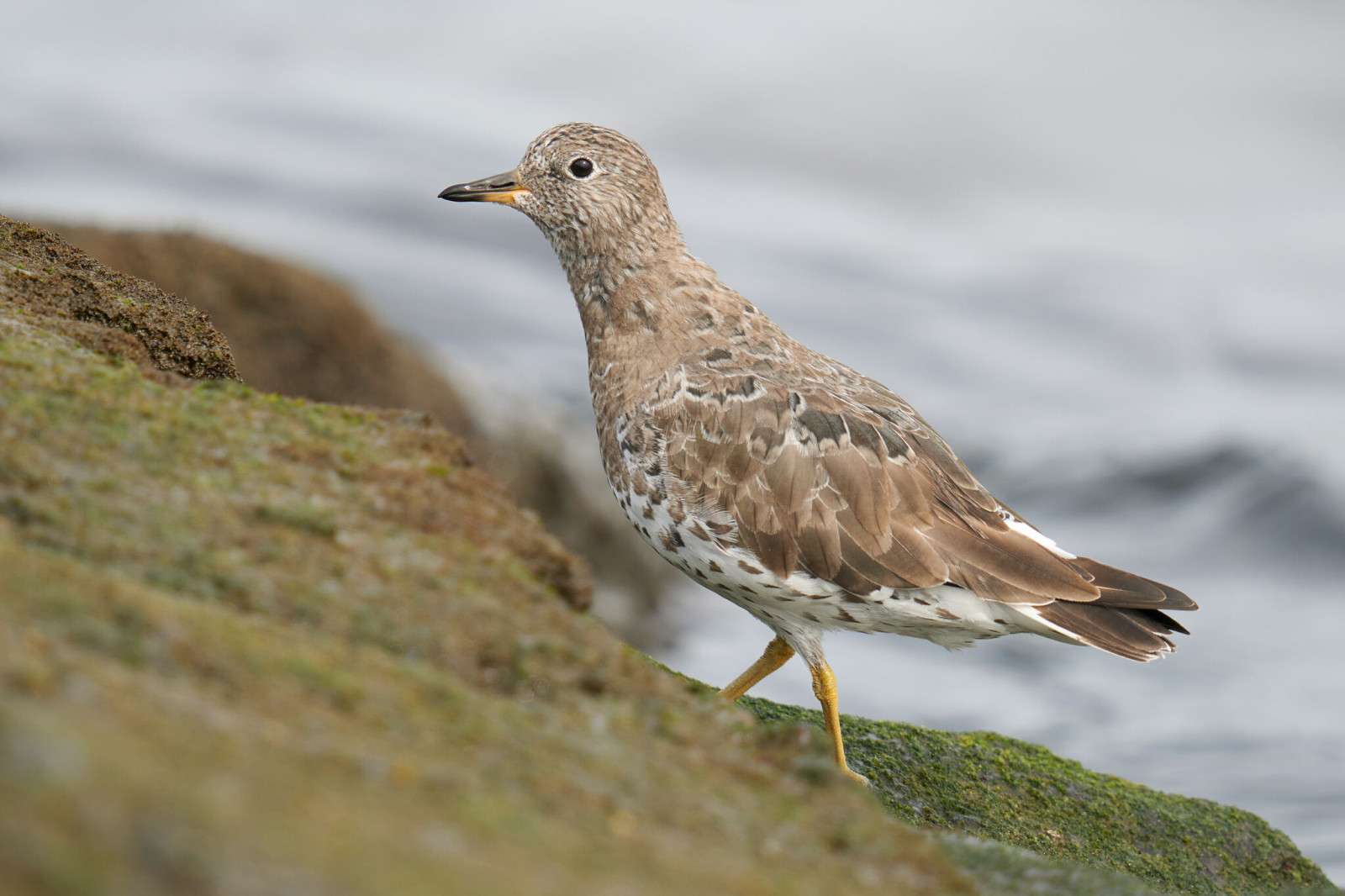
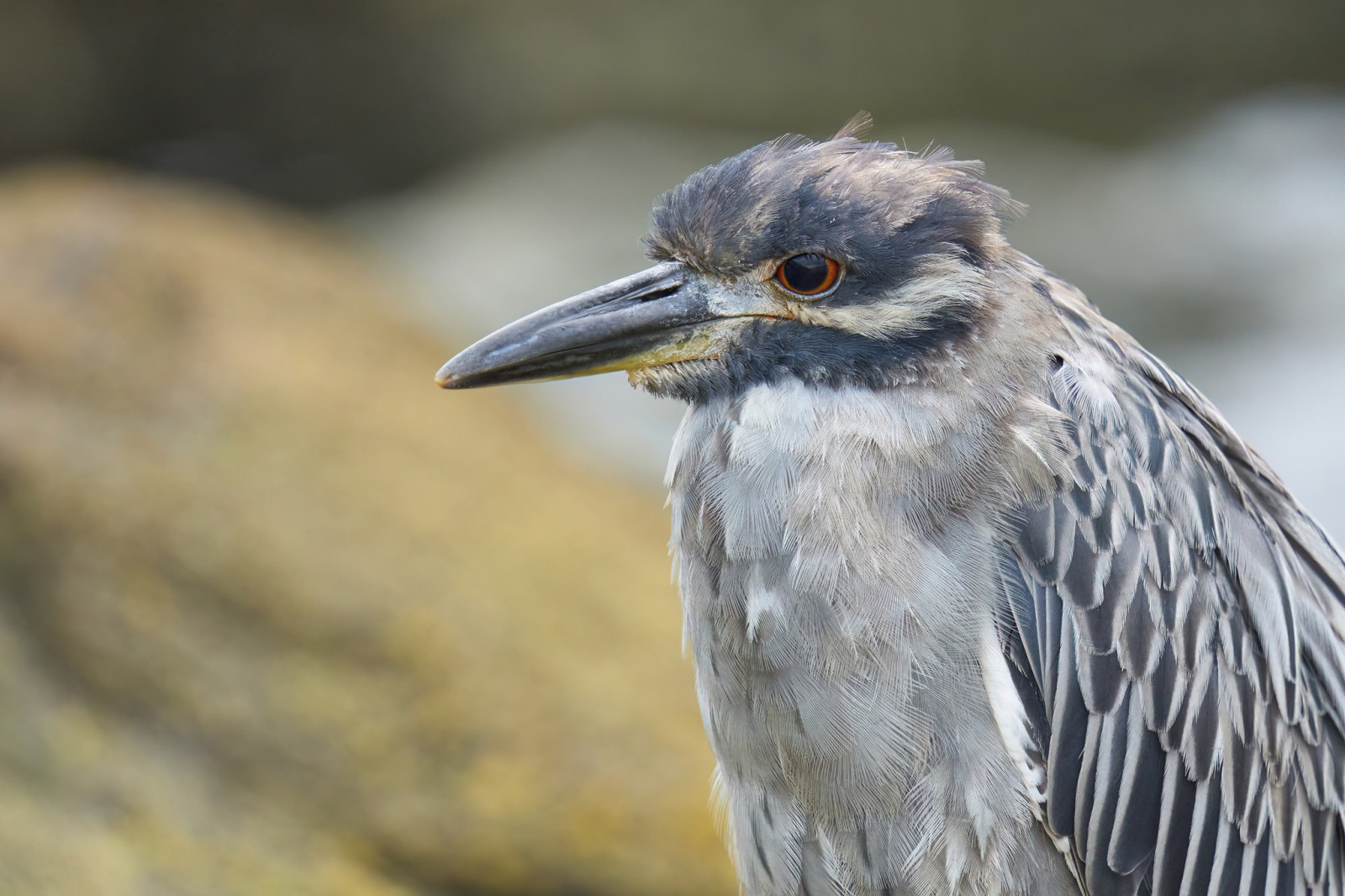
The Playa Del Rey area encompasses the channelized mouth of Ballona creek along with Del Rey lagoon, beach, and the western extent of the Ballona saltmarsh.
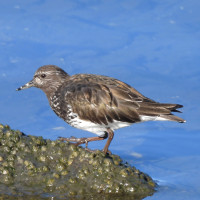
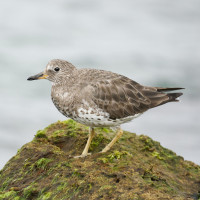
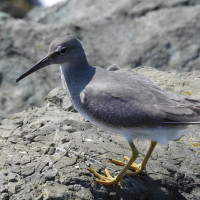
The Ballona creek mouth at Playa Del Rey is one of the best spots in Los Angeles county to see and photograph rock-loving shorebirds like Surfbird, Black Turnstone and (less frequently) Wandering Tattler. The creek channel and adjacent Del Rey lagoon host significant diversity of ducks in winter, and on the rare occasions that they are open the saltmarsh and salt pan provide shorebirding opportunities. Belding's Savannah Sparrow, a unique saltmarsh subspecies that will likely be split in the future, is common in the saltmarsh and are frequently seen on the accessible jetties - this is essentially the only place in Los Angeles county to see them. Large numbers of Black-bellied Plover, Willet, and other common shorebirds also winter here.
Playa Del Rey is located just north of Los Angeles International Airport (LAX). Free parking is available at Del Rey lagoon park and adjacent city streets. Press P on the map for directions.
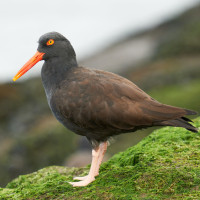
The jetties extending along the creek mouth are excellent for large groups of Surfbirds, which frequently allow close approach. Also present on the jetties are Least Sandpipers, Black Turnstones, Willets, Black Oystercatchers, and less frequently Belding's Savannah Sparrow, Yellow-crowned Night Heron, and Wandering Tattler.
Del Rey lagoon is home to a variety of ducks in winter, and when low can host several species of shorebird.
The gate to the path that goes east along the saltmarsh is almost always locked. On the rare occasions where it is open, the saltmarsh there is good for Yellow-crowned Night Heron and the salt pan can host large numbers of migrating shorebirds.
Gull diversity is not high here compared to the best Los Angeles locations. Western, California, and Heermann's Gull are reliable here. In winter, the more common species can also be joined by Glaucous-winged gulls (usually 1st cycle birds).
 ) Insérez les noms d'oiseau dans votre langue. Ils seront automatiquement traduits pour les autres usagers !
Votre feedback sera transmis à l’auteur.rice de cette zone et à l’équipe éditoriale de Birdingplaces, qui l’utiliseront pour améliorer la qualité des informations. (Vous souhaitez publier un commentaire visible en bas de page ? Fermez cette fenêtre et choisissez l’Option 1 : « Publier un commentaire, un conseil ou une observation ».)
Veuillez fournir des suggestions d'améliorations ou d'ajouts au texte de ce site ornithologique.
Veuillez fournir vos suggestions d'améliorations ou d'ajouts à la carte.
Veuillez fournir des suggestions d'améliorations ou d'ajouts à la liste des oiseaux.
Cliquez sur l'icône de l'oiseau () Insérez les noms d'oiseau dans votre langue. Ils seront automatiquement traduits pour les autres usagers !