
Charger images
Les formats d'image autorisés sont de type jpeg, png ou gif
La taille maximale du fichier doit être de 20MB
.jpg)
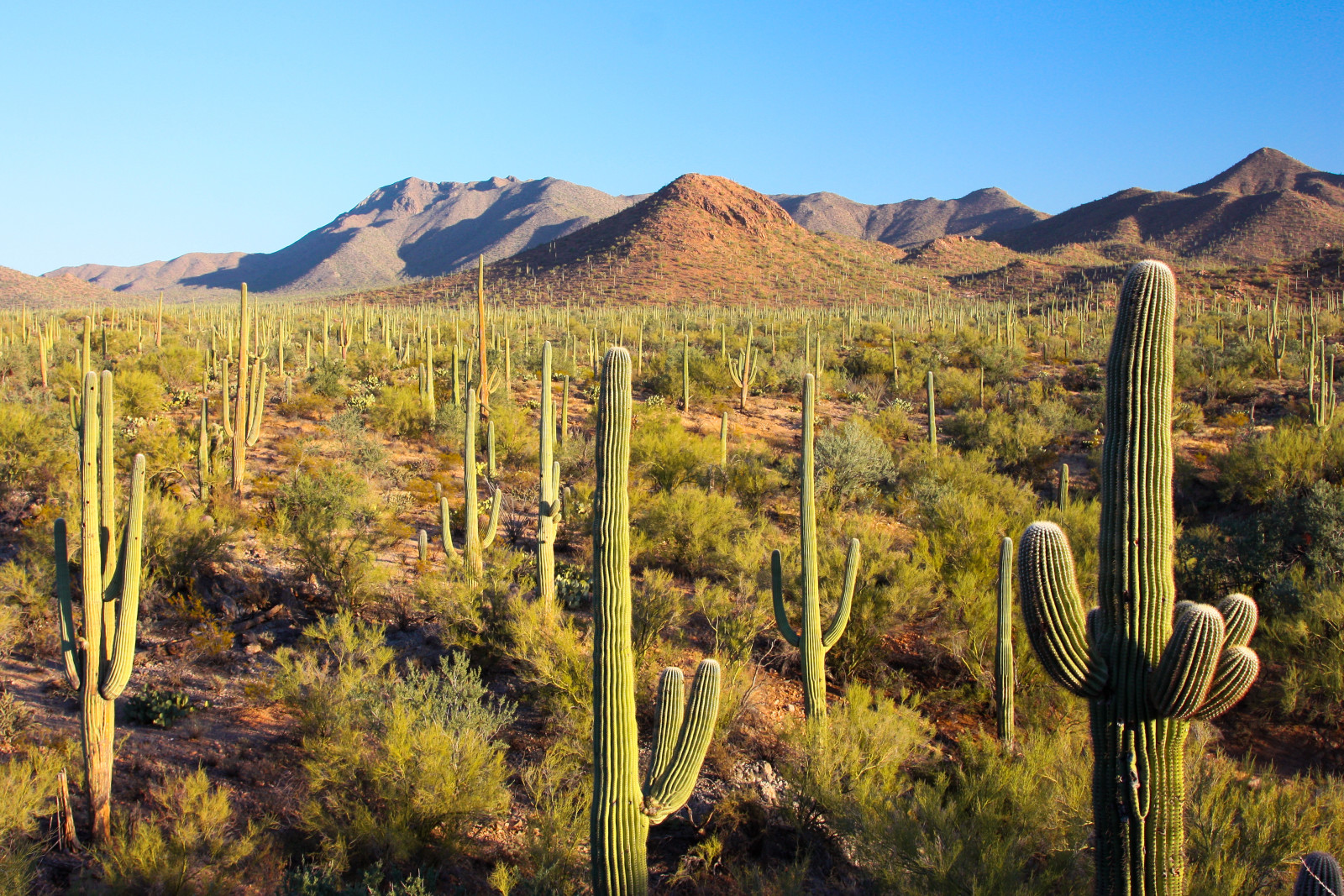
Beautiful landscape and cactus forest of huge saguaro cacti. Many desert birds can be seen.
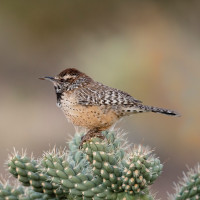
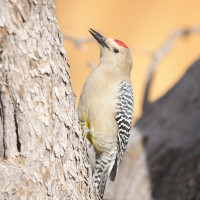
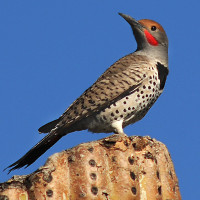
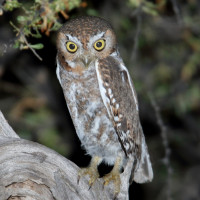
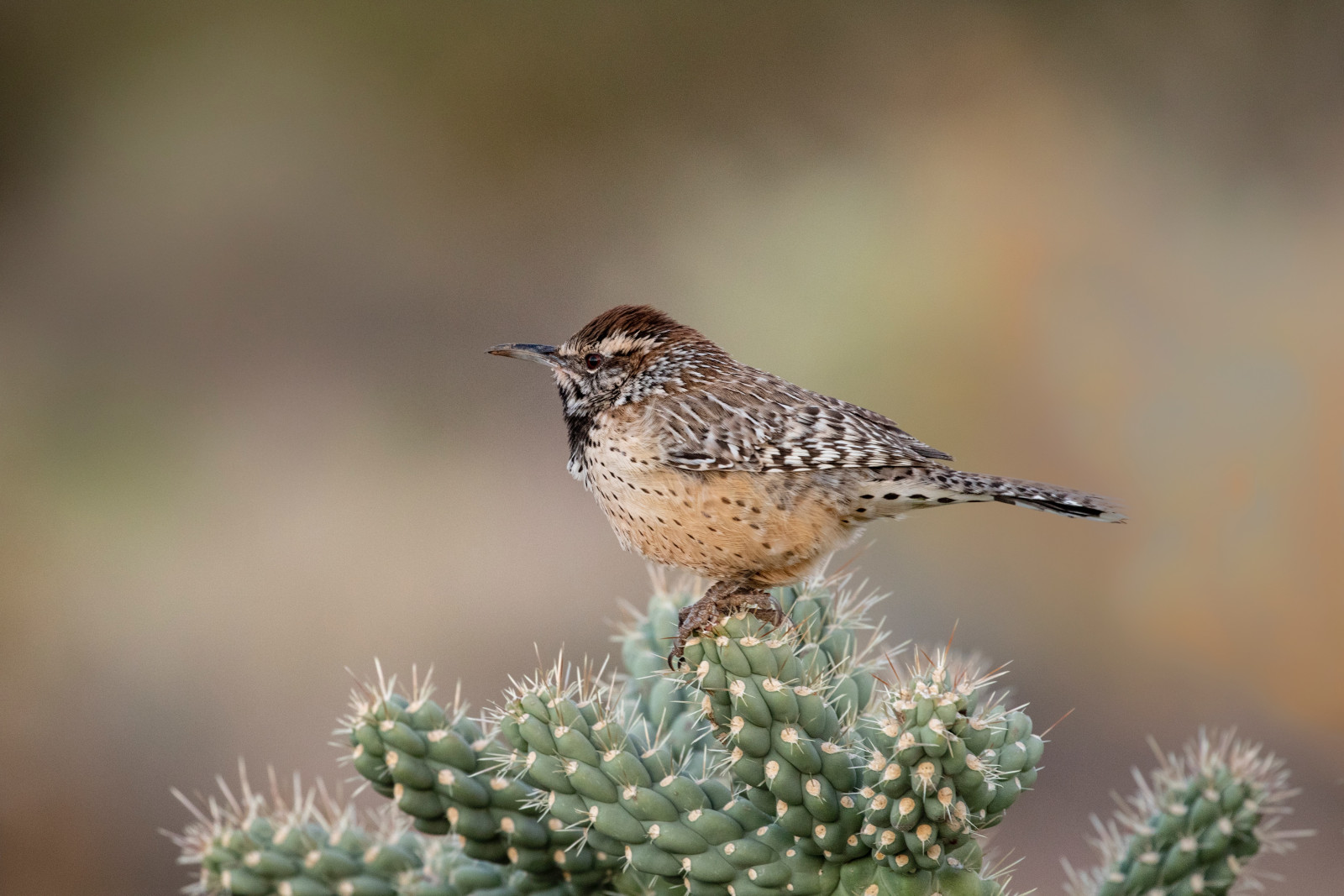
Saguaro National Park is 92,000-acre (37,000 ha) park in southeastern Arizona. It protects desert landscapes, fauna, and flora, including the giant saguaro cactus. The saguaro is the universal symbol of the American west. These majestic plants, found only in a small portion of the United States, are protected by Saguaro National Park, to the east and west of the city of Tucson. Here you have a chance to see these enormous cacti, and the birds associated with the desert environment and cacti. The Cactus Forest Trail that starts on the outskirts of Tuscon is an easy way to explore a small part of the area. Among the birds you can encounter are Elf Owl (on and in saguaro cactus), Gilded Flicker, Ladder-backed Woodpecker, Gila Woodpecker, Cactus Wren, Gambel's Quail, Greater Roadrunner, Verdin, Black-tailed Gnatcatcher, Pyrrhuloxia and Lesser Nighthawk.
Saguaro National Park has two districts geographically separated by the city of Tucson. The Rincon Mountain District (RMD) is often referred to as Saguaro East, while the Tucson Mountain District (TMD) is often referred to as Saguaro West. The Cactus Forest Trail is located in Saguaro East and starts on the outskirts of Tuscon. Click on the P in the map for directions or coordinates. The indicated trail on the map is about 3 km and starts from the parking lot. You can easily extend the walk. Make sure you always take enough water with when walking in Saguaro National Park.
Photo Saguaro National Park by Joe Parks, CA, CC BY 2.0 <https://creativecommons.org/licenses/by/2.0>, via Wikimedia Commons
Photo Gila Woodpecker by Andy Reago & Chrissy McClarren, CC BY 2.0 <https://creativecommons.org/licenses/by/2.0>, via Wikimedia Commons
 ) Insérez les noms d'oiseau dans votre langue. Ils seront automatiquement traduits pour les autres usagers !
Votre feedback sera transmis à l’auteur.rice de cette zone et à l’équipe éditoriale de Birdingplaces, qui l’utiliseront pour améliorer la qualité des informations. (Vous souhaitez publier un commentaire visible en bas de page ? Fermez cette fenêtre et choisissez l’Option 1 : « Publier un commentaire, un conseil ou une observation ».)
Veuillez fournir des suggestions d'améliorations ou d'ajouts au texte de ce site ornithologique.
Veuillez fournir vos suggestions d'améliorations ou d'ajouts à la carte.
Veuillez fournir des suggestions d'améliorations ou d'ajouts à la liste des oiseaux.
Cliquez sur l'icône de l'oiseau () Insérez les noms d'oiseau dans votre langue. Ils seront automatiquement traduits pour les autres usagers !