
Charger images
Les formats d'image autorisés sont de type jpeg, png ou gif
La taille maximale du fichier doit être de 20MB
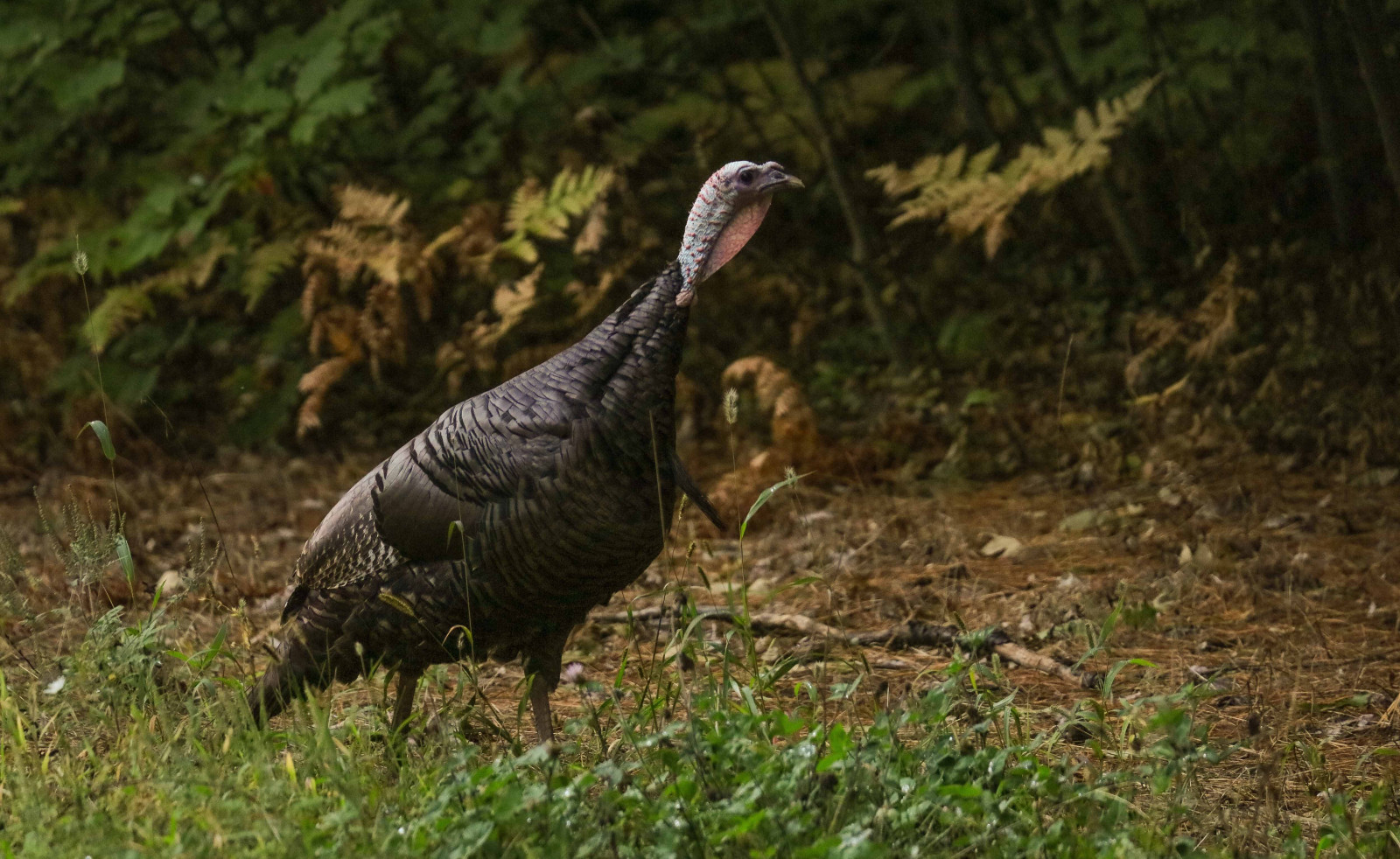
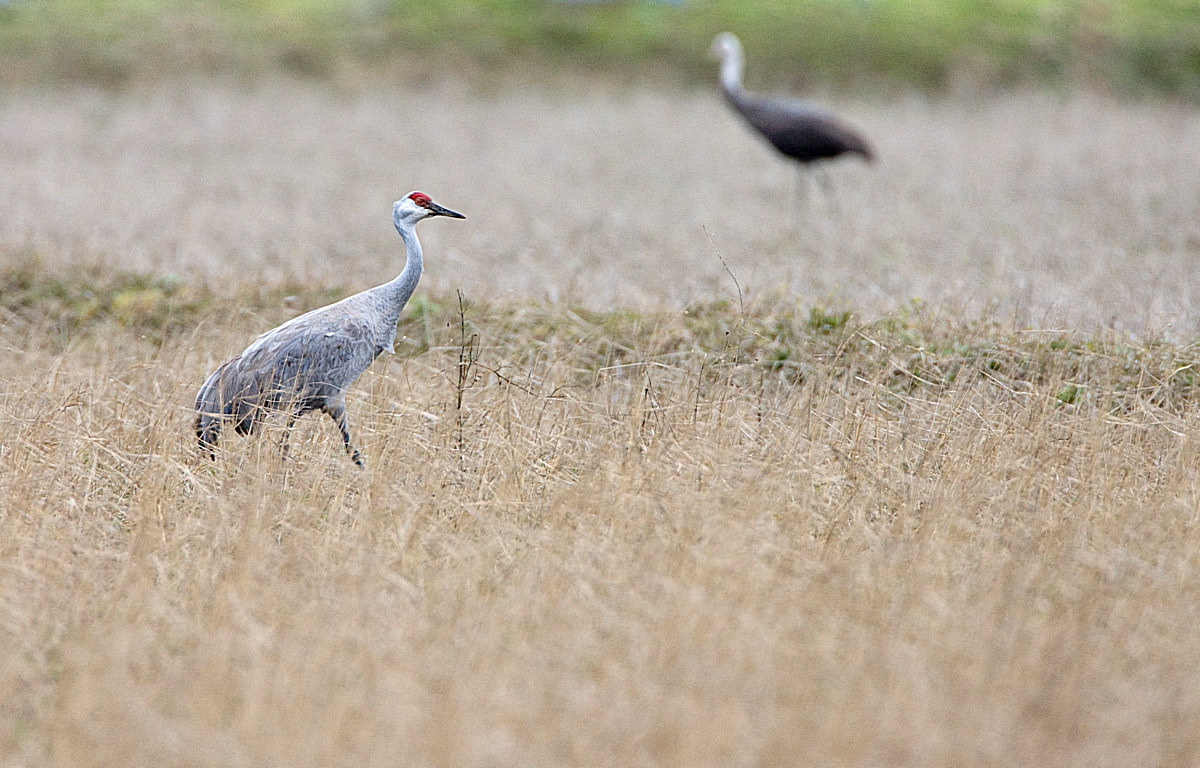
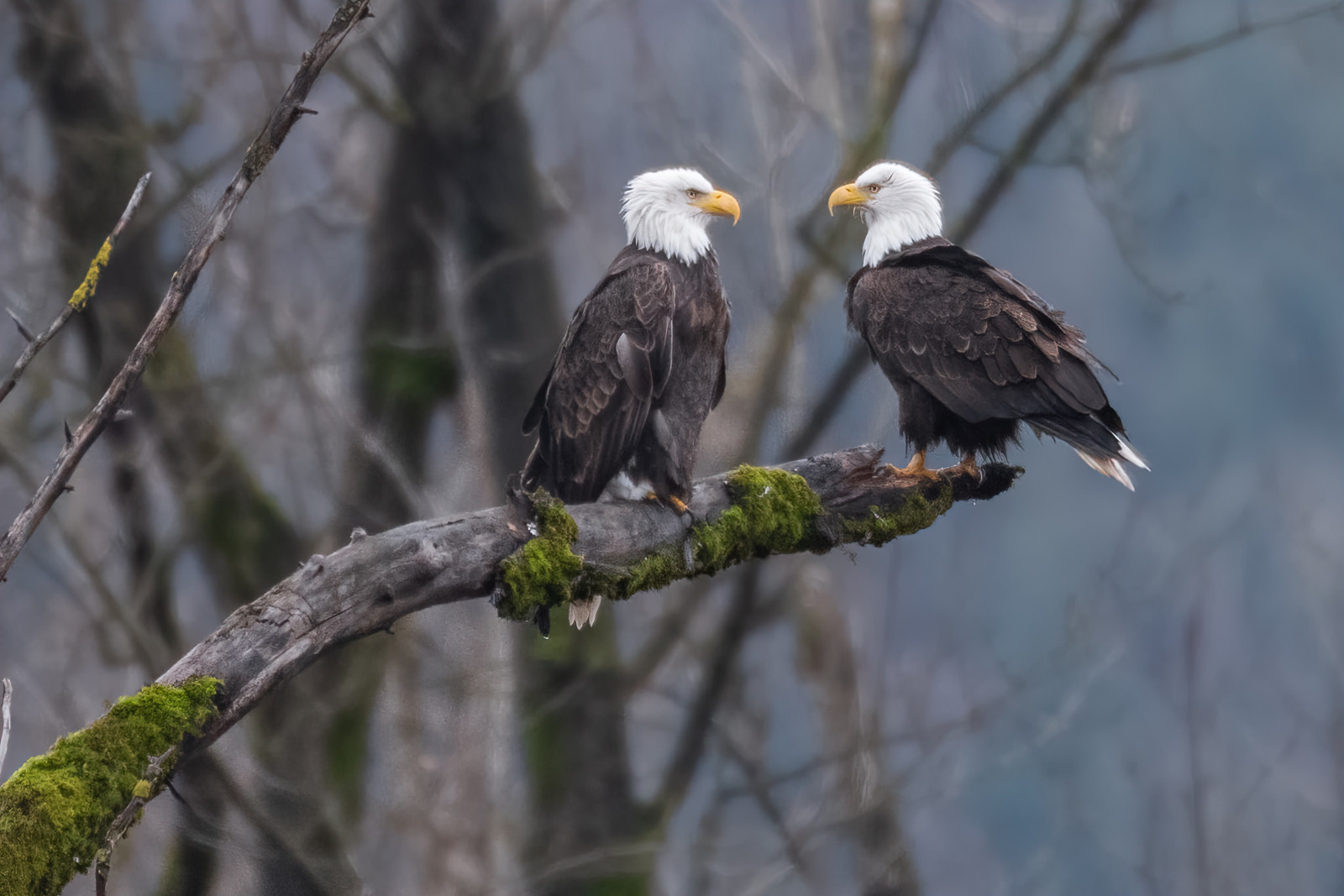
Easily accessible area with with diverse habitats, offering great birdwatching opportunities
The UW Arboretum is a 1,200-acre natural area and research center maintained by the University of Wisconsin-Madison. Bordering Lake Wingra, its habitats include woodlands, prairies, savannas, wetlands, and open water, supporting a rich variety of resident and migratory bird species.
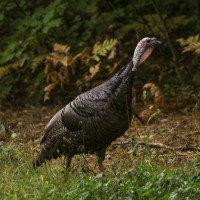
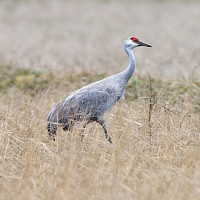
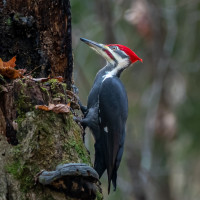
Breeding birds in the UW-Madison Arboretum include Scarlet Tanager, Wood Thrush, Pileated Woodpecker, Yellow-bellied Sapsucker, Eastern Kingbird, Eastern Bluebird, Tree Swallow, and Brown Thrasher. Wild Turkey are frequent. Sandhill Cranes and Great Blue Herons nest in Gardner Marsh. During migration, Wingra Woods, Gallistel Woods, and the Icke Boardwalk host a variety of warblers and other songbirds. Lake Wingra is ideal for observing migrating waterbirds, including ducks, grebes, and rails. In summer, Osprey, Green Heron, and Double-crested Cormorant can be seen, while are present year-round. Winter birding is particularly rewarding at Spring Trail Pond, where unfrozen water attracts American Black Duck and Wood Duck.
On the near-west side of Madison, the UW Arboretum can be easily reached. There are two entrances for vehicles (including bicycles): The west entrance is on Seminole Highway, and the east entrance at Haywood Drive and North Wingra Drive. The Arboretum's visitor center and main parking lots are 1 mile from the Seminole Highway entrance and 2.3 miles from the North Wingra Drive entrance. Press a P on the map for directions to a parking. The Arboretum east entrance (routes B and O) and west entrance (route D) are near Madison Metro Transit bus stops.
The Arboretum maintains more than 17 miles of trails and includes footpaths, boardwalks, and fire lanes.
 ) Insérez les noms d'oiseau dans votre langue. Ils seront automatiquement traduits pour les autres usagers !
Votre feedback sera transmis à l’auteur.rice de cette zone et à l’équipe éditoriale de Birdingplaces, qui l’utiliseront pour améliorer la qualité des informations. (Vous souhaitez publier un commentaire visible en bas de page ? Fermez cette fenêtre et choisissez l’Option 1 : « Publier un commentaire, un conseil ou une observation ».)
Veuillez fournir des suggestions d'améliorations ou d'ajouts au texte de ce site ornithologique.
Veuillez fournir vos suggestions d'améliorations ou d'ajouts à la carte.
Veuillez fournir des suggestions d'améliorations ou d'ajouts à la liste des oiseaux.
Cliquez sur l'icône de l'oiseau () Insérez les noms d'oiseau dans votre langue. Ils seront automatiquement traduits pour les autres usagers !