Description
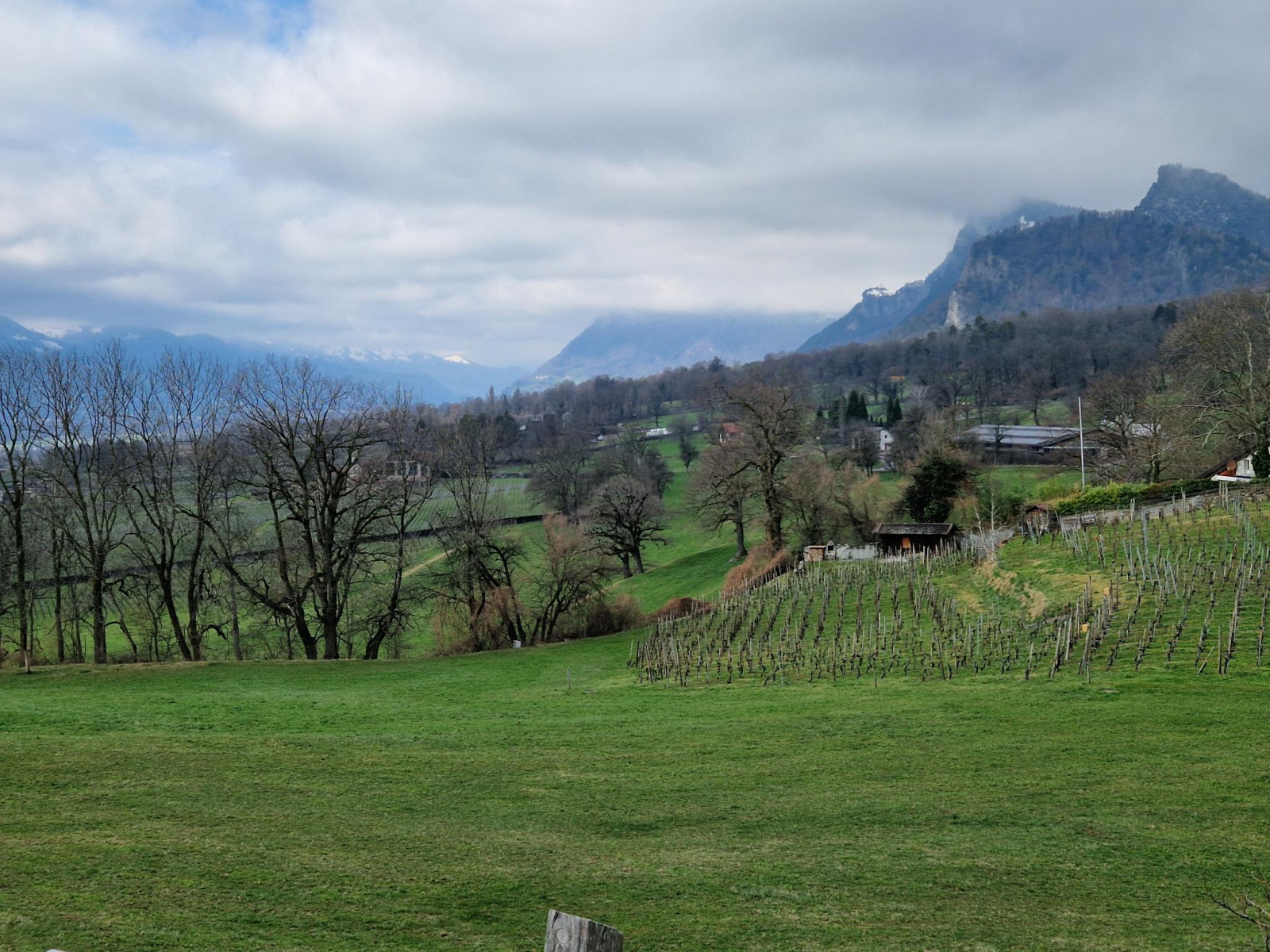
The vineyards above Maienfeld are famous not only for their excellent wines but also as the setting of Johanna Spyri’s "Heidi." Consequently, they are a popular tourist destination - both a blessing and a challenge for birdwatchers. You will never be alone here, but the well-developed area offers many conveniences such as fountains, benches, well-maintained paths, and taverns. And in terms of birds, the area does not disappoint: thanks to the southwest-facing slopes, the ecological approach of many winemakers, and conservation efforts aimed at preserving a diverse landscape of hedgerows, vineyards, old deciduous trees, and dry stone walls, this region harbors an impressive variety of heat-loving breeding birds of open cultural landscapes - many of which are rare elsewhere in Central Europe.
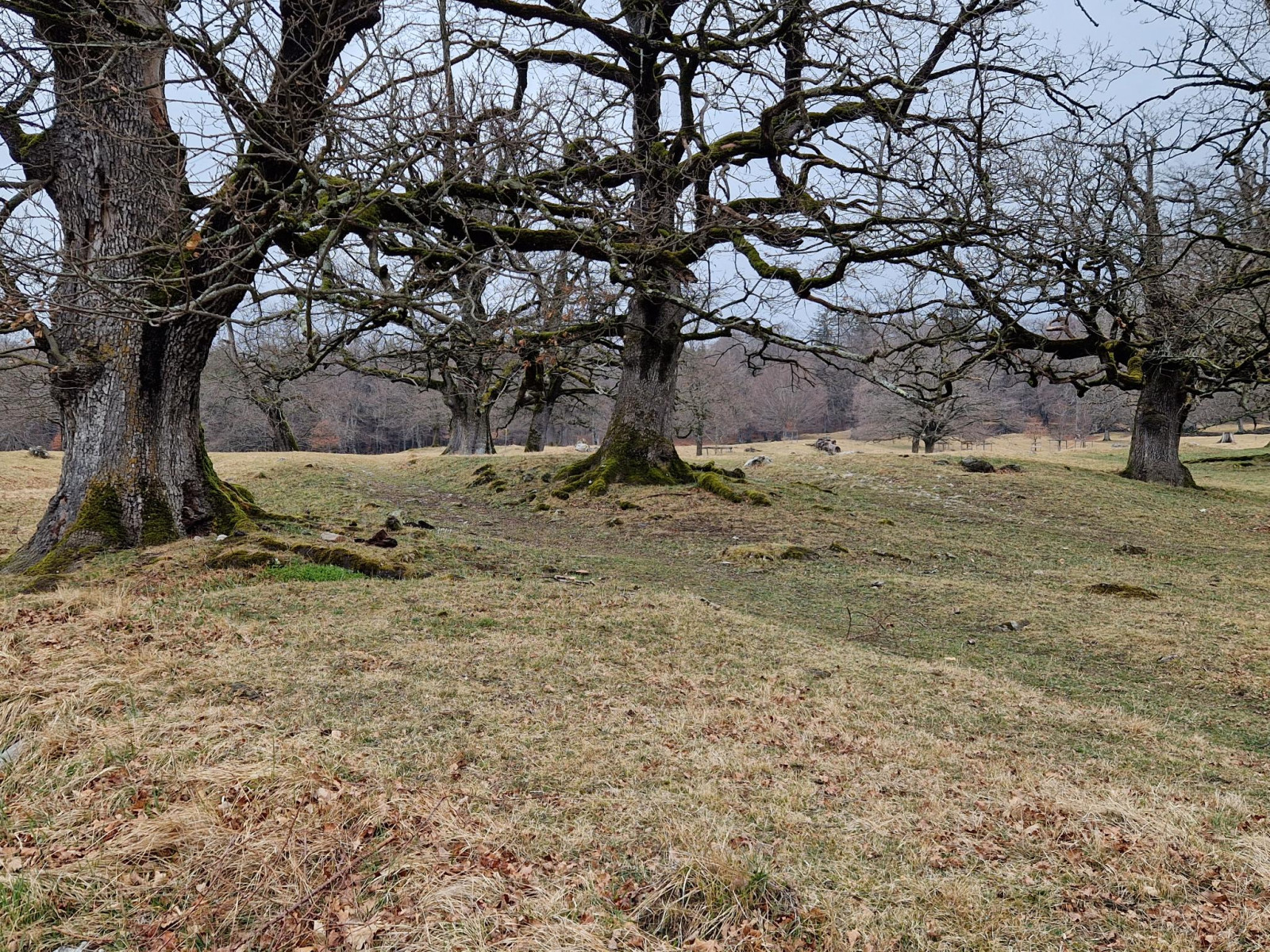
The suggested route begins in the picturesque town of Maienfeld. The Čavka nests in the church - one of only a dozen breeding sites in the canton. The path then leads through the well-known vineyards, followed by orchards and, along the lower edge of a subalpine coniferous forest, an ancient oak forest. Including birdwatching stops, the walk takes about three hours - possibly longer, as birds in the vineyards are well-hidden. A visit during peak morning activity is highly recommended.
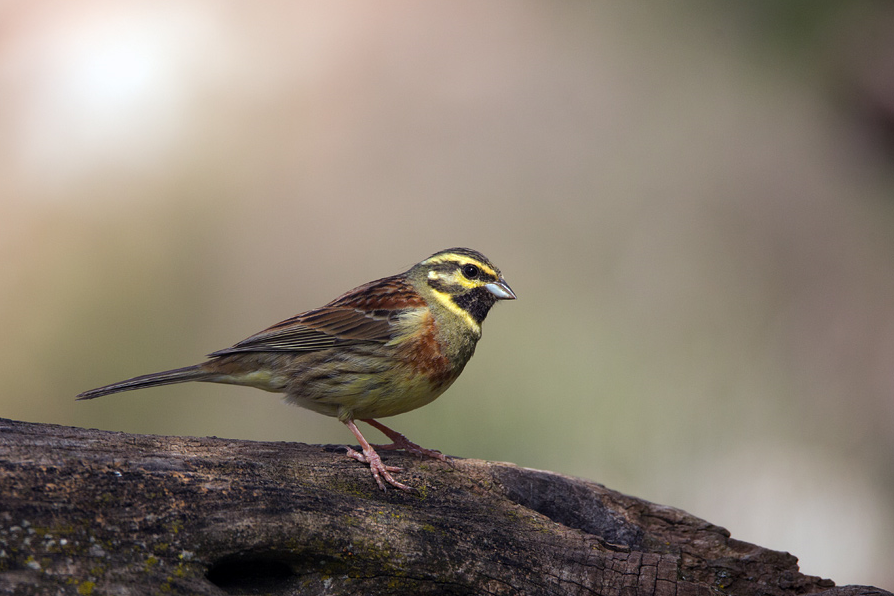
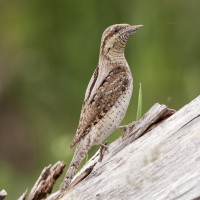
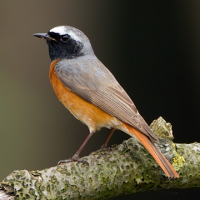
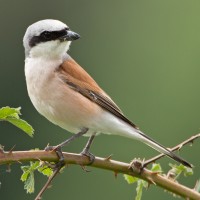
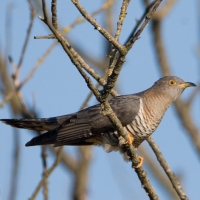
The most attractive species of the vineyard slopes include Rusi Svračak, Grmuša Pjenica, Šumska Crvenperka, Crnogrla Strnadica, and Crnoglavi Batić. In the scattered tree stands, it is worth looking for Vijoglav, Vuga, and Golub Dupljaš. The call of the Kukavica is often heard. While other woodpecker species are common, there have also been occasional sightings of the Siva žuna. Higher up, one might spot Strnadica Cikavica, Smeđoglavi Batić, and Grmuša čevrljinka.
There is also the possibility of encountering birds from mountain forests or higher elevations - Jastreb, Alpski popić, or a soaring Suri orao are all possible sightings. For other alpine species such as the Snježna zeba or grouse, a hike further uphill is required.
Among the rarities recorded here are about a dozen sightings of the Crvenonoga Vjetruša and Eja Livadarka during migration.
Details
Access
The site is easily accessible via public transport, with Maienfeld railway station serving as the starting point. Those traveling by car should also park at the station, as roads and parking options further up are narrow and limited. While the paths are well-maintained, some are steep; only those built for vehicular traffic are wheelchair accessible.
Terrain and Habitat
Forest , Mountain , Agriculture , Scattered trees and bushes , Grassland , City/villageConditions
HillyCircular trail
YesIs a telescope useful?
NoGood birding season
Spring , Autumn , SummerBest time to visit
SpringRoute
Wide path , Unpaved roadDifficulty walking trail
EasyAccessible by
Foot , WheelchairBirdwatching hide / platform
NoExtra info
It is advisable to familiarize oneself with the calls and songs of target species beforehand. This region is a paradise for songbirds, and on a warm spring day, one can get a sense of how bird songs once filled our landscapes!
Wine lovers will also find plenty to enjoy here; the wines are generally high-priced but of outstanding quality. Those planning to dine at a restaurant after birdwatching should consider making a reservation in advance.
Similar birdwatching opportunities can be found in other locations within the Bündner Herrschaft, such as Fläsch, Jenins, and Malans.
 ) to insert bird names in your own language. The birdnames will automatically be translated for other users!