Description
The Netherfield Lagoons is a nature reserve that is situated on the Trent Valley Flood Plain and has been partly used as a dump for coal slurry but with two remaining gravel ponds. The two slurry pits are separated by a raised causeway, which is elevated some 50 feet (15 m) above the pits, giving a commanding view of the area. The largest tank is virtually full but retains some water, with muddy edges attractive to waders and roosting gulls and terns. The smaller tank is mainly deep water, attracting good numbers of wildfowl, with smaller birds, especially warblers, feeding and breeding around the tank edges. The site consists roughly of three compartments, the Slurry Lagoon, the Deep Pit and the two Gravel Pits.
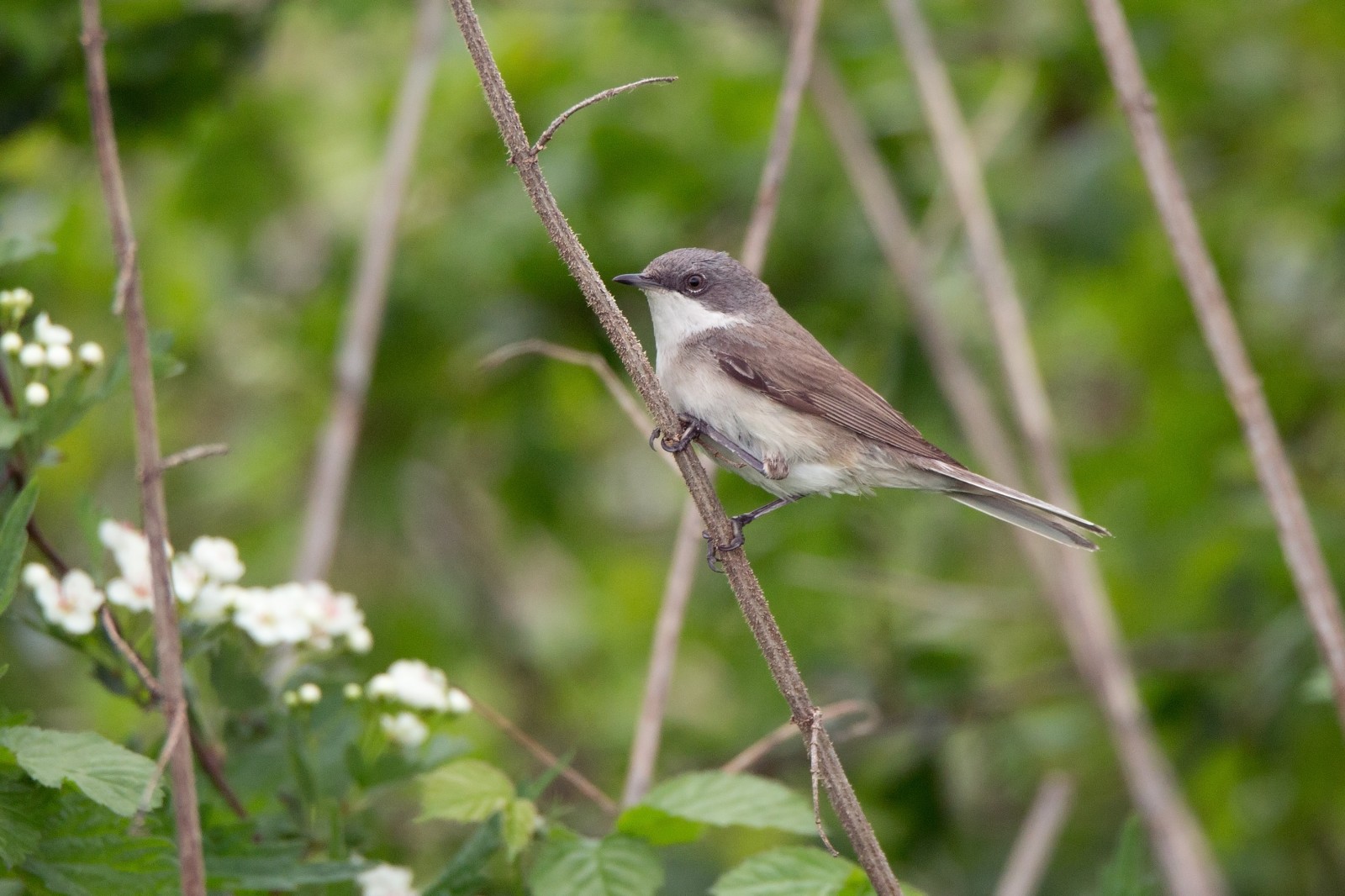
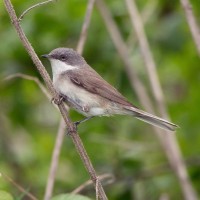
Because of the largely temporary nature of the main slurry lagoon sites, much of the avian interest is restricted to passage and wintering birds. A railway embankment, which forms the western boundary of the site, holds Grmuša čevrljinka and other warblers during the summer and occasionally Sova močvarica in the winter. The scrubby banks of the gravel ponds are a frequent stopping-off point for small numbers of Smeđoglavi Batić and a regular wintering site for Crnoglavi Batić. Veliki Vranac roost on the electricity pylons.
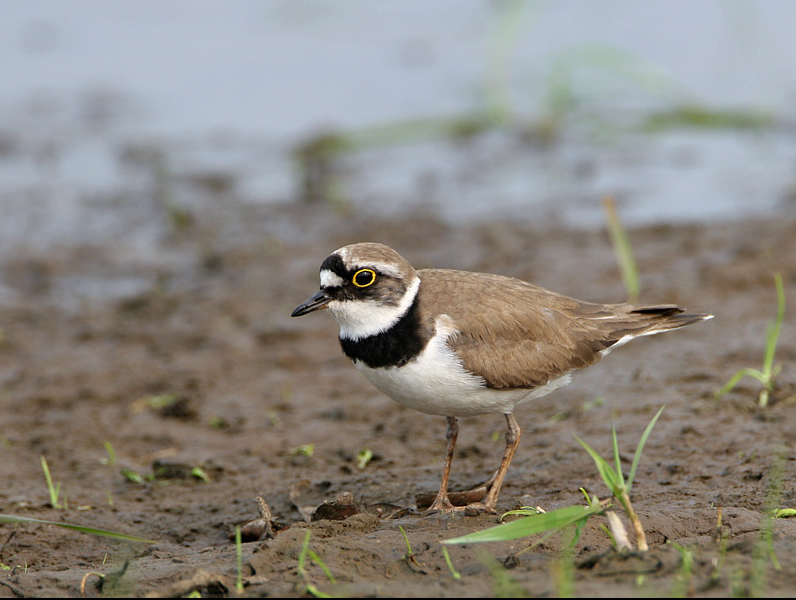
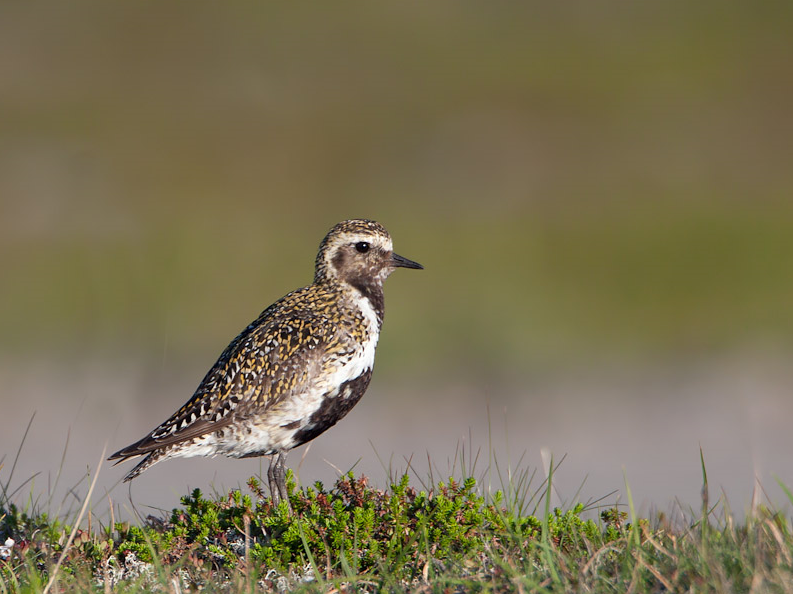
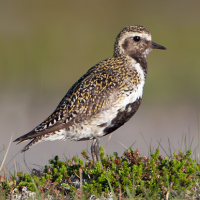
During the spring, pools created on the slurry attract most of the common species of wader, with Kulik Sljepčić being common from April to September. Regular species in autumn include Pršljivac, Žalar Cirikavac, Krivokljuna Prutka, Crvenonoga Prutka, Crnokrila Prutka and Mala Prutka. In the late autumn up to 4000 Troprsti Zlatar and 1000 Vivak use the pools as a roost site, along with several hundred Zviždara and smaller numbers of Kržulja, Patka Žličarka and Patka Lastarka. The weedy banks and fields attract good numbers of Poljska Ševa and Livadna Trepetljka, with Žuta Pastirica being common on passage.
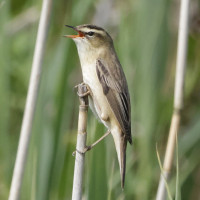
A good selection of rare birds have been located at the Netherfield Lagoons through regular checking of the migrant waders and wildfowl and have included Američka zviždara, Bukavac, Ždral, Bluna, Šareni kulik, Ćukavica, Morski žalar, Plosnatokljuni Žalar, Riđa liskonoga, Glaucous Gull, Bjelokrila Čigra, Mala čiopa, Veliki Trstenjak and Trstenjak Mlakar.
Details
Access
The site can be reached from the Colwick Loop Road, by taking the road to the Victoria Retail Park and parking is via Teal Close, which is the left turn at the island. Proceed almost to the end of Teal Close and then turn right into the unsignposted, but allweather surfaced path along the side of the Ouse Dyke, cross over the footbridge and enter the site. Some limited car parking is available on Teal Close (See the P on the map).
Terrain and Habitat
WetlandConditions
FlatCircular trail
YesIs a telescope useful?
Can be usefulGood birding season
Spring , Autumn , WinterBest time to visit
Spring , Winter , Autumn migrationRoute
Paved road , Unpaved road , Wide path , Narrow trailDifficulty walking trail
EasyAccessible by
FootBirdwatching hide / platform
NoExtra info
April to June is the best time for passage waders at the Netherfield Lagoons, with terns and gulls also moving through the area. In autumn, birds begin to arrive at the lagoons from early August onwards, with passage peaking in September and October. Winter produces good numbers of birds, especially gulls, when the pools freeze over in harsh conditions. Dawn and dusk are the best time to visit, but passage birds could drop in at any time of day.
October-March: Ćubasti Gnjurac and Mali Gnjurac, Patka Kreketaljka, Kržulja, Glavata Patka, Krunata Patka, Patka Batoglavica, Veliki ronac, Sivi Sokol, Troprsti Zlatar, Mala Šljuka, Mala Ušara and Sova močvarica.
April-June: Rarer grebes, Sokol Lastavičar, passage waders, gulls, terns, hirundines, Žuta Pastirica, Sivkasta Bjeloguza, Smeđoglavi Batić, Pjegavi Cvrčić and other passage migrants.
July-October: Wildfowl, Sivi Sokol, Kulik Sljepčić and Kulik Blatarić, Žalar Cirikavac, Crvenonoga Prutka, Krivokljuna Prutka, Crnokrila Prutka, Mala Prutka, gulls, terns and passage migrants.
 ) to insert bird names in your own language. The birdnames will automatically be translated for other users!