Description
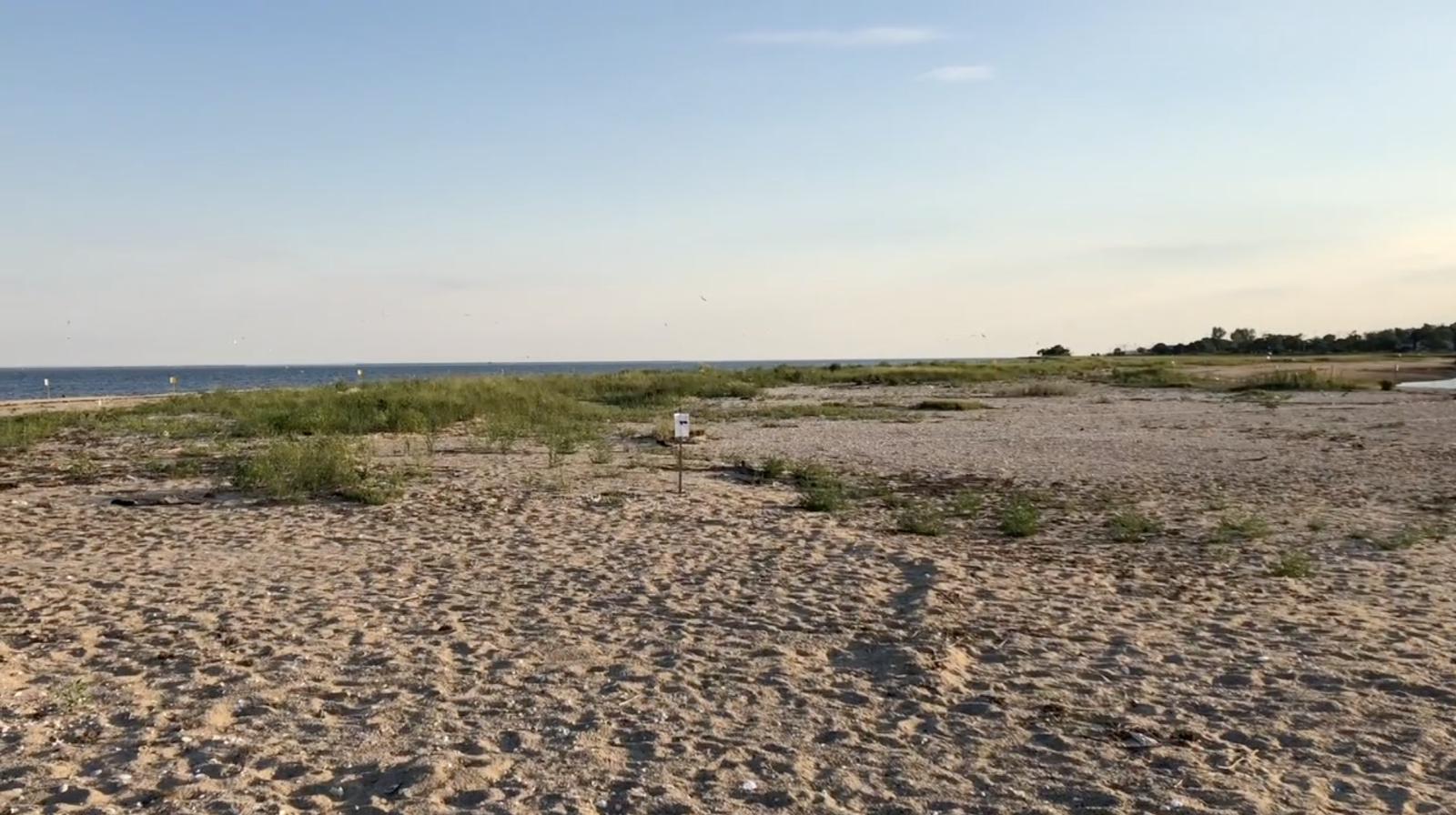
Sandy Point is one of Connecticut's premier sites for coastal birding in all seasons. The site consists of two sandbars that extend northeast into New Haven harbor and are separated by a saltmarsh lagoon. The smaller Sandy Point is located on the north side, and provides access to saltmarsh habitat as well as clear views north into the harbor. The much larger Morse Point on the southern side provides (despite the naming) better sandy beach habitat, access to shorebird nesting colonies in summer, and clear views southward into Long Island Sound and eastward across the harbor to Lighthouse Point.
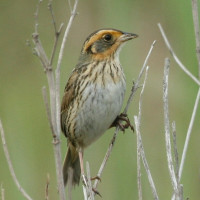
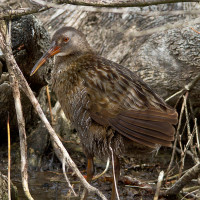
In summer, the saltmarshes at Sandy Point provide critical breeding habitat for the endangered Saltmarsh Sparrow, which can be commonly seen from early May through the autumn. Between late September and November, southward migrating Nelson's Sparrow can also be found here. Care should be taken to separate these two very similar species in autumn. The saltmarsh is also excellent for other habitat specialists including Clapper Rail, Willet, and both Black-crowned Night Heron and Yellow-crowned Night Heron, as well as the more expected waders.
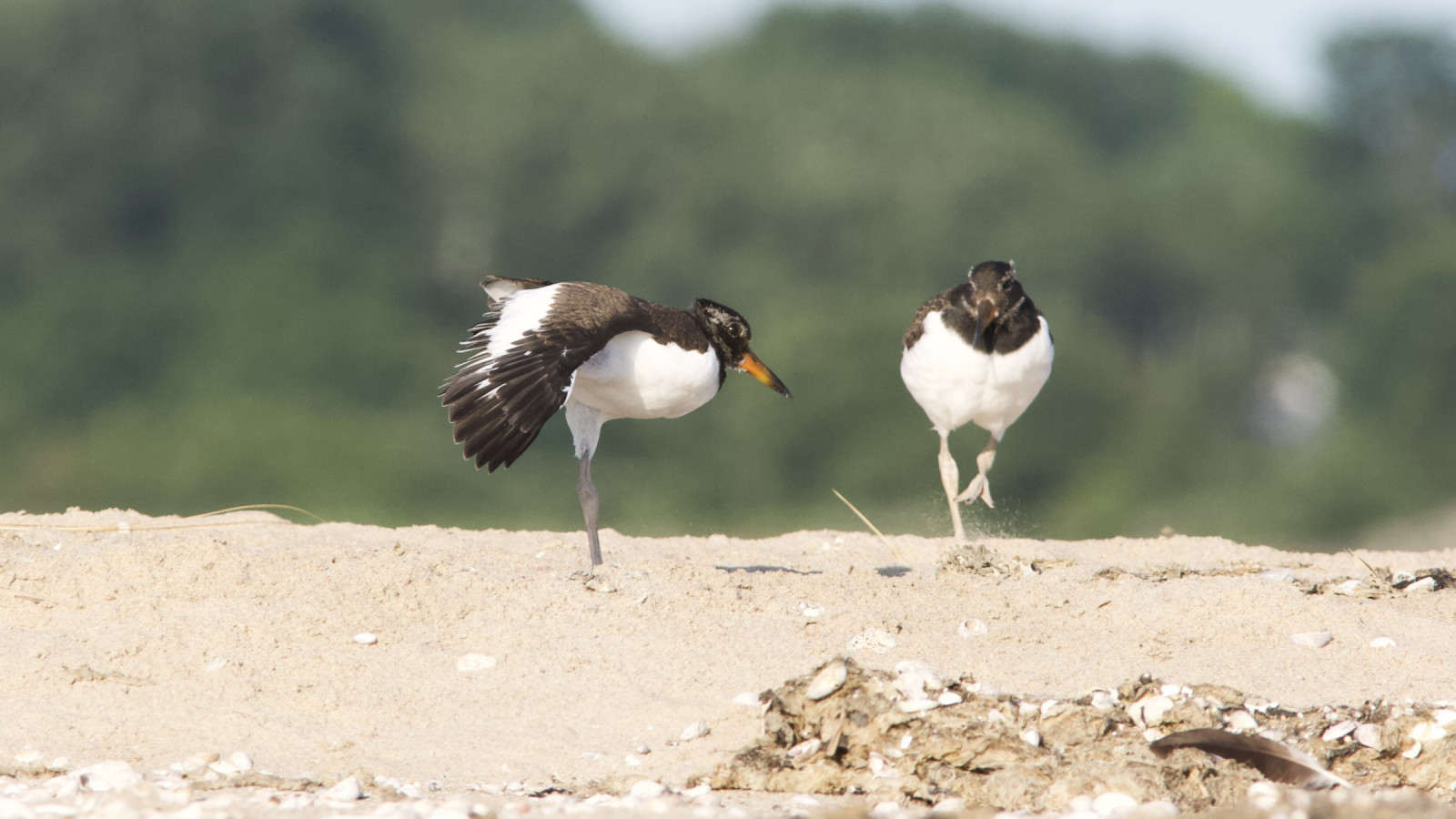
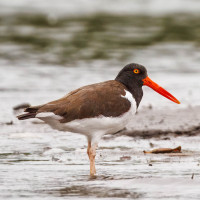
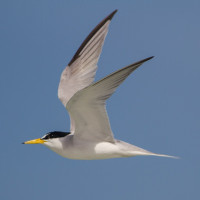
Morse Point provides critical nesting habitat for several shorebirds, and in summer, Least Tern, Common Tern, Piping Plover and American Oystercatcher can be easily found on the outer point, often with young. In 2020, a small Black Skimmer colony (one of the only such colonies in New England) successfully raised offspring. It is CRITICAL that nesting birds be given adequate space to prevent colony failure; please never cross the roped-off area, and always give nests, fledglings, and parents adequate space to minimize stress.
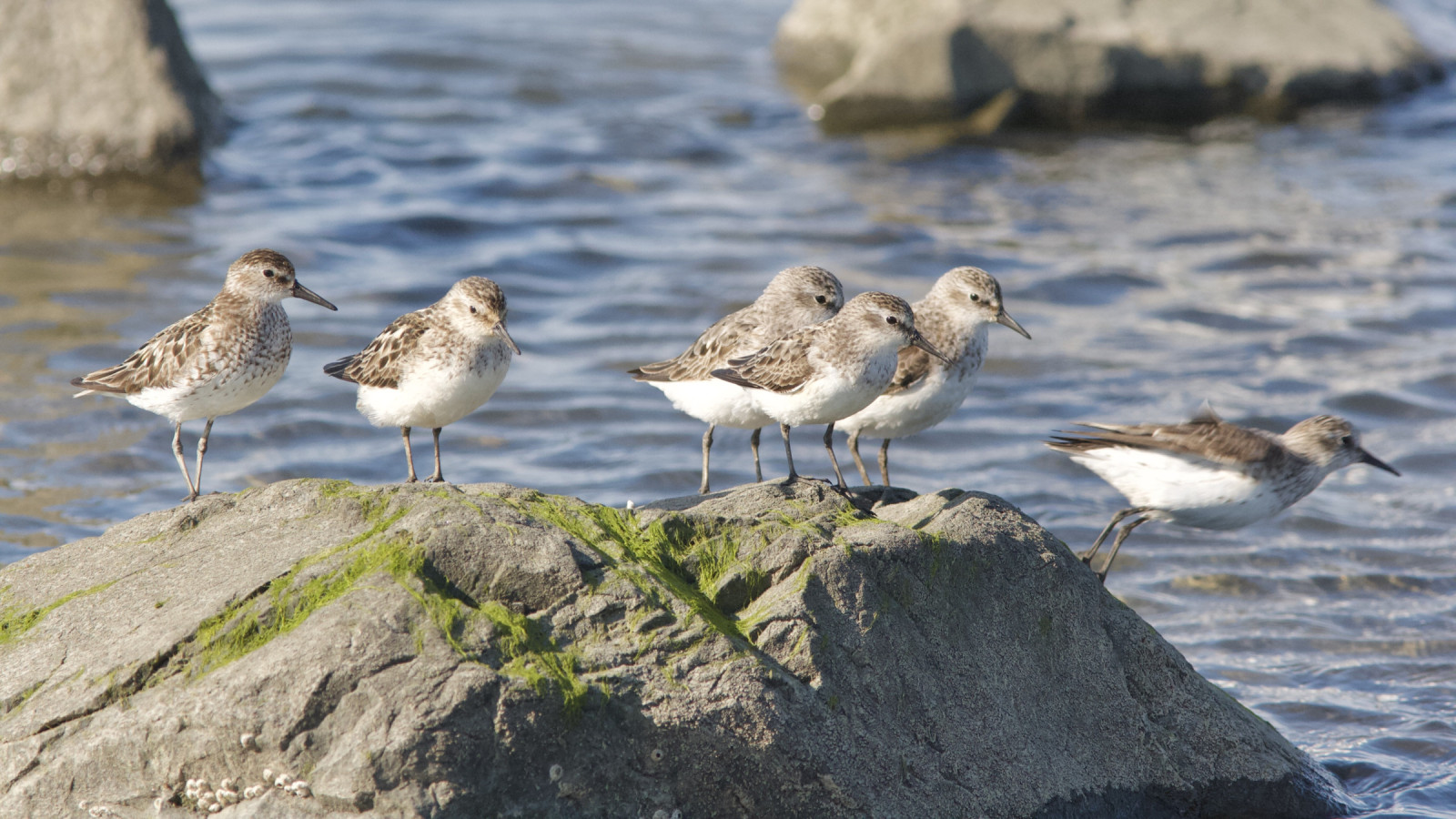
Besides nesting species, this site is an excellent stopover for migrating shorebirds: 39 species of shorebirds have been recorded, including several regional and continental rarities. Expected species from late July through October include abundant Semipalmated Plover, Black-bellied Plover, Semipalmated Sandpiper, Dunlin, Least Sandpiper, Sanderling, Ruddy Turnstone, Greater Yellowlegs, Lesser Yellowlegs, Spotted Sandpiper and Short-billed Dowitcher, and other species including White-rumped Sandpiper, Baird's Sandpiper, Whimbrel, Marbled Godwit, Red Knot, Western Sandpiper, Pectoral Sandpiper and Stilt Sandpiper are found yearly in small numbers.
In winter, the site provides good habitat for hardy wintering species. Common wintering sea ducks include Brant, Greater Scaup, Common Goldeneye, Bufflehead, Long-tailed Duck and Red-breasted Merganser. Other seabirds easily seen here include Horned Grebe and both Red-throated Loon and Common Loon. The beach grasses on outer Morse Point also provide good habitat for a few wintering songbirds: Snow Bunting and Horned Lark are relatively common, occasionally joined by Lapland Longspur.
Details
Access
Sandy Point Bird Sanctuary is located west of West Haven, on the southern coast of Connecticut bordering Long Island Sound. Sandy Point is most easily reached by car: parking is available in a paid lot on 1st Ave/Beach St. in West Haven, CT. Press P on the map for directions. The site can also be reached by bicycle using the same route, or by several bus routes that cross the neighborhood (though none stop directly at the sanctuary).
The habitat itself can only be accessed on foot, and driving of any vehicles is prohibited to protect the fragile habitat. Morse Point is fully accessible at all tides, though the outermost sandbar becomes cut off at high tide. It is possible to make a loop along the inner and outer beaches of Morse Point, though a small portion of the trail passes through reed beds on the northern side and some minor bushwhacking may be required. Most of Morse Point is soft sand, which can be strenuous, though the trail is not particularly long. The outer end of Sandy Point itself becomes submerged at high tide, but at lowest tide it is sometimes possible to cross the ankle-deep water between points. As with most beach habitats, there is very little cover from the sun, so appropriate measures (sun protection, water) should be taken when visiting, particularly in summer.
 ) to insert bird names in your own language. The birdnames will automatically be translated for other users!