Description
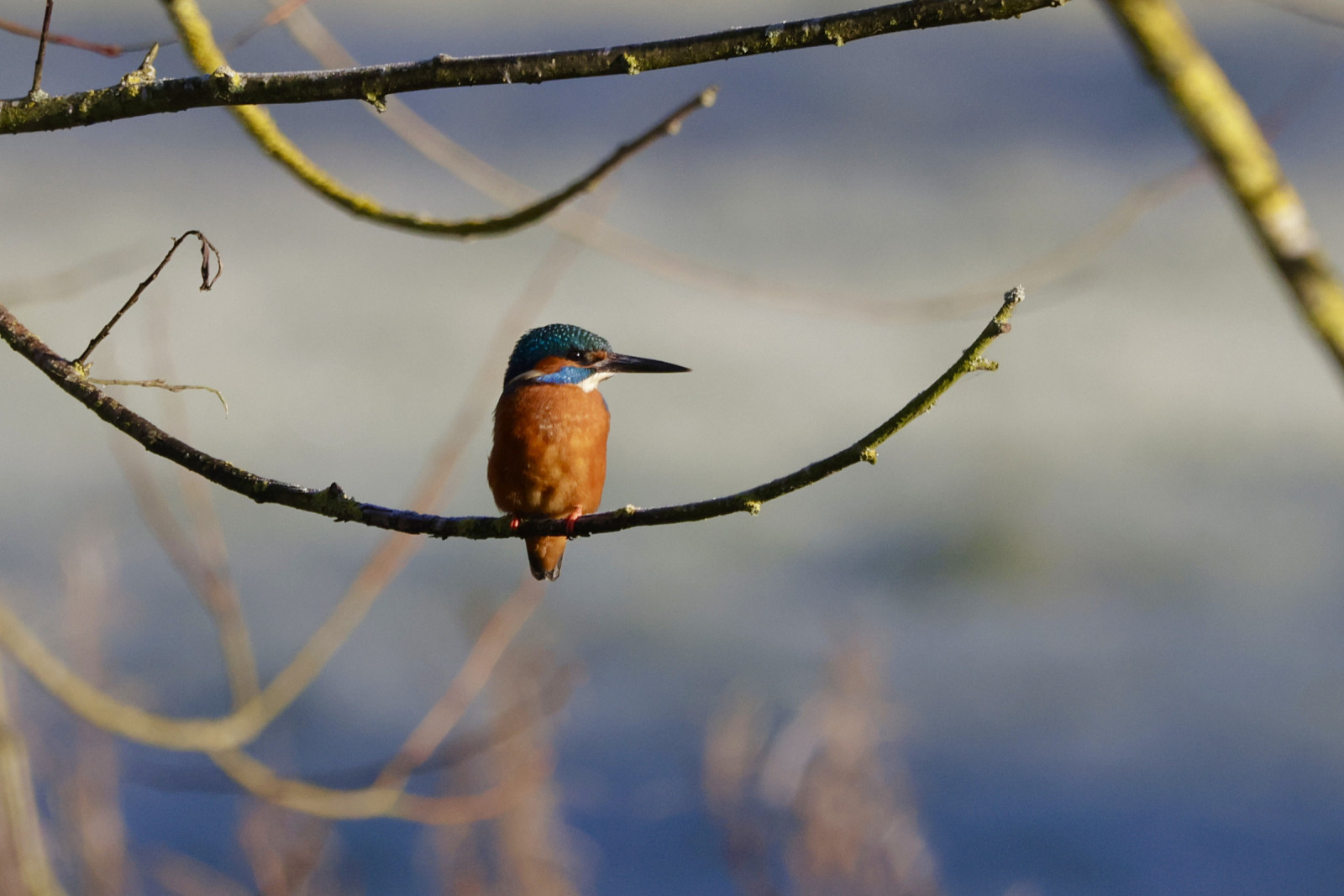
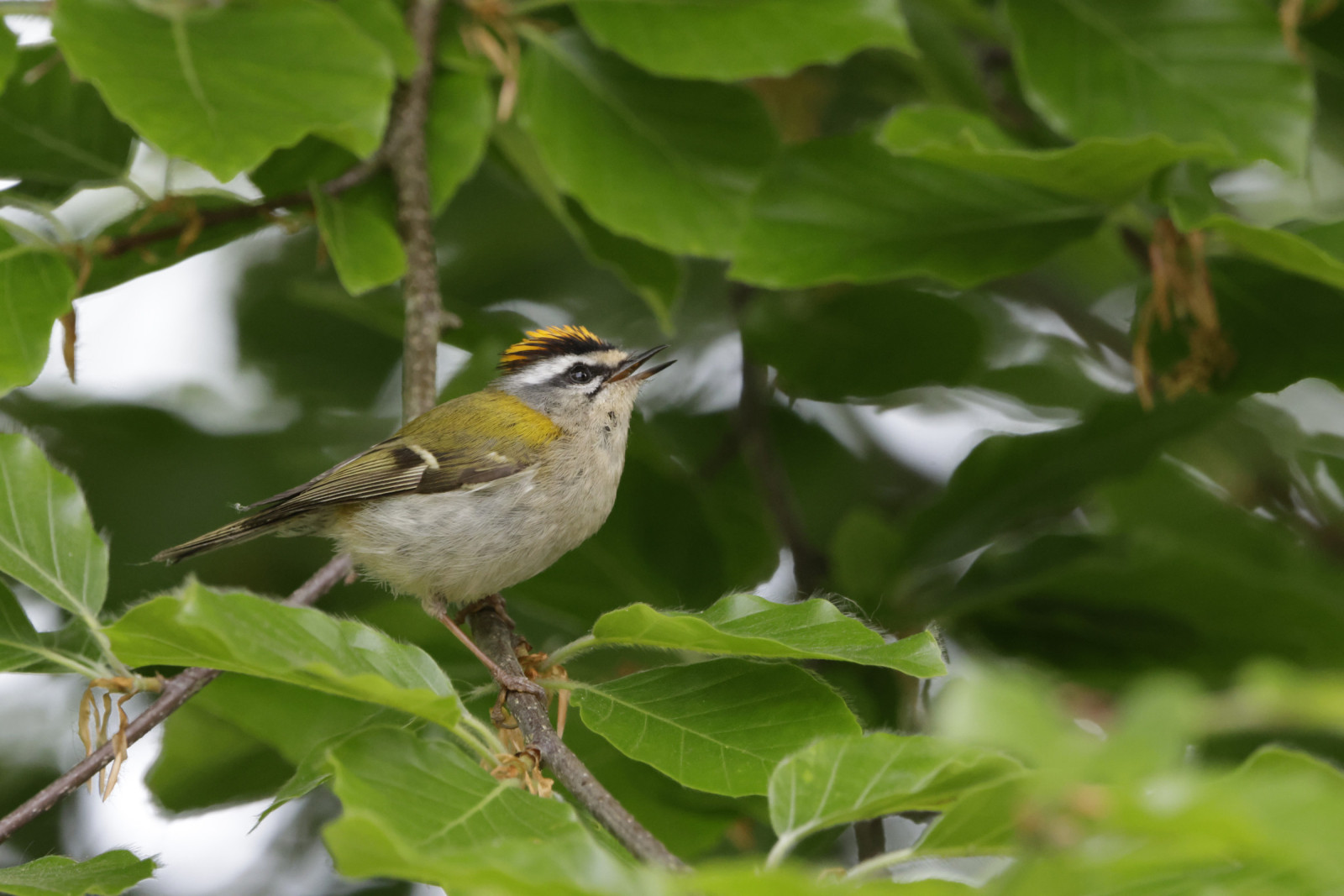
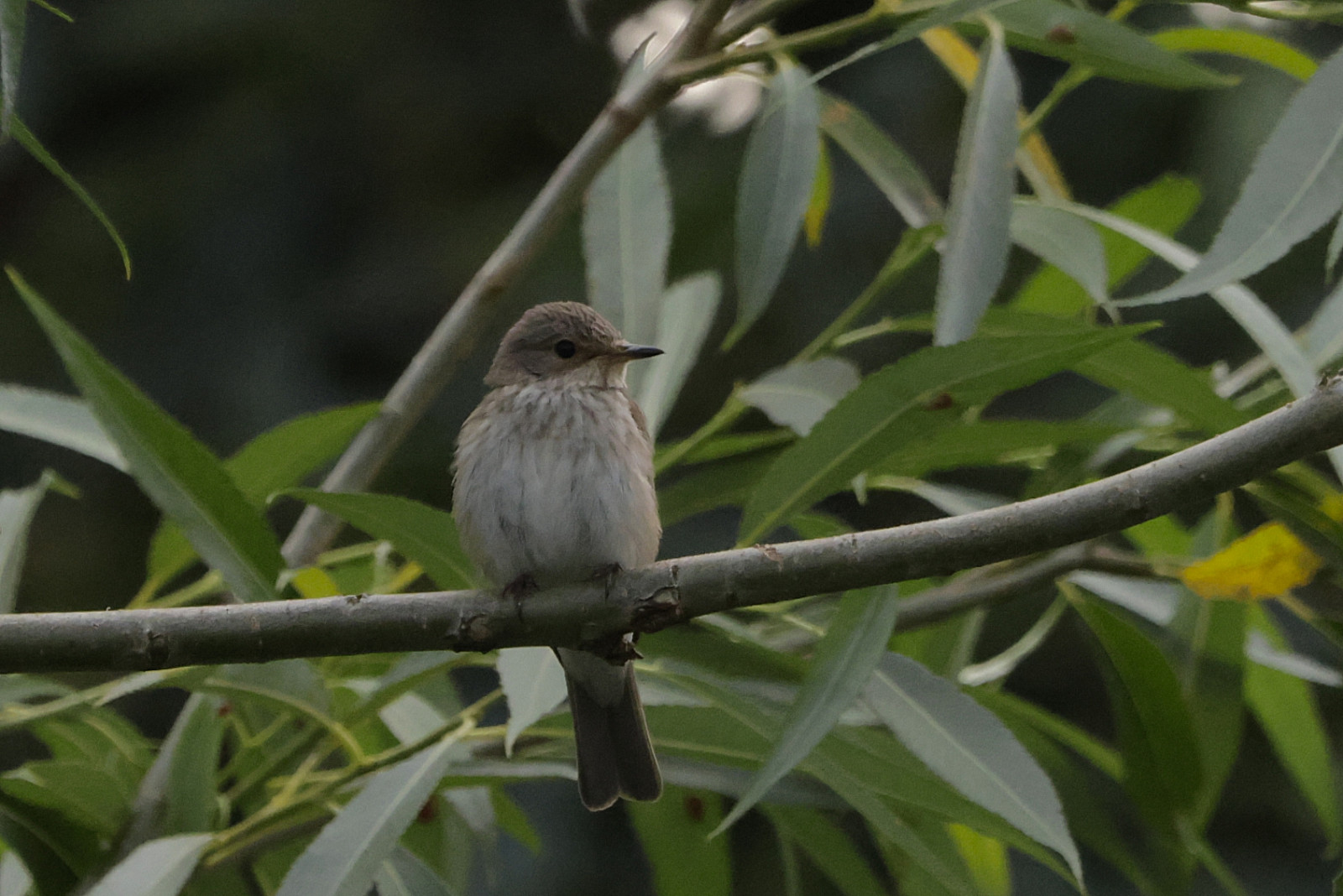
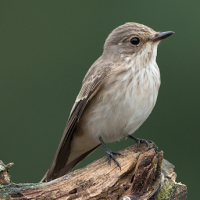
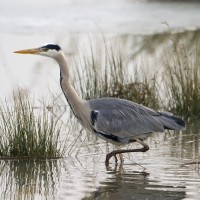
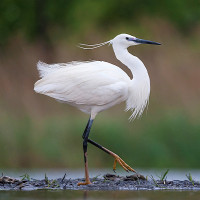
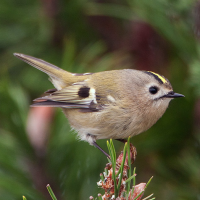
Glendowns Pond is a small man-made lake next to Glendowns estate in Portlaoise with a surprising amount of birdlife and a great place for wildlife photography. Jégmadár, Tőkés réce and Vízityúk are all resident and breed here. Szürke gém and Kis kócsag breed in the mature trees surrounding the pond. These mature trees also play host to many smaller birds, including breeding sárgafejű királyka and Szürke légykapó. Other species that can be seen include Barátposzáta, Csilpcsalpfüzike, fitiszfüzike, őszapó, Süvöltő and occasionally, Hegyi fakusz.
Spring and early summer is the best time to see the most amount of species. Winter is also of interest as there is a huge corvid roost in the trees surrounding the pond, with thousands of Csóka and Vetési varjú coming in from the countryside and the rest of town to sleep together which makes for a quite a spectacle on cold calm evenings!
Egerészölyv and Karvaly occasionally pass through, as do Vándorsólyom, who can often be seen on the nearby St. Peter and Pauls' Church. Gyöngybagoly has also been seen and heard here at night and may even breed close by.
A tüzesfejű királyka was seen here for a number of weeks in 2025 and may have even bred, typifying the importance of the mature trees around the pond and the surprises that can be unearthed here!
Details
Access
Glendowns Pond is located in Portlaoise. Its possible to park right next to the pond in Glendowns estate. The local bus (PL2) stops opposite the estate and the pond is also less than a kilometre from the main street of Portlaoise.
Terrain and Habitat
Pond , City/village , Scattered trees and bushesConditions
FlatCircular trail
NoIs a telescope useful?
NoGood birding season
Summer , Winter , SpringBest time to visit
SpringRoute
Paved road , Unpaved roadDifficulty walking trail
EasyAccessible by
Foot , Bicycle , Car , WheelchairBirdwatching hide / platform
NoExtra info
Works in recent years have taken place to improve the water quality and habitats in the pond and there are further plans in place that could potentially attract further waterbirds to the pond in the near future.
 ) to insert bird names in your own language. The birdnames will automatically be translated for other users!