


Description
In the Area Naturalistica del Tavello the river bed forms a complex system of meanders, creating a small biodiversity hotspot.
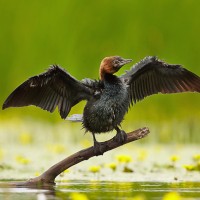
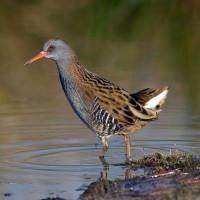
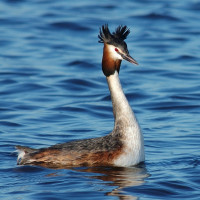
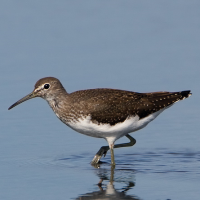
You can see all year long water birds like Kárókatona , Kis kárókatona , Tőkés réce , Bütykös hattyú , Vízityúk and herons (almost every italian species during migrations), and, especially during migratory season, other species of ducks, like Kanalas réce , Csörgo réce , Böjti réce , Cigányréce , grebes, rails like Szárcsa , Guvat , gulls: Sárgalábú sirály , Dankasirály , Szerecsensirály and waders, for example: Erdei cankó , Réti cankó , billegetőcankó , Szürke cankó , Pajzsoscankó , Kis lile , Sárszalonka .The best period to see waders and sometimes Küszvágó csér and Kacagócsér is probably around july, when they are migrating and the level of the river is pretty low and the meander bars create some little shores.
In the small lowland forest—often partially or mostly flooded in a mangrove-like style—and among the surrounding bushes, you can always see and hear Nagy fakopáncs , Zöld küllo and sometimes even Fekete harkály , water birds ,Karvaly , Örvös galamb and many passerines. For example during migration: Kormos légykapó , fitiszfüzike , sisegő füzike , Fülemüle , Kerti poszáta , Mezei poszáta , Szürke légykapó , Énekes rigó and many more. The reed bed is almost non-existent, apart from some little spots, but you can see Énekes nádiposzáta , and I even had the chance to spot a Bölömbika resting there!
In the summer are present Kakukk , Vadgerle , Sárgarigó, and raptors like Darázsölyv and Kabasólyom .
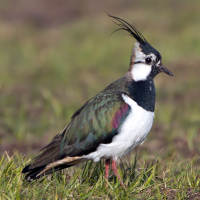
It is worth checking out the cultivated fields surrounding the area; you can also cross them at certain points (taking care not to step on the crops). Here come to feed gulls, herons, Bíbic and passerines like crows, barázdabillegető , sárga billegető , Havasi pityer . Some of the fields are also crossed by a series of country edges, where you can see Nagy őrgébics (winter), Tövisszúró gébics , Déli geze (mid/late spring and late summer).
You can also see amphibians, like Rana letestei, Hyla intermedia, Pelophylax esculentus, and reptiles: Trachemys scripta, Natrix natrix, Hierophis viridiflavus, Lacerta bilineata, Podarcis muralis.
There are mammals like hares, roe deers...
_________________________
Italiano: Il Tavello è una zona golenale del fiume Brenta alle porte di Limena, in Provincia di Padova, che per la sua importanza e delicatezza è stato proclamato SIC (Sito di Interesse Comunitario “Grave e Zone Umide del Brenta” n° IT3260018). È stato inoltre considerato nell’ambito dell’istituzione di un Parco Regionale (art. 33 del P.T.C.R. “Parco Medio Corso del Brenta”), è inserito negli Ambiti Naturalistici di Interesse Regionale (P.T.R.C. art. 19) e nella “Rete Natura 2000”. Infine è classificato ZPS (Zona di Protezione Speciale) in diverse Direttive Europee.
Details
Access
You can explore the zone walking or by mountain bike, the area of biggest interest is about 20 minutes from the parking by foot. Once there you can watch the oxbows of the river, the trees and the fields from the different trail, with the main one elevated from the rest of the plain. Beware that some of the little patches near the river may be flooded if it's a rainy period. I don't think it's possible to axcess by wheel chair, exept from the area near the parking (Parco di Punta Speron) where sometimes you still can do some pretty cool observation sometimes. For example here it's possible to see billegetőcankó , wagtails, swallows, in winter even Vízirigó .
You can also go and visit the Villa Pacchierotti De Benedetti, keeping an eye on the tree lines and the small pond near the road.
Italiano: Puoi esplorare la zona a piedi o in bicicletta. Dall'argine si ha una buona visuale sulla zona, vari sentierini lungo il fiume e tra i campi. Fare clic sulla P nella mappa per ottenere le indicazioni stradali.
 ) to insert bird names in your own language. The birdnames will automatically be translated for other users!