Description
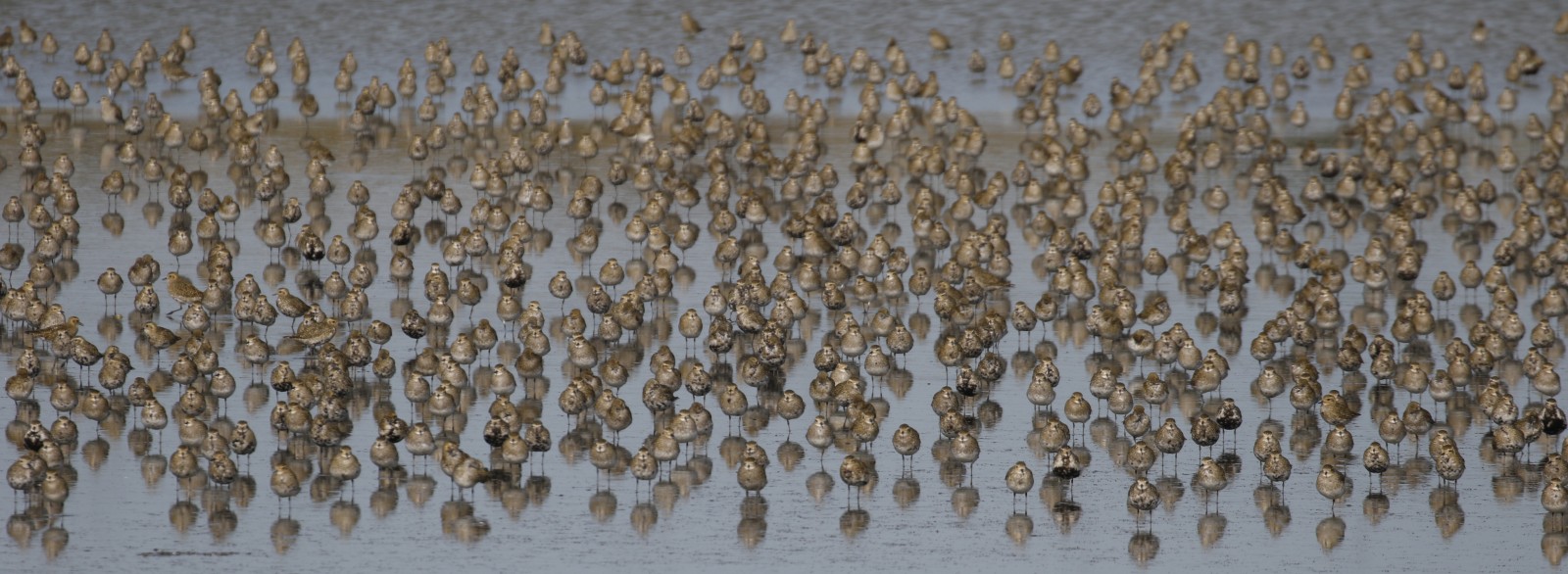
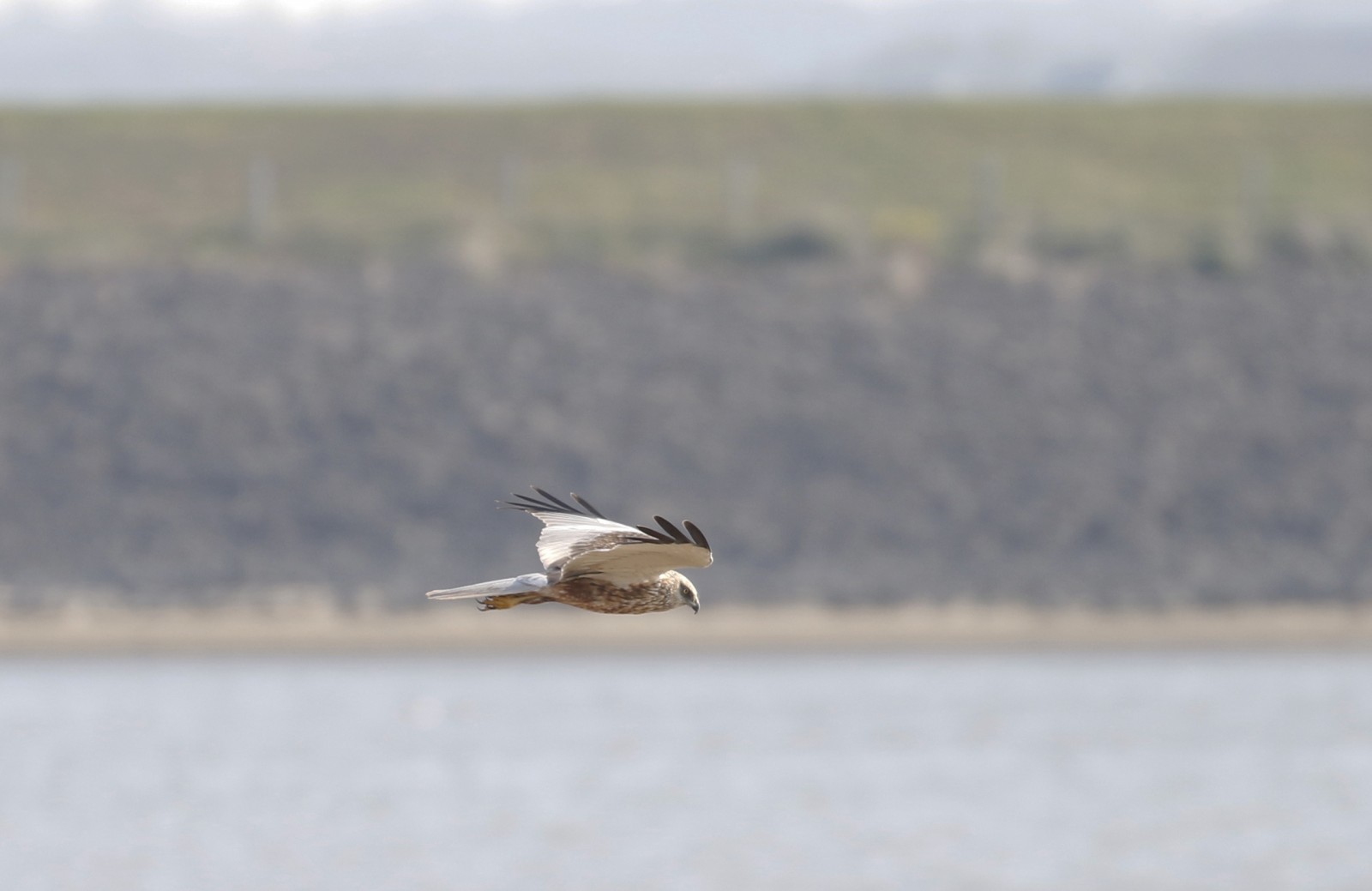
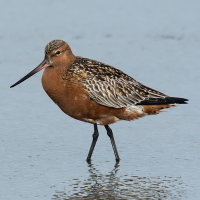
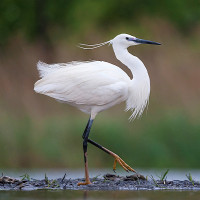
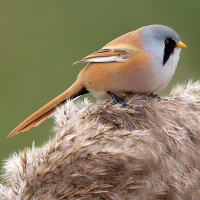
At high tide (check the tide table, see the link below) in the Mokbaai many different species of birds will gather on the higher parts of the area and can be quite numerous, especially in times of migration. Nagy póling, Kis goda, Aranylile, Kanalasgém and Havasi partfutó can hardly be missed. In winter, many ducks like Fütyülő réce, Kendermagos réce, Nyílfarkú réce and Pehelyréce are abundant, while Vándorsólyom can be found disturbing the scene. Sarki partfutó and Sarlós partfutó may be found on the mudflats and the reed beds in the southwest corner are home to Barkóscinege, Kékbegy, Nádi sármány and cserregő nádiposzáta. You can be lucky to find a Kis kócsag or even a Nagy kócsag, but the place is also known for rarities, like Szerecsensirály (spring), Lócsér (summer) and is often visited by Halászsas (migration).
_________________________
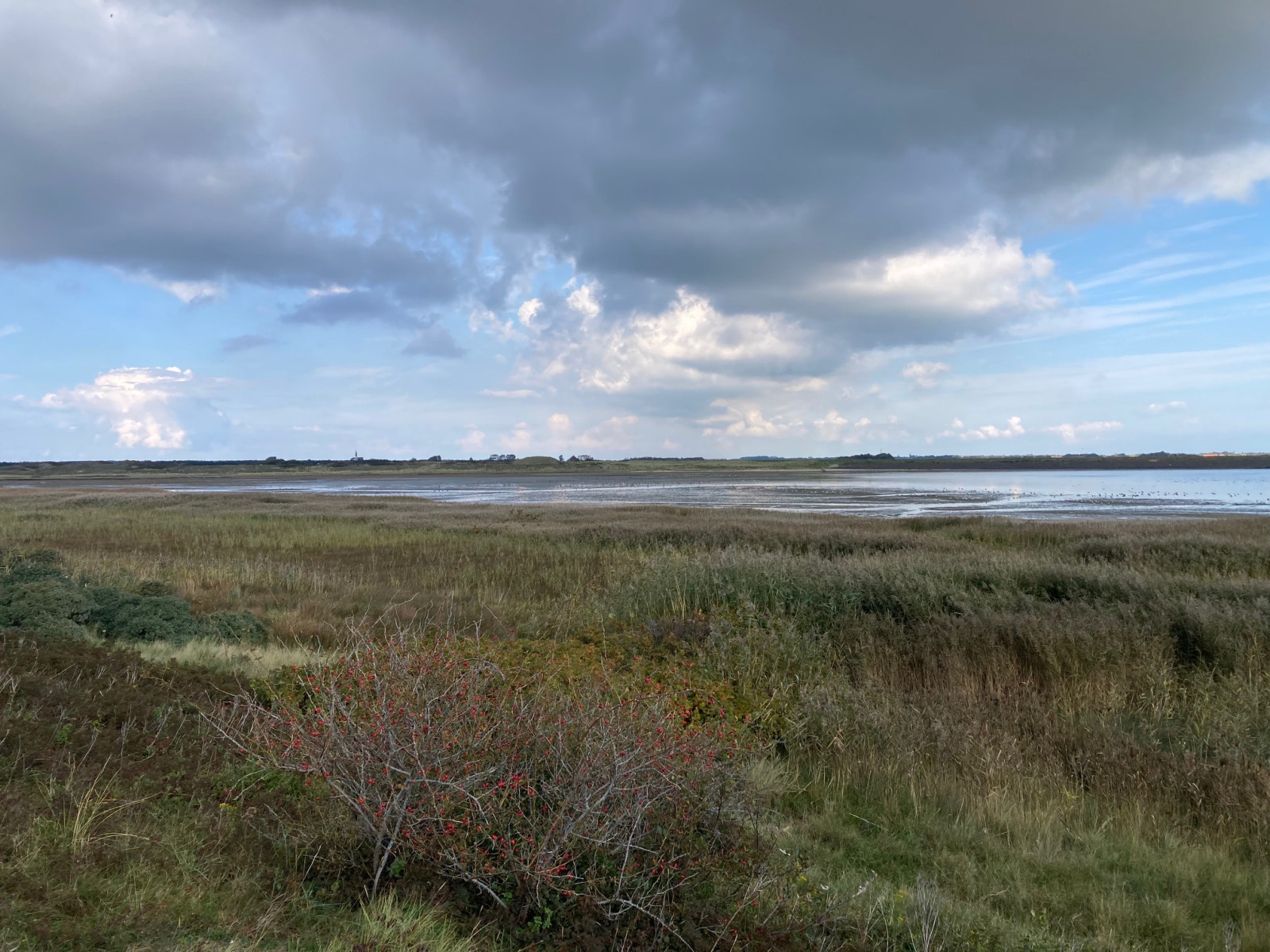
Nederlands: De Mokbaai is een landinwaarts gelegen kwelder met hogere en lagere delen. De hogere delen hebben vegetatie en riet, de lagere delen hebben schelpenbanken. Bij vloed (zie link naar getijdentabel beneden) verzamelen zich in de Mokbaai veel verschillende soorten vogels op de hogere delen van het gebied en kunnen ze behoorlijk talrijk zijn, vooral in tijden van trek. Nagy póling, Kis goda, Aranylile, Kanalasgém en Havasi partfutó zijn vaak te zien. In de winter zijn er veel eenden zoals Fütyülő réce, Kendermagos réce, Nyílfarkú réce en Pehelyréce, terwijl Vándorsólyom het tafereel kan verstoren. Op het wad zijn Sarki partfutó en Sarlós partfutó te vinden en in de rietvelden in de zuidwestelijke hoek leven Barkóscinege, Kékbegy, Nádi sármány en cserregő nádiposzáta. Je kunt geluk hebben om een Kis kócsag of zelfs een Nagy kócsag te vinden, maar de plek staat ook bekend om zeldzaamheden, zoals Szerecsensirály (lente), Lócsér (zomer) en wordt vaak bezocht door Halászsas (tijdens de trek).
Details
Access
You can drive, walk or cycle around the Mokbaai, but from the road, the north side is hidden behind dunes. The south/south-western side is open and offers great views on the groups of birds on the mudflats, while the scrubs behind you may offer a concert of singing birds in spring, like Fülemüle, Mezei poszáta, kis poszáta, Erdei szürkebegy and many more. If you're lucky, you will find a singing Kékbegy.
_________________________
Nederlands: Je kunt rond de Mokbaai rijden, wandelen of fietsen, maar vanaf de weg is de noordkant verscholen achter duinen. De zuid/zuidwest kant is open en biedt een prachtig uitzicht op de groepen vogels op het wad, terwijl het struikgewas achter je in het voorjaar een concert van zingende vogels kan bieden, zoals Fülemüle, Mezei poszáta, kis poszáta, Erdei szürkebegy en nog veel meer. Als je geluk hebt, vind je een zingende Kékbegy.
Terrain and Habitat
Wetland , Mud flats , ReedbedsConditions
High water possible , Open landscape , FlatCircular trail
NoIs a telescope useful?
Can be usefulGood birding season
All year roundBest time to visit
Spring migration , Autumn migrationRoute
Paved road , Narrow trailDifficulty walking trail
EasyAccessible by
Foot , Bicycle , Car , WheelchairBirdwatching hide / platform
NoExtra info
The road around the bay leads to a military camp, so there may be some cars passing by, sometimes with high speed to catch the ferry. Please don't stand still on the road. The roadsides are broad and strong enough.
_________________________
Nederlands: De weg rond de baai leidt naar een militair kamp, dus er kunnen wat auto's langskomen, soms met hoge snelheid om de veerboot te halen. Blijf alsjeblieft niet stilstaan midden op de weg. De bermen zijn breed en sterk genoeg.
Links
- Recent bird sightings in the area on Waarneming.nl
- Bird Safaries on Texel
- Tides Table / Getijdentabel
.jpg)
 ) to insert bird names in your own language. The birdnames will automatically be translated for other users!