Description
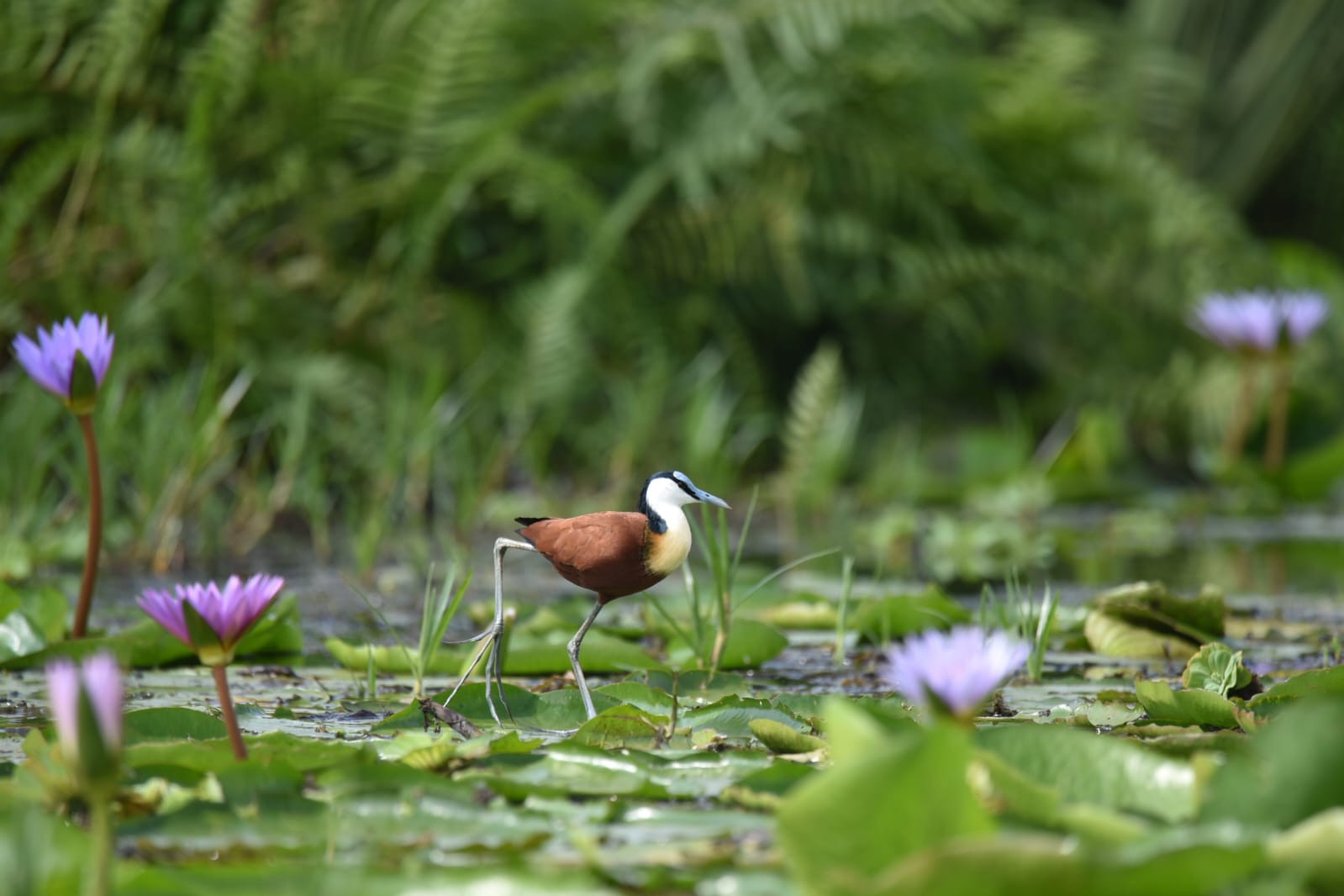
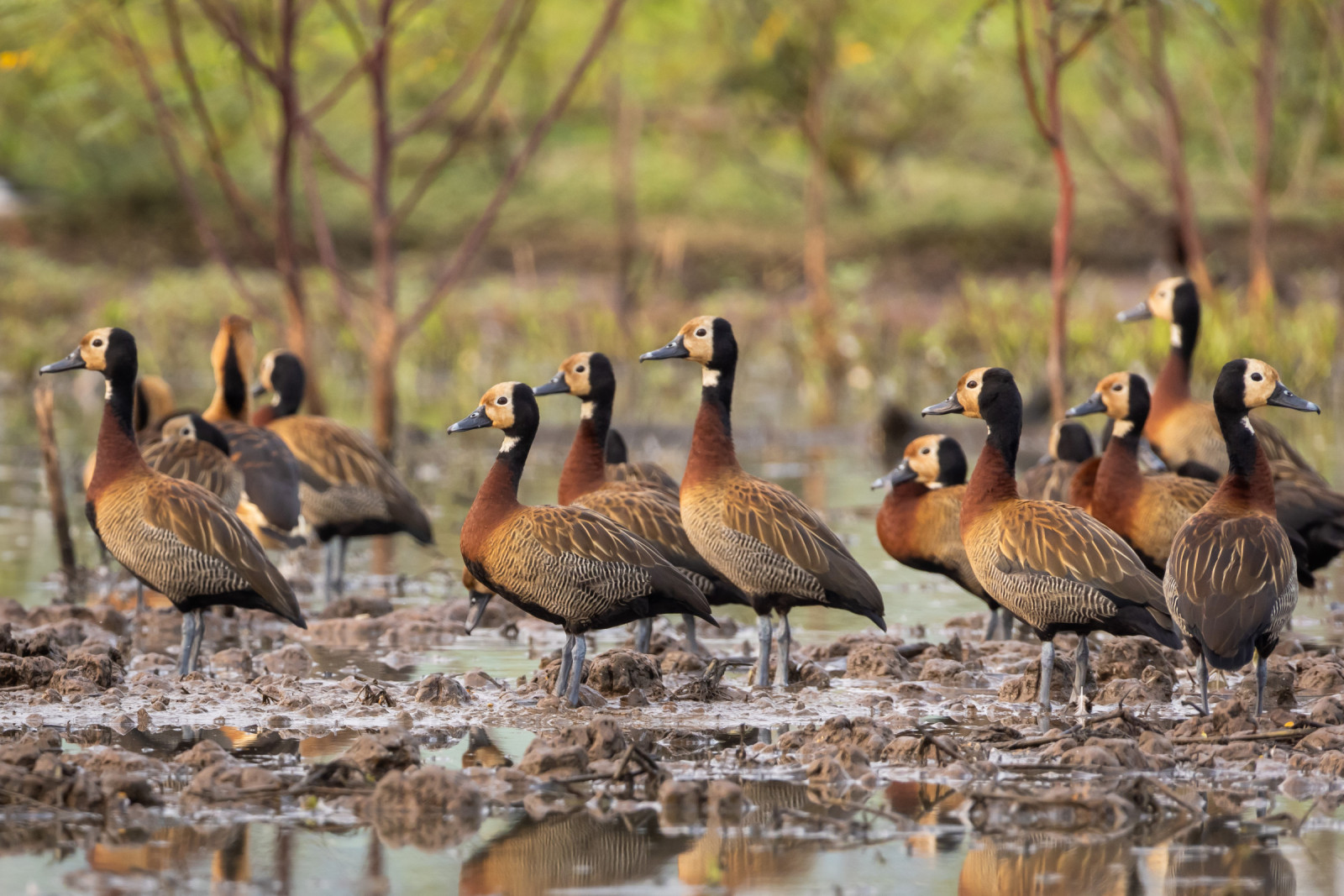
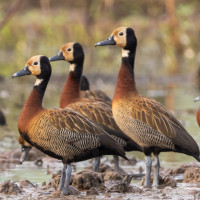
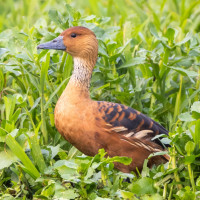
Djoudj is a great site for observing wintering birds in Africa. If you don’t know this iconic African birding hotspot yet, it’s time to visit. Not only will you see classic African species such as the Fulvous Whistling Duck and the White-faced Whistling Duck , but also the African Rail, African Fish-eagle, as well as nightjars like the Standard-winged Nightjar , among others.
You will also find the waders wintering in the first major wetland south of the Sahara: Djoudj National Bird Sanctuary. It is a vast park, so make sure to hire a vehicle and bring plenty of water, but it truly is a paradise for birds.
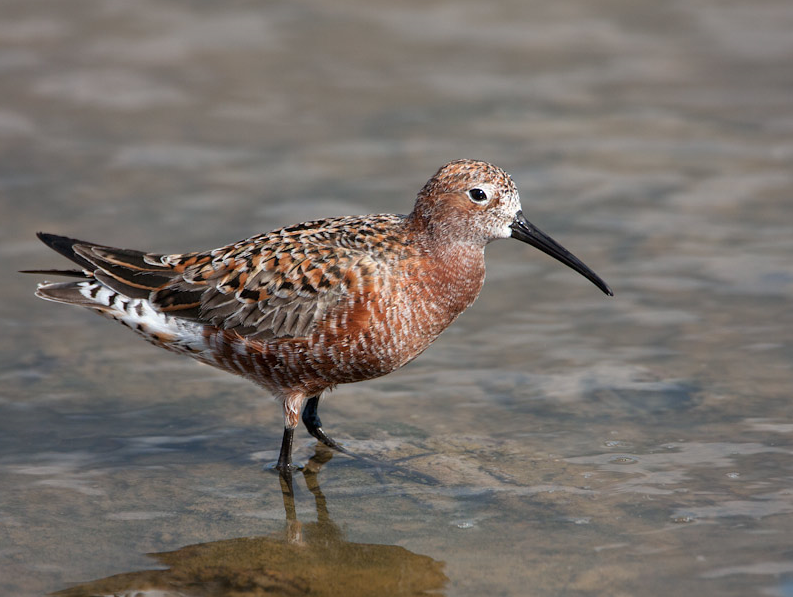
All the waders are there: species such as the Spotted Redshank, Common Greenshank, Marsh Sandpiper, Ruff, Common Redshank , and Wood Sandpiper. They are all present. If you add Curlew Sandpiper, Little Stint, Dunlin, and Broad-billed Sandpiper (all in winter plumage), it is one of the best places to learn how to identify them correctly, with all species right in front of you.
It is also an exceptional site for Great White Pelican and African Darter , among many others.
Details
Access
The best (and virtually only) way to get to Djoudj National Bird Sanctuary is to have a rental vehicle (ideally a 4x4, or at least something prepared to cope with rough African tracks) and to stay at the hotel on site. You won’t have enough time in a single day to explore everything if you are based in Saint-Louis.
There used to be park maps available at the main entrance, but they tend to suffer from wear and tear, like most infrastructure built in the area.
Terrain and Habitat
Wetland , River , Mud flats , ReedbedsConditions
Wet , No shadow , Open landscape , Dry , Dusty , FlatCircular trail
YesIs a telescope useful?
YesGood birding season
All year roundBest time to visit
WinterRoute
Unpaved road , Wide pathDifficulty walking trail
EasyAccessible by
Car , BoatBirdwatching hide / platform
YesExtra info
Take your time to search and observe. In this place, anything is possible in terms of birdlife.
Of course, some guides will only focus on the pelicans (and boat/canoe trips can be arranged), but the sheer number of species is truly astonishing.

 ) to insert bird names in your own language. The birdnames will automatically be translated for other users!